The rhythmic clatter of feeding chains, the soft hum of ventilation, and the orderly collection of fresh eggs—this is the soundscape of a modern, profitable poultry operation. For farmers navigating the complexities of the 2024 market, the choice of housing is no longer a simple procurement decision; it’s a strategic investment in the future of their business. The evolution of the layer cage system has moved far beyond basic wire enclosures. Today’s hot-selling customized layer cages represent an integrated ecosystem engineered to address the most pressing challenges in egg production: bird welfare, operational efficiency, resource management, and ultimately, the bottom line.
The Core Anatomy of a Modern Layer Cage System
Understanding the components of these systems is key to appreciating their value. Rather than a single product, a modern cage is a series of interconnected subsystems, each performing a critical function.
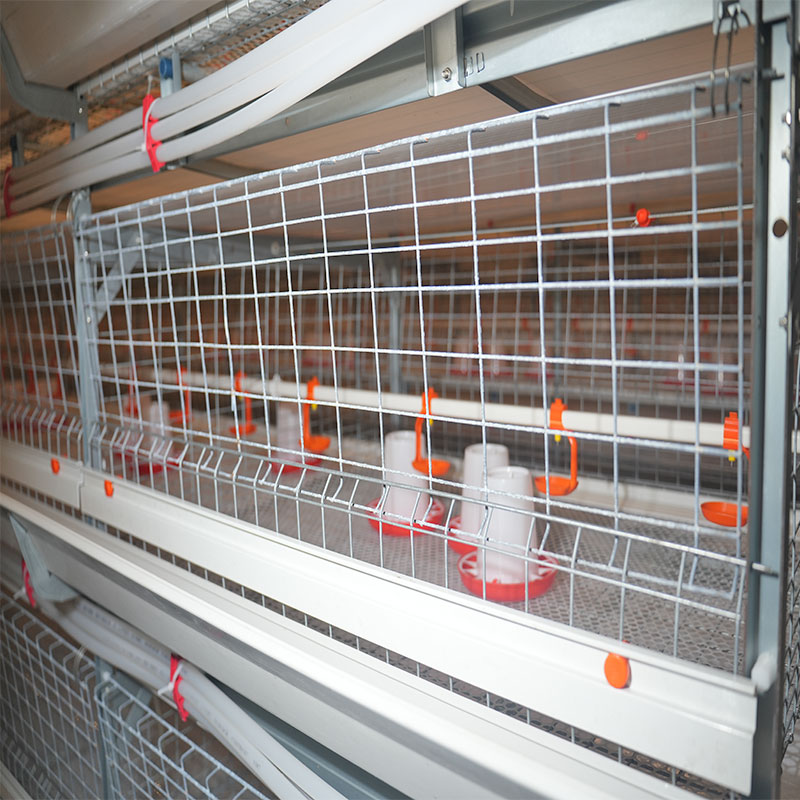
The housing structure itself is typically constructed from hot-dipped galvanized steel, a process that bonds zinc to the steel to prevent rust. A farmer in a coastal region with high humidity will see cages that have succumbed to corrosion within a few years, requiring costly replacement. The galvanized coating ensures the system withstands years of exposure to ammonia and moisture, providing a long-term asset.
The flooring is a slanted wire mesh, designed with a specific pitch. This angle is not arbitrary. If it’s too steep, birds struggle to stand comfortably and may injure their feet. If it’s too shallow, eggs fail to roll away cleanly, leading to breakages and floor eggs that must be collected by hand. The ideal pitch allows the egg to gently roll onto the egg-saving roll-out tray the moment it is laid, keeping it clean and intact, far from the birds' feet and manure.
At the front of the cage, the nipple drinking system is a marvel of efficiency and hygiene. Each cage compartment has several nipples connected to a central water line. Birds learn to peck at the pin to release a droplet of water, satisfying their thirst without spillage. Contrast this with traditional trough systems, which can become contaminated with feed and manure, serving as a breeding ground for disease and requiring constant cleaning. The nipple system provides fresh, on-demand water, reducing water waste by over 90% and significantly improving flock health.
The feeding system often consists of a chain that runs through a trough along the entire row of cages. At scheduled intervals, a motor pulls the chain, dragging a precise amount of feed from a central hopper and distributing it evenly. This ensures every bird, regardless of its position in the row, has equal access to fresh feed. A farmer using manual feeding might notice birds at the beginning of the row becoming overfed and obese, while those at the end are underweight and have lower production. The automated chain eliminates this variation, creating a more uniform flock.
Below the cages lies the manure management system. The most common configuration involves manure drying belts or deep pits. In a belt system, a slow-moving conveyor belt runs beneath several tiers of cages. It collects droppings and transports them to a central collection point, often while a drying system reduces moisture content. This controlled removal minimizes ammonia release inside the house, improving air quality for the birds and farm workers. It also transforms waste into a manageable, stackable, and valuable fertilizer that can be sold, turning a disposal problem into a revenue stream.
The Imperative of Customization: Beyond One-Size-Fits-All
The term "customized" is what separates a generic product from a strategic farming solution. A cage system designed for a 10,000-bird farm in a temperate climate is fundamentally unsuited for a 50,000-bird operation in a tropical region. True customization addresses the specific realities of each farm.
Farm Layout and Dimensions: A farmer with an existing poultry house doesn't want to demolish walls to fit a standard system. Customization allows for cages to be designed to the exact length, width, and height of the available space, including accommodating support pillars or irregular shapes. This maximizes bird capacity without costly structural modifications.
Tier Configuration: The number of cage levels, or tiers, is a critical decision. A-type cages, where tiers are stacked at an angle, are common for their excellent manure dropping clearance and easier bird observation. H-type cages, with vertical tiers, allow for much higher density in a given footprint and are often integrated with more sophisticated central manure belts and egg collection systems. The choice depends on the farmer's priorities: space optimization versus individual bird accessibility and lower initial investment.
Bird Genetics and Size: Different layer breeds have different space requirements and behavioral traits. A system for smaller, high-production breeds like Hy-Line Browns will have different compartment dimensions and nipple spacing than a system designed for larger Isa Browns. Customization ensures the cage environment supports the specific breed's natural behaviors and physical needs, reducing stress and promoting optimal lay rates.
Climate and Ventilation Integration: In hot climates, cage design must prioritize airflow. This might mean opting for wider aisles between cage banks, choosing an A-type configuration for better air movement, or integrating cage-mounted cooling pads. In colder climates, the focus shifts to insulation and minimizing drafts. A customized system works in concert with the farm's overall environmental control plan.
Operational Efficiency: The Engine of Profitability
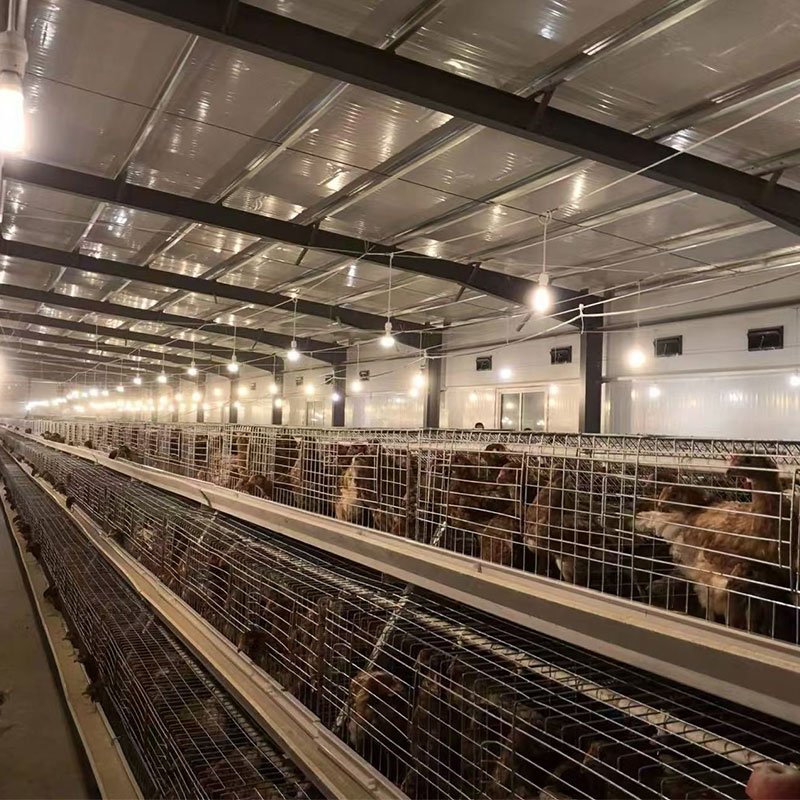
The primary financial return on a modern cage system investment comes from the dramatic gains in operational efficiency. Labor is one of the most significant and volatile costs in farming. Automating core tasks frees up skilled labor for management, bird health monitoring, and maintenance.
Consider the task of egg collection. In a non-automated setup, workers must walk the aisles multiple times a day, manually gathering eggs from each cage. This is labor-intensive, slow, and increases the risk of egg damage and bacterial contamination. In a modern system, eggs roll onto the collection belt as soon as they are laid. This belt gently transports them to a central packing station, where they can be automatically sorted, graded, and packed. What once required several hours of manual labor each day is now accomplished with minimal human intervention, ensuring speed and a superior quality product.
Feed represents up to 70% of the cost of egg production. Automated feeding systems not only ensure equitable distribution but also allow for precise portion control. A farmer can program the feeder to run specific number of times per day, delivering the exact amount of feed calculated for the flock's age and production stage. This eliminates the massive waste associated with overfilling troughs or spillage. Furthermore, the constant movement of the chain stimulates bird appetite, encouraging consistent feed intake which supports steady production.
The benefits of superior manure handling extend beyond odor control. Wet, accumulated manure is a primary source of ammonia, which damages the respiratory systems of birds, leading to higher susceptibility to diseases like avian influenza and a decline in eggshell quality. By keeping manure dry and removing it frequently, the cage system directly contributes to flock health. Healthier birds require fewer antibiotic treatments, convert feed more efficiently, and maintain peak production for longer cycles. This is not just an animal welfare benefit; it is a core component of sustainable and profitable farming.
Addressing Animal Welfare and Market Expectations
The global conversation around animal welfare is reshaping the egg industry. Consumers and retailers are increasingly demanding transparency and evidence of humane practices. Modern cage designs have evolved significantly to meet these concerns, often aligning with certified welfare programs.
While conventional cages have been criticized for restricting natural behaviors, enriched or colony cage systems provide a very different environment. These are larger enclosures housing small groups of birds. They are legally mandated in the European Union and are gaining traction in other markets. features include:
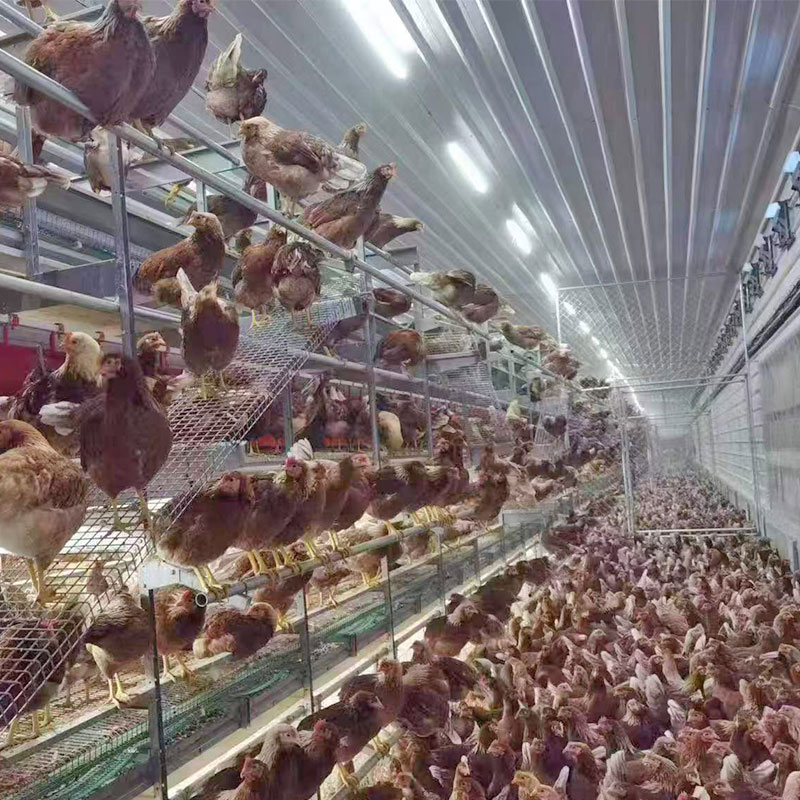
Perching Space: Birds have a strong instinct to roost. Providing sturdy perches at different levels allows for this natural behavior, reduces aggression, and improves bone strength.
Nesting Areas: A darkened, secluded nesting area gives hens a designated place to lay their eggs. This reduces stress and the incidence of floor eggs, while also providing the cleaner, safer egg roll-out process.
Scratching and Pecking Areas: Some enriched systems include abrasive strips or mats that allow birds to engage in dust-bathing and foraging behaviors, which are essential for their psychological well-being.
For a farmer, investing in a welfare-focused system is a forward-looking strategy. It future-proofs the business against tightening regulations and opens doors to premium markets that pay more for eggs produced under higher welfare standards. The cage system becomes a tool for brand differentiation and value-added production.
Making the Investment Decision for 2024
Choosing the right system requires a careful analysis of current assets and future goals. A farmer should begin by auditing their existing operation. What is the current bird mortality rate? What are the monthly labor costs for feeding and egg collection? How much is spent on water, feed, and veterinary services? These baseline metrics are essential for calculating the return on investment of a new system.
The next step is to engage with a reputable supplier who offers genuine engineering support, not just a sales catalog. They should be willing to discuss:
1. Total Cost of Ownership: Look beyond the initial price per bird. Inquire about the quality of the galvanization, the warranty on motors and moving parts, and the availability of spare parts. A cheaper system that breaks down frequently and is difficult to repair will be far more expensive in the long run.
2. Scalability: Can the system be easily expanded in the future? If a farmer plans to grow from 20,000 to 30,000 birds, a modular design that allows for the addition of more tiers or rows is crucial.
3. After-Sales Service and Training: The most sophisticated system is only as good as the people operating it. Ensure the supplier provides comprehensive installation supervision and operator training. Understanding how to troubleshoot a misaligned egg belt or calibrate a feeder can prevent minor issues from becoming major production losses.
The 2024 market for layer cages is defined by integration, intelligence, and adaptability. The hot-selling systems are those that are not merely purchased but are co-designed with the farmer, tailored to their land, their birds, and their vision. They are a capital investment that pays dividends through every saved hour of labor, every kilogram of feed not wasted, every egg that arrives at the packer unbroken, and every healthy bird that reaches the end of its lay cycle in peak condition. In an industry of tight margins, the cage is no longer a container; it is the central nervous system of a profitable and resilient egg production enterprise.
1. Drinking system include the water pipes, water pressure adjuster, drinking nipples, Waterline front-end device, dosing system etc, choose them according to customer's needs.
2. High-quality water drinking pipes, pressure regulating valves and water drinking nipples can effectively prevent the water leakage. Drinking system adopt the closed piping system, which can minimize the water pollution.
3. 360-degree drinking nipples provide adequate drinking water for poultry at all stages.
4. The automatic drinking water system mainly adopts the steel ball drinking nipple. lt uses imported high-grad stainless steel, POM resin, and APS engineering material, which is wearing resistant, and the durability can be used for long time.



1. Automatic feeding machine can be chosen between gantry and ladder feeding machine. Gantry type feeding machine is a relatively economical and practical machine with simple operation, remote control walking character, easy to manage.
2. Mechanical transmission device running smoothly, low noise, long service life.
3. With the use of automatic control, the feeding system can adjust the amount of material.
4. Feeding with arched structure, high carrying capacity, not easily deformed.
5. Saving man power, saving feed, greatly improving the efficiency of Large-scale farming.
6. The walking speed of gantry feeding machine is 9--12 m/min.




1. Manure removing system included scraper type and conveyor belt type, Which can reduce the labor intensity and labor cost, keep the chicken shed dry and clean.
2. A type chicken cage can use scraper type or conveyor belt type.


3. The scraper type is suitable for A type cages, which can clean two or three rows. For the starters, this type is a good choice. lt can not only save some labor cost, but also save some investment in the whole project. The cleaning speed is 6-10 meters per minute.
4. Conveyor belt type is more suitable for large scale farming. The manure removing belt we use is high quality PP material (polypropylene). The walking speed is 2-4 meters per minute.



High Quality Pellets Made by Mobile Pellet Machine
1. It has professional designed angle of the blade. After the dynamic balance test one by one, the blade can operate smoothly.
2. The air volume is consistent in the whole life of the fan. Bearings has advantage of high strength, low noise, durable and so on.
1. The cooling pads uses high-quality wet curtain paper and adopts space cross-linking technology, which has the advantages of high water absorption, high water resistance, anti-toxicity and long service life.
2. The cooling efficiency is over 80%, without surfactant, natural water absorption, fast diffusion speed and long-lasting effect.
3. The product does not contain phenol and other chemical substances that are easy to cause skin allergies. It is non-toxic and harmless to the human body and chicken when installed and used. It is green, safe, energy-saving, environmentally friendly, economical, and easy to install.
4. The frame aluminum alloy has high strength, good corrosion resistance, durability and beautiful appearance.
5. Use a special filter for the cooling pad at the upper water to ensure clean water quality and support efficient water circulation components.
6. Combined with a negative pressure fan, it can effectively lower the indoor temperature.
The window is made of special selected high-quality engineering plastic, with high strength and long service life, together with superior anti-aging and anti-UV performance.
Function: Ventilation of the chicken house, usually used in the winter.
This system can adjust the wind speed and direction, thus the cold air will not reach chicken directly , which can effectively prevent the phenomenon of cold stress in chicken.
Environmental control system equipment is suitable for large-scale and intensive farming. According to customer requirements, we can provide various types of smart poultry equipment.
1. Our poultry management system is a modular system that manages all aspects of the chicken house, such as climate, temperature, humidity, ammonia, feeding, feed weighing, lighting and ventilation systems, and can monitor the situation of the chicken house in real time through a computer and mobile phone.
2. The management computer is the heart of the poultry farm, allowing you to easily monitor the entire poultry farm.

 WeChat:+8617838608255