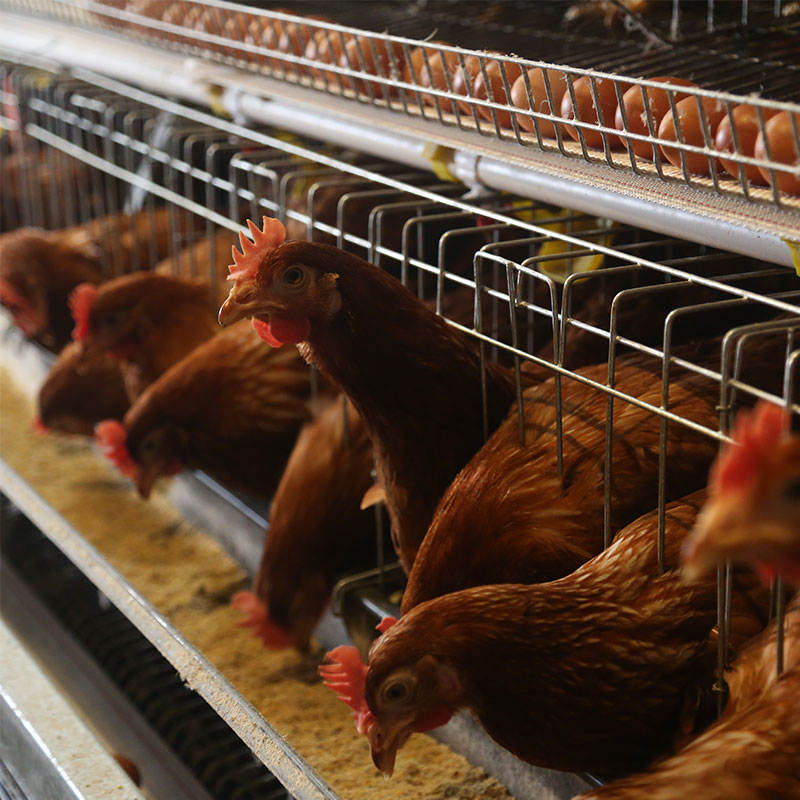
The Ultimate Guide to 3Tier Poultry Cages: Maximizing Space, Health & Productivity
In the world of modern poultry farming, efficiency is not just a goal—it’s a necessity for sustainability and profitability. Whether you're a smallscale homesteader or managing a commercial operation, space optimization and bird welfare are paramount. This is where the 3tier poultry cage system emerges as a transformative solution. Far more than just stacked enclosures, a welldesigned threetier system represents a sophisticated approach to housing layers, broilers, or breeders. It intelligently leverages vertical space to dramatically increase bird capacity per square foot of floor area while promoting better management, hygiene, and animal welfare when implemented correctly. This comprehensive guide delves deep into the design, benefits, considerations, and best practices for implementing 3tier poultry cages, providing you with the expert knowledge needed to make an informed decision for your flock.
A 3tier battery cage system is a vertically structured housing unit consisting of three levels or decks of cages stacked atop one another. Each tier is selfcontained with its own feed troughs, water lines (usually nipple drinkers), and egg collection systems. The cages are typically arranged in long rows within a poultry house, with service aisles between them for farmer access.
This design is fundamentally different from singletier or deeplitter systems. Its core principle is vertical integration, which allows farmers to house three times the number of birds in the same building footprint compared to a singlelevel setup. Modern iterations are engineered with animal welfare in mind, often adhering to or exceeding space allowance guidelines set by various farming associations.
The adoption of threetier cages is driven by a compelling array of operational and economic benefits.
This is the most significant advantage. By building upwards, you maximize your land and building investment. A farmer with a 10,000 sq. ft. shed can potentially triple bird capacity without expanding the physical footprint, leading to a lower cost per bird for housing.
Disease Control: Birds are separated from their own droppings. Manure falls through the cage floor onto dropping boards or into a manure pit below each tier (or onto conveyor belts), drastically reducing contact with feces—a primary vector for parasites and bacterial diseases like coccidiosis.
Cleaner Environment: Automated manure removal systems (scrapers or belts) can be integrated, maintaining a drier and more sanitary environment.
Reduced Feather Pecking & Cannibalism: Controlled population per cage can minimize these behavioral issues common in overcrowded floor systems.
Centralized Feeding & Watering: Automated feed chains or pans and central water lines serve all tiers simultaneously.
Simplified Egg Collection: Eggs roll out of the cage onto collection trays or onto conveyor belts immediately after laying, keeping them clean and reducing breakage. Manual collection is far less laborintensive.
Easier Monitoring: Sick or nonperforming birds are more easily spotted in the organized rows of cages.
Streamlined Manure Handling: Collected manure from beneath tiers is easier to remove in bulk for composting or disposal.
Birds in cage systems often exhibit better FCR because they expend less energy moving around searching for food and water compared to freerange systems. Feed waste is also minimized as it’s contained in troughs.
Eggs are cleaner as they roll away from the bird quickly after laying (reducing contamination risk) and have fewer cracks compared to eggs laid on litter where they can be trampled.
A highquality 3tier chicken cage is more than welded wire; it's an integrated system.
| Component | Description & Importance |
| : | : |
| Cage Frame | Typically made from heavygalvanized steel for durability and rust resistance. Must be robust enough to support the weight of three tiers of birds, equipment, and personnel during servicing. |
| Wire Mesh | The flooring mesh must be strong yet designed for comfort (often slightly sloped) to prevent foot injuries (bumblefoot). Side and partition mesh should prevent birds from reaching into neighboring cages while allowing adequate ventilation. |
| Manure Removal System | Options include:
• Dropping Boards: Simple trays that require manual cleaning.
• Manure Belts: PVC or rubber belts under each tier that automatically remove waste.
• Deep Pit: Manure accumulates in a pit below the entire system for periodic removal.
Choice impacts labor requirements significantly. |
| Feeding System | Long troughs run along each tier fronted by an automated feed chain that circulates feed from central bins on demand (triggered by timers). |
| Watering System | Nipple drinkers are standard—one nipple serves multiple birds per cage section—connected to pressurized water lines on each tier that ensure clean water on demand without spillage |
| Egg Collection System | The sloped cage floor allows eggs to gently roll out onto an egg collection tray running along the front of each tier OR directly onto an automated egg conveyor belt that transports them centrally |
Not all threetier systems stack vertically in the same way.
(True) Vertical Stack (HType): All three tiers are directly aligned one above the other like floors in an apartment building.
Pros: Maximum space efficiency; simplest manure belt installation (single belt per column).
Cons: Birds on lower tiers receive less light; potential for higher ammonia concentration at lower levels if ventilation is poor; harder visual inspection of lower tiers.
(StairStep) AType Cage: Tiers are offset so that droppings fall directly into the manure pit without hitting cages below.
Pros: Superior hygiene as manure bypasses lower cages entirely; better light penetration; improved air quality at all levels; easier access/visibility into all cages.
Cons: Requires slightly more horizontal space per column; slightly more complex structure.
For optimal welfare outcomes under intensive housing conditions,the stairstep design (Atype)is often recommended by animal scientists as it provides better environmental conditions across all tiers.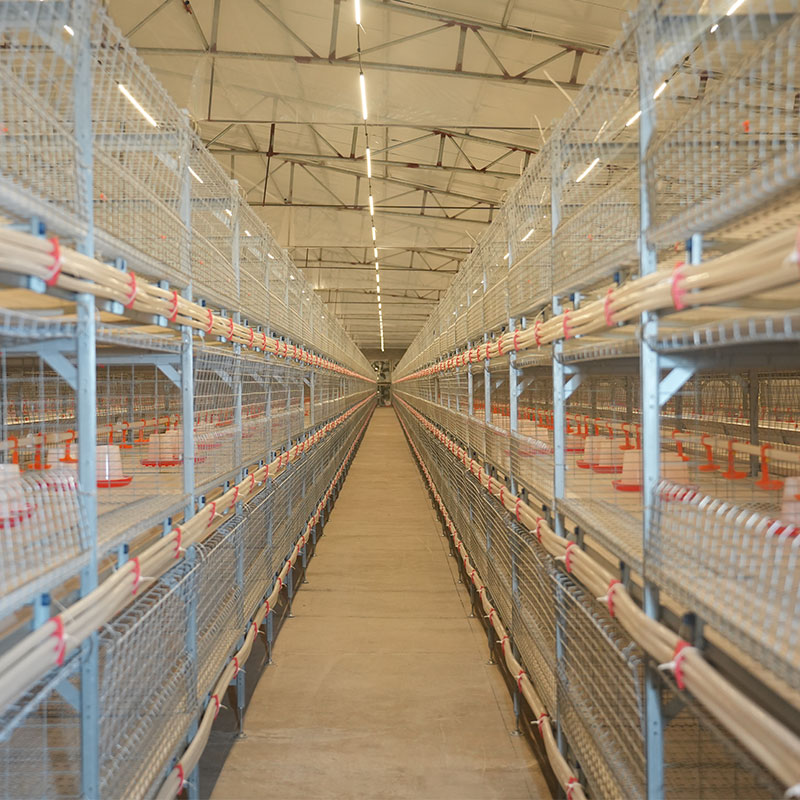
1.Bird Welfare & Regulations:
This is paramount.Critics argue traditional battery cages restrict natural behaviors.Regulations worldwide are shifting.In many regions,the conventional barren battery cageis being phased out infavorof“enriched”or“furnished”cages which include perches,nesting areas,and scratch pads.Even within multitier systems,the future liesin adopting these enriched designs.Check your local(and target market’s)animal welfare laws(e.g.,EU Directive,UEP Certified standardsin USA).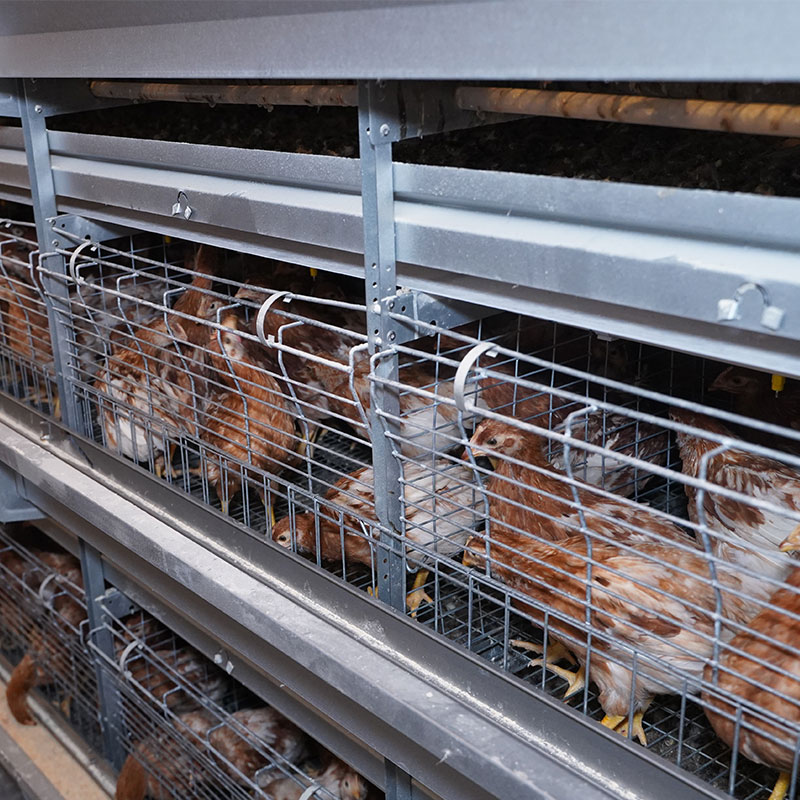
2.Ventilation Is NonNegotiable:
High stocking density demands exceptional ventilation.A powerful negative pressure tunnel ventilation systemis often requiredto remove heat,m oisture,and ammonia—especiallyfromthe lower tiers.Poor ventilation will leadto respiratory diseaseand poor performance rapidly .
3.Initial Capital Investment:
While costeffective longterm,the upfront costfora completeautomatedthreetiersystemwith feeding ,watering ,manure belts ,and egg collectionis substantial .Factorin costsfor therequiredhousingstructureand ventilation .
4.Technical Knowledge&Maintenance:
Automatedsystemsrequirebasic technical skillsto maintain motors,sensors ,and conveyors .Regular maintenanceof nipple drinkersand feed chainsis criticalto prevent catastrophic failures .
5.Power Dependency:
Thesystemreliesheavilyon consistent electricityfor automation .A backup generatoris essential .
Implementan “allinallout”stocking policyto allowfor thorough cleaningand disinfectionbetween flocks .
Conductdaily visual checksof alltiersfor sickbirds ,malfunctioning equipment ,and water/feed supply .
Monitorlight intensityacrossalltiers ;usereflective surfacesor adjust bulb placementto ensureuniformity .
Performweekly testingof nipple drinkerpressureand functionality .
Havea detailed biosecurity protocol ;the densitymakes disease spread potentially fasterif introduced .
Regularly service manure removal systemsto prevent buildupand ammonia spikes .
The decisionto adopt amodernthreetierpoultrycagesystemshould balanceeconomic goalswith ethical husbandryresponsibilities .For commercial producers seeking scale efficiency ,improvedbiosecurity ,and consistent product quality ,it presentsa compelling model —particularlywhen investingin enrichedcagedesignsthat addressbehavioral needs .For smallermicrofarmsorspecialtyproducers cateringto specificmarketdemands(for pasturedor fully freerange eggs),it may not alignwith their brandor operational philosophy .
Ultimately,a successfulimplementationhingeson viewingthecagenotas merelya containmentunitbut asthe centerpieceofa fully integratedmanagementecosystemwheredesign ,technology ,animalwelfare ,and skilledstockmanshipconverge .By prioritizingquality equipment ,robustventilation ,andelevatedmanagementpractices ,thethreetiersystemcan bea sustainableandeffectivefoundationformodernpoultryproduction .
Q1: How many chickens can fit in one section/bay of typical commercialgrade layer hen cages?
A1: Space allowance varies by regulation.In many enrichedcage designs following UEP guidelines,birds must have at least124 square inches(800 cm²)per hen.A typical commercial section might hold810hens dependingon exact dimensions.Compliancewith local lawsis essential .
Q2:What's difference between broiler vs layer chicken cages?
A2:Layer cagesspecificallydesignedfor egg productionfeatureaslopedwirefloorforeggrollout,a nestarea(enriched),perches,and rigidpartitionstoprotectfeeders.Broilercagesareflatto accommodategrowingbirdsmeat production ;theyfocuson maximizingweightgainwith easyaccessfeed/waterwithoutrolloutfeatures .
Q3:Arethere automaticeggcollectorsavailableforsmallscale farmswith threetiers?
A3:Yes.Manualcollectiontraysarestandard,butsmallscaleautomatedbeltcollectorsexistthat runalongfrontoftierscarryingeggsto centralizedpoint,savinglabor evenforsystemsstartingat fewhundredbirds .
Q4:Domanurebeltsreallymake differencecomparedtodroppingboards?
A4:Absolutely.Automatedmanurebeltsremovedaily(or multiple times daily),keepingammonialevels lowimprovingbirdhealthlabor savingsdramatic.Manualboardsrequirefrequent scrapingintensive laborhigherriskexposureammoniawhencleaning .
Q5:Canyouuse threetiercagesforraisingchicksorpullets?
A5:Pullets(younghensbeforelay)areraisedspecificallydesignedpulletcagesthatallowmorefloor spaceperbirdpromote skeletaldevelopment.Theyusuallysingleordoubledecked.Movingtheminto layercagesaround1618weeksoldtransitionperiodrequired familiarizenewenvironmentbeforelaybegins .
Q6:Whatminimumheightrequiredpoultryhouseaccommodate threetiersystem?
A6:Celilingheightneedsaccommodate cagestructure(approx~67ft tallitself)+clearanceabovefortopventilationlighting+potentialmanurepitbelowfloor.Typicallytotalclearheight1214feetminimumrecommendedensureproperairflowaboveequipment .
Q7:Dobirdsin lowertiersproducefewereggsduetolesslight?
A7:Poorlydesignedvertical(Htype)systemscan havelightgradient.Lightintensitymustmanagedusingartificiallightingsupplementationreflective surfacesensureuniformityacrossalllevels.Modernstairstepdesignsandgoodlightplacementminimize thisissueperformanceconsistentacrosstierspropermanagement .
Q8:Aren'tcagessystemsbeingbannedgloballyduetoanimalwelfareconcerns?
A9:Thetraditional"barren"batterycageisfacingrestrictionsphasedoutmanyregions(e.g.,EuropeanUnionUKseveralUSstates).However,"enriched"orfurnishedmultitiersystemsthat providenestperchscratchareastill permittedwidelyusedrepresentscurrentindustrystandardwherecagesallowedFuture regulationsalwaysmonitoredcloselybyproducers
1. Drinking system include the water pipes, water pressure adjuster, drinking nipples, Waterline front-end device, dosing system etc, choose them according to customer's needs.
2. High-quality water drinking pipes, pressure regulating valves and water drinking nipples can effectively prevent the water leakage. Drinking system adopt the closed piping system, which can minimize the water pollution.
3. 360-degree drinking nipples provide adequate drinking water for poultry at all stages.
4. The automatic drinking water system mainly adopts the steel ball drinking nipple. lt uses imported high-grad stainless steel, POM resin, and APS engineering material, which is wearing resistant, and the durability can be used for long time.



1. Automatic feeding machine can be chosen between gantry and ladder feeding machine. Gantry type feeding machine is a relatively economical and practical machine with simple operation, remote control walking character, easy to manage.
2. Mechanical transmission device running smoothly, low noise, long service life.
3. With the use of automatic control, the feeding system can adjust the amount of material.
4. Feeding with arched structure, high carrying capacity, not easily deformed.
5. Saving man power, saving feed, greatly improving the efficiency of Large-scale farming.
6. The walking speed of gantry feeding machine is 9--12 m/min.




1. Manure removing system included scraper type and conveyor belt type, Which can reduce the labor intensity and labor cost, keep the chicken shed dry and clean.
2. A type chicken cage can use scraper type or conveyor belt type.


3. The scraper type is suitable for A type cages, which can clean two or three rows. For the starters, this type is a good choice. lt can not only save some labor cost, but also save some investment in the whole project. The cleaning speed is 6-10 meters per minute.
4. Conveyor belt type is more suitable for large scale farming. The manure removing belt we use is high quality PP material (polypropylene). The walking speed is 2-4 meters per minute.



High Quality Pellets Made by Mobile Pellet Machine
1. It has professional designed angle of the blade. After the dynamic balance test one by one, the blade can operate smoothly.
2. The air volume is consistent in the whole life of the fan. Bearings has advantage of high strength, low noise, durable and so on.
1. The cooling pads uses high-quality wet curtain paper and adopts space cross-linking technology, which has the advantages of high water absorption, high water resistance, anti-toxicity and long service life.
2. The cooling efficiency is over 80%, without surfactant, natural water absorption, fast diffusion speed and long-lasting effect.
3. The product does not contain phenol and other chemical substances that are easy to cause skin allergies. It is non-toxic and harmless to the human body and chicken when installed and used. It is green, safe, energy-saving, environmentally friendly, economical, and easy to install.
4. The frame aluminum alloy has high strength, good corrosion resistance, durability and beautiful appearance.
5. Use a special filter for the cooling pad at the upper water to ensure clean water quality and support efficient water circulation components.
6. Combined with a negative pressure fan, it can effectively lower the indoor temperature.
The window is made of special selected high-quality engineering plastic, with high strength and long service life, together with superior anti-aging and anti-UV performance.
Function: Ventilation of the chicken house, usually used in the winter.
This system can adjust the wind speed and direction, thus the cold air will not reach chicken directly , which can effectively prevent the phenomenon of cold stress in chicken.
Environmental control system equipment is suitable for large-scale and intensive farming. According to customer requirements, we can provide various types of smart poultry equipment.
1. Our poultry management system is a modular system that manages all aspects of the chicken house, such as climate, temperature, humidity, ammonia, feeding, feed weighing, lighting and ventilation systems, and can monitor the situation of the chicken house in real time through a computer and mobile phone.
2. The management computer is the heart of the poultry farm, allowing you to easily monitor the entire poultry farm.

 WeChat:+8617838608255