For decades, the image of poultry farming was defined by the floor pen. It’s a familiar system: birds moving freely on a litter-covered floor, with feeders and waterers scattered throughout the space. It works, but it presents a constant battle against waste, disease, and inefficient space utilization. A farmer might house 500 birds in a spacious shed, but that entire floor area must be managed, cleaned, and paid for. The arrival of cage systems fundamentally shifted this paradigm from managing square footage to managing cubic footage, and the 3-tier cage system represents the most accessible and efficient iteration of this vertical approach for many operations.
The core principle behind a 3-tier system is simple yet transformative: instead of spreading your flock across the land, you stack them vertically. Imagine a sturdy, galvanized steel framework that holds three levels of cages, each level a self-contained living unit for a group of birds. This isn’t just about saving space; it’s about creating a controlled environment where management, bird health, and product collection are streamlined into a predictable, efficient process.
The Structural Anatomy of a Three-Tier System
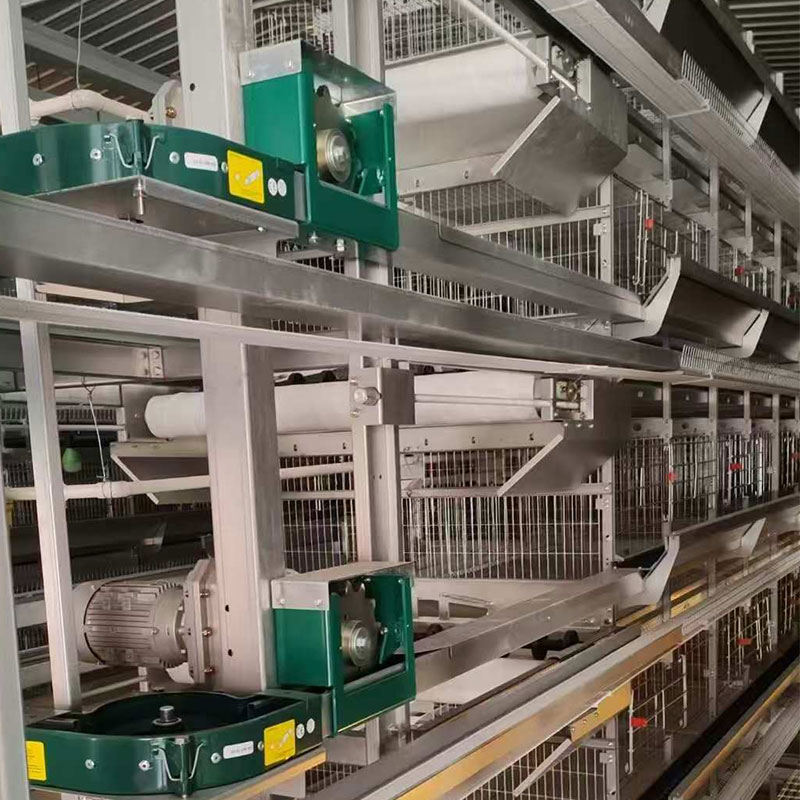
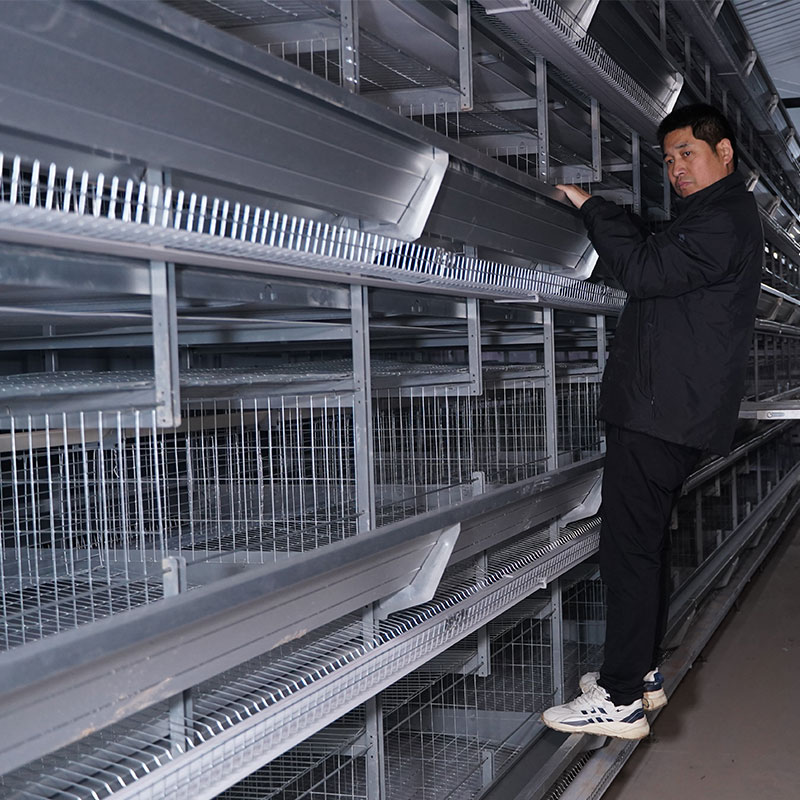
Walking into a barn equipped with a 3-tier system, the first thing you notice is the order. The cages are arranged in long rows, often called batteries, with service aisles between them. Each tier is a series of individual cages, typically housing a small group of birds—say, five to eight hens depending on the breed and cage size. The cages are constructed from heavy-gauge, welded wire mesh, galvanized to resist rust from constant moisture and the corrosive nature of manure. This isn’t flimsy chicken wire; it’s a durable structure designed to withstand years of use.

The floor of each cage is sloped, a critical design feature that is often overlooked. This gentle slope guides freshly laid eggs to roll away from the birds immediately after laying. They travel down to a padded egg collection tray running the length of the cage row, safely out of reach of scratching feet and beaks. This single feature drastically reduces the number of cracked or dirty eggs, directly impacting the grade and market value of your product. A floor pen might see a 5% breakage rate on a bad day; a well-maintained cage system can keep it below 1%.
At the front of each cage row runs the feed trough. Modern systems are almost universally automated. A hopper located at the end of the row holds a supply of feed. At set intervals, a motorized chain or spiral auger runs the length of the trough, delivering a fresh, measured amount of feed to every cage simultaneously. This ensures every bird has equal access to feed without competition or waste from birds scratching it into the litter. Similarly, nipple drinker lines are installed along the cages. Hens learn quickly to peck at the pin to release a drop of water, keeping the water clean and contained. This eliminates the open waterers of a floor system that can become contaminated with droppings, feed, and algae, a common source of disease and parasites.
Beneath the three tiers of cages lies the waste management system. This is where the vertical design pays massive dividends. Manure drops through the wire mesh floor of each cage, accumulating on a manure belt or, in simpler systems, on a scrapable tray beneath each tier. The most efficient systems use continuous PVC or rubber belts that run the length of the cage row. Once or twice a day, a motor engages and moves this belt, transporting the entire day’s waste out of the barn and into a dedicated collection point, often a trailer or compost bin. This immediate and continuous removal of manure from the bird’s environment is arguably the single greatest health benefit of cage systems. It drastically reduces ammonia levels in the air, minimizes contact with pathogens, and controls fly and pest populations.
Operational Advantages: Precision and Control
The transition to a 3-tier system is a transition from reactive farming to proactive management. Every task becomes more precise and less labor-intensive.
Bird Management and Monitoring: In a floor pen, a sick or dead bird can hide in a corner for days. In a cage system, each small group is visible at a glance. A farmer walking the aisles can quickly assess the condition of every bird, noting feed and water consumption, checking for signs of distress, and identifying non-layers or health issues immediately. Catching birds for vaccination, treatment, or end-of-cycle depopulation is also vastly simpler. Instead of chasing birds around a large pen with a catching net, workers can calmly and efficiently remove birds from their specific cages with minimal stress to the entire flock.
Feed and Water Efficiency: The automation of feeding eliminates guesswork and waste. You know exactly how much feed is being consumed because it’s delivered by a measured system. There’s no feed spilled on the floor to be trampled into litter or mixed with manure. The closed nipple water system similarly prevents spillage and contamination. For a farmer tracking feed conversion ratios (FCR)—the measure of how many pounds of feed it takes to produce a dozen eggs—this precision is invaluable. It’s not uncommon to see an improvement in FCR simply from eliminating the waste inherent in floor feeding systems.
Egg Collection and Quality: The automated egg collection is a game-changer for labor. Rather than employees spending hours each day walking through pens, bending over to gather eggs from nest boxes and floor areas, the eggs are gently rolled to a central, easy-to-access tray. A single worker can collect eggs from thousands of hens in a fraction of the time. More importantly, the eggs are cleaner and have significantly stronger shells because they are not exposed to moisture, manure, or being pecked by other hens. This results in a higher percentage of Grade A eggs commanding top prices.
Manure Management: The difference in manure handling cannot be overstated. In a floor system, manure builds up over the entire growing cycle. It must be turned regularly to manage ammonia and caked spots, and then the entire litter pack is removed at the end of the cycle—a massive, dusty, and labor-intensive job. With a belt system, manure is removed daily. It is drier and more uniform because it hasn’t been mixed with litter or water spillage, making it easier to handle and more valuable as fertilizer or for composting. The air quality inside the barn is significantly better, which is better for both the birds’ respiratory health and the workers who tend them.
Considerations for Implementation
Adopting a 3-tier system is a significant capital investment. The cost of the cages, the automated feeding and watering systems, and the manure belts is substantial and must be weighed against the long-term operational savings and potential for increased revenue. The system also requires a reliable power source to run the motors for the feeders and manure belts. A backup generator is not a luxury but a necessity; a power outage of more than a few hours can stop feed delivery and manure removal, quickly creating a crisis.
The system demands a shift in management knowledge. Understanding the mechanics of the equipment is crucial. A jammed feed auger or a broken manure belt must be diagnosed and repaired quickly. Preventative maintenance on motors, chains, and belts becomes part of the weekly routine.
Bird welfare, in the modern context, is a primary consideration. The industry is moving towards enriched colony systems that provide more space per bird and amenities like perches, scratch pads, and nest boxes. When selecting a 3-tier system, it is essential to choose a model that meets or exceeds current animal welfare guidelines and upcoming legislation. Overly crowded cages are a liability, both ethically and in terms of bird performance. Stress from overcrowding leads to feather pecking, cannibalism, and a drop in production. Providing adequate space is not just ethical; it’s economical.
Ventilation becomes even more critical in a multi-tiered system. While manure removal handles the bulk of the moisture and ammonia, a well-designed ventilation system is needed to manage heat stratification. Heat rises, so the top tier will naturally be warmer than the bottom tier. Proper air inlet and fan placement must ensure fresh, cool air is evenly distributed throughout the height of the building to prevent the birds on the top level from experiencing heat stress.
Is a 3-Tier System Right For Your Farm?
The decision to invest in a 3-tier cage system is not one-size-fits-all. It is ideally suited for farmers focused on layer hens for egg production who are looking to scale their operation efficiently. The system maximizes bird density per square foot of building footprint, allowing a farmer to produce more eggs without constructing additional buildings. The dramatic reductions in labor requirements for daily chores like feeding and egg collection can free up time for more nuanced management tasks or allow one person to manage a larger flock.
For a farm dealing with persistent health issues like coccidiosis or worms, which are spread through contact with manure, the switch to a cage system can break the cycle of infection and drastically reduce medication costs. The improved biosecurity—the ability to control what comes into contact with the birds—is a powerful tool for maintaining flock health.
However, for a small, pasture-based operation that markets its eggs on the value of free-range access, a cage system is the antithesis of its brand identity. The economics also favor larger operations. The significant upfront investment is harder to justify for a flock of a few hundred birds than for one of several thousand, where the labor savings and efficiency gains will have a faster and more substantial return on investment.
The modern 3-tier poultry cage system is a tool of precision agriculture applied to the poultry house. It transforms the daily work of poultry farming from a series of physical chores to a process of management and observation. It offers control over the environment, the diet, and the health of the flock in a way that floor systems simply cannot match. For the forward-thinking poultry farmer, it represents an opportunity to produce a superior product more efficiently, with better animal welfare outcomes, and with the data-driven insight needed to thrive in a competitive market. The key is to view it not just as a piece of equipment, but as an integrated system that, when managed with skill and attention, can elevate every aspect of the production cycle.
1. Drinking system include the water pipes, water pressure adjuster, drinking nipples, Waterline front-end device, dosing system etc, choose them according to customer's needs.
2. High-quality water drinking pipes, pressure regulating valves and water drinking nipples can effectively prevent the water leakage. Drinking system adopt the closed piping system, which can minimize the water pollution.
3. 360-degree drinking nipples provide adequate drinking water for poultry at all stages.
4. The automatic drinking water system mainly adopts the steel ball drinking nipple. lt uses imported high-grad stainless steel, POM resin, and APS engineering material, which is wearing resistant, and the durability can be used for long time.



1. Automatic feeding machine can be chosen between gantry and ladder feeding machine. Gantry type feeding machine is a relatively economical and practical machine with simple operation, remote control walking character, easy to manage.
2. Mechanical transmission device running smoothly, low noise, long service life.
3. With the use of automatic control, the feeding system can adjust the amount of material.
4. Feeding with arched structure, high carrying capacity, not easily deformed.
5. Saving man power, saving feed, greatly improving the efficiency of Large-scale farming.
6. The walking speed of gantry feeding machine is 9--12 m/min.




1. Manure removing system included scraper type and conveyor belt type, Which can reduce the labor intensity and labor cost, keep the chicken shed dry and clean.
2. A type chicken cage can use scraper type or conveyor belt type.


3. The scraper type is suitable for A type cages, which can clean two or three rows. For the starters, this type is a good choice. lt can not only save some labor cost, but also save some investment in the whole project. The cleaning speed is 6-10 meters per minute.
4. Conveyor belt type is more suitable for large scale farming. The manure removing belt we use is high quality PP material (polypropylene). The walking speed is 2-4 meters per minute.



High Quality Pellets Made by Mobile Pellet Machine
1. It has professional designed angle of the blade. After the dynamic balance test one by one, the blade can operate smoothly.
2. The air volume is consistent in the whole life of the fan. Bearings has advantage of high strength, low noise, durable and so on.
1. The cooling pads uses high-quality wet curtain paper and adopts space cross-linking technology, which has the advantages of high water absorption, high water resistance, anti-toxicity and long service life.
2. The cooling efficiency is over 80%, without surfactant, natural water absorption, fast diffusion speed and long-lasting effect.
3. The product does not contain phenol and other chemical substances that are easy to cause skin allergies. It is non-toxic and harmless to the human body and chicken when installed and used. It is green, safe, energy-saving, environmentally friendly, economical, and easy to install.
4. The frame aluminum alloy has high strength, good corrosion resistance, durability and beautiful appearance.
5. Use a special filter for the cooling pad at the upper water to ensure clean water quality and support efficient water circulation components.
6. Combined with a negative pressure fan, it can effectively lower the indoor temperature.
The window is made of special selected high-quality engineering plastic, with high strength and long service life, together with superior anti-aging and anti-UV performance.
Function: Ventilation of the chicken house, usually used in the winter.
This system can adjust the wind speed and direction, thus the cold air will not reach chicken directly , which can effectively prevent the phenomenon of cold stress in chicken.
Environmental control system equipment is suitable for large-scale and intensive farming. According to customer requirements, we can provide various types of smart poultry equipment.
1. Our poultry management system is a modular system that manages all aspects of the chicken house, such as climate, temperature, humidity, ammonia, feeding, feed weighing, lighting and ventilation systems, and can monitor the situation of the chicken house in real time through a computer and mobile phone.
2. The management computer is the heart of the poultry farm, allowing you to easily monitor the entire poultry farm.

 WeChat:+8617838608255