The Ultimate Guide to Chicken Cages: Choosing the Right Type for Your Flock
For poultry keepers, from smallscale backyard enthusiasts to large commercial farmers, the choice of housing is one of the most critical decisions impacting bird health, productivity, and overall management efficiency. The term "chicken cage" encompasses a vast array of systems, each designed with specific goals in mind. Selecting the right type isn't just about buying a structure; it's about investing in the welfare of your birds and the success of your operation. This comprehensive guide will delve deep into the world of chicken cages, moving beyond basic definitions to explore the nuanced pros, cons, and applications of each type. We'll equip you with the knowledge to make an informed decision based on your flock size, goals (eggs, meat, breeding), budget, and ethical husbandry principles.
When someone searches for "a type chick cage," they are typically at a research or consideration stage. The intent is primarily informational with a strong undercurrent of commercial investigation. The user is likely:
A new or prospective poultry keeper trying to understand their options.
An existing farmer looking to scale up or switch systems.
Someone seeking to compare different cage types for specific purposes (e.g., brooding chicks vs. housing layers).
A researcher or student gathering information on poultry housing systems.
This article is structured to satisfy this intent by providing a detailed taxonomy of cage types, their applications, and actionable selection criteria.
Purpose: Exclusive housing for newborn chicks (usually from dayold to 46 weeks).
Key Features:
Controlled Environment: Includes a heat source (heat lamp, plate), draft protection, and easy access for water and starter feed.
Small & Secure: Designed to keep vulnerable chicks safe from predators and environmental stress.
Flooring: Often wire mesh with a removable droppings tray for hygiene.
Best For: Anyone starting with chicks. It's a nonnegotiable essential for the first weeks of life.
Purpose: Highdensity egg production.
Key Features:
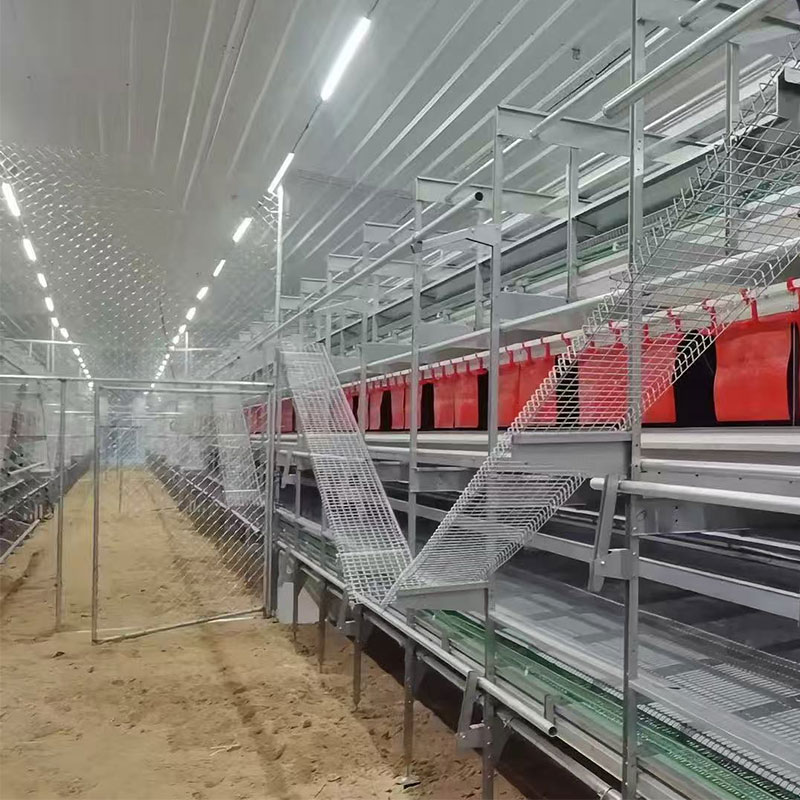
Tiered Systems: Multiple rows of small wire cages stacked vertically to maximize space in a barn.
Automation Integration: Designed for automated feeding, watering, and egg collection belts.
Space Efficiency: Allows for housing large numbers of hens in a controlled environment.
Considerations: Highly controversial due to severe space restrictions impacting natural behaviors (perching, dustbathing, nesting). Banned or phased out in many regions (EU, parts of the US) due to animal welfare legislation.
Purpose: A welfaremodified system for commercial egg laying.
Key Features:
More Space per Hen: Provides more room than traditional battery cages.
Essential Furnishings: Includes perches, a scratch area (often astroturf), and a private nesting box for egglaying.
Retains Automation: Still allows for automated systems while providing key behavioral outlets.
Best For: Commercial producers in regions where battery cages are banned but full freerange isn't feasible.
Purpose: Portable pasturebased housing for meat birds or layers.
Key Features:
Movable: Lightweight with wheels or skids; moved daily/weekly to fresh grass.
Open Floor: Typically has no floor or a wire base, allowing birds access to forage directly on the ground beneath.
Protection: Provides shelter from sun/rain and security from aerial predators at night.
Best For: Smallscale organic/pastured poultry operations focused on soil health and bird diet supplementation.
Purpose: Housing pullets (young hens) or meat birds (broilers) from the end of the brooder stage until maturity/processing.
Key Features:
Durable Construction: Built to withstand larger bird size and activity.
Adequate Space Allowance: Designed with industryrecommended square inches per bird for growth stage.
Ventilation & Feeding Access: Prioritizes good air flow and easy access to grower feed and water lines.
Purpose: For raising meat chickens (broilers) or housing parent stock flocks that produce fertile eggs.
Key Features:
HeavyDuty Build: Supports significant bird weight.
(For Breeders) Specialized Design: Often includes sloped floors for egg rollout collection nests to protect fertile eggs.
Choosing "a type" requires analyzing these interconnected factors:
| Flock Goal | Recommended Cage Type(s) | Key Consideration |
| : | : | : |
| Backyard Eggs (520 hens) | Large stationary coop with run, mobile tractor | Welfare & space over automation |
| SmallScale Commercial Eggs | Enriched colony cages, aviary/barn freerange systems | Balancing welfare standards with labor efficiency |
| Pastured Meat Birds | Mobile Aframe tractors | Portability frequency & predator proofing |
| Hatching Egg Production | Specialized breeder cages/floor systems | Egg collection efficiency & fertility rates |
Galvanized Steel Wire Mesh: Industry standard; resists rust from manure ammonia. Gauge thickness matters for durability against larger birds like broilers vs bantams
16gauge = lighter duty/smaller birds
14gauge = medium duty/layers
12gauge = heavy duty/broilers/breeders
10gauge = extra heavy duty/longterm use
This is paramount in modern poultry keeping:
1. Check local regulations regarding minimum space requirements per bird which vary by type/size/age/stage etc..
2. Provide opportunities within any system:
1. Perching space at night reduces stress/injury risk during roosting hours when they naturally seek higher ground away from potential threats below them such as rodents etc..
2 . Nesting areas give hens privacy leading up until after laying an egg which reduces floor eggs/cracked shells due being laid out in open areas where other hens may peck at them out curiosity/hunger etc..
3 . Scratch/dustbath areas allow expression innate grooming behaviors essential feather maintenance parasite control etc..
The cage design dictates your cleaning protocol:
For operations beyond backyard scale:
Selecting "a type chick cage" is far more than picking an enclosure; it's defining your approach to poultry husbandry itself—from ethical priorities like animal welfare standards set forth by organizations such as American Humane Certified program guidelines followed closely industry leaders today striving meet consumer demands transparency food production processes involved bringing products market shelves everywhere we shop now increasingly aware origins what eat daily basis affecting personal health environmental sustainability concerns growing importance public discourse surrounding agriculture future generations inherit planet Earth left behind us stewards land animals entrusted care during lifetimes spent working fields tending livestock including chickens worldwide popular source protein nutrition balanced diets recommended healthcare professionals universally accepted benefits lean white meat eggs packed vitamins minerals essential human body function optimally peak performance levels achievable proper dietary habits formed early childhood maintained adulthood senior years longevity sought after all people regardless cultural background geographical location socioeconomic status differences separating us common goal living healthy happy lives together peacefully coexisting nature harmony possible when make informed choices like which chicken cage use raising our flocks responsibly thoughtfully considering impacts decisions have wider world around us ultimately reflecting values hold dear heart mind soul collectively humanity shared experience life itself precious gift cherish protect always forevermore amen...
Here are answers to some of the most common questions people ask about chicken cages:
Galvanized steel wire mesh particularly hotdipped galvanization offers superior rust resistance compared electroplated versions withstand corrosive ammonia produced chicken manure ensuring structural integrity many years use even harsh environmental conditions high humidity coastal regions etc..
Minimum recommendations vary but generally accepted laying hen requires least 432 square inches floor space conventional cages while enriched/furnished systems require more approximately 750800 square inches include furnishings additionally free range systems recommend 12 square feet indoor space plus significant outdoor access pasture ranging 410 square feet per bird depending certification program standards followed exactly accordingly without deviation allowed audits conducted periodically ensure compliance maintained consistently overtime avoid penalties imposed regulatory bodies overseeing industry practices globally today...
No absolutely not advisable due several reasons including temperature requirements vastly different chicks need 95°F initially reduced 5°F weekly whereas adults comfortable around 7075°F also disease transmission risks higher vulnerable young immune systems developing fully yet plus bullying pecking order issues likely arise causing injury death smaller weaker individuals unable defend themselves adequately against larger older birds established hierarchy already place prior introduction newcomers disrupting social dynamics negatively impacting overall flock harmony productivity metrics measured regularly successful operations everywhere...
Primary differences lie animal welfare provisions battery cages bare wire small area only feeding drinking whereas enriched colonies provide perches nesting boxes scratch areas allowing expression natural behaviors consequently improved physical psychological wellbeing observed hens housed such environments reflected better feather condition reduced mortality rates overall happier healthier birds producing quality eggs sustainably overtime meeting consumer expectations ethically produced foods marketplace demanding higher standards transparency traceability supply chains end end visibility guaranteed independent verification processes place ensure claims made truthful accurate representation reality farm level conditions experienced animals daily basis...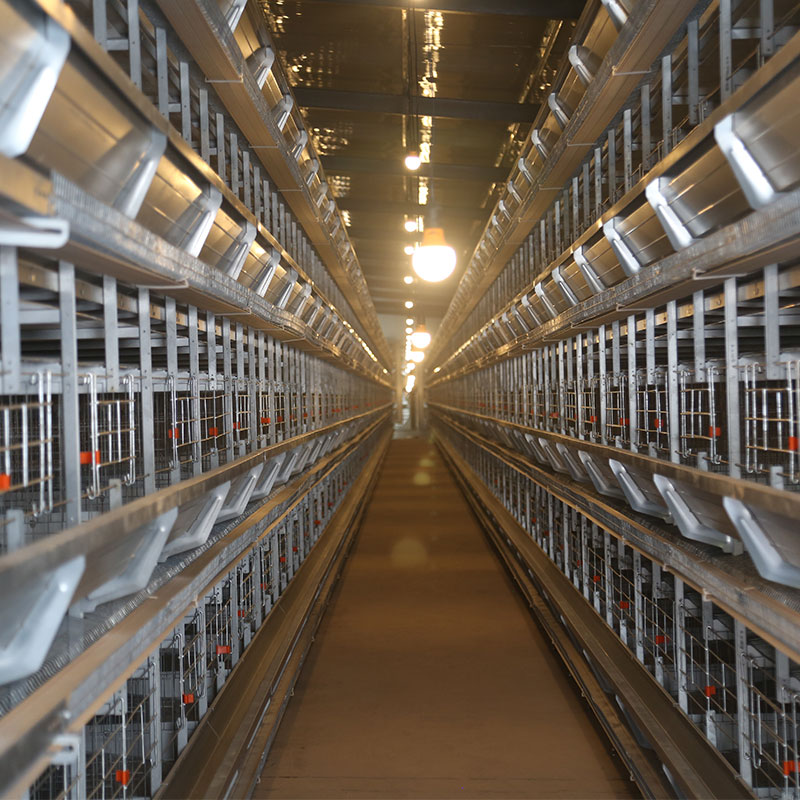
Daily tasks include removing soiled litter/waste trays refreshing waterers checking feeders full weekly tasks involve deeper cleaning scraping perches washing surfaces monthly complete cleanout disinfection recommended especially between batches flocks prevent disease carryover one group next biosecurity protocols strictly adhered minimize risk outbreaks devastating economic consequences potentially bankrupt business overnight if not managed proactively ahead time planning preparation key success any agricultural venture undertaken seriously committed achieving long term viability competitive marketplace evolving rapidly technological advancements shaping future farming methods continuously improving efficiencies across board everyone involved chain value addition process ultimately benefiting end consumer receiving superior product fair price point accessible majority population worldwide hunger alleviation goals set United Nations sustainable development agenda 2030 timeframe achievable collective effort collaboration stakeholders throughout sector working together common purpose vision better tomorrow generations come inherit legacy left behind today actions determine outcome future history books write about era lived through presently moment time fleeting precious resource cannot afford waste indecision procrastination instead must act decisively confidently knowledge gained guides path forward progress made step step journey thousand miles begins single step taken now right direction guided wisdom experience shared openly freely among community peers supporting each other growth development collectively stronger united purpose driving force change needed world see desired manifest reality lived everyday thank reading hope found information useful practical application own situation whatever may context applies uniquely individual circumstances faced personally wishing best luck endeavors ahead sincerely yours expert field dedicated advancing knowledge sharing empowering others achieve dreams aspirations related poultry agriculture broadly defined inclusive diverse perspectives enriching dialogue moving forward together stronger united common goals shared vision brighter future all...
1. Drinking system include the water pipes, water pressure adjuster, drinking nipples, Waterline front-end device, dosing system etc, choose them according to customer's needs.
2. High-quality water drinking pipes, pressure regulating valves and water drinking nipples can effectively prevent the water leakage. Drinking system adopt the closed piping system, which can minimize the water pollution.
3. 360-degree drinking nipples provide adequate drinking water for poultry at all stages.
4. The automatic drinking water system mainly adopts the steel ball drinking nipple. lt uses imported high-grad stainless steel, POM resin, and APS engineering material, which is wearing resistant, and the durability can be used for long time.



1. Automatic feeding machine can be chosen between gantry and ladder feeding machine. Gantry type feeding machine is a relatively economical and practical machine with simple operation, remote control walking character, easy to manage.
2. Mechanical transmission device running smoothly, low noise, long service life.
3. With the use of automatic control, the feeding system can adjust the amount of material.
4. Feeding with arched structure, high carrying capacity, not easily deformed.
5. Saving man power, saving feed, greatly improving the efficiency of Large-scale farming.
6. The walking speed of gantry feeding machine is 9--12 m/min.




1. Manure removing system included scraper type and conveyor belt type, Which can reduce the labor intensity and labor cost, keep the chicken shed dry and clean.
2. A type chicken cage can use scraper type or conveyor belt type.


3. The scraper type is suitable for A type cages, which can clean two or three rows. For the starters, this type is a good choice. lt can not only save some labor cost, but also save some investment in the whole project. The cleaning speed is 6-10 meters per minute.
4. Conveyor belt type is more suitable for large scale farming. The manure removing belt we use is high quality PP material (polypropylene). The walking speed is 2-4 meters per minute.



High Quality Pellets Made by Mobile Pellet Machine
1. It has professional designed angle of the blade. After the dynamic balance test one by one, the blade can operate smoothly.
2. The air volume is consistent in the whole life of the fan. Bearings has advantage of high strength, low noise, durable and so on.
1. The cooling pads uses high-quality wet curtain paper and adopts space cross-linking technology, which has the advantages of high water absorption, high water resistance, anti-toxicity and long service life.
2. The cooling efficiency is over 80%, without surfactant, natural water absorption, fast diffusion speed and long-lasting effect.
3. The product does not contain phenol and other chemical substances that are easy to cause skin allergies. It is non-toxic and harmless to the human body and chicken when installed and used. It is green, safe, energy-saving, environmentally friendly, economical, and easy to install.
4. The frame aluminum alloy has high strength, good corrosion resistance, durability and beautiful appearance.
5. Use a special filter for the cooling pad at the upper water to ensure clean water quality and support efficient water circulation components.
6. Combined with a negative pressure fan, it can effectively lower the indoor temperature.
The window is made of special selected high-quality engineering plastic, with high strength and long service life, together with superior anti-aging and anti-UV performance.
Function: Ventilation of the chicken house, usually used in the winter.
This system can adjust the wind speed and direction, thus the cold air will not reach chicken directly , which can effectively prevent the phenomenon of cold stress in chicken.
Environmental control system equipment is suitable for large-scale and intensive farming. According to customer requirements, we can provide various types of smart poultry equipment.
1. Our poultry management system is a modular system that manages all aspects of the chicken house, such as climate, temperature, humidity, ammonia, feeding, feed weighing, lighting and ventilation systems, and can monitor the situation of the chicken house in real time through a computer and mobile phone.
2. The management computer is the heart of the poultry farm, allowing you to easily monitor the entire poultry farm.

 WeChat:+8617838608255