A-Type Chicken Cage Systems: Maximizing Poultry Farming Efficiency
Poultry farmers constantly seek ways to improve productivity while maintaining bird health and reducing operational costs. A-Type chicken cage systems have emerged as a popular solution, offering a balance between space efficiency, ease of management, and cost-effectiveness. Unlike flat-floor or stacked battery cages, A-Type cages feature a tiered, triangular design that optimizes space without compromising ventilation or access.
Why Choose A-Type Cages?
1. Space Optimization
A-Type cages are designed in a triangular arrangement, with each tier angled to prevent waste from falling onto lower cages. This design allows farmers to house more birds per square meter compared to flat-floor systems. For example, a typical A-Type setup can accommodate 120–150 layers in a space that would otherwise hold only 80–100 in a conventional deep-litter system.
2. Improved Hygiene and Waste Management
Manure drops through the cage floors onto collection belts or pits, reducing direct contact between birds and waste. In a Nigerian farm trial, switching to A-Type cages lowered ammonia levels by 40% compared to deep litter, directly improving respiratory health in layers.
3. Better Egg Collection and Reduced Breakage
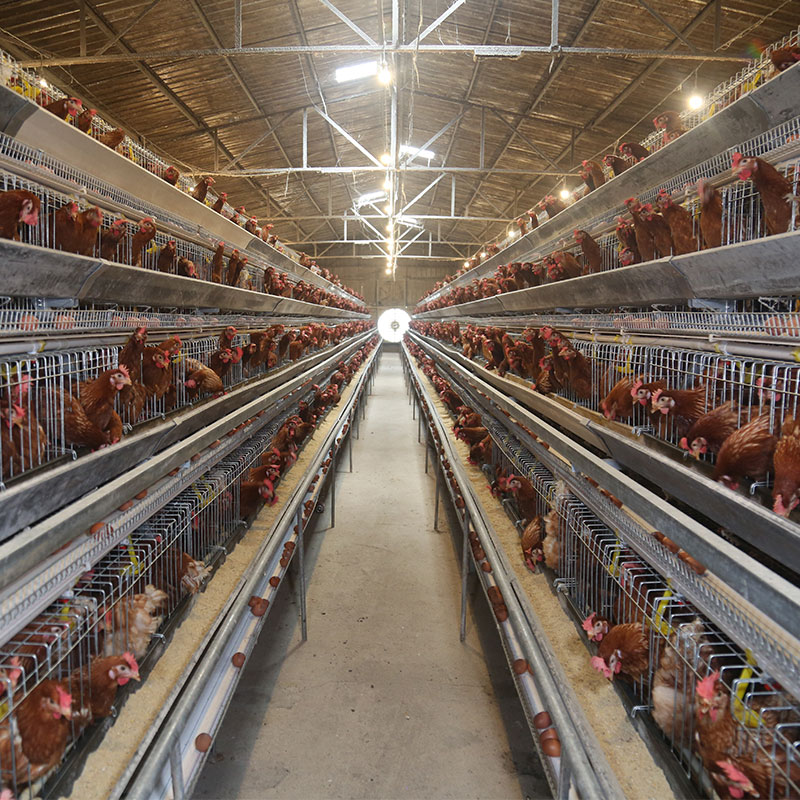
The sloped flooring in A-Type cages allows eggs to roll gently onto collection trays, minimizing handling damage. A Kenyan farm reported a 15% reduction in cracked eggs after transitioning from manual collection in open systems.
4. Enhanced Ventilation and Light Distribution
The open-tier structure ensures uniform airflow, preventing heat stress in tropical climates. In a Ghanaian installation, farmers noted a 20% drop in heat-related mortality during peak summer months.
Components of A-Type Cage Systems
1. Cage Frame and Support Structure
Galvanized steel frames resist rust and corrosion, crucial in humid environments. A well-built frame should last 10–15 years with minimal maintenance.

2. Feeding and Drinking Systems
- Nipple drinkers reduce water spillage—essential in water-scarce regions.
- Trough feeders run along each tier, allowing birds to eat without competition. Automated systems can cut labor costs by 30%.
3. Manure Removal Mechanisms
- Scraper belts (manual or automatic) clear waste daily.
- Deep pit systems store manure beneath cages for periodic removal.
4. Egg Collection Design
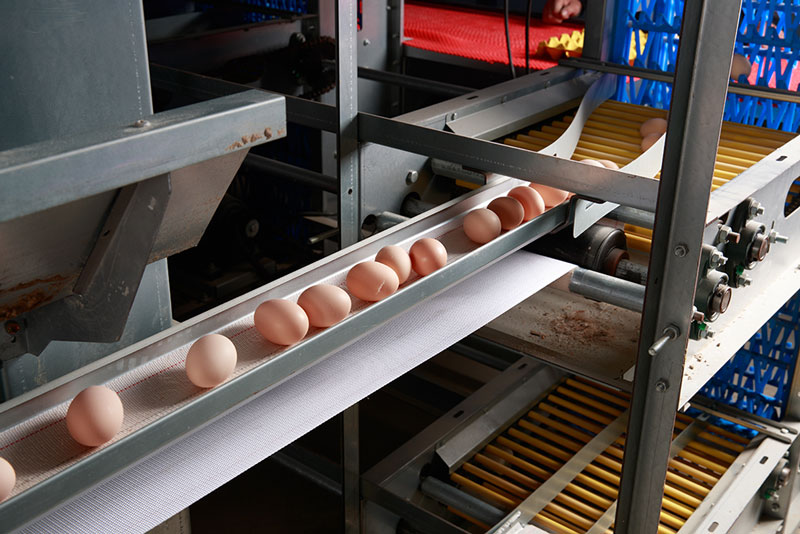
Roll-away egg trays should extend slightly to prevent eggs from piling up. Some systems include centralized conveyor belts for large-scale operations.
Practical Considerations Before Installation
1. Floor Space and Building Dimensions
A 3-tier A-Type system for 1,000 layers requires roughly 100–120 sq. meters, including walkways. Measure ceiling height—each tier needs 45–50 cm clearance.
2. Bird Density per Cage
- Layers: 3–4 birds per cage (cage size: 45cm x 50cm).
- Broilers: 8–10 birds per square meter (if using modified A-Type cages).
3. Climate Adaptations
- Hot regions: Open-sided housing with mesh walls improves airflow.
- Cold regions: Insulated roofing and partial side enclosures retain heat.
Common Mistakes to Avoid
1. Overcrowding – Exceeding recommended densities increases pecking and disease spread.
2. Poor Ventilation Planning – Inadequate spacing between cages leads to ammonia buildup.
3. Neglecting Manure Removal – Wet manure attracts flies and pathogens.
4. Weak Structural Support – Flimsy frames collapse under bird weight or wind pressure.
Cost Analysis: A-Type vs. Alternatives
| System Type | Initial Cost (1,000 birds) | Labor Cost (Annual) | Egg Breakage Rate |
||--|--|-|
| A-Type Cages | $8,000–$12,000 | $2,000 | 2–3% |
| Deep Litter | $3,000–$5,000 | $5,000 | 8–10% |
| Battery Cages | $10,000–$15,000 | $1,500 | 1–2% |
While A-Type cages have higher upfront costs than deep litter, they reduce long-term labor and mortality expenses.
Real-World Success Stories
- Uganda: A mid-scale farm increased egg production from 75% to 88% hen-day rate after switching to A-Type cages.
- Tanzania: A broiler farmer reduced feed wastage by 25% using trough feeders in modified A-Type setups.
Maintenance Tips for Longevity
1. Weekly: Inspect drinkers for leaks and feeders for blockages.
2. Monthly: Check frame bolts and tighten loose fittings.
3. Quarterly: Clean manure belts and replace worn-out nipple drinkers.
Final Thoughts
A-Type chicken cages offer a practical middle ground for farmers seeking efficiency without the high costs of fully automated systems. By optimizing space, improving hygiene, and reducing labor, they help poultry operations scale sustainably. Farmers must tailor designs to their flock size, climate, and budget—ensuring the system works for them, not against them.
1. Drinking system include the water pipes, water pressure adjuster, drinking nipples, Waterline front-end device, dosing system etc, choose them according to customer's needs.
2. High-quality water drinking pipes, pressure regulating valves and water drinking nipples can effectively prevent the water leakage. Drinking system adopt the closed piping system, which can minimize the water pollution.
3. 360-degree drinking nipples provide adequate drinking water for poultry at all stages.
4. The automatic drinking water system mainly adopts the steel ball drinking nipple. lt uses imported high-grad stainless steel, POM resin, and APS engineering material, which is wearing resistant, and the durability can be used for long time.



1. Automatic feeding machine can be chosen between gantry and ladder feeding machine. Gantry type feeding machine is a relatively economical and practical machine with simple operation, remote control walking character, easy to manage.
2. Mechanical transmission device running smoothly, low noise, long service life.
3. With the use of automatic control, the feeding system can adjust the amount of material.
4. Feeding with arched structure, high carrying capacity, not easily deformed.
5. Saving man power, saving feed, greatly improving the efficiency of Large-scale farming.
6. The walking speed of gantry feeding machine is 9--12 m/min.




1. Manure removing system included scraper type and conveyor belt type, Which can reduce the labor intensity and labor cost, keep the chicken shed dry and clean.
2. A type chicken cage can use scraper type or conveyor belt type.


3. The scraper type is suitable for A type cages, which can clean two or three rows. For the starters, this type is a good choice. lt can not only save some labor cost, but also save some investment in the whole project. The cleaning speed is 6-10 meters per minute.
4. Conveyor belt type is more suitable for large scale farming. The manure removing belt we use is high quality PP material (polypropylene). The walking speed is 2-4 meters per minute.



High Quality Pellets Made by Mobile Pellet Machine
1. It has professional designed angle of the blade. After the dynamic balance test one by one, the blade can operate smoothly.
2. The air volume is consistent in the whole life of the fan. Bearings has advantage of high strength, low noise, durable and so on.
1. The cooling pads uses high-quality wet curtain paper and adopts space cross-linking technology, which has the advantages of high water absorption, high water resistance, anti-toxicity and long service life.
2. The cooling efficiency is over 80%, without surfactant, natural water absorption, fast diffusion speed and long-lasting effect.
3. The product does not contain phenol and other chemical substances that are easy to cause skin allergies. It is non-toxic and harmless to the human body and chicken when installed and used. It is green, safe, energy-saving, environmentally friendly, economical, and easy to install.
4. The frame aluminum alloy has high strength, good corrosion resistance, durability and beautiful appearance.
5. Use a special filter for the cooling pad at the upper water to ensure clean water quality and support efficient water circulation components.
6. Combined with a negative pressure fan, it can effectively lower the indoor temperature.
The window is made of special selected high-quality engineering plastic, with high strength and long service life, together with superior anti-aging and anti-UV performance.
Function: Ventilation of the chicken house, usually used in the winter.
This system can adjust the wind speed and direction, thus the cold air will not reach chicken directly , which can effectively prevent the phenomenon of cold stress in chicken.
Environmental control system equipment is suitable for large-scale and intensive farming. According to customer requirements, we can provide various types of smart poultry equipment.
1. Our poultry management system is a modular system that manages all aspects of the chicken house, such as climate, temperature, humidity, ammonia, feeding, feed weighing, lighting and ventilation systems, and can monitor the situation of the chicken house in real time through a computer and mobile phone.
2. The management computer is the heart of the poultry farm, allowing you to easily monitor the entire poultry farm.

 WeChat:+8617838608255