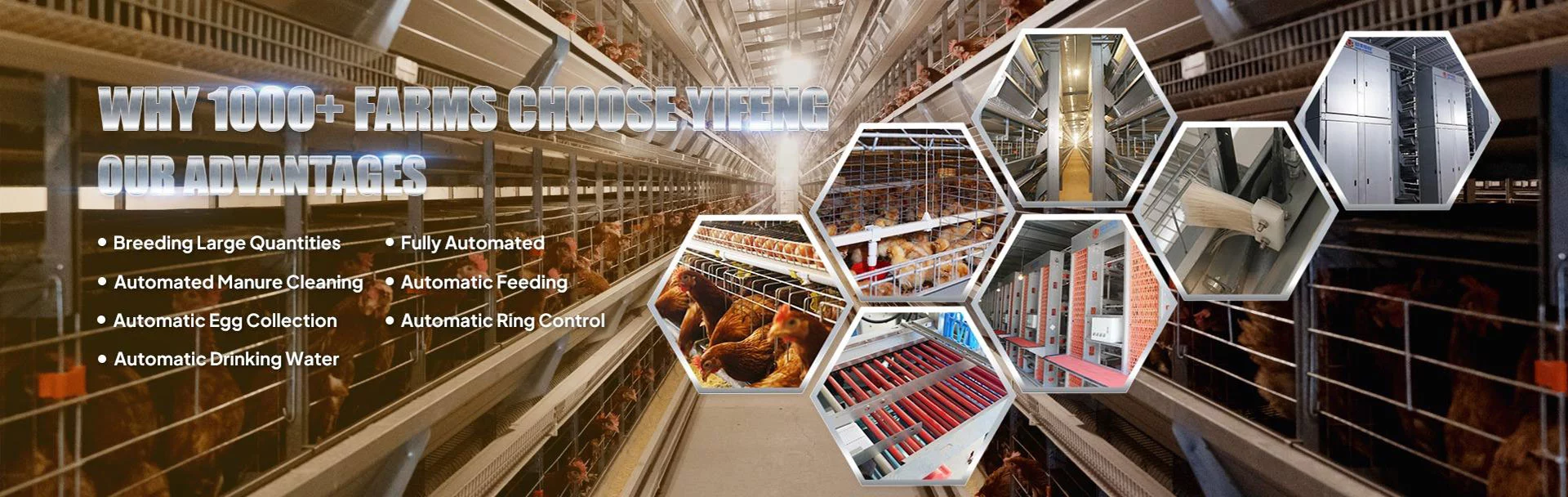
For poultry farmers watching feed costs climb while egg prices fluctuate, the physical layout of your layer operation isn’t just about housing birds—it’s the primary engine of your profitability. The choice of cage system dictates daily labor, bird health, feed conversion, and ultimately, the number of clean, saleable eggs entering your packing station. Among the various options, the A-Type commercial hen egg cage remains a dominant fixture in mid-to-large-scale operations for a reason. Its design, a seeming paradox of simple geometry and complex animal science, is built around one core principle: maximizing efficient production per square foot of barn space.
The “A-Type” name comes from the cage bank’s classic peaked-roof profile, resembling the letter ‘A’ from the end of an aisle. This is not merely an architectural whim. That slope is the most critical component of the egg collection system. Inside each tier, the cage floor is also sloped, though more gently. When a hen lays an egg, it rolls away from her, out of the reach of pecking and potential breakage, onto a continuous rubber egg belt running the length of the row. The peaked roof provides the necessary clearance for this belt to travel unimpeded, carrying a steady stream of eggs toward the collection end of the house. Compared to older systems where eggs rolled onto a central tray that required manual collection multiple times a day, this automated belt can be timed to run periodically, delivering eggs in bulk to a central point with minimal human handling. This single feature transforms a labor-intensive, twice-daily chore into a managed, periodic event, freeing up manpower for bird monitoring and maintenance tasks.
The “A-Frame” structure refers to the robust steel skeleton that supports this entire assembly. Think of it not as a collection of individual cages bolted together, but as a single, integrated piece of factory equipment. The frame must bear the immense weight of the hens, the feeding and watering systems, the manure drying plates, and the workers who perform routine inspections. A farmer once noted that a poorly galvanized frame will show its weakness not by collapsing, but by the constant need for re-leveling. If the structure is not perfectly level, the gentle floor slope meant for egg rolling becomes inconsistent. Eggs in one section may roll too slowly and get pecked, while in another, they may roll too fast and crack against the guard rail. The integrity of the A-frame is, therefore, the foundation of everything that follows.
Durability in the harsh environment of a poultry house is non-negotiable. The galvanization process, where the steel is coated in a layer of zinc, is what separates a cage system that lasts five years from one that lasts fifteen. This is not a superficial paint; it is a sacrificial layer that prevents rust. In practice, a farmer will judge this by looking at the welds. A clean, smooth weld that has been hot-dipped after fabrication will have a uniform, dull grey coating. A poorly made cage might have sharp, spattered welds that are only painted, which will chip and flake, allowing rust to set in around the most stressed points of the structure. That rust will weaken the metal and become a harbor for pathogens like bacteria and mites, creating a constant sanitation headache.
The internal configuration of the cages is where stockmanship meets engineering. The concept of “hen density” is often debated, but from a purely operational perspective, it’s a calculation of space allocation versus manageability. Each bird requires sufficient forward space to access the feed trough without excessive competition and enough headroom to stand comfortably. A cage designed for four hens might have a footprint of 20 inches by 19 inches. Overstocking it with five hens doesn’t just create a welfare issue; it creates a management one. The dominant hens will control the feeder line, leading to uneven feed intake and inconsistent egg size across the flock. The subordinate birds will have poorer shell quality and lower production. The correct stocking density ensures that when you walk the aisle, you see a uniform group of birds, all with similar body condition, which translates into a uniform carton of eggs for your customers.
The cage floor itself is a masterpiece of precision. It is made of strong, welded wire, typically sloped at an 8- to 10-degree angle. The wire gauge and mesh spacing are critical. The mesh must be small enough that a hen’s foot cannot get trapped, preventing bumblefoot, but large enough to allow manure to pass through freely. The slope is a delicate balance. Too steep, and the hens struggle to stand comfortably, leading to leg weakness and stress. Too shallow, and the eggs fail to roll away promptly, increasing the breakage rate from “floor eggs” within the cage. A farmer can test this during installation by placing an egg in an empty cage at the back; it should roll smoothly and consistently to the front without catching on welds or wire joints.

Beneath each tier lies another critical system: the manure drying plates. These are typically sheets of plastic or coated metal positioned at an angle to catch and hold the droppings from the cage above. Their function is to spread the manure into a thin layer, allowing maximum surface area for moisture evaporation from the air flowing through the house. Effective manure management is the frontline defense against ammonia control. When manure piles up thick and wet, it ferments and releases high levels of ammonia, which damages the birds’ respiratory tracts, making them susceptible to diseases like bronchitis and compromising their immune systems. A well-ventilated house working in concert with these drying plates will produce a crumbly, dry manure cake that is easier to handle, has less odor, and presents a much healthier environment for the birds. The difference is palpable; walking into a house with well-managed manure, the air is clearer, and the birds are quieter.
The feeding and watering systems are the arteries of the operation. The most common setup involves a chain-driven feeder that runs in a loop along the front of the cages. As the chain drags feed from a central hopper, it creates a moving buffet. This movement stimulates feeding activity and ensures the feed remains fresh and doesn’t separate. The key to a good feeder is adjustment. The gap between the feeder chain and the trough must be set correctly—too wide, and feed is wasted as birds flick it out; too narrow, and the chain grinds the feed into fine particles that the hens will reject. A farmer learns to listen to the feeder; a smooth, humming sound is ideal, while a grinding or clattering noise signals a need for adjustment.

Nipple watering systems have become the standard for their hygiene and water conservation. Each cage is equipped with one or two stainless-steel nipples. When a hen pecks at the pin, a droplet of water is released directly into her beak. This system keeps the water clean and prevents the spillage associated with cup or trough waterers. However, it demands vigilant management. The water pressure must be precisely calibrated. Too high, and the nipples leak, soaking the litter below and creating a wet manure problem. Too low, and the hens have to work too hard to get water, leading to dehydration and a immediate drop in egg production. A simple check is to watch the birds drink. They should trigger the nipple with a quick, confident peck, not a hesitant or frantic one. Regular flushing of the water lines is also essential to prevent biofilm buildup, which can harbor pathogens and block the nipples.
Egg collection via the central belt system is the payoff for all this infrastructure. The belts are typically made of a durable, non-abrasive plastic or rubber material. Their maintenance is straightforward but cannot be ignored. A misaligned belt will rub against the frame, wearing out prematurely and potentially scraping the eggs. A build-up of dried egg yolk or manure on the belt can create a rough surface that scratches eggs, downgrading their quality. Many modern systems include automatic washers that clean and dry the belts after each cycle, ensuring that every batch of eggs arrives at the collection table as clean as possible. This directly impacts grading efficiency; cleaner eggs require less washing, which preserves the egg’s natural protective bloom and can extend its shelf life.
The process of moving pullets into the layer house and then later depopulating the spent hens is a major event that the cage design must facilitate. The cages are designed with large, hinged doors. During pullet placement, birds are carefully hand-loaded into their assigned cages. The design of the door and the latch is more important than it seems. A latch that is difficult to operate will slow down the process and increase bird stress. A door that doesn’t stay securely closed can lead to escaped birds, which then cannot access feed or water. For depopulation, the entire system often integrates with automated harvesting. Special carts run on rails along the aisles, and workers can efficiently remove birds from the open cages directly into the carts for transport. The speed and low stress of this process are crucial for maintaining meat quality if the hens are destined for further processing.
While the operational benefits are clear, the economic calculation is what drives the investment. The initial capital outlay for an A-Type system is significant. It includes not just the cages, but the feeding, watering, ventilation, and egg collection systems that make it a complete unit. The return on this investment is realized through relentless efficiency. Labor costs are slashed. A single worker can manage tens of thousands of birds in a system where tasks are automated and centralized. Feed conversion is improved because waste is minimized by the controlled trough, and the birds use less energy for thermoregulation in a controlled environment. Egg breakage rates can be kept below 1%, compared to 3-5% or higher in less automated systems. This means more saleable eggs from the same amount of feed.
Furthermore, bird mortality is typically lower in a well-managed cage system. The controlled environment protects them from predators, reduces cannibalism and feather pecking through separation, and allows for precise health monitoring. A farmer can walk the aisles and quickly identify a sick bird by its drooping head or unkempt feathers, isolating it before an illness spreads. This lower mortality rate directly translates to more dozens of eggs sold over the life of the flock.
The decision to install or upgrade to an A-Type commercial layer system is a strategic one. It is a commitment to a model of production that prioritizes operational efficiency, product consistency, and bird health management at scale. Its success hinges not on the technology alone, but on the daily, detailed oversight of the farmer—the individual who listens to the feeder chain, checks the water pressure, observes the manure consistency, and watches the flow of eggs. The cage is the tool, but the skilled management of that intricate environment is what ultimately delivers a profitable and sustainable laying operation.
1. Drinking system include the water pipes, water pressure adjuster, drinking nipples, Waterline front-end device, dosing system etc, choose them according to customer's needs.
2. High-quality water drinking pipes, pressure regulating valves and water drinking nipples can effectively prevent the water leakage. Drinking system adopt the closed piping system, which can minimize the water pollution.
3. 360-degree drinking nipples provide adequate drinking water for poultry at all stages.
4. The automatic drinking water system mainly adopts the steel ball drinking nipple. lt uses imported high-grad stainless steel, POM resin, and APS engineering material, which is wearing resistant, and the durability can be used for long time.



1. Automatic feeding machine can be chosen between gantry and ladder feeding machine. Gantry type feeding machine is a relatively economical and practical machine with simple operation, remote control walking character, easy to manage.
2. Mechanical transmission device running smoothly, low noise, long service life.
3. With the use of automatic control, the feeding system can adjust the amount of material.
4. Feeding with arched structure, high carrying capacity, not easily deformed.
5. Saving man power, saving feed, greatly improving the efficiency of Large-scale farming.
6. The walking speed of gantry feeding machine is 9--12 m/min.




1. Manure removing system included scraper type and conveyor belt type, Which can reduce the labor intensity and labor cost, keep the chicken shed dry and clean.
2. A type chicken cage can use scraper type or conveyor belt type.


3. The scraper type is suitable for A type cages, which can clean two or three rows. For the starters, this type is a good choice. lt can not only save some labor cost, but also save some investment in the whole project. The cleaning speed is 6-10 meters per minute.
4. Conveyor belt type is more suitable for large scale farming. The manure removing belt we use is high quality PP material (polypropylene). The walking speed is 2-4 meters per minute.



High Quality Pellets Made by Mobile Pellet Machine
1. It has professional designed angle of the blade. After the dynamic balance test one by one, the blade can operate smoothly.
2. The air volume is consistent in the whole life of the fan. Bearings has advantage of high strength, low noise, durable and so on.
1. The cooling pads uses high-quality wet curtain paper and adopts space cross-linking technology, which has the advantages of high water absorption, high water resistance, anti-toxicity and long service life.
2. The cooling efficiency is over 80%, without surfactant, natural water absorption, fast diffusion speed and long-lasting effect.
3. The product does not contain phenol and other chemical substances that are easy to cause skin allergies. It is non-toxic and harmless to the human body and chicken when installed and used. It is green, safe, energy-saving, environmentally friendly, economical, and easy to install.
4. The frame aluminum alloy has high strength, good corrosion resistance, durability and beautiful appearance.
5. Use a special filter for the cooling pad at the upper water to ensure clean water quality and support efficient water circulation components.
6. Combined with a negative pressure fan, it can effectively lower the indoor temperature.
The window is made of special selected high-quality engineering plastic, with high strength and long service life, together with superior anti-aging and anti-UV performance.
Function: Ventilation of the chicken house, usually used in the winter.
This system can adjust the wind speed and direction, thus the cold air will not reach chicken directly , which can effectively prevent the phenomenon of cold stress in chicken.
Environmental control system equipment is suitable for large-scale and intensive farming. According to customer requirements, we can provide various types of smart poultry equipment.
1. Our poultry management system is a modular system that manages all aspects of the chicken house, such as climate, temperature, humidity, ammonia, feeding, feed weighing, lighting and ventilation systems, and can monitor the situation of the chicken house in real time through a computer and mobile phone.
2. The management computer is the heart of the poultry farm, allowing you to easily monitor the entire poultry farm.

 WeChat:+8617838608255