A Comprehensive Guide to AType Layer Cages: Maximizing Poultry Health and Productivity
For poultry farmers, the choice of housing system is one of the most critical decisions impacting animal welfare, operational efficiency, and ultimately, profitability. Among the various options, Atype layer cages stand out as a widely adopted and highly engineered solution for commercial egg production. But what exactly are they, and are they the right choice for your operation? This indepth guide moves beyond basic definitions to explore the engineering principles, welfare considerations, economic impacts, and best management practices associated with Atype layer cages. Whether you're a seasoned farmer evaluating an upgrade or new to the industry, understanding the nuances of this system is essential for making an informed, responsible investment.
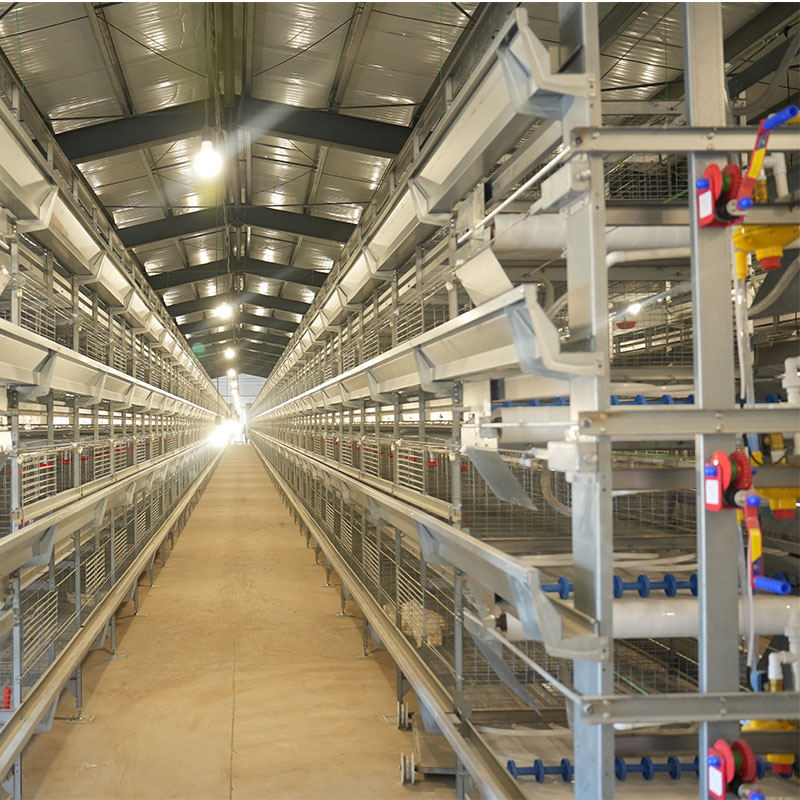
An Atype layer cage, often called a stairstep or battery cage system, is a multitiered housing structure where cages are arranged in rows on both sides of a central aisle, forming an "A" shape when viewed from the end. This design is fundamentally about space optimization within a poultry house.
Unlike flatdeck or stacked systems, the stepped design serves key functions:
Manure Management: Each tier is offset, allowing manure to drop directly from higher cages onto dropping boards or into manure belts below without soiling birds in lower tiers.
Improved Airflow: The open structure between tiers facilitates better ventilation at all levels.
Ease of Access: The central aisle allows workers to access both sides of each tier for bird inspection, egg collection (if manual), and maintenance.
A standard system includes the cage itself (equipped with feed troughs, nipple drinkers, and egg rollout trays), a robust support frame, and integrated systems for feeding, watering, egg collection (often via belts), and manure removal.
The widespread use of Atype cages in commercial settings is driven by several tangible benefits that align with operational goals.
The high degree of automation possible with these systems dramatically reduces labor requirements. Automated belt feeders ensure consistent nutrition delivery. Nipple drinking lines provide clean water on demand. Most critically, automated egg collection belts gently transport eggs from each cage to a central collection point, minimizing breakage and handling time. Similarly, continuous manure belts keep the environment cleaner and simplify waste management.
By separating birds from their feces via dropping boards or belts, Atype cages significantly reduce the risk of fecaloral transmission of parasites (like coccidia) and bacterial diseases. This controlled environment makes disease outbreaks less frequent and easier to manage when they occur.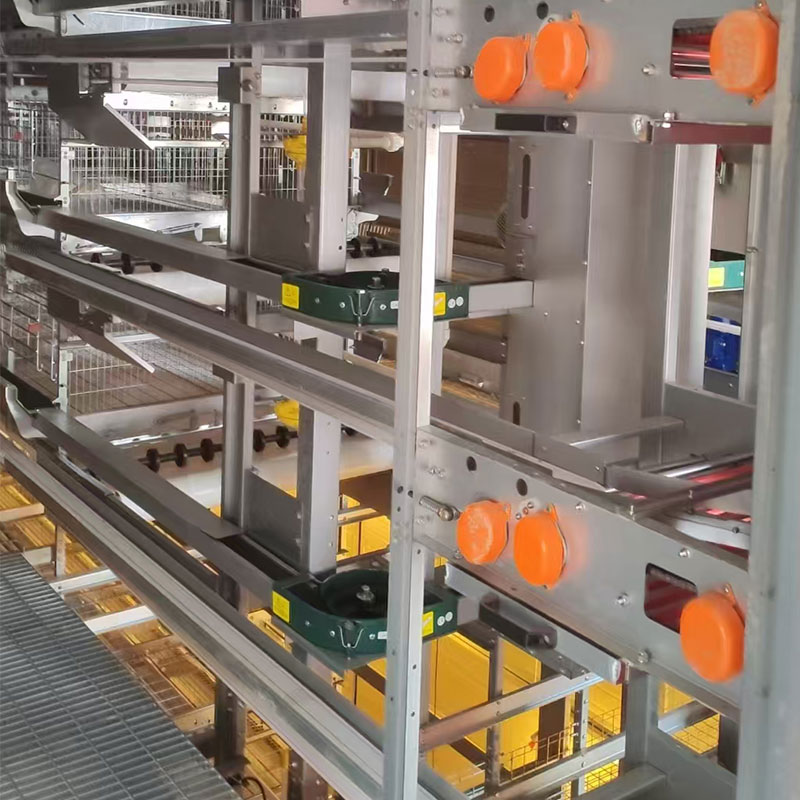
The restricted movement of caged hens results in lower energy expenditure compared to freerange systems. This energy is redirected towards egg production, leading to a more favorable Feed Conversion Ratio—meaning less feed is required to produce a dozen eggs.
For a given floor space of a poultry house, Atype cages allow for a greater number of birds by utilizing vertical space effectively. This maximizes capital investment in housing infrastructure.
Eggs roll away immediately upon laying onto a sloped floor or into an egg saver rim. This minimizes contact with birds and manure, resulting in cleaner eggs with fewer cracks and lower bacterial contamination (like Salmonella).
The use of any cage system necessitates a serious commitment to animal welfare. Public perception and regulatory environments are shifting globally. It's crucial to understand both concerns and modern responses.
Common Welfare Concerns:
Restricted Movement: Hens cannot perform natural behaviors like wingflapping, dustbathing perching fully.
Lack of Nesting Space: No private area for laying can cause stress.
Bone Weakness: Lack of weightbearing exercise can lead to osteoporosis.
Modern Advancements & Best Practices:
Modern enriched colony cages or modified Atype designs address many concerns by providing:
Increased Space Allowance: Perbird space is increasing due to standards like United Egg Producers (UEP) Certified guidelines.
Provision for Natural Behaviors: Adding perches allows roosting; scratch pads satisfy foraging instincts; nest areas provide seclusion for laying.
Precision Environment Control: Advanced systems precisely manage light cycles (critical for hen physiology), temperature humidity via sensors ensuring comfort.
Responsible management—including meticulous flock health monitoring proper staff training—is nonnegotiable regardless system design
Selecting right equipment requires careful evaluation beyond initial price tag Consider this checklist:
| Factor | Considerations | Questions to Ask Suppliers |
| : | : | : |
| Bird Space & Group Size | Compliance with local laws welfare codes; small group vs large colony | What is cm²/bird provided? Is it designed enriched features? |
| Automation Level | Feed water egg collection manure removal fully partially automated? | What brand components used reliability service support availability? |
| Construction Quality | Galvanization coating wire gauge durability against corrosion rust | What is galvanization thickness expected lifespan frame mesh? |
| System Flexibility | Ability adjust height tiers accommodate different bird sizes breeds | Can tier spacing be modified easily future flock changes? |
| Vendor Reputation Support | Installation training aftersales service spare parts availability | Can you provide references existing clients similar scale project? |
Successful implementation hinges on daily management protocols:
1. Flock Monitoring: Conduct twicedaily walks observe bird behavior alertness comb color assess health status regularly weigh sample birds track uniformity.
2. Environmental Control: Maintain optimal temperature (2024°C) relative humidity (4070%) prevent heat cold stress Ensure consistent ventilation removes ammonia moisture dust.
3. Lighting Management: Implement controlled light programs stimulate peak production typically 1416 hours light day using timers dimmers avoid sudden changes cause stress.
4. Preventive Maintenance: Schedule weekly monthly checks all mechanical parts—feed motors belt tension drinker lines—prevent catastrophic failures disrupt production.
5. Record Keeping Meticulous records feed consumption water intake mortality rates egg production quality essential identifying trends making datadriven decisions.
Initial investment significant but must viewed longterm context:
Capital Expenditure (CapEx): Includes cost cages automation systems installation higher than barn freerange systems.
Operational Expenditure (OpEx): Typically lower due reduced labor costs improved FCR higher stocking density per building square meter.
Return on Investment (ROI) generally achieved through sustained high productivity reduced losses disease mortality improved egg quality commanding premium prices markets valuing food safety consistency Payback periods vary but often range 35 years wellmanaged largescale operations
Atype layer cages represent sophisticated tool modern egg production offering undeniable efficiencies biosecurity benefits However their future inextricably linked evolving animal welfare standards consumer preferences Industry moving towards enriched systems provide greater behavioral freedom while retaining management advantages Ultimately success lies not just equipment chosen but commitment exceptional stockmanship proactive welfare management continuous improvement Whether you adopt this system exploring alternatives like aviaries understanding its principles essential navigating complex landscape sustainable profitable poultry farming
Q1: What exactly does "Atype" mean in layer cages?
A1: The term "Atype" refers physical shape arrangement multitiered cage rows Viewed end rows resemble letter "A" due stepped design where each tier set back from one below allowing manure fall clear creating central walkway access both sides tiers
Q2: Are Atype layer cages banned some countries?
A2: Yes certain countries regions particularly European Union have banned conventional battery cages based welfare concerns EU directive since 2012 permits only enriched colony cages provide specific amenities like perch nest box scratching area Many retailers globally also committing cagefree supply chains driving industry change
Q3: How many hens typically housed single Atype cage unit?
A3: Group size varies widely Older conventional models might house 510 birds Modern enriched colony systems often designed larger groups sometimes up 6080 hens per compartment but with significantly more space per bird total including enrichments crucial factor number not itself but space allowance facilities provided comply relevant regulations
Q4: What main differences between conventional enriched colony cage?
A4: Conventional cage primarily wire enclosure feed water Enriched colony cage sometimes called furnished provides additional features mandated law certain markets include nesting area private enclosed space laying perch elevated roosting area scratching pad allow dustbathing behavior also provides more vertical horizontal space per hen overall
Q5 How often should manure removed from belt system under Atype cages
A5 Frequency depends system design climate Typically automated manure belts run daily multiple times day removing waste continuously from poultry house preventing ammonia buildup maintaining air quality Some operations remove solid waste weekly while belts move daily prevent accumulation best practice consult manufacturer guidelines specific setup local environmental conditions
Q6 Can use pullets raised floor system into Atype layer cages
A6 Possible but requires careful management Pullets raised floor systems not accustomed navigating cage structures especially accessing nipple drinkers recommended transfer pullets rearing system mimics layer cage environment including drinker type height Training period necessary ensure all birds find food water immediately after transfer minimize stress production delays
Q7 What average lifespan wellmaintained Atype cage system
A7 Lifespan heavily depends construction quality galvanization thickness maintenance practices environmental conditions inside house Highquality galvanized steel systems proper care last 1520 years Regular inspection replacement worn parts like plastic components drinker nipples essential achieving full lifespan potential
Q8 Do chickens suffer more stress in these cages compared freerange
A8 Stress factors differ each system Cages protect predators parasites offer consistent food water reduce social competition larger flocks However they restrict natural behaviors can lead frustration if not properly enriched Freerange systems offer behavioral freedom but expose birds weather predators disease challenges require different management skills Welfare outcome depends overwhelmingly quality management within chosen system not system alone
Q9 How calculate required floor space my shed install these cages
A9 Calculation involves multiple steps Determine total usable shed area excluding service aisles etc Choose specific cage model note its footprint including its share central aisle Based manufacturer specifications bird capacity per unit calculate total number units fit Then multiply units by bird capacity verify complies legal space allowances per bird always consult layout planning expert vendor accurate assessment
Q10 Are there automation options available smallscale farmers
Yes manufacturers offer semiautomated scalable solutions smaller operations might include automated feeding manual egg collection vice versa Key prioritize investments based labor availability cost local market Starting partial automation adding later viable strategy manage initial capital outlay
1. Drinking system include the water pipes, water pressure adjuster, drinking nipples, Waterline front-end device, dosing system etc, choose them according to customer's needs.
2. High-quality water drinking pipes, pressure regulating valves and water drinking nipples can effectively prevent the water leakage. Drinking system adopt the closed piping system, which can minimize the water pollution.
3. 360-degree drinking nipples provide adequate drinking water for poultry at all stages.
4. The automatic drinking water system mainly adopts the steel ball drinking nipple. lt uses imported high-grad stainless steel, POM resin, and APS engineering material, which is wearing resistant, and the durability can be used for long time.



1. Automatic feeding machine can be chosen between gantry and ladder feeding machine. Gantry type feeding machine is a relatively economical and practical machine with simple operation, remote control walking character, easy to manage.
2. Mechanical transmission device running smoothly, low noise, long service life.
3. With the use of automatic control, the feeding system can adjust the amount of material.
4. Feeding with arched structure, high carrying capacity, not easily deformed.
5. Saving man power, saving feed, greatly improving the efficiency of Large-scale farming.
6. The walking speed of gantry feeding machine is 9--12 m/min.




1. Manure removing system included scraper type and conveyor belt type, Which can reduce the labor intensity and labor cost, keep the chicken shed dry and clean.
2. A type chicken cage can use scraper type or conveyor belt type.


3. The scraper type is suitable for A type cages, which can clean two or three rows. For the starters, this type is a good choice. lt can not only save some labor cost, but also save some investment in the whole project. The cleaning speed is 6-10 meters per minute.
4. Conveyor belt type is more suitable for large scale farming. The manure removing belt we use is high quality PP material (polypropylene). The walking speed is 2-4 meters per minute.



High Quality Pellets Made by Mobile Pellet Machine
1. It has professional designed angle of the blade. After the dynamic balance test one by one, the blade can operate smoothly.
2. The air volume is consistent in the whole life of the fan. Bearings has advantage of high strength, low noise, durable and so on.
1. The cooling pads uses high-quality wet curtain paper and adopts space cross-linking technology, which has the advantages of high water absorption, high water resistance, anti-toxicity and long service life.
2. The cooling efficiency is over 80%, without surfactant, natural water absorption, fast diffusion speed and long-lasting effect.
3. The product does not contain phenol and other chemical substances that are easy to cause skin allergies. It is non-toxic and harmless to the human body and chicken when installed and used. It is green, safe, energy-saving, environmentally friendly, economical, and easy to install.
4. The frame aluminum alloy has high strength, good corrosion resistance, durability and beautiful appearance.
5. Use a special filter for the cooling pad at the upper water to ensure clean water quality and support efficient water circulation components.
6. Combined with a negative pressure fan, it can effectively lower the indoor temperature.
The window is made of special selected high-quality engineering plastic, with high strength and long service life, together with superior anti-aging and anti-UV performance.
Function: Ventilation of the chicken house, usually used in the winter.
This system can adjust the wind speed and direction, thus the cold air will not reach chicken directly , which can effectively prevent the phenomenon of cold stress in chicken.
Environmental control system equipment is suitable for large-scale and intensive farming. According to customer requirements, we can provide various types of smart poultry equipment.
1. Our poultry management system is a modular system that manages all aspects of the chicken house, such as climate, temperature, humidity, ammonia, feeding, feed weighing, lighting and ventilation systems, and can monitor the situation of the chicken house in real time through a computer and mobile phone.
2. The management computer is the heart of the poultry farm, allowing you to easily monitor the entire poultry farm.

 WeChat:+8617838608255