The Complete Guide to Automatic Broiler Cage Systems: Efficiency, Welfare & ROI
The modern poultry industry stands at a crossroads, balancing the relentless demand for affordable protein with rising concerns over animal welfare, operational costs, and environmental impact. Enter the automatic broiler cage system—a technological leap that is transforming how farmers raise chickens for meat. Far more than just a set of enclosures, these integrated systems represent a sophisticated approach to automation, datadriven management, and controlledenvironment agriculture. This comprehensive guide delves deep into the mechanics, benefits, and considerations of automatic broiler cages, providing poultry farmers and industry stakeholders with the expert insights needed to make informed decisions for a sustainable and profitable future.
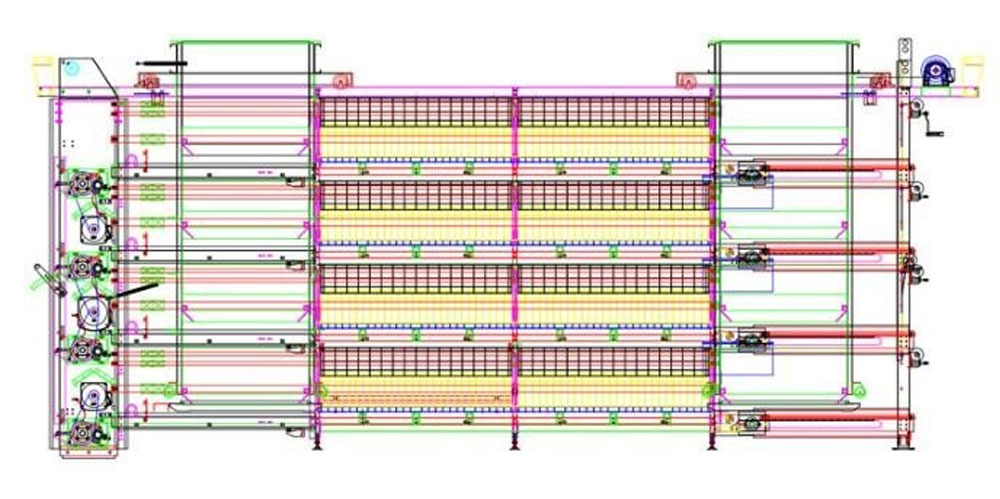
An automatic broiler cage system is a highly mechanized housing solution designed for the efficient rearing of broiler chickens from dayold chicks to processing weight. Unlike traditional floor rearing or simple cages, these systems integrate multiple automated functions into a single, controlled environment.
The core principle is the vertical integration of space (often 35 tiers) combined with automation of critical tasks. Key automated components typically include:
Feed Delivery: Automated chain or pan feeder systems distribute feed on a programmed schedule.
Watering: Nipple drinking lines provide constant access to clean water.
Manure Removal: Continuous belt cleaners beneath each tier remove manure, which can be dried and processed.
Climate Control: Integrated ventilation, heating, cooling, and humidity control systems.
Egg Collection (for breeder flocks): In breeding setups, belts automatically collect eggs.
Monitoring Systems: Sensors track temperature, humidity, feed/water consumption, and bird activity.
Understanding the synergy between components is key to appreciating the system's efficiency.
Modern broiler cages are engineered for bird safety and workflow efficiency. They are typically made from galvanized steel for durability and corrosion resistance. Designs prioritize:
Tiered Layout (AType or HType): Maximizes floor space utilization.
Bird Density: Compliant with animal welfare regulations (e.g., providing minimum square cm per bird).
Flooring: Slatted or wire mesh flooring allows manure to pass through while providing secure footing.
Access Doors: Facilitate easy catching during harvest and health inspections.
This is the "brain" and "muscles" of the operation.
| System Component | Function | Key Benefit |
| : | : | : |
| Automated Feeding | Delivers precise feed amounts via augers or chains to troughs accessible from each cage. | Reduces feed waste by up to 15%, ensures consistent nutrition access. |
| Automated Drinking | Nipple drinkers connected to a central water line with pressure regulators. | Improves water hygiene, reduces spillage and litter moisture. |
| Automatic Manure Belt | Belts run periodically beneath each tier to remove droppings to a central collection point. | Drastically improves air quality (ammonia control), separates manure for easy management. |
| Environmental Control | Computercontrolled fans, inlets, heaters, evaporative coolers, and alarms. | Creates optimal growth conditions yearround; reduces heat stress mortality. |
| Central Control Panel | The user interface for monitoring and programming all automated functions. | Enables precision management and remote monitoring via smartphone/PC. |
From chick placement to harvest, the process is streamlined:
1. Placement: Dayold chicks are placed into the prewarmed cages.
2. Daily Operation: The system runs on its programmed schedule—feeding, watering, ventilating, and cleaning manure.
3. Monitoring: The farmer oversees via control panel alerts and performs health checks.
4. Harvesting: At target weight (usually 57 weeks), birds are manually or semiautomatically removed from cages for transport.
The shift towards automation is driven by tangible benefits that impact the bottom line and operational stability.
This is arguably the most significant advantage over openfloor systems.
Reduced Disease Transmission: Birds have limited contact with their manure due to rapid removal by belt systems. This dramatically lowers the incidence of coccidiosis, bacterial infections like E.coli, and parasitic infestations.
Controlled Environment: Precise climate control minimizes stress from temperature fluctuations and drafts.
Isolation Capability: Sick birds can be more easily identified and isolated within smaller cage groups.
Automation directly addresses labor shortages and rising wage costs.
Drastic Labor Reduction: Tasks like manual feeding, watering scooping,and litter management are eliminated.One worker can manage significantly more birds.
Consistency & Reliability: Machines operate on time 24/7,freed from human error or schedule variance.This leads to more uniform bird growth.
FCR—the kg of feed needed to produce 1kg of live weight—is the holy grail of profitability.Automated cages consistently improve FCR by:
1. Minimizing feed spillage onto dirty litter.
2. Reducing energy expenditure—birds expend less energy staying warm (due to better climate control)or competing for food/water.
3. Providing uniform access to nutrients.The result is faster growthtotarget weight using less feed,a direct cost savings.
Automatic manure belts transform waste from a problem into a potential resource.
Manure is removed daily in a relatively dry state.
It can be easily collected,pelletized,and sold as organic fertilizer.This creates an additional revenue stream.
Dry manure management drastically cuts ammonia emissions inside the house(improving air quality for birdsand workers)and reduces odor emissions to the external environment.
Transitioningto an automatic broiler cage systemis amajor capital decision.Here arethe essential factors toevaluate:
These systems require significant upfront investment comparedto conventional setups.A detailed Return on Investment(ROI)analysis must accountfor:
System purchaseand installationcosts.
Expected savingsin laborfeed,and medication.
Potential increasesin production throughput(possibility formore cycles per year).
Potential premiumfor improvedwelfare certification.
ROI periods typically range from3to6years dependingon scaleand local economic conditions.
Welfare regulationsare evolvingglobally.Itis imperative thatthe selectedcage system meetsor exceedslocaland targetmarket standards(e.g.,EU directives,BRA standards,RSPCA assured).
Key welfare pointsinclude:
Providing adequate spaceper bird(enrichments may berequired).
Ensuring allbirdshave unobstructed accesstofeedand waterlines.
Design thatprevents injuryand allowsfor natural behaviorslike standingstretching.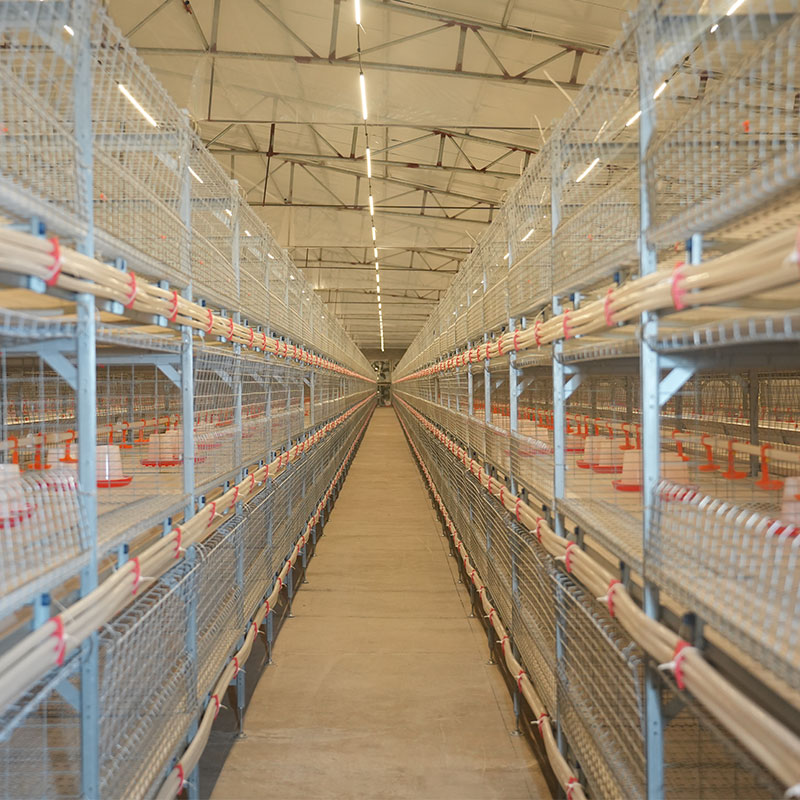
Market perceptionis also crucial.Some retailersor consumersmay have policies against"caged"poultry.Clear communication aboutthe welfarebenefits(biosecurityclimate controletc.)of modern automatedsystems versusconventional crowdingis necessary.
Automatedsystems shiftlaborfrom manual choresto technical oversight.Farm staffneed trainingin:
Operatingand troubleshootingthe control software.
Performingpreventive maintenanceon motorsbeltsandsensors.
Interpretingdatafromthe monitoring systems toprevent issues.Areliable powersupplyand backupgeneratorare essentialto prevent catastrophic failuresduring outages.
It's importanttodistinguishbroilercagesfrom other housing types:
| Feature | Automatic Broiler Cage System | Conventional Deep Litter System | Commercial Aviary System |
| : | : | : | : |
| Primary UseBroilersBroilersLaying HensSpace UtilizationVery High(VerticalModerate(Low(VerticalLabor RequirementLowHighModerateHighBiosecurity LevelVery HighLowModerateModerateFeed Conversion RatioTypically BestVariableTypically HigherManure ManagementEasy,DryDifficult,WetModerateAnimal Welfare PerceptionControversialTraditionalBetter for layersCapital InvestmentVery HighLowModerateHigh |
Note:Aviarysystemsare primarily designedfor laying hensto expresstheir natural perchingand nesting behaviors;theyare nottypically usedfor commercialbroiler production.
The decisionto investinan automaticbroilercagesystemis notonesizefitsall.It representsa strategic movetowardsprecision livestock farmingwith compelling benefitsin biosecurityresource efficiencyandenvironmental control.For largescaleoperations facinglabor challengesand seekingmaximized production predictability,the investmentcanbe transformativeHoweverit demandssignificant capitaltechnical adaptationanda proactive approachto welfare communication
For smaller farmsor thoseprimarily servingniche marketsdirectly opposedtocagehousingthe deep litteror other alternative systemsmay remainmore suitable.Ultimatelysuccess hingesona thorough analysisof your specific financial realitiesmarket requirementsanda longterm commitmentto managingthis advanced technological tool responsiblyandeffectively
Q1: Are automatic broiler cages considered cruel?
A: Modern,welfarecompliant automatic cage systems are designed with animal wellbeing in mind.They provide consistent access to foodand waterprotect birdsfrom diseases intheir own manureand maintaina comfortable climate.The debate often centers on space allowance versus these health benefits.Reputable manufacturers adheretostrict spaceper bird regulations setby governing bodies
Q2:Whatisthe typical lifespanofan automaticbroilercagesystem?
A: With proper maintenance,the galvanized steel structurecan last1520 years.Automated componentslike feedersdrinkersmotorsandsensorsmay requirepart replacementsor overhaulsevery510 yearsdependingon usageandreventive care
Q3:How muchlabordoesitsavecomparedtodeep litter?
A:Labor savingscanbe substantial.Ona perbird basisautomated cagescanreduce daily handson laborby6080%.Tasks shiftfrom physical feedinglitter managementetc.tomonitoringmachineryand performinghealth checks
Q4:Canyouuseautomaticcagesfororganicbroilerproduction?
A:Organic certification standardsvaryby countrybut often require"access toooutdoors."Fully enclosedautomatedcage systemstypically donotmeetthis requirement.Alway consultyour localorganic certifying bodyforspecific regulations
Q5:What happensduringapower outage?
A:A backupgeneratoriscritical.Mostmodernsystemshave alarmsthattriggerduringpower failure.The generator should automatically starttopower ventilationfeed/water systemsand lightingtoprevent bird lossdueto heatstressorsuffocationwithin minutes
Q6:Whatisthe optimalstockingdensityina broilercage?
A:Densityis governedby law(e.g.,in many regionsit's around3036 kg/m²liveweightat harvest).Always followlocalwelfare regulations.The exactnumberofbirdsper cage compartmentdependsonthe target harvestweightand theregulated areaper birdprovidedby themanufacturer's design
Q7:How doyouprevent breast blistersorhock burnsin cages?
A:Proper floordesigniscrucial.Manufacturers usemesh sizesthatprovide supportwhile allowingmanuretopass through.Keepingmanurebelts runningfrequently ensuresdroppingsdon'tbuildupandincrease moisture/direct contactMaintainingoptimal humidityalsoreducesskin wetnessrelated issues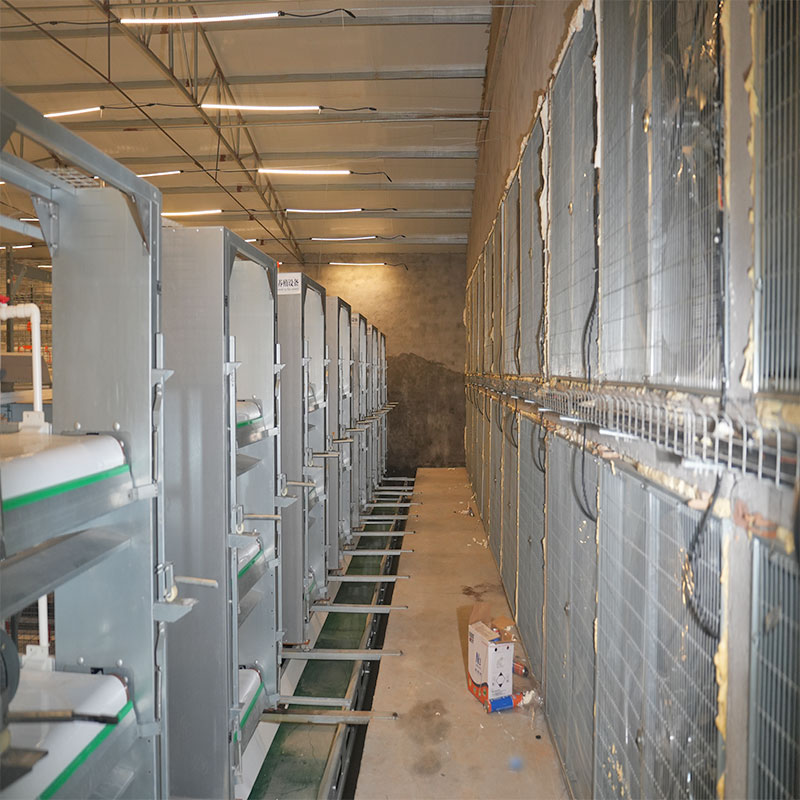
Q8:Aretheredifferent typesofautomatedfeeding systemsincages?
A:Yes.The twomaintypesarechain feeders(a looped chainina troughthatcirculatesfeed)andpan feeders(feedisdroppedinto individual pansateach cage).Chain feedersaresimplerwhile panfeederscanallowformore precisefeedingcontrolper tierlevel
Q9:Canyou retrofit anexistingpoultry housetoholdanautomaticcagesystem?
A:Possiblybut itrequirescareful evaluation.The existingbuildingmusthave adequatestructural strengthforthe multitierweightsufficient ceiling height(usually >4meters)and properlayoutforaccessmanureremoval beltsetc.A site surveyby asupplier engineeris essentialbefore proceedingwitharetrofit project
1. Drinking system include the water pipes, water pressure adjuster, drinking nipples, Waterline front-end device, dosing system etc, choose them according to customer's needs.
2. High-quality water drinking pipes, pressure regulating valves and water drinking nipples can effectively prevent the water leakage. Drinking system adopt the closed piping system, which can minimize the water pollution.
3. 360-degree drinking nipples provide adequate drinking water for poultry at all stages.
4. The automatic drinking water system mainly adopts the steel ball drinking nipple. lt uses imported high-grad stainless steel, POM resin, and APS engineering material, which is wearing resistant, and the durability can be used for long time.



1. Automatic feeding machine can be chosen between gantry and ladder feeding machine. Gantry type feeding machine is a relatively economical and practical machine with simple operation, remote control walking character, easy to manage.
2. Mechanical transmission device running smoothly, low noise, long service life.
3. With the use of automatic control, the feeding system can adjust the amount of material.
4. Feeding with arched structure, high carrying capacity, not easily deformed.
5. Saving man power, saving feed, greatly improving the efficiency of Large-scale farming.
6. The walking speed of gantry feeding machine is 9--12 m/min.




1. Manure removing system included scraper type and conveyor belt type, Which can reduce the labor intensity and labor cost, keep the chicken shed dry and clean.
2. A type chicken cage can use scraper type or conveyor belt type.


3. The scraper type is suitable for A type cages, which can clean two or three rows. For the starters, this type is a good choice. lt can not only save some labor cost, but also save some investment in the whole project. The cleaning speed is 6-10 meters per minute.
4. Conveyor belt type is more suitable for large scale farming. The manure removing belt we use is high quality PP material (polypropylene). The walking speed is 2-4 meters per minute.



High Quality Pellets Made by Mobile Pellet Machine
1. It has professional designed angle of the blade. After the dynamic balance test one by one, the blade can operate smoothly.
2. The air volume is consistent in the whole life of the fan. Bearings has advantage of high strength, low noise, durable and so on.
1. The cooling pads uses high-quality wet curtain paper and adopts space cross-linking technology, which has the advantages of high water absorption, high water resistance, anti-toxicity and long service life.
2. The cooling efficiency is over 80%, without surfactant, natural water absorption, fast diffusion speed and long-lasting effect.
3. The product does not contain phenol and other chemical substances that are easy to cause skin allergies. It is non-toxic and harmless to the human body and chicken when installed and used. It is green, safe, energy-saving, environmentally friendly, economical, and easy to install.
4. The frame aluminum alloy has high strength, good corrosion resistance, durability and beautiful appearance.
5. Use a special filter for the cooling pad at the upper water to ensure clean water quality and support efficient water circulation components.
6. Combined with a negative pressure fan, it can effectively lower the indoor temperature.
The window is made of special selected high-quality engineering plastic, with high strength and long service life, together with superior anti-aging and anti-UV performance.
Function: Ventilation of the chicken house, usually used in the winter.
This system can adjust the wind speed and direction, thus the cold air will not reach chicken directly , which can effectively prevent the phenomenon of cold stress in chicken.
Environmental control system equipment is suitable for large-scale and intensive farming. According to customer requirements, we can provide various types of smart poultry equipment.
1. Our poultry management system is a modular system that manages all aspects of the chicken house, such as climate, temperature, humidity, ammonia, feeding, feed weighing, lighting and ventilation systems, and can monitor the situation of the chicken house in real time through a computer and mobile phone.
2. The management computer is the heart of the poultry farm, allowing you to easily monitor the entire poultry farm.

 WeChat:+8617838608255