The morning feed run used to take two hours. By the time you finished the last row, the birds at the beginning were already done, some already pushing at empty troughs, others not having gotten their fair share. The uneven growth rates, the feed wastage from frantic competition, the labor—it was the accepted grind of broiler farming. That model is now obsolete.
The automatic broiler cage system represents a fundamental shift from managing a flock to managing an environment. It is a controlled ecosystem where every variable—feed, water, light, air, and waste—is precisely regulated by integrated mechanics and smart software. This isn't merely a set of cages; it's a production facility engineered to remove unpredictability and maximize the genetic potential of the modern broiler bird.
The Core Components: A Symphony of Automation
An automatic system functions through the seamless interaction of several key components. Understanding how they work together reveals the true power of the technology.
The Cage Structure and Tier Design
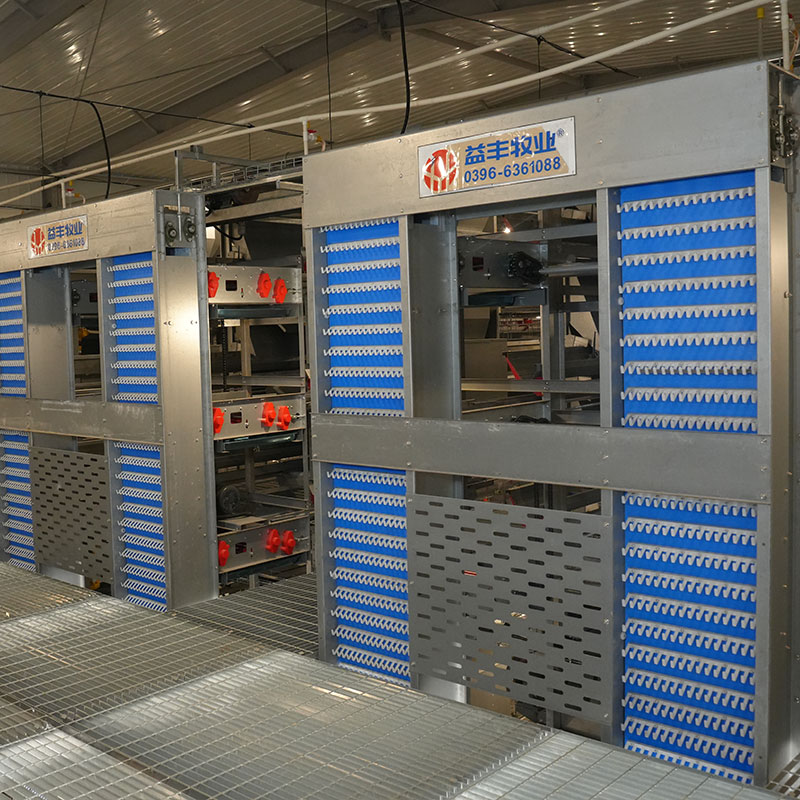
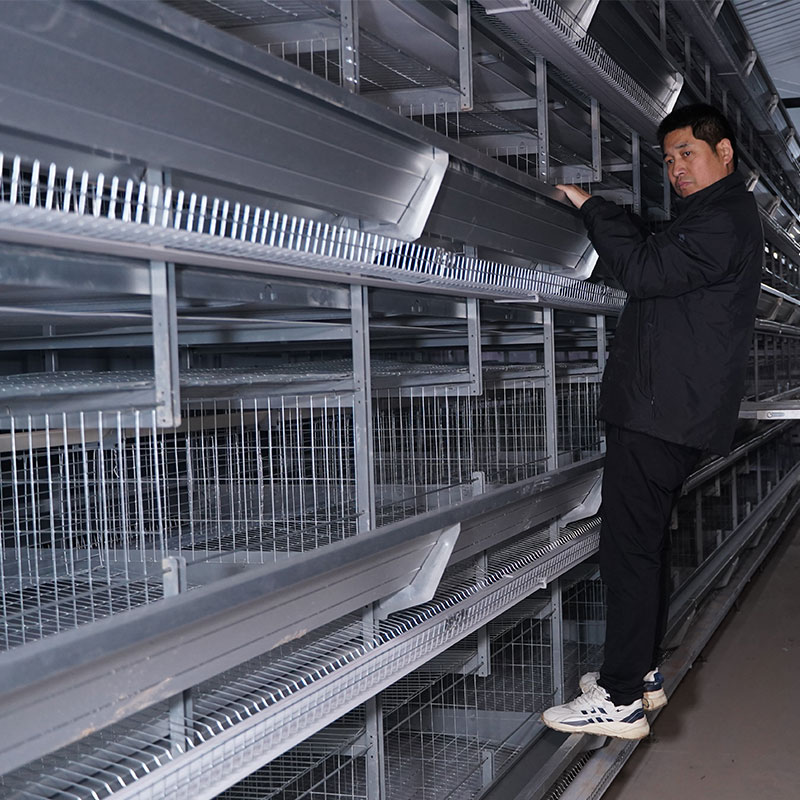
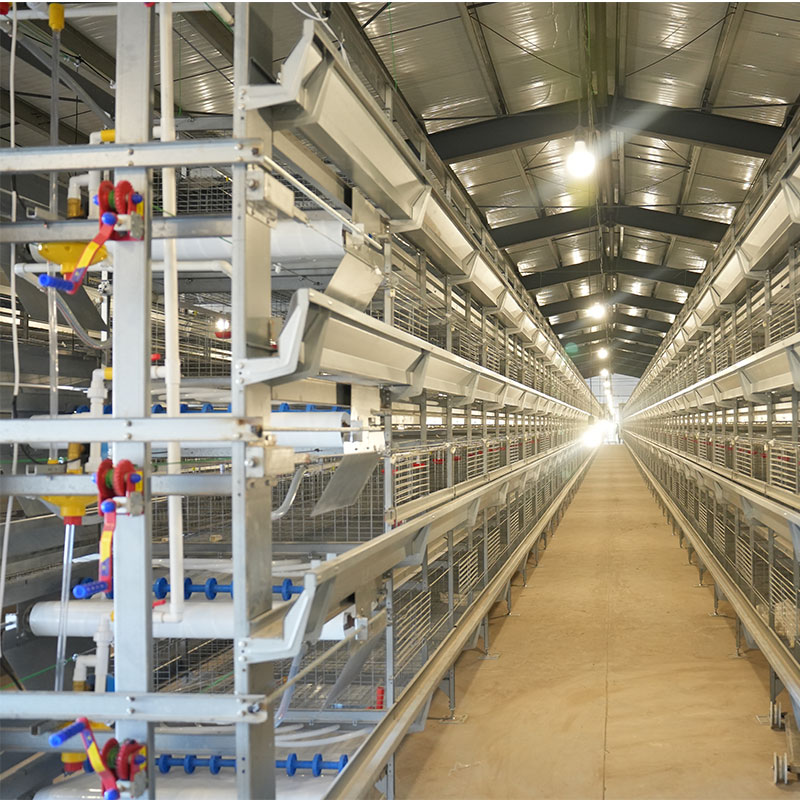
Gone are the single-level floor pens. Modern systems are vertical, typically three or four tiers high. This isn’t just about saving floor space; it’s about creating micro-environments. Each tier is its own zone. The steel cages are designed with sloping wire floors. When a bird defecates, the manure doesn’t pile up beneath them. It drops through the wire, away from the birds, onto a manure belt or into a deep pit below. This is the first and most critical step in improving hygiene and foot pad health. You’re no longer raising birds on their own waste.
The Feeding System: Precision Delivery
This is the heart of the system’s efficiency. A central feed silo, often located outside the house, holds tons of feed. An auger, a long rotating screw inside a tube, runs the length of each row of cages, connected to a trough in front of every cage.
Here’s the magic: instead of you dumping feed, a motorized trolley runs along the top of the cages on a track. At programmed intervals, this trolley activates the augers. It doesn’t just run constantly; it pulses. As the trolley moves, it precisely meters out a fresh, small amount of feed into the troughs along its entire path. Think of it like a slow, continuous rain of feed rather than a flood.
The result is profound. Birds have constant access to fresh feed without the ability to waste it by flicking it out of a pan. There’s no frantic rush because the feed supply is reliable and consistent. You’ll notice a dramatic change in flock uniformity; the smaller, weaker birds get to eat in peace alongside their more aggressive pen-mates. The system also tells you how much feed has been consumed, right down to the kilogram, for each house and each day, turning feeding from a chore into a data point.
The Watering System: Cleanliness on Tap
If feed is the heart, water is the lifeblood. Nipple drinkers are standard. These are not the cup or bell drinkers that can become contaminated with litter and feed. Each cage has several nipples. A bird must peck at the pin in the nipple to release a droplet of water directly into its beak. This keeps the water clean and contained. It doesn’t spill into the manure system below, which is crucial. Wet manure is a problem; it creates ammonia, clogs belts, and promotes disease.
The water lines are part of a closed-loop system. They can be connected to dosers that automatically administer vaccines, vitamins, or medications through the water, ensuring every bird gets the correct dose at the right time without the stress of handling.
The Manure Handling System: Managing the Byproduct
This is where the hygiene promise is fulfilled. There are two primary designs:
1. Manure Belts: A continuous, slow-moving belt runs beneath each tier of cages. It operates on a timer, removing solid waste from the house once or twice a day. This waste is deposited into a trailer or a central collection point. The house air remains drier, and ammonia levels are kept extremely low. This is a major advantage for bird respiratory health and overall welfare.
2. Deep Pit: The cages are installed over a concrete pit, several meters deep. Manure drops into this pit and is allowed to dry over the grow-out period. Powerful ventilation air is drawn down through the cages, drying the manure in the pit and further suppressing ammonia. After the birds are harvested, the dry manure is removed in one go. This method requires robust ventilation but minimizes daily mechanical operation.
The choice between belt and pit depends on local climate, labor availability, and how you intend to handle or sell the manure byproduct.
The Ventilation and Climate Control System
A packed house with thousands of birds generates immense heat and moisture. The automatic system cannot function without a brain to manage this environment. This is handled by a climate computer.
This computer is connected to a network of sensors that monitor temperature at bird level, humidity, static pressure, and carbon dioxide levels. It doesn’t just react; it anticipates. Based on the set parameters for the birds’ age and outside weather conditions, it automatically controls:
Extraction fans: How many are running and at what speed.
Inlet openings: Precisely how open the fresh air inlets are to create the right airspeed and pattern across the ceiling.
Heaters and cooling pads: Maintaining the exact temperature range.
For example, on a cold night, the computer might run just one fan at minimum speed and cycle the heaters. On a hot afternoon, it will open the cooling pads, run all fans at full capacity, and even turn on misters if equipped. The farmer sets the parameters, and the system executes the plan 24/7, creating a stable, stress-free environment that promotes optimal feed conversion and growth.
The Tangible Benefits: From Theory to Bottom Line
The justification for investing in an automatic cage system is found in the concrete improvements to productivity, bird welfare, and operational control.
Dramatically Improved Feed Conversion Ratio (FCR)
This is the most significant financial driver. FCR is the measure of how many kilograms of feed it takes to produce one kilogram of live bird weight. In floor systems, FCR is compromised by feed wastage (birds spilling it, walking on it, soiling it), uneven feed access, and the energy birds expend moving around a large space.
The automatic cage system attacks all three. There is virtually no physical wastage. Every bird has equal access to feed 24 hours a day. Their movement is restricted to essential activities—eating, drinking, and resting—so all their feed energy goes toward growth. It is common to see FCR improvements of 5-10 points or more. Saving 0.05 or 0.10 points on FCR across tens of thousands of birds translates into tens of thousands of dollars saved per year on feed costs alone.
Superior Flock Uniformity
Uniformity—having birds that are all the same size and weight at processing—is critical for meeting contract specifications and maximizing income. The automated feeding system is the great equalizer. It eliminates competition. The shy bird eats as much as the dominant one. When the flock is harvested, the percentage of underweight or overweight birds that are penalized is drastically reduced. You deliver a more consistent, higher-value product.
Enhanced Biosecurity and Animal Health
By separating the bird from its manure, you break the cycle of disease and parasite transmission. The incidence of coccidiosis, worms, and bacterial infections like E. coli plummets. Better air quality means fewer respiratory issues like ascites. Cleaner nipple drinkers reduce the spread of water-borne pathogens. The reduced need for medication lowers costs and aligns with consumer demands for reduced antibiotic use. The controlled environment also acts as a physical barrier against wild birds, rodents, and other external disease vectors.
Radical Reduction in Labor Requirements
The automation of feeding, watering, and manure cleaning transforms the labor model. One person can manage several houses that previously required multiple workers. The work becomes more skilled: monitoring computer readouts, checking equipment, and observing bird behavior rather than performing back-breaking manual tasks. This not only cuts wage costs but also solves the growing challenge of finding reliable farm labor. It allows the farmer to focus on management and strategic decision-making.
Maximized Land and Resource Efficiency
A tiered cage system can house significantly more birds in the same building footprint compared to a floor system. This increases the revenue potential per square meter of farm space. It also leads to more efficient use of resources like energy for heating and ventilation, as the birds are concentrated in a controlled space.
Considerations and Management Shifts
Adopting this technology is not without its challenges and requires a new mindset.
The Significant Capital Investment
The upfront cost is the largest barrier. A fully automated broiler cage system represents a major capital outlay for the structure, equipment, and installation. This requires careful financial planning and often financing. The return on investment must be calculated over the long term through the savings in feed, labor, and medication, and the increased revenue from higher production and better-quality birds.
The Need for Technical Proficiency
A farmer can no longer just be a stockman. They must become a manager of technology. Understanding the climate computer, troubleshooting an auger motor, calibrating feed sensors, and interpreting data are now core skills. Reliable electricity and backup power systems are non-negotiable; a power outage can be catastrophic without generators. A relationship with a skilled technical support service for the equipment is essential.
Bird Welfare and Behavioral Considerations
The industry and public are increasingly focused on animal welfare. While cages offer clear health benefits, they also restrict natural behaviors like foraging, dustbathing, and full wing-flapping. It is imperative to source cages designed with bird welfare in mind: sufficient space per bird, appropriate perch and enrichment provisions, and designs that prevent injuries. Proactive monitoring for issues like breast blisters or hock burns is critical, as these can become concentrated in poorly managed systems. The farmer’s skill in reading the birds and adjusting the system’s parameters is key to their well-being.
The Infrastructure Demands
The system requires robust infrastructure. The building must be specifically designed for the load and layout of the cages. High-capacity electrical systems are needed to run motors, fans, and computers. Water pressure and quality must be consistent for the nipple systems to function properly.
The transition to an automatic broiler cage system is a strategic decision to move from artisanal farming to precision livestock production. It is a capital-intensive, technology-driven model that demands more from the farmer in terms of technical knowledge and financial management. In return, it delivers unprecedented control over the production environment, driving efficiency to levels impossible to achieve on the floor. It turns the daily guesswork of traditional farming into a data-driven process where outcomes are predictable, optimized, and profitable. For the forward-thinking poultry farmer, it is not just an equipment upgrade; it is the foundation for a sustainable and competitive future.
1. Drinking system include the water pipes, water pressure adjuster, drinking nipples, Waterline front-end device, dosing system etc, choose them according to customer's needs.
2. High-quality water drinking pipes, pressure regulating valves and water drinking nipples can effectively prevent the water leakage. Drinking system adopt the closed piping system, which can minimize the water pollution.
3. 360-degree drinking nipples provide adequate drinking water for poultry at all stages.
4. The automatic drinking water system mainly adopts the steel ball drinking nipple. lt uses imported high-grad stainless steel, POM resin, and APS engineering material, which is wearing resistant, and the durability can be used for long time.



1. Automatic feeding machine can be chosen between gantry and ladder feeding machine. Gantry type feeding machine is a relatively economical and practical machine with simple operation, remote control walking character, easy to manage.
2. Mechanical transmission device running smoothly, low noise, long service life.
3. With the use of automatic control, the feeding system can adjust the amount of material.
4. Feeding with arched structure, high carrying capacity, not easily deformed.
5. Saving man power, saving feed, greatly improving the efficiency of Large-scale farming.
6. The walking speed of gantry feeding machine is 9--12 m/min.




1. Manure removing system included scraper type and conveyor belt type, Which can reduce the labor intensity and labor cost, keep the chicken shed dry and clean.
2. A type chicken cage can use scraper type or conveyor belt type.


3. The scraper type is suitable for A type cages, which can clean two or three rows. For the starters, this type is a good choice. lt can not only save some labor cost, but also save some investment in the whole project. The cleaning speed is 6-10 meters per minute.
4. Conveyor belt type is more suitable for large scale farming. The manure removing belt we use is high quality PP material (polypropylene). The walking speed is 2-4 meters per minute.



High Quality Pellets Made by Mobile Pellet Machine
1. It has professional designed angle of the blade. After the dynamic balance test one by one, the blade can operate smoothly.
2. The air volume is consistent in the whole life of the fan. Bearings has advantage of high strength, low noise, durable and so on.
1. The cooling pads uses high-quality wet curtain paper and adopts space cross-linking technology, which has the advantages of high water absorption, high water resistance, anti-toxicity and long service life.
2. The cooling efficiency is over 80%, without surfactant, natural water absorption, fast diffusion speed and long-lasting effect.
3. The product does not contain phenol and other chemical substances that are easy to cause skin allergies. It is non-toxic and harmless to the human body and chicken when installed and used. It is green, safe, energy-saving, environmentally friendly, economical, and easy to install.
4. The frame aluminum alloy has high strength, good corrosion resistance, durability and beautiful appearance.
5. Use a special filter for the cooling pad at the upper water to ensure clean water quality and support efficient water circulation components.
6. Combined with a negative pressure fan, it can effectively lower the indoor temperature.
The window is made of special selected high-quality engineering plastic, with high strength and long service life, together with superior anti-aging and anti-UV performance.
Function: Ventilation of the chicken house, usually used in the winter.
This system can adjust the wind speed and direction, thus the cold air will not reach chicken directly , which can effectively prevent the phenomenon of cold stress in chicken.
Environmental control system equipment is suitable for large-scale and intensive farming. According to customer requirements, we can provide various types of smart poultry equipment.
1. Our poultry management system is a modular system that manages all aspects of the chicken house, such as climate, temperature, humidity, ammonia, feeding, feed weighing, lighting and ventilation systems, and can monitor the situation of the chicken house in real time through a computer and mobile phone.
2. The management computer is the heart of the poultry farm, allowing you to easily monitor the entire poultry farm.

 WeChat:+8617838608255