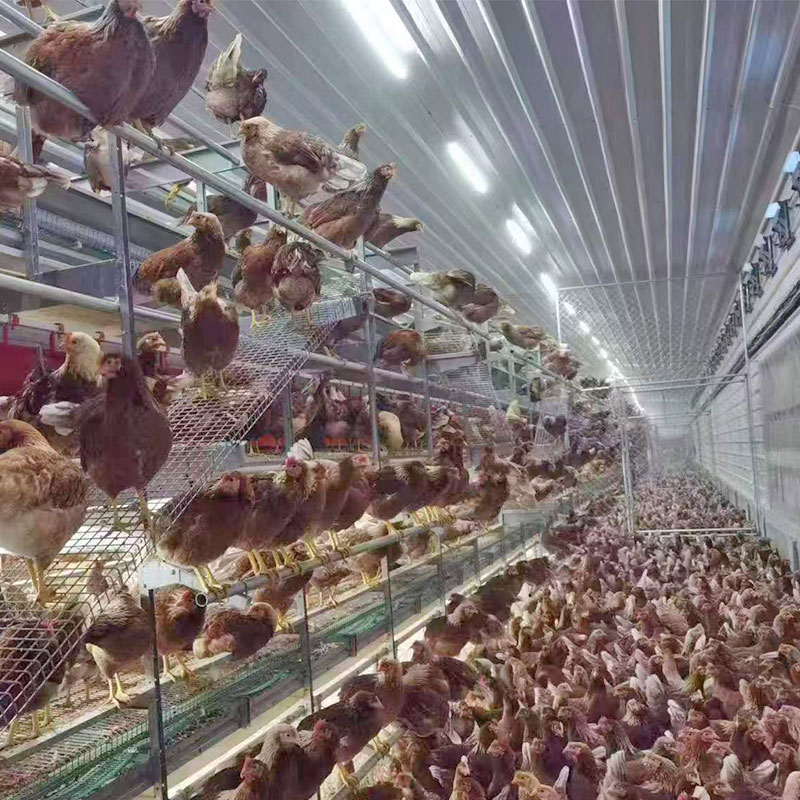
The Ultimate Guide to Automatic Chicken Feeding Systems: Freedom, Efficiency & Healthier Flocks
For poultry keepers, the daily ritual of feeding is both a joy and a commitment. But what if you could ensure your flock is fed consistently, reduce waste, and gain the freedom to be away from the coop without worry? Enter the automatic chicken feeding system—a technological solution transforming backyard chicken care and commercial operations alike. This comprehensive guide delves deep into the world of automated feeders. We’ll explore how they work, their undeniable benefits, key features to consider, and provide practical advice to help you select and optimize the perfect system for your flock’s needs. Whether you're a weekend homesteader or a serious poultry farmer, understanding this tool is key to achieving greater efficiency and flock wellbeing.
An automatic chicken feeder is a device designed to store and dispense feed to poultry without requiring daily manual intervention. These systems range from simple gravityfed tubes to sophisticated, programmable units integrated with timers and sensors.
The functionality can be broken down into three primary mechanisms:
1. GravityFed Systems: The simplest type. Feed is stored in a hopper and flows down into a trough by gravity as chickens eat. They are reliable, have no moving parts, but offer less control over portioning.
2. AugerDriven Systems: A motor turns a spiral auger (like a large screw) that moves feed from a central storage bin through a tube to one or multiple dispensing points. This allows for feed to be transported over distances and is ideal for larger coops or runs.
3. Chain/Dish Systems: A motor pulls a chain through a trough, dragging fresh feed along its length. These are common in long, linear coops for larger flocks.
Investing in an automated system offers multifaceted advantages:
Consistent Feeding Schedule: Chickens thrive on routine. Automated timers dispense feed at the same times daily, reducing stress and promoting natural behavior.
Substantial Feed Savings: By controlling portions and protecting feed from the elements, spoilage, and pests (like wild birds and rodents), these systems can reduce waste by 20% or more.
Unmatched Convenience & Freedom: Enjoy weekends away or busy workdays without arranging chicken care. Your flock remains fed on schedule.
Improved Flock Health: Reduced contamination from feces (as chickens aren't walking in open troughs) and consistent nutrition lead to healthier birds.
Scalability: Perfect for scaling your operation. What works for 5 hens can be adapted for 50 with the right system.
Not all automatic feeders are created equal. Use this checklist to evaluate options based on your specific situation.
Match the hopper size to your flock's consumption rate.
| Flock Size (Standard Hens) | Recommended Minimum Hopper Capacity | Notes |
| : | : | : |
| 36 Hens | 1015 lbs (4.57 kg) | Sufficient for 57 days |
| 612 Hens | 2030 lbs (914 kg) | Ideal for weekly refills |
| 1225 Hens | 4060 lbs (1827 kg) | Commercialgrade; may need weatherproofing |
| 25+ Hens | 100+ lbs (45+ kg) or Multiple Units | Look at farmscale systems with augers |
BatteryPowered: Offers flexible placement but requires monitoring and replacement. Look for lowpower indicators.
SolarPowered: A sustainable hybrid option, often with battery backup for cloudy days.
AC/PlugIn: Most reliable for timerbased systems but requires safe outdoor wiring.
Manual/Gravity Only: Zero power needs, utmost reliability, but no timed dispensing.
The build quality is nonnegotiable.
Material: UVstabilized, heavyduty plastic or galvanized steel resists weather and determined beaks.
Sealing: Gasketed lids and tight seams are critical to keep out moisture, rats, and sparrows.
Trough Design: Look for grill guards or treadle plates that allow chicken access while blocking larger pests.
From simple to smart:
Basic Timers: Set 14 feeding times per day with portion duration (e.g., spin auger for 15 seconds).
Digital Controllers: Allow precise clock settings and portion control.
"Smart" Features: Some connect via WiFi to smartphone apps, allowing remote feeding control and notifications when feed is low.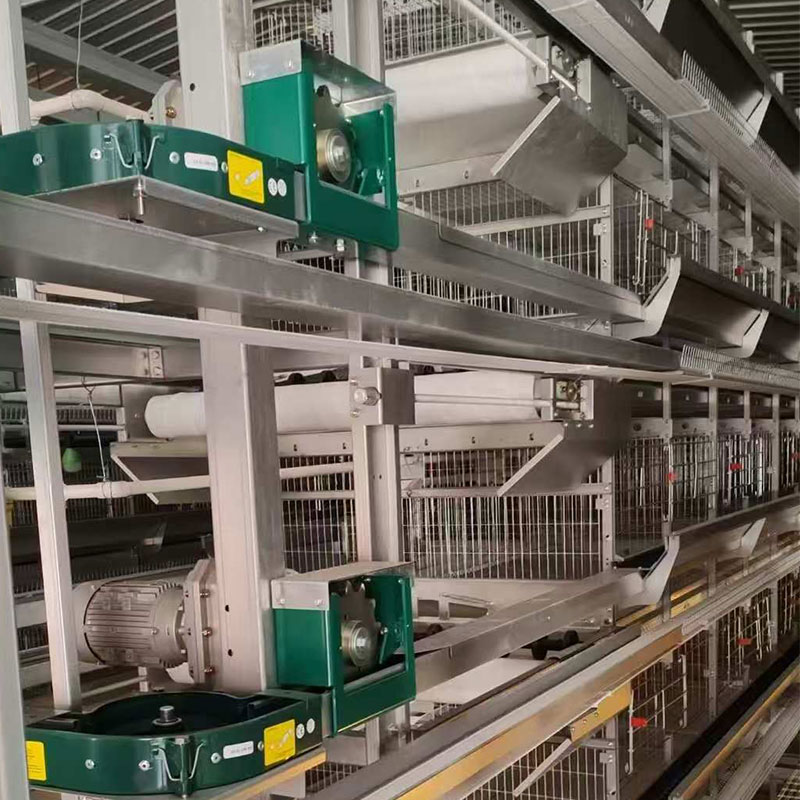
While not "automatic" by timer, these are a crucial middle ground. Chickens step on a treadle plate to open the feed trough, which then closes when they step off.
> Pros: Excellent pestproofing; no power needed; reduces waste dramatically.
> Cons: Requires training; not suitable for very small bantams; doesn't enable awayfromhome freedom.
A popular DIY or modular approach involves adding an aftermarket timer motor kit to a standard largecapacity tube feeder.
> Pros: Costeffective; leverages existing equipment; good for medium flocks.
> Cons: Can be less weatherproof; may require technical tinkering.
These are complete units: large hopper + builtin timer + auger + multiple dispensing points. Brands like Grandpa's Feeders® are known for durability.
> Pros: "Set it and forget it" reliability; large capacity; designed specifically for automation.
> Cons: Higher upfront cost; may be overkill for tiny flocks.
The backbone of commercial poultry barns but adaptable for large backyard setups with big runs or multiple pens connected by feed lines.
> Pros: Can feed hundreds of birds evenly; central filling point saves labor.
> Cons: Complex installation; significant investment; requires professional calibration.
1. Location is Key: Install in a dry, sheltered spot within the coop or run. Ensure it's on level ground to prevent uneven feed distribution in gravity systems.
2. Secure from Elements: Even if weatherresistant, placing the feeder under an eave or inside the coop extends its life dramatically.
3. Train Your Flock: For treadle feeders, prop them open initially with the feed visible. For new automatic feeders run them manually while chickens are present so they associate it with food.
4. Start with Familiar Feed: Fill the system with the exact same feed your chickens are used to during transition.
5. Establish a Maintenance Routine:
Weekly: Check power sources (batteries/solar panels), clear any jammed feed dust from augers/treads.
Monthly: Empty and thoroughly clean the hopper and troughs to prevent mold or rancid fat buildup in old feed dust.
Seasonally: Inspect seals for wearandtear and check all mechanical parts.
An automatic chicken feeding system is more than just a convenience gadget—it's a strategic investment in the health of your flock and the efficiency of your time management.By providing consistent nutrition, drastically cutting down on waste,and granting you invaluable flexibility, it modernizes poultry keeping while staying true to its core goal: excellent animal care.Whether you optfora simple,solarpowered treadle modelor asmart,augardriven setup,the right system paysfor itselfin savedfeedand peaceof mind.Embrace thistechnologyto makeyourchickenraising journey more sustainable,predictable,and enjoyable.
Q1: Are automatic chicken feeders worth the money?
A1: Absolutely.For most keepers,the savingsin reducedfeedwaste(upto20%ormore)andthevalueofgainedtimeandfreedomquicklyjustifytheinitialinvestment.Theyalsopromoteahealthierflockthroughconsistentschedulingandreducedfeedcontamination.
Q2: Can chicks use an automatic feeder?
A2: Not immediately.Chicksunder34weeksoldrequirestartercrumblesorfinemashthatmostautomatedsystemsaren'tdesignedfordispenseaccurately.Startwithtraditional chickfeedersandtransitionthemtotheautomaticfeederoncetheyareonsstandardpelletsandlargeenoughtoaccessthetroughorgrill.
Q3: How do I stop wild birds and rodents from eating from my automatic feeder?
A3: Chooseafeederwithapositivesealinglidandtroughguardsdesignedtoblocksmallpests.Treadlefeedersareexceptionallygoodatthis.Alwaysecurethefeederindoors(acoopsisbest)andpracticegoodcoophygienetoreducerodentattractioninthefirstplace.
Q4: Will my chickens understand how to use an automatic feeder?
A4: Yeschickensarehighlyadaptable.Fortimedsystems,thesoundofthemotorandaugeroftenbecomesadinnertimebelltheyquicklylearn.Fornewtreadlefeederspropthemopenforthefirstfewdayswithfeedvisibletotrainthem.
Q5:What happensifthepowergoesoutorabatterydies?
A5:Dependsonyoursystem.Gravityfedsystemswillcontinueworkingwithoutpower.Timerbasedsystemswillstopdispensingbutfeedwillremainstoredinthehopper.It'scrucialtocheckbatteriesregularlyandconsiderasystemwithalowbatteryindicatororhaveabackupplanfor extended outages.
Q6:Canautomaticfeedershandlealltypesoffeed?
A6:Theymanage standardlayerpelletsandmostcrumblesverywell.Veryfinemashpowderyfeedsorfullgrainslikewheatcanjammechanicalaugers.Alwaystestasmallamountfirstorsticktopelletstoreliabledispensing.
Q7.Howoftendoyouneedtorefillanautomaticchickenfeeder?
A7:Thefrequencydependsentirelyonthehoppercapacityandyourflocksize.Asmall10lbfeederfor6hensmayneedweeklyrefillswhilealarge40lbcommercialunitfor15henscouldlastovertwo weeks.Calculatethisbasedonyourflock'sdailyconsumption(about¼lbperstandardhen).
Q8.Aretheyweatherproof?CanIleaveitoutsideinthesnowandrains?
A8:Hightqualitymodelsarebuiltasweatherresistantbutnotalwaysfullywaterproof.Itisalwaysrecommendedtoplacethefeederina protectedareasuchasunderaneaveinsideacoveredrunorbestinsidethecoopitself.Thispreventsmoisturefromcloggingfeedandelectricalcomponentsfromfailing.
Q9.CanIbuildmyownDIYautomaticchickenfeeder?
A9YesmanyhandypoultrykeeperscreatetheirownusingfoodgradebucketsPVCpipesandsolarpoweredtimerkits.DIYprojectscanbecosteffectivebutrequireskillstoensuretheyaretrulypestproofandreliable.Plentyofplansareavailableonlineforsuchprojects.
Q10.Doautomaticfeedersworkwithotherpoultrylikeducksorturkeys?
A10Theycandoftenlargerbirdslike turkeysrequirehighertroughaccessandlargerportions.Someadjustmentsmaybe needed.Duckscanbe messierwithwater;soplacingtheirfeederawayfromwater sourcesiscriticaltopreventcloggedwetfeed.
1. Drinking system include the water pipes, water pressure adjuster, drinking nipples, Waterline front-end device, dosing system etc, choose them according to customer's needs.
2. High-quality water drinking pipes, pressure regulating valves and water drinking nipples can effectively prevent the water leakage. Drinking system adopt the closed piping system, which can minimize the water pollution.
3. 360-degree drinking nipples provide adequate drinking water for poultry at all stages.
4. The automatic drinking water system mainly adopts the steel ball drinking nipple. lt uses imported high-grad stainless steel, POM resin, and APS engineering material, which is wearing resistant, and the durability can be used for long time.



1. Automatic feeding machine can be chosen between gantry and ladder feeding machine. Gantry type feeding machine is a relatively economical and practical machine with simple operation, remote control walking character, easy to manage.
2. Mechanical transmission device running smoothly, low noise, long service life.
3. With the use of automatic control, the feeding system can adjust the amount of material.
4. Feeding with arched structure, high carrying capacity, not easily deformed.
5. Saving man power, saving feed, greatly improving the efficiency of Large-scale farming.
6. The walking speed of gantry feeding machine is 9--12 m/min.




1. Manure removing system included scraper type and conveyor belt type, Which can reduce the labor intensity and labor cost, keep the chicken shed dry and clean.
2. A type chicken cage can use scraper type or conveyor belt type.


3. The scraper type is suitable for A type cages, which can clean two or three rows. For the starters, this type is a good choice. lt can not only save some labor cost, but also save some investment in the whole project. The cleaning speed is 6-10 meters per minute.
4. Conveyor belt type is more suitable for large scale farming. The manure removing belt we use is high quality PP material (polypropylene). The walking speed is 2-4 meters per minute.



High Quality Pellets Made by Mobile Pellet Machine
1. It has professional designed angle of the blade. After the dynamic balance test one by one, the blade can operate smoothly.
2. The air volume is consistent in the whole life of the fan. Bearings has advantage of high strength, low noise, durable and so on.
1. The cooling pads uses high-quality wet curtain paper and adopts space cross-linking technology, which has the advantages of high water absorption, high water resistance, anti-toxicity and long service life.
2. The cooling efficiency is over 80%, without surfactant, natural water absorption, fast diffusion speed and long-lasting effect.
3. The product does not contain phenol and other chemical substances that are easy to cause skin allergies. It is non-toxic and harmless to the human body and chicken when installed and used. It is green, safe, energy-saving, environmentally friendly, economical, and easy to install.
4. The frame aluminum alloy has high strength, good corrosion resistance, durability and beautiful appearance.
5. Use a special filter for the cooling pad at the upper water to ensure clean water quality and support efficient water circulation components.
6. Combined with a negative pressure fan, it can effectively lower the indoor temperature.
The window is made of special selected high-quality engineering plastic, with high strength and long service life, together with superior anti-aging and anti-UV performance.
Function: Ventilation of the chicken house, usually used in the winter.
This system can adjust the wind speed and direction, thus the cold air will not reach chicken directly , which can effectively prevent the phenomenon of cold stress in chicken.
Environmental control system equipment is suitable for large-scale and intensive farming. According to customer requirements, we can provide various types of smart poultry equipment.
1. Our poultry management system is a modular system that manages all aspects of the chicken house, such as climate, temperature, humidity, ammonia, feeding, feed weighing, lighting and ventilation systems, and can monitor the situation of the chicken house in real time through a computer and mobile phone.
2. The management computer is the heart of the poultry farm, allowing you to easily monitor the entire poultry farm.

 WeChat:+8617838608255