The Complete Guide to Automatic Layer Cage Systems: Boosting Efficiency & Animal Welfare
In the dynamic world of modern poultry farming, efficiency, animal welfare, and profitability are no longer mutually exclusive goals. The advent of the automatic layer cage system represents a paradigm shift, merging advanced engineering with precise animal husbandry. This comprehensive guide delves into the intricacies of these systems, exploring how they revolutionize egg production by automating critical processes—from feeding and watering to egg collection and manure management. Whether you're a seasoned farmer looking to upgrade or a new investor evaluating options, understanding the capabilities, benefits, and considerations of automated caging is essential for building a sustainable and competitive operation. We'll move beyond basic descriptions to provide the actionable insights and expert analysis needed to make informed decisions.
An automatic layer cage system is an integrated housing solution for egglaying hens that utilizes mechanized and often computerized controls to manage the core daily functions of a poultry house. Unlike traditional manual or semiautomated cages, these systems are designed as a complete ecosystem where environmental control, resource delivery, and waste removal are seamlessly coordinated with minimal human intervention.
The core principle is to create a stable, stressfree environment that maximizes hen health and productivity while drastically reducing labor costs and operational variability. A typical system consists of the cage structure itself (often in Atype or Htype configurations), coupled with automated systems for:
Feeding
Drinking
Egg collection
Manure removal (through belt cleaners or deep pit systems)
Ventilation, lighting, and climate control
A modern automatic cage system is a symphony of interconnected components. Understanding each part is key to appreciating the system's overall efficiency.
AType Cage Systems: Cages are arranged in rows at an angle, forming an "A" shape. Eggs roll gently onto a central collection belt located in the aisle. This design is spaceefficient for certain house layouts.
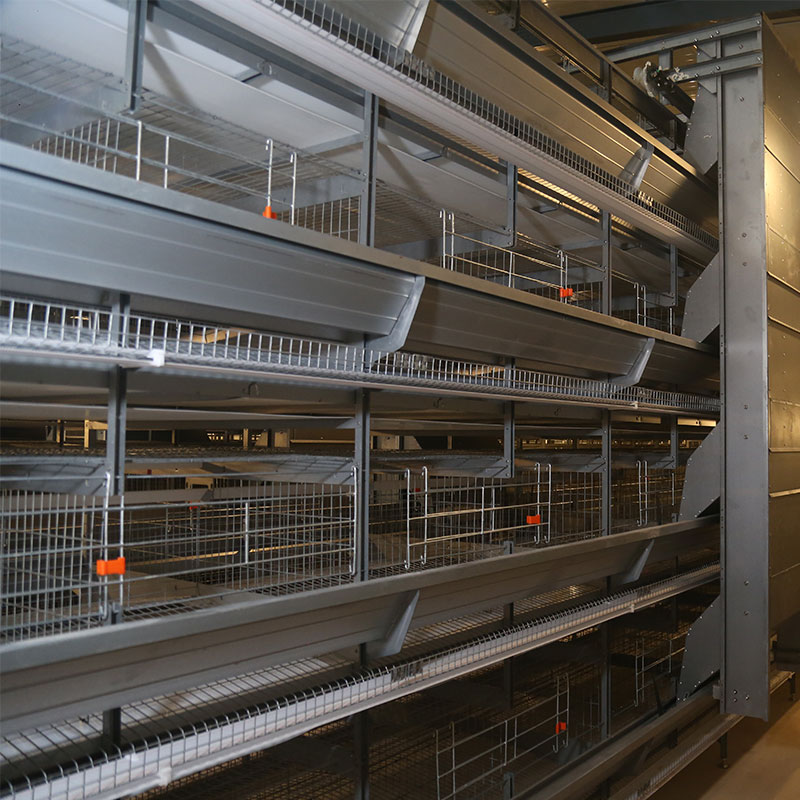
HType Cage Systems (Also called Battery Cages): Cages are stacked vertically in tiers, resembling an "H" frame when viewed from the end. Conveyor belts run along each tier for eggs and manure. This design often allows for higher bird density per square foot of floor space and is known for its scalability.
This isn't just a simple auger. Modern systems feature:
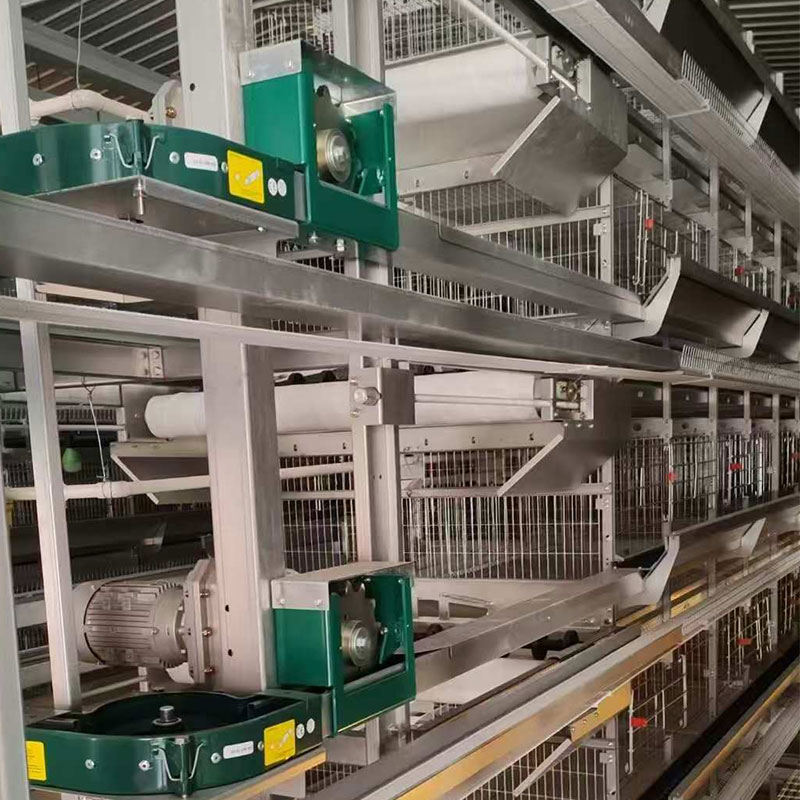
Central Feed Bin & Conveyor: Feed is stored centrally and distributed via a chain or auger system that runs along the length of each cage row.
Precision Feeders: Each cage tier has its own feed trough with adjustable gates to ensure equal distribution.
Benefits: Eliminates feed wastage, ensures consistent nutritional access 24/7, reduces labor from manual feeding, and allows for precise feed ration management.
Nipple Drinkers: The industry standard. Nipples are positioned at strategic points in each cage.
Closed Water System: Water is supplied via PVC pipes from a main line, preventing contamination.
Pressure Regulators & Filters: Ensure consistent water pressure and clean water delivery, which is critical for hydration and health.
This is the centerpiece of efficiency gains.
Gentle RollOut Design: Eggs laid by hens roll out of the cage onto a padded conveyor belt.
Central Collection Belt: Belts from all tiers converge gently, transporting eggs to the central collection room.
Automated Grading & Packing (Optional Integration): Highend systems can integrate directly with equipment that automatically washes, grades by weight/size, checks for cracks, and packs eggs.
Critical for hygiene and air quality.
Manure Belts: Perforated belts under each tier collect droppings.
Scheduled Removal: Belts operate on timers (e.g., once every 23 days) to remove manure from the house without disturbing birds.
End Disposal: Manure is typically conveyed to one end of the house into a truck or storage area for disposal or composting.
The "brain" of the operation.
Integrated control of fans, inlet curtains/ducts, heaters, evaporative cooling pads (cooling systems), and lights.
Maintains optimal temperature (usually 2025°C / 6877°F), humidity (<70%), ventilation (ammonia <25 ppm), and light duration (1416 hours) automatically.
Adopting an automatic layer cage system offers transformative benefits:
| Feature | Conventional/Manual System | Automatic Layer Cage System |
| : | : | : |
| Labor Requirement | Very High | Drastically Reduced |
| Egg Collection | Manual; timeintensive; higher breakage | Fully Automated; lower breakage |
| Feed Efficiency | Higher waste; inconsistent distribution | Precise control; minimal waste |
| Bird Health & Hygiene | Variable; dependent on daily cleaning | Consistent; automated manure removal |
| Data & Control | Limited; observational | Precise environmental & resource data |
| Operational Scale | Limited by labor availability | Highly Scalable |
1. Dramatic Labor Reduction: Automation cuts labor needs by up to 70%, freeing staff for management tasks like bird health monitoring.
2. Enhanced Egg Quality & Safety: Reduced human handling minimizes cracks and contamination during collection.
3. Optimized Feed & Water Conversion: Precise delivery translates directly into lower FCR (Feed Conversion Ratio) costs.
4. Superior Bird Health Management: Stable environment reduces stressrelated diseases; dry manure belts reduce parasite load like mites; better air quality lowers respiratory issues like CRD (Chronic Respiratory Disease).
5. Improved Operational Consistency & DataDriven Decisions: ECS provides logs on temperature spikes or water consumption drops—early indicators of health issues or system faults.
Transitioning requires careful planning beyond just capital expenditure.
1. High Initial Capital Investment: This is the most significant barrier but must be evaluated against longterm ROI through labor savings and productivity gains over its lifespan (>10 years).
2. Technical Expertise & Maintenance: Requires staff trained in basic mechanical troubleshooting (belts motors) electrical systems programming ECS software Regular preventative maintenance schedules are nonnegotiable Downtime can be costly so reliable aftersales service from supplier crucial
3 Power Dependency Reliability: Uninterrupted power supply essential Backup generators mandatory especially regions prone outages Environmental controls fail quickly during power loss risking bird mortality within hours
4 Space Layout Planning: House design must accommodate equipment layout manure removal paths egg collection room location Professional installation team should assess site specifics before purchase
To ensure your automatic system performs as promised follow these expert guidelines:
1 Biosecurity Protocol Integration: Design entry points footbaths vehicle disinfection areas around automated house Prevent crosscontamination especially since workers move between fewer houses more frequently
2 Comprehensive Staff Training: Train workers not just operate but understand principles behind automation Recognize early warning signs like changes bird behavior noise from machinery subtle drops egg collection rates
3 Data Monitoring Analysis: Don’t just collect data—use it Track daily water consumption key indicator flock health Analyze feed usage per hen compare against production curves Use environmental logs finetune ventilation settings seasonally
4 Preventative Maintenance Schedule: Create strict calendar lubricating moving parts inspecting belt tensions checking nipple drinker flow rates cleaning sensors ECS Replace wear parts like belts rollers before fail proactively
The evolution continues toward even greater precision integration:
1 Precision Livestock Farming PLF Integration: Cameras microphones sensors use AI monitor individual bird behavior weight detect lameness illness early alert farmers specific cages tiers enabling targeted intervention rather than wholeflock treatments
2 Robotics Implementation: Mobile robots patrol aisles performing tasks like removing dead birds inspecting equipment further reducing human contact biosecurity risks
3 Enhanced Sustainability Features: Systems designed incorporate manure drying tunnels reduce volume weight facilitate easier conversion biogas fertilizer Solar panel integration offset power consumption becoming more common
Investing in an automatic layer cage system represents strategic commitment futureproof poultry operation While initial costs substantial longterm benefits—unmatched labor efficiency superior consistent egg quality enhanced animal welfare through controlled environment compelling undeniable For modern largescale commercial producer automation not luxury but necessity remain competitive increasingly complex industry By thoroughly understanding components advantages planning considerations outlined this guide you position yourself make decision aligns both your operational goals ethical standards responsible farming The future layer farming intelligent connected datadriven automated systems core enabling producers meet global food demands sustainably profitably responsibly
Here are answers to some of the most commonly searched questions about automatic layer cages:
Q1: What exactly does "automatic" mean in an automatic layer cage?
"Aautomatic" refers integrated mechanization core daily tasks Specifically includes automated feeding watering egg collection manure removal combined centralized environmental climate control lighting ventilation Minimal manual intervention required these processes once system programmed operational
Q2: How much does an automatic layer cage system cost?
Cost varies significantly scale brand sophistication region Generally commercialscale system cost anywhere $30 $50 per bird place including installation basic environmental controls Smaller setups higher perbird cost Large turnkey projects thousands birds require detailed quotation manufacturer Factors include house structure existing infrastructure chosen automation level
Q3: Can automatic cages improve hen welfare?
When designed managed properly yes Key welfare benefits stem consistent access fresh food water stable comfortable environment reduced disease pressure parasites Automated rapid manure removal keeps ammonia levels low improving air quality Reduced human disturbance during collection feeding can lower stress However welfare heavily dependent management stockmanship ensuring system functioning correctly birds monitored regularly any signs distress illness regardless automation level
Q4: What happens during power failure?
Power failure serious risk Most critical systems ventilation fans stop immediately posing rapid heat stress suffocation risk Therefore absolutely essential install reliable backup generator automatically kicks within seconds Modern ECS units have battery backups maintain controls alarm during transition 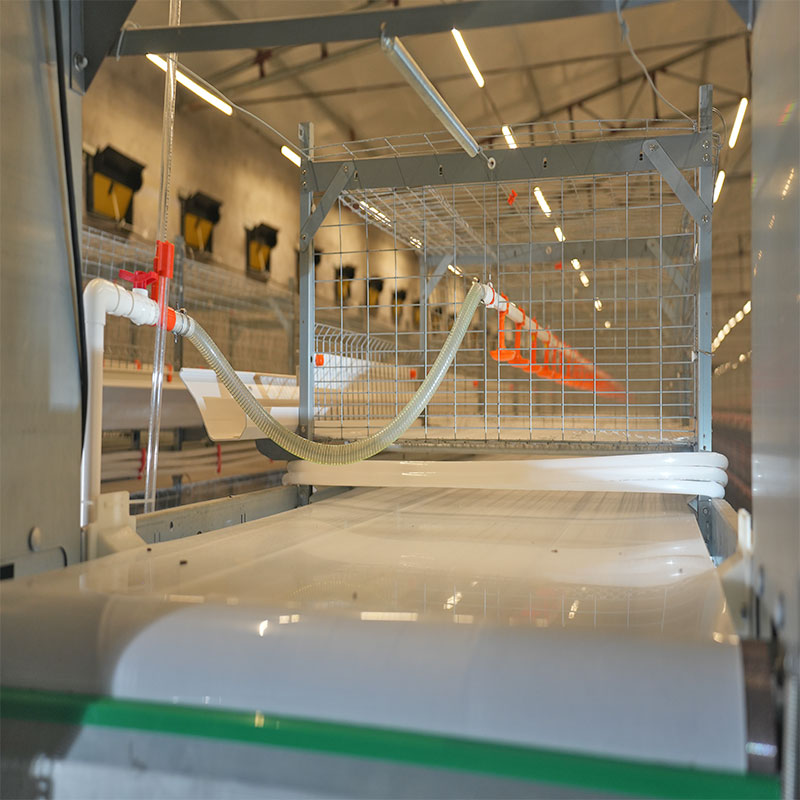
Q5 How often does manure need removed automated belt system?
Typically manure belts programmed run every two three days frequency can adjusted based climate humidity Running too infrequently leads moisture buildup ammonia Too frequently wastes energy increases wear Ideal schedule keeps belt relatively dry prevents caking
Q6 Are automatic cages suitable freerange organic production?
Traditional fully enclosed automatic cage systems designed intensive production not compatible certified freerange organic standards which require outdoor access However similar automation principles applied enriched colony aviary systems indoor portion freerange barn egg operations providing automated feeding watering indoor egg collection those settings
Q7 What main maintenance requirements?
Daily Visual checks all systems listening unusual noises Weekly Checking tension drive belts cleaning egg collection belts lubricating chains Monthly Inspecting cleaning nipple drinkers checking fan motors heaters calibrating environmental sensors Annually Major inspection replacement worn parts like conveyor belts rollers
Q8 How long does typical automatic cage system last?
With proper maintenance preventative care highquality automatic layer equipment last years Physical structure cages last longer Moving parts conveyors belts motors may need component replacement Major electronics upgrades might needed after years Technological obsolescence may prompt upgrades before physical end life
Q9 Can retrofit automation existing poultry house?
Yes possible but requires careful assessment Retrofitting involves installing new cages automated equipment within existing building shell Challenges include ensuring floor can support weight aligning layout optimal airflow integrating utilities Success depends heavily existing house design condition Professional site evaluation manufacturer crucial determine feasibility costeffectiveness versus building new
Q10 Do automatic systems work all chicken breeds layers?
Systems designed accommodate most commercial laying hybrid breeds Lohmann Brown HyLine etc However important consult supplier regarding specific cage dimensions feeder drinker heights appropriate breed size Some heavier dualpurpose breeds may require modified designs ensure comfort access resources
1. Drinking system include the water pipes, water pressure adjuster, drinking nipples, Waterline front-end device, dosing system etc, choose them according to customer's needs.
2. High-quality water drinking pipes, pressure regulating valves and water drinking nipples can effectively prevent the water leakage. Drinking system adopt the closed piping system, which can minimize the water pollution.
3. 360-degree drinking nipples provide adequate drinking water for poultry at all stages.
4. The automatic drinking water system mainly adopts the steel ball drinking nipple. lt uses imported high-grad stainless steel, POM resin, and APS engineering material, which is wearing resistant, and the durability can be used for long time.



1. Automatic feeding machine can be chosen between gantry and ladder feeding machine. Gantry type feeding machine is a relatively economical and practical machine with simple operation, remote control walking character, easy to manage.
2. Mechanical transmission device running smoothly, low noise, long service life.
3. With the use of automatic control, the feeding system can adjust the amount of material.
4. Feeding with arched structure, high carrying capacity, not easily deformed.
5. Saving man power, saving feed, greatly improving the efficiency of Large-scale farming.
6. The walking speed of gantry feeding machine is 9--12 m/min.




1. Manure removing system included scraper type and conveyor belt type, Which can reduce the labor intensity and labor cost, keep the chicken shed dry and clean.
2. A type chicken cage can use scraper type or conveyor belt type.


3. The scraper type is suitable for A type cages, which can clean two or three rows. For the starters, this type is a good choice. lt can not only save some labor cost, but also save some investment in the whole project. The cleaning speed is 6-10 meters per minute.
4. Conveyor belt type is more suitable for large scale farming. The manure removing belt we use is high quality PP material (polypropylene). The walking speed is 2-4 meters per minute.



High Quality Pellets Made by Mobile Pellet Machine
1. It has professional designed angle of the blade. After the dynamic balance test one by one, the blade can operate smoothly.
2. The air volume is consistent in the whole life of the fan. Bearings has advantage of high strength, low noise, durable and so on.
1. The cooling pads uses high-quality wet curtain paper and adopts space cross-linking technology, which has the advantages of high water absorption, high water resistance, anti-toxicity and long service life.
2. The cooling efficiency is over 80%, without surfactant, natural water absorption, fast diffusion speed and long-lasting effect.
3. The product does not contain phenol and other chemical substances that are easy to cause skin allergies. It is non-toxic and harmless to the human body and chicken when installed and used. It is green, safe, energy-saving, environmentally friendly, economical, and easy to install.
4. The frame aluminum alloy has high strength, good corrosion resistance, durability and beautiful appearance.
5. Use a special filter for the cooling pad at the upper water to ensure clean water quality and support efficient water circulation components.
6. Combined with a negative pressure fan, it can effectively lower the indoor temperature.
The window is made of special selected high-quality engineering plastic, with high strength and long service life, together with superior anti-aging and anti-UV performance.
Function: Ventilation of the chicken house, usually used in the winter.
This system can adjust the wind speed and direction, thus the cold air will not reach chicken directly , which can effectively prevent the phenomenon of cold stress in chicken.
Environmental control system equipment is suitable for large-scale and intensive farming. According to customer requirements, we can provide various types of smart poultry equipment.
1. Our poultry management system is a modular system that manages all aspects of the chicken house, such as climate, temperature, humidity, ammonia, feeding, feed weighing, lighting and ventilation systems, and can monitor the situation of the chicken house in real time through a computer and mobile phone.
2. The management computer is the heart of the poultry farm, allowing you to easily monitor the entire poultry farm.

 WeChat:+8617838608255