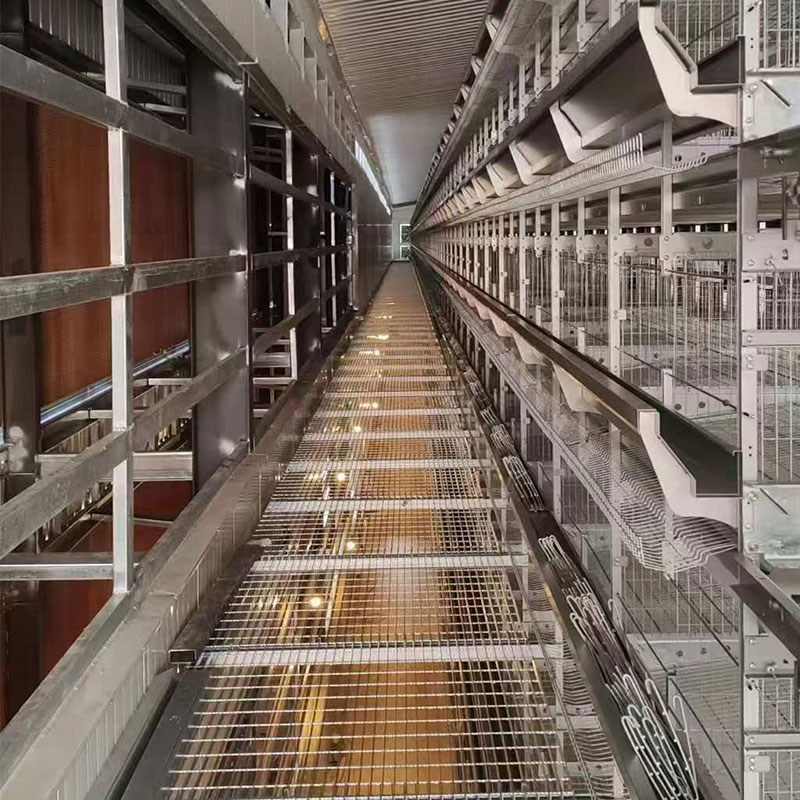
The Automatic Layer Cage System: Revolutionizing Poultry Farming
Poultry farmers constantly seek ways to improve efficiency, reduce labor costs, and maximize egg production. The automatic layer cage system has emerged as a game-changer, streamlining operations while ensuring bird health and productivity. Unlike traditional open-floor systems, these cages integrate feeding, watering, egg collection, and manure removal into a single automated framework.
How Automatic Layer Cages Work
An automatic layer cage system is designed to house laying hens in stacked tiers, optimizing space while minimizing manual labor. Each cage unit includes:
- Automated Feeders: A chain or auger system delivers feed evenly across all cages, eliminating the need for manual distribution. Farmers can program feeding times and adjust portion sizes based on flock requirements.
- Nipple Drinkers: Birds access fresh water through nipple valves, reducing spillage and contamination. Water lines connect to a central supply, ensuring consistent hydration.
- Egg Collection Belts: Conveyor belts gently transport eggs to a central collection point, preventing breakage and reducing labor-intensive gathering.
- Manure Removal Systems: Scrapers or belts beneath each tier remove waste daily, keeping the environment clean and minimizing ammonia buildup.
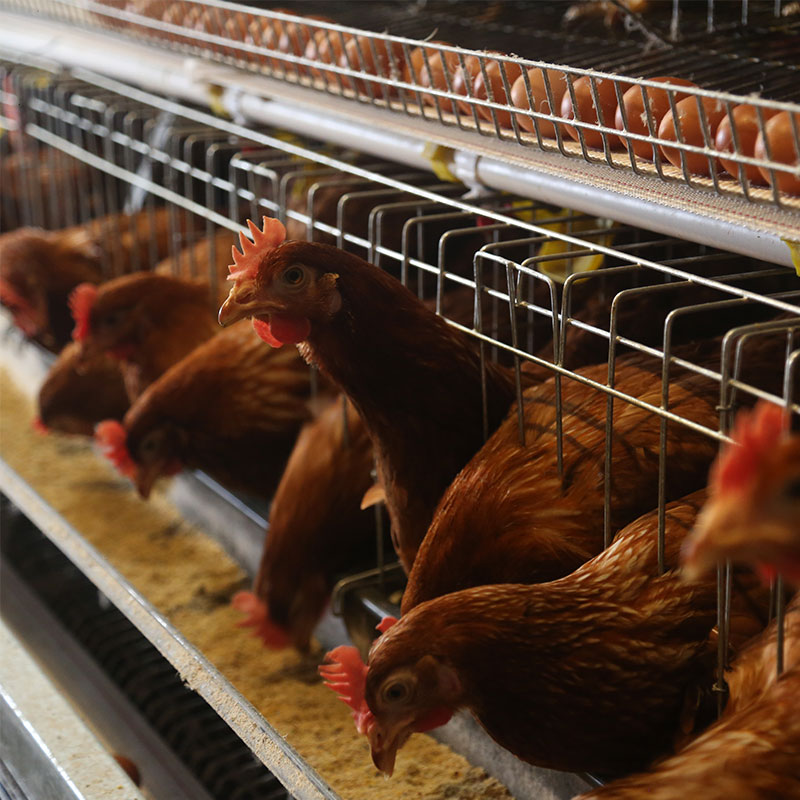
For example, a farm with 10,000 birds can reduce feeding time from hours to minutes, while eggs arrive at the packing area without manual handling.
Benefits for Poultry Farmers
1. Increased Egg Production
Hens in automatic cages experience less stress from overcrowding or predator threats. Consistent access to feed and water ensures optimal nutrition, directly impacting laying rates. Farms using these systems often report a 5–10% increase in egg production compared to conventional methods.
2. Labor Efficiency
Manual tasks like feeding, egg collection, and cleaning require significant time and labor. Automation cuts these demands drastically. One worker can manage a flock of 20,000 birds with minimal effort, freeing up resources for other farm operations.
3. Improved Bird Health
The controlled environment reduces exposure to pathogens. Manure removal prevents bacterial growth, while enclosed cages limit contact with wild birds or rodents. Farmers notice fewer cases of diseases like avian influenza or coccidiosis.
4. Space Optimization
Vertical stacking allows more birds per square foot without compromising welfare. A single A-frame cage unit can house 90–120 birds, making it ideal for farms with limited land.
5. Reduced Feed Waste
Open troughs in traditional systems often lead to spillage or contamination. Automated feeders dispense precise amounts, cutting waste by up to 20%.
Choosing the Right System
Not all automatic cages are the same. Farmers should consider:
- Cage Tier Configuration:
- 3-Tier Systems: Common in moderate-scale farms, balancing cost and space efficiency.
- 4–6 Tier Systems: Suited for large commercial operations, maximizing bird capacity.
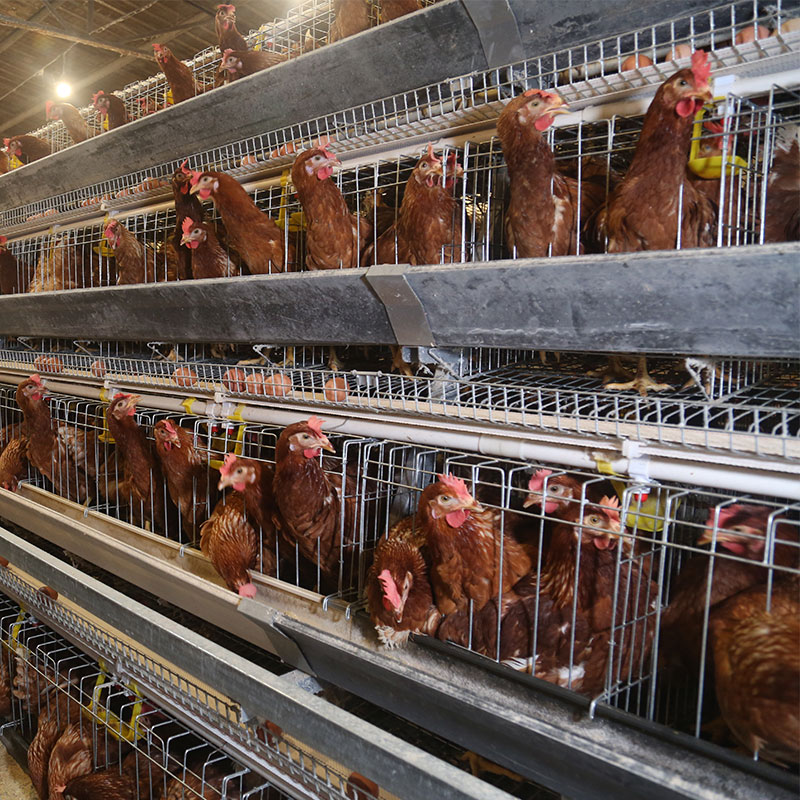
- Material Quality: Galvanized steel cages resist rust and last longer than cheaper alternatives.
- Climate Adaptability: Some systems include ventilation controls or cooling pads for hot climates.
A mid-sized farm in Nigeria, for instance, switched from a 3-tier to a 5-tier system and doubled production without expanding their building.
Installation and Maintenance
Proper setup ensures longevity and performance:
- Floor Leveling: Uneven surfaces strain conveyor belts and manure scrapers.
- Regular Lubrication: Moving parts like feed chains need periodic oiling to prevent jams.
- Water Line Checks: Clogged nipple drinkers can dehydrate birds quickly.
A Kenyan farm avoided downtime by training workers to inspect belts and motors weekly.
Economic Considerations
While automatic cages require a higher initial investment than open systems, the payback period is often 2–3 years due to labor savings and increased yield. Financing options or government grants can ease upfront costs.
Final Thoughts
The automatic layer cage system is no longer a luxury—it’s a necessity for competitive poultry farming. By improving productivity, bird health, and operational efficiency, it offers a clear return on investment. Farmers who adopt this technology position themselves for long-term success in an increasingly demanding market.
1. Drinking system include the water pipes, water pressure adjuster, drinking nipples, Waterline front-end device, dosing system etc, choose them according to customer's needs.
2. High-quality water drinking pipes, pressure regulating valves and water drinking nipples can effectively prevent the water leakage. Drinking system adopt the closed piping system, which can minimize the water pollution.
3. 360-degree drinking nipples provide adequate drinking water for poultry at all stages.
4. The automatic drinking water system mainly adopts the steel ball drinking nipple. lt uses imported high-grad stainless steel, POM resin, and APS engineering material, which is wearing resistant, and the durability can be used for long time.



1. Automatic feeding machine can be chosen between gantry and ladder feeding machine. Gantry type feeding machine is a relatively economical and practical machine with simple operation, remote control walking character, easy to manage.
2. Mechanical transmission device running smoothly, low noise, long service life.
3. With the use of automatic control, the feeding system can adjust the amount of material.
4. Feeding with arched structure, high carrying capacity, not easily deformed.
5. Saving man power, saving feed, greatly improving the efficiency of Large-scale farming.
6. The walking speed of gantry feeding machine is 9--12 m/min.




1. Manure removing system included scraper type and conveyor belt type, Which can reduce the labor intensity and labor cost, keep the chicken shed dry and clean.
2. A type chicken cage can use scraper type or conveyor belt type.


3. The scraper type is suitable for A type cages, which can clean two or three rows. For the starters, this type is a good choice. lt can not only save some labor cost, but also save some investment in the whole project. The cleaning speed is 6-10 meters per minute.
4. Conveyor belt type is more suitable for large scale farming. The manure removing belt we use is high quality PP material (polypropylene). The walking speed is 2-4 meters per minute.



High Quality Pellets Made by Mobile Pellet Machine
1. It has professional designed angle of the blade. After the dynamic balance test one by one, the blade can operate smoothly.
2. The air volume is consistent in the whole life of the fan. Bearings has advantage of high strength, low noise, durable and so on.
1. The cooling pads uses high-quality wet curtain paper and adopts space cross-linking technology, which has the advantages of high water absorption, high water resistance, anti-toxicity and long service life.
2. The cooling efficiency is over 80%, without surfactant, natural water absorption, fast diffusion speed and long-lasting effect.
3. The product does not contain phenol and other chemical substances that are easy to cause skin allergies. It is non-toxic and harmless to the human body and chicken when installed and used. It is green, safe, energy-saving, environmentally friendly, economical, and easy to install.
4. The frame aluminum alloy has high strength, good corrosion resistance, durability and beautiful appearance.
5. Use a special filter for the cooling pad at the upper water to ensure clean water quality and support efficient water circulation components.
6. Combined with a negative pressure fan, it can effectively lower the indoor temperature.
The window is made of special selected high-quality engineering plastic, with high strength and long service life, together with superior anti-aging and anti-UV performance.
Function: Ventilation of the chicken house, usually used in the winter.
This system can adjust the wind speed and direction, thus the cold air will not reach chicken directly , which can effectively prevent the phenomenon of cold stress in chicken.
Environmental control system equipment is suitable for large-scale and intensive farming. According to customer requirements, we can provide various types of smart poultry equipment.
1. Our poultry management system is a modular system that manages all aspects of the chicken house, such as climate, temperature, humidity, ammonia, feeding, feed weighing, lighting and ventilation systems, and can monitor the situation of the chicken house in real time through a computer and mobile phone.
2. The management computer is the heart of the poultry farm, allowing you to easily monitor the entire poultry farm.

 WeChat:+8617838608255