
Battery Cages for Broilers: A Comprehensive Guide to the System, Welfare, and Industry Shifts
The term "battery cage for broilers" sits at the heart of one of the most widespread and debated practices in modern animal agriculture. For decades, this housing system has been the backbone of efficient, largescale chicken meat production, enabling supermarkets and restaurants worldwide to offer affordable poultry. However, it also represents a significant point of contention in discussions about animal welfare, sustainability, and ethical food sourcing.
This article delves deep into the reality of battery cages for broiler chickens. We will explore their design and purpose, examine the pressing welfare concerns raised by veterinarians and animal scientists, analyze the economic drivers behind their use, and chart the evolving landscape of global regulations and consumerdriven alternatives. Whether you're a farmer evaluating systems, a student researching agriculture, or a conscientious consumer seeking clarity, this guide provides the expert insight you need.
A battery cage is a housing system where chickens are kept in rows of identical wire cages stacked in tiers, connected like cells in a battery—hence the name. While historically associated with egglaying hens (layer chickens), similar intensive confinement principles have been applied to broiler chickens (chickens raised for meat). For broilers, the term often refers to growout cages or broiler cages, which are designed for their rapid growth cycle.
Wire Mesh Floors: Allow manure to drop through to collection belts or pits below, separating birds from their waste.
High Stocking Density: Maximizes space utilization by housing large numbers of birds per square meter.
Automated Systems: Integrated feed troughs and nipple drinker lines run along each cage row for efficient delivery of food and water.
Environmental Control: Used within large sheds where temperature, ventilation, and lighting are strictly controlled.
Proponents argue that these systems were developed to meet critical demands:
1. Economic Efficiency & Affordability: By maximizing bird density and automating processes, battery systems lower production costs per bird. This efficiency has been instrumental in making chicken one of the most affordable protein sources globally.
2. Biosecurity & Disease Management: Isolating birds from their feces theoretically reduces exposure to parasites (like coccidia) and some bacterial pathogens. The controlled environment minimizes contact with wildlife vectors.
3. Production Management: Automated feeding leads to consistent growth rates. Birds are easier to monitor, catch (for processing), and manage at a flock level.
This is where expert consensus from veterinary ethologists and animal welfare scientists highlights significant issues. The fast growth rate of modern broiler breeds compounds problems in any confined space.
Severe Space Restriction: Birds cannot perform innate natural behaviors such as wingflapping, dustbathing, foraging, or perching. Lack of exercise contributes to musculoskeletal problems.
Contact Dermatitis & Lesions: Constant contact with wire mesh floors can lead to painful footpad dermatitis (bumblefoot), hock burns (from ammonia in accumulated manure), and breast blisters.
Poor Litter Quality & Air Quality: While manure falls through, ammonia gases rise. In poorly managed systems, high ammonia levels damage birds' respiratory systems and eyes.
Behavioral Frustration & Stress: Crowding prevents establishment of normal social structures, which can lead to abnormal behaviors like feather pecking or aggression.
Compounded Health Issues: The combination of restricted movement with selective breeding for rapid growth exacerbates lameness (leg weakness), cardiovascular issues (ascites), and sudden death syndrome.
Important Distinction: It's crucial to note that in many regions today—particularly across Europe—traditional battery cages are banned for laying hens. For broilers specifically while highly intensive cage systems exist globally there is a significant trend toward cagefree indoor barns as an alternative even within conventional production
Consumer awareness corporate policies government regulations are driving change Here’s how different regions are responding:
| Region/Country | Regulatory Status on Broiler Cages | Market Trend |
| : | : | : |
| European Union | No specific ban on broiler cages but EU Directive mandates requirements for space stocking density enrichment However traditional battery cages effectively phased out due to welfare standards | Strong shift toward indoor barn systems with litter some perches Many retailers mandate higherwelfare standards |
| United States | No federal ban Majority housed in large openfloor barns ("growout houses") Some cage systems used particularly for breeding flocks | Major food corporations (restaurants retailers) committing to "cagefree" broiler sourcing per Global Animal Partnership etc driving supply chain change |
| United Kingdom | Follows exceeds EU standards High percentage housed in enriched indoor barns Higherwelfare outdoor ("freerange") segments growing | Significant market for freerange organic chicken driven by consumer labels like RSPCA Assured |
| Canada Australia New Zealand | Similar landscape: few true battery cages; primary system is barnraised Growing freerange segment Regulations vary by province/state |
1. BarnRaised / CageFree Indoor Systems:
Birds roam freely on a littercovered floor (often rice hulls wood shavings).
Provides space for walking scratching dustbathing
Environmental enrichment like perches bales pecking objects is increasingly common
This is now baseline conventional production many developed countries
2. FreeRange Systems:
Requires continuous daytime access an outdoor range
Allows natural behaviors like foraging exploration exposure sunlight
"Freerange" definitions stocking densities vary greatly by certification program
3. PastureRaised / Pastured Poultry:
Mobile shelters moved regularly fresh pasture
Highest level outdoor access diverse diet insects plants considered gold standard welfare by many advocates
Typically smallerscale local supply chains
4. Enriched Colony Systems (More relevant layers but concept applies):
Larger furnished cages providing perch nesting box scratching area Attempts balance welfare efficiency but still restrictive criticized advocates
The debate around battery cages broilers encapsulates broader tension between efficiency scale animal welfare While true traditional battery cages less common broilers than layers intensive confinement remains issue The industry undeniable shift driven science consumer sentiment toward systems allowing greater expression natural behaviors
For farmers this means adapting new infrastructure management practices For consumers it underscores importance understanding labels seeking credible certifications (e.g., Animal Welfare Approved Certified Humane) making informed choices As research continues refine best practices future poultry farming likely continue evolve balance productivity respect sentient animals our care
Q1: Are battery cages still used for raising broiler chickens?
While less prevalent than past highly intensive cage systems still used parts world particularly some breeding operations However major poultryproducing regions like North America EU predominantly use large openfloor barn ("cagefree") primary production system meat chickens.
Q2: What's difference between battery cage broiler chicken vs laying hen?
Broilers raised meat grow extremely fast slaughtered around 57 weeks old Layers raised eggs live over year Their housing needs differ significantly Traditional small barren battery cages banned layers EU many places but similar confinement principles applied some broiler growout cages though design larger accommodate faster growth.
Q3: Why are battery cages considered bad for animal welfare?
Scientific consensus identifies key issues severe space restriction preventing natural behaviors increased risk painful contact dermatitis wire floors poor air quality due ammonia behavioral frustration stress exacerbated health problems related rapid growth genetics like lameness.
Q4: What does "cagefree" mean for chicken meat?
"Cagefree" means birds not kept cages They typically live large open barn littercovered floor can move around perch engage behaviors like scratching dustbathing It does not necessarily mean they have outdoor access ("freerange") implies less crowded conditions than caged systems but stocking densities can still high.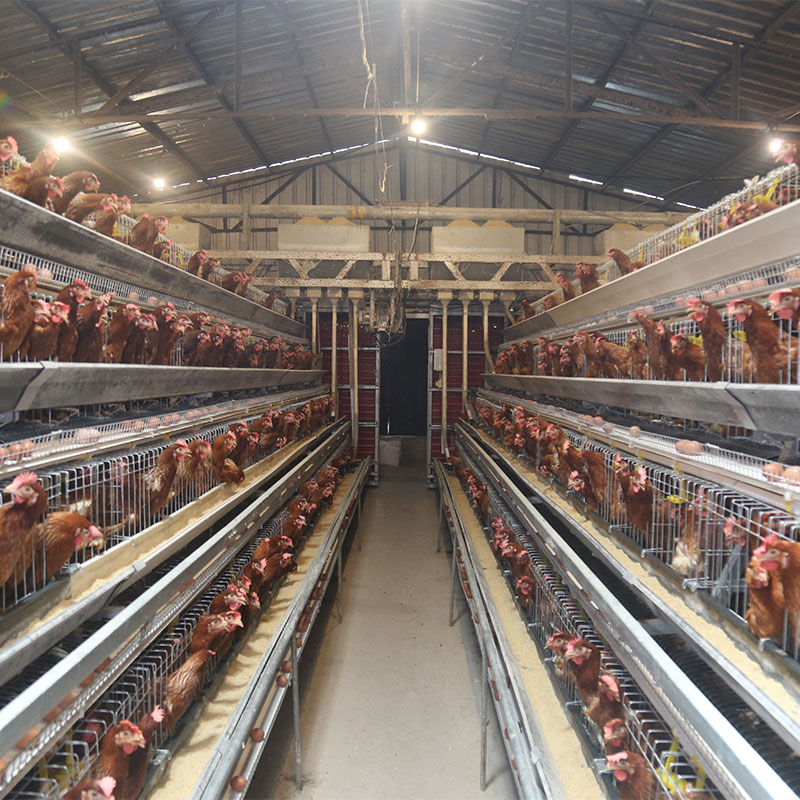
Q5: Is all supermarket chicken raised in cages?
Most conventional supermarket chicken United States Canada Europe now raised cagefree indoor barns However specific practices vary greatly Check packaging look thirdparty welfare certifications understand exact conditions "Raised Without Antibiotics" label does not indicate housing type.
Q6: Do chickens grow faster in cages?
Growth rate primarily determined genetics nutrition not directly housing type However controlled environment automated feeding caged systems can lead more uniform growth lower feed wastage contributing overall efficiency which why they were historically adopted.
Q7: What countries have banned battery cages for broilers?
No country has blanket ban specifically "broiler batteries" same way EU banned conventional barren batteries laying hens However stringent general animal welfare laws countries like Sweden Austria make such intensive caging impractical effectively phased out Market forces stronger elsewhere driving shift away.
Q8: Are there any health benefits consumers from noncaged chicken?
Direct nutritional differences minimal Protein fat content similar Some studies suggest pastureraised chickens may higher levels certain omega3 fatty acids antioxidants due diverse diet Primary driver choosing noncaged ethical considerations regarding animal treatment rather than personal health benefit.
Q9 How much space does broiler get typical cage vs barn system?
In intensive cage system space may less than square foot per bird In standard industry barn stocking density often target around square foot per bird Higherwelfare certified programs require more eg GAP Level requires sq ft/bird indoors plus enrichments Freerange pasture require significantly more outdoor access space
1. Drinking system include the water pipes, water pressure adjuster, drinking nipples, Waterline front-end device, dosing system etc, choose them according to customer's needs.
2. High-quality water drinking pipes, pressure regulating valves and water drinking nipples can effectively prevent the water leakage. Drinking system adopt the closed piping system, which can minimize the water pollution.
3. 360-degree drinking nipples provide adequate drinking water for poultry at all stages.
4. The automatic drinking water system mainly adopts the steel ball drinking nipple. lt uses imported high-grad stainless steel, POM resin, and APS engineering material, which is wearing resistant, and the durability can be used for long time.



1. Automatic feeding machine can be chosen between gantry and ladder feeding machine. Gantry type feeding machine is a relatively economical and practical machine with simple operation, remote control walking character, easy to manage.
2. Mechanical transmission device running smoothly, low noise, long service life.
3. With the use of automatic control, the feeding system can adjust the amount of material.
4. Feeding with arched structure, high carrying capacity, not easily deformed.
5. Saving man power, saving feed, greatly improving the efficiency of Large-scale farming.
6. The walking speed of gantry feeding machine is 9--12 m/min.




1. Manure removing system included scraper type and conveyor belt type, Which can reduce the labor intensity and labor cost, keep the chicken shed dry and clean.
2. A type chicken cage can use scraper type or conveyor belt type.


3. The scraper type is suitable for A type cages, which can clean two or three rows. For the starters, this type is a good choice. lt can not only save some labor cost, but also save some investment in the whole project. The cleaning speed is 6-10 meters per minute.
4. Conveyor belt type is more suitable for large scale farming. The manure removing belt we use is high quality PP material (polypropylene). The walking speed is 2-4 meters per minute.



High Quality Pellets Made by Mobile Pellet Machine
1. It has professional designed angle of the blade. After the dynamic balance test one by one, the blade can operate smoothly.
2. The air volume is consistent in the whole life of the fan. Bearings has advantage of high strength, low noise, durable and so on.
1. The cooling pads uses high-quality wet curtain paper and adopts space cross-linking technology, which has the advantages of high water absorption, high water resistance, anti-toxicity and long service life.
2. The cooling efficiency is over 80%, without surfactant, natural water absorption, fast diffusion speed and long-lasting effect.
3. The product does not contain phenol and other chemical substances that are easy to cause skin allergies. It is non-toxic and harmless to the human body and chicken when installed and used. It is green, safe, energy-saving, environmentally friendly, economical, and easy to install.
4. The frame aluminum alloy has high strength, good corrosion resistance, durability and beautiful appearance.
5. Use a special filter for the cooling pad at the upper water to ensure clean water quality and support efficient water circulation components.
6. Combined with a negative pressure fan, it can effectively lower the indoor temperature.
The window is made of special selected high-quality engineering plastic, with high strength and long service life, together with superior anti-aging and anti-UV performance.
Function: Ventilation of the chicken house, usually used in the winter.
This system can adjust the wind speed and direction, thus the cold air will not reach chicken directly , which can effectively prevent the phenomenon of cold stress in chicken.
Environmental control system equipment is suitable for large-scale and intensive farming. According to customer requirements, we can provide various types of smart poultry equipment.
1. Our poultry management system is a modular system that manages all aspects of the chicken house, such as climate, temperature, humidity, ammonia, feeding, feed weighing, lighting and ventilation systems, and can monitor the situation of the chicken house in real time through a computer and mobile phone.
2. The management computer is the heart of the poultry farm, allowing you to easily monitor the entire poultry farm.

 WeChat:+8617838608255