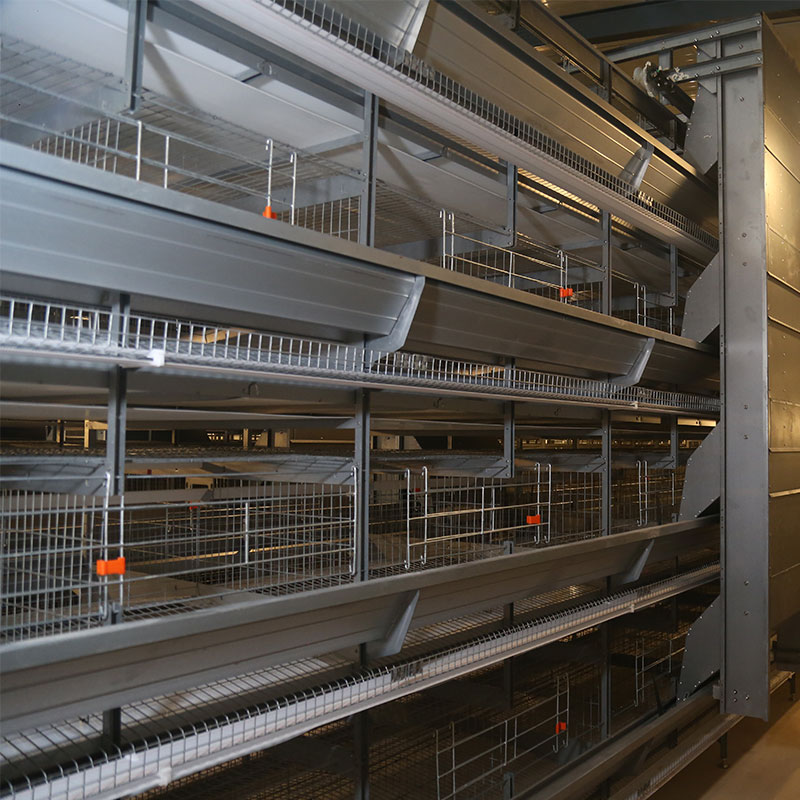
For poultry farmers, egg producers, and agricultural entrepreneurs, the decision of which housing system to use is foundational. The term "battery cage price" often serves as the entry point into a much larger and more complex conversation about economics, animal welfare, production efficiency, and evolving regulations. This guide delves deep into the financial and practical realities of battery cage systems for layers, moving beyond a simple price tag to provide the context needed for an informed investment.
When someone searches for "battery cage for layers price," their primary intent is commercial investigation. They are likely:
A new or expanding farmer calculating startup costs.
An existing farmer comparing systems for renovation or upgrade.
A procurement officer sourcing equipment.
A student or researcher analyzing poultry economics.
Therefore, this article is structured to first address the direct cost factors, then immediately expand into the critical operational, ethical, and regulatory contexts that ultimately determine the true longterm value and viability of such an investment.
Providing a single price is misleading. The total investment is a sum of multiple components. Prices vary dramatically based on automation level, material quality (galvanized steel vs. coated), bird capacity per cage, and geographic market (with significant manufacturing in China, Europe, and local fabricators).
A typical battery cage system includes:
1. The Cage Units: The modular enclosures themselves, usually arranged in rows (decks). Common configurations are 3tier, 4tier, or 5tier Atype cages or Htype stacked cages.
2. Feeding System: Can be manual troughs or automated chain/bucket feeders.
3. Watering System: Nipple drinkers connected to a central water line.
4. Egg Collection System: Manual collection trays or automated belt collectors that bring eggs to a central point.
5. Manure Removal System: Dropping boards with manual cleaning, scrapers, or conveyor belts.
6. Climate Control & Ventilation: While often basic in traditional setups, modern installations integrate fans, curtains, and sometimes cooling systems.
The following table provides a very general estimate. Note: These are illustrative ranges. Shipping,duties,and installation can add 2040%.
| System Automation Level | Estimated Cost Per Bird (USD) | Key Features Included |
| : | : | : |
| Basic Manual System | $3 $7 | Galvanized cage unit, manual feeder/waterer, egg tray, manure boards. Minimal automation. |
| SemiAutomated System | $8 $15 | Automated chain feeder, nipple drinking line, possibly an egg collection belt. Requires more manual labor than full auto. |
| Fully Automated System | $16 $30+ | Integrated automation: feeding, watering, egg collection (belt to central station), manure belt removal, often with climate control sensors. |
Important Calculation: For a 10,000bird house, a semiautomated system at $12/bird translates to a $120,000 capital expenditure just for the caging equipment, excluding the housing structure itself, electrical work, and installation labor.
The purchase price is just the beginning. An expert analysis must consider these pivotal factors:
The global trend is moving decisively away from conventional battery cages。 The European Union banned barren battery cages in 2012。 Many multinational food corporations (retailers, fastfood chains) in North America and elsewhere have committed to cagefree supply chains by set deadlines。 Investing in new battery cages now carries significant regulatory risk and may limit your market access to certain buyers。
Conventional battery cages are designed for space efficiency but restrict natural behaviors like perching, dustbathing, nesting, and full wingflapping。 This can lead to:
Higher incidence of bone fragility and fractures。
Feather pecking and cannibalism issues。
Potential consumer rejection based on welfare grounds。
However proponents cite benefits like:
Individual bird monitoring and feeding。
Lower incidence of external parasites。
Generally lower feed conversion ratios (FCR) due to restricted movement。
Labor: Automated systems reduce daily labor but increase maintenance needs for complex machinery。
Feed Efficiency: Often optimized in cages due to controlled feeding。
Mortality & Health: Can be lower in wellmanaged cages due to separation from manure; however disease can spread rapidly in densely populated sheds。
Egg Quality: Eggs roll away quickly potentially reducing floor eggs but may have higher cracks if belts are not perfectly adjusted。
To make a truly informed decision you must compare against alternatives。 While often higher in initial investment they may offer better longterm sustainability。
| System | Estimated Setup Cost Per Bird (USD) | Key Advantages | Key Challenges |
| : | : | : | : |
| Aviary/FreeRange Barn | $25 $50+ | Meets cagefree standards allows natural behaviors high market acceptance。 Birds have litter area perches nest boxes。 Higher potential for premium egg pricing。 Significantly higher initial cost greater management skill required higher risk of feather pecking/cannibalism more variable feed conversion。 |
| Enriched/Colony Cages| $15 $25+ | Provides amenities perches nest box scratching area while retaining some automation/manure separation features of cages。 Accepted under some welfare standards (e.g., EU)。 Higher cost than conventional cages still restricts full range of natural behaviors not considered "cagefree"。 |
Searching for "battery cage price" is fundamentally a question about futureproofing your poultry operation。 While conventional battery cage systems present a lower initial capital outlay their longterm viability is increasingly challenged by consumer trends corporate policiesand tightening regulations。
The most strategic investment today requires looking beyond the perbird equipment cost。 Conduct a thorough analysis that includes:
1. Your target market's currentand futurewelfare requirements。
2 Total lifetime operational costs including labor maintenanceand potential price premiums。
3 The scalabilityand adaptabilityof the system over its expected lifespan。
For many new operations或 major renovations investing in enriched colony systemsor welldesigned aviary systems may offera better balanceof economic efficiency social licenseand resilience against future market shifts。
Q1: What is the average lifespan of a battery cage system?
With proper maintenance highquality galvanized steel cage systems can last 1015 years or more However automated components like feeders egg beltsand manure scrapers may require part replacements或 overhaulsevery58 years。
Q2: How many birds fit in one battery cage unit?
In conventional systems it's common to house35 hensper small wire enclosure within alarger module Group sizes vary butthe space allowance per birdis themost critical factor often governed by law In many places it's as low as432483 sq cm(6775 sqin)per henfor conventional cages。
Q3: Are battery cages illegal?
Laws varyby country In the European Unionconventional ("barren")battery cagesare banned Enriched colonycagesare permitted In several U.S states(like California Massachusetts Washington)cagefree lawsare phasinginfor egg sales Many countriesare movingin this direction。
Q4: What arethe main advantagesof usingbattery cagesfroma farmer's perspective?
Primary advantagesincludehigher stocking density(lower building costper bird) generallylower feed consumptionperegg easierindividualbird monitoringandegg collection reducedlaborfor certain tasks comparedto fully freerangesystemsandeffective manure managementthroughseparationfromthe birds。
Q5: What arethe biggest animal welfare concernsassociatedwithbattery cages?
Major concernscenteronbehavioral restrictionHens cannot performkey natural behaviorslike fully stretching wings perching properly dustbathing laying eggsina secluded nestor foraging This can leadto frustration poor bone healthdue tolackof movementandincreased risksof feather peckingwithin confinedgroups。
Q6: How doesthe costof eggs producedin cagessystemcompareto cagefree?
Typically productioncostsare lowerin conventionalcagesdue toefficienciesmentioned above Therefore wholesaleegg pricesfromcage systemshavehistoricallybeenlower Howeveras demandfor cagefreeeggssurgespremiumsare paidfor thoseeggs potentiallymakingwellmanagedalternative systemseconomically competitiveor moreso inthe long run。
Q7: Can Iautomatefeedingandegg collectioninabattery cagehouse?
Yes infactfull automationis acornerstoneof modernlargescalebattery/colonycageoperations Automatedchainorbucket feeders nipple drinkerlines conveyor beltsforegg collectionandmanure removalsystemsare standardinfullysetups大大 reducingdailylaborrequirements。
Q8: Whatisthe differencebetween"batterycages"and"enrichedcolonycages"?
Conventionalbatterycagesare barewire enclosures Enrichedcolonycages(alsocalledfurnished colonies)provide marginallymorespaceper birdANDmustinclude specificamenities:a perch anesting area ascratching/abrasive surface(likeasturfpad)andclawshorteningdevices Theyrepresentaminimumwelfare improvementoverbarrencages。
Q9: Wherecan Ifindreliable suppliers forbattery cagessystems?
Major internationalsuppliersinclude companieslikeBig Dutchman Salmet Tecno Val等 Itis crucialtorequestreferences visit existinginstallationsandverify thematerialquality galvanization standardsandaftersalesservice support Local fabricatorsmay alsoofferoptionsoftenat alower upfrontcostbutwithpotentialvariationsinquality。
Q10: Is financingavailableforpurchasingpoultry cagingequipment?
Many agricultural equipment dealersandsuppliersofferfinancingplansor leasingoptions Additionally governmentagriculturalbanksor developmentprogramsinmany countriesprovidelowinterestloansforfarminfrastructureinvestments It's advisabletoconsultwithyourfinancialadvisororexploretheseavenues。
1. Drinking system include the water pipes, water pressure adjuster, drinking nipples, Waterline front-end device, dosing system etc, choose them according to customer's needs.
2. High-quality water drinking pipes, pressure regulating valves and water drinking nipples can effectively prevent the water leakage. Drinking system adopt the closed piping system, which can minimize the water pollution.
3. 360-degree drinking nipples provide adequate drinking water for poultry at all stages.
4. The automatic drinking water system mainly adopts the steel ball drinking nipple. lt uses imported high-grad stainless steel, POM resin, and APS engineering material, which is wearing resistant, and the durability can be used for long time.



1. Automatic feeding machine can be chosen between gantry and ladder feeding machine. Gantry type feeding machine is a relatively economical and practical machine with simple operation, remote control walking character, easy to manage.
2. Mechanical transmission device running smoothly, low noise, long service life.
3. With the use of automatic control, the feeding system can adjust the amount of material.
4. Feeding with arched structure, high carrying capacity, not easily deformed.
5. Saving man power, saving feed, greatly improving the efficiency of Large-scale farming.
6. The walking speed of gantry feeding machine is 9--12 m/min.




1. Manure removing system included scraper type and conveyor belt type, Which can reduce the labor intensity and labor cost, keep the chicken shed dry and clean.
2. A type chicken cage can use scraper type or conveyor belt type.


3. The scraper type is suitable for A type cages, which can clean two or three rows. For the starters, this type is a good choice. lt can not only save some labor cost, but also save some investment in the whole project. The cleaning speed is 6-10 meters per minute.
4. Conveyor belt type is more suitable for large scale farming. The manure removing belt we use is high quality PP material (polypropylene). The walking speed is 2-4 meters per minute.



High Quality Pellets Made by Mobile Pellet Machine
1. It has professional designed angle of the blade. After the dynamic balance test one by one, the blade can operate smoothly.
2. The air volume is consistent in the whole life of the fan. Bearings has advantage of high strength, low noise, durable and so on.
1. The cooling pads uses high-quality wet curtain paper and adopts space cross-linking technology, which has the advantages of high water absorption, high water resistance, anti-toxicity and long service life.
2. The cooling efficiency is over 80%, without surfactant, natural water absorption, fast diffusion speed and long-lasting effect.
3. The product does not contain phenol and other chemical substances that are easy to cause skin allergies. It is non-toxic and harmless to the human body and chicken when installed and used. It is green, safe, energy-saving, environmentally friendly, economical, and easy to install.
4. The frame aluminum alloy has high strength, good corrosion resistance, durability and beautiful appearance.
5. Use a special filter for the cooling pad at the upper water to ensure clean water quality and support efficient water circulation components.
6. Combined with a negative pressure fan, it can effectively lower the indoor temperature.
The window is made of special selected high-quality engineering plastic, with high strength and long service life, together with superior anti-aging and anti-UV performance.
Function: Ventilation of the chicken house, usually used in the winter.
This system can adjust the wind speed and direction, thus the cold air will not reach chicken directly , which can effectively prevent the phenomenon of cold stress in chicken.
Environmental control system equipment is suitable for large-scale and intensive farming. According to customer requirements, we can provide various types of smart poultry equipment.
1. Our poultry management system is a modular system that manages all aspects of the chicken house, such as climate, temperature, humidity, ammonia, feeding, feed weighing, lighting and ventilation systems, and can monitor the situation of the chicken house in real time through a computer and mobile phone.
2. The management computer is the heart of the poultry farm, allowing you to easily monitor the entire poultry farm.

 WeChat:+8617838608255