Battery Cage Poultry Farming: A Comprehensive Guide to the System, Ethics, and Alternatives
Battery cage poultry farming is an industrialized agricultural practice that has defined egg production for decades. Characterized by rows of small, wire enclosures housing laying hens, this system was engineered for one primary goal: maximum efficiency. For consumers, it has meant a consistent, affordable supply of eggs. For the industry, it revolutionized output and scale. However, this model sits at the heart of one of modern agriculture's most intense debates, intertwining economics, animal welfare, food safety, and ethics. This comprehensive guide delves into the mechanics of battery cages, examines the multifaceted arguments surrounding them, and explores the evolving landscape of egg production. Whether you're a farmer assessing systems, a student researching agriculture, or a conscientious consumer making informed choices, understanding battery cage farming is essential.
A battery cage is a housing system used primarily for egglaying hens. The term "battery" refers to the arrangement of identical units connected together in a series, much like batteries in a device.
Key Physical Characteristics:
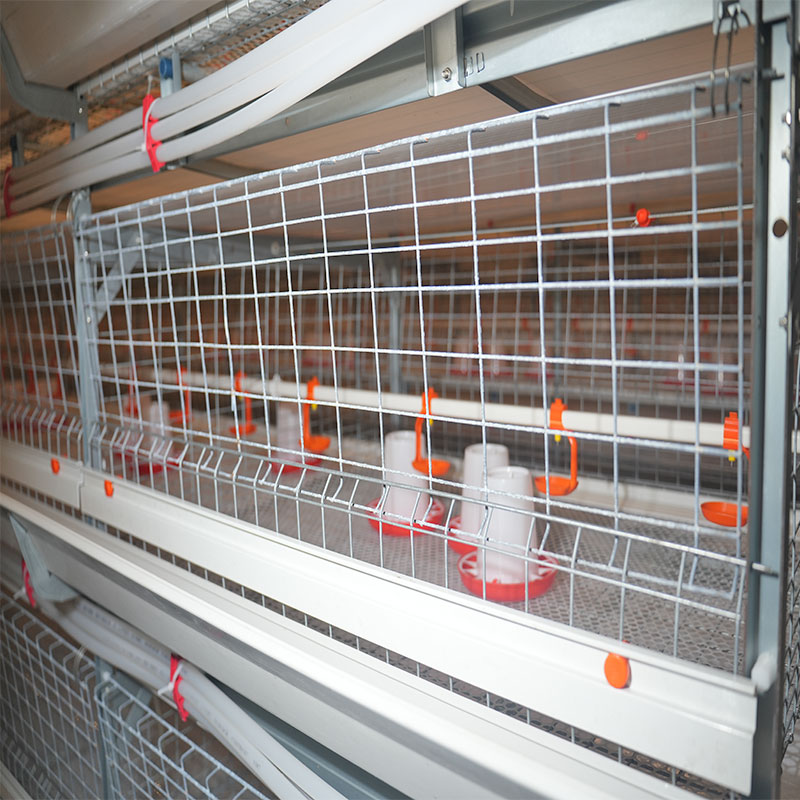
Wire Enclosures: Cages are constructed from mesh wire flooring and sides.
High Density: Multiple birds are housed in a single cage. A standard conventional cage might provide less than 550 cm² of space per hen—smaller than a standard sheet of letter paper.
Sloped Flooring: Floors are slanted so that laid eggs roll onto a conveyor belt for automated collection.
Automated Systems: Feed and water are provided via automated troughs and nipple lines running along the rows of cages. Manure drops through the wire floor onto belts or into pits below.
The design intentionally minimizes labor costs per bird and simplifies management tasks like egg collection and manure removal.
The shift to intensive battery cage systems began in earnest in the mid20th century. PostWorld War II demands for cheap, reliable protein drove innovation.
Primary Economic Drivers:
1. Space Efficiency: Housing tens of thousands of birds in a single shed maximizes output per square foot of building.
2. Labor Efficiency: Automation drastically reduces the manpower needed for feeding, watering, and egg collection compared to freerange systems.
3. Disease Control (Theoretical): Separating birds from their feces was believed to lower exposure to parasites and fecalborne diseases.
4. Feed Efficiency: Restricted movement lowers energy expenditure, theoretically converting feed into eggs more efficiently.
5. Standardization: Creates uniform conditions (lighting, feed) to predict and control production cycles.
This model succeeded in making eggs one of the most affordable sources of animal protein globally.
The welfare debate is the most significant challenge to battery cage systems. Critics argue that the extreme confinement inherently violates the birds' fundamental behavioral needs.
Core Welfare Compromises:
| Welfare Aspect | Battery Cage Reality | Natural Hen Behavior |
| : | : | : |
| Space & Movement | Cannot fully stretch wings, walk, or flap wings. | Forage over large areas; run; dust bathe; flap wings. |
| Perching | No provision for perching at night (a strong instinct). | Roost high off ground for safety during sleep. |
| Nesting | No secluded nesting area; lays egg on wire floor in open. | Seek out private, enclosed nests for egglaying. |
| Foraging & Dust Bathing | Impossible on wire floor; no litter to scratch or peck. | Spend >50% of active time groundscratching and dust bathing. |
| Social Structure | Crowded in small groups; cannot escape aggressive birds. | Form complex hierarchies with stable social groups. |
Scientific consensus from veterinary and ethological research indicates that these restrictions lead to physical and psychological problems:
Bone Weakness: Lack of loadbearing exercise leads to osteoporosis and fragile bones (high incidence of fractures during depopulation).
Foot Disorders: Constant contact with wire mesh can cause foot lesions and bumblefoot.
Feather Pecking & Cannibalism: Stress and boredom can trigger damaging behaviors amplified by close confinement.
Behavioral Frustration: The inability to perform innate behaviors like nesting is a significant source of stress.
Legislation on battery cages varies dramatically by region, reflecting shifting public values.
European Union: Banned conventional ("unenriched") battery cages in 2012 under Directive 1999/74/EC. Only "enriched cages" are permitted, which must provide at least 750 cm² per hen plus a nest box, perching space (~15cm/bird), and litter for scratching.
United States: No federal ban exists. However,
California's Proposition 12 (2018) requires all eggs sold instate to come from cagefree systems by 2022.
Many major retailers (Walmart, McDonald's) have committed to sourcing only cagefree eggs on corporate timelines.
United Egg Producers (industry group) abandoned support for new conventional cages in 2016.
India & Other Nations: Conventional cages are still widely used with minimal regulation.
"CageFree" Certification: Not synonymous with freerange or organic but means hens are not kept in cages inside barns/sheds (though density can still be high).
The market is evolving rapidly toward alternative housing systems:
1. Enriched/Colony Cages: An improved caged system providing slightly more space per hen (~750800 cm²) with mandated amenities (perch nest box scratching area). Seen as a compromise but still restricts major behaviors like full wingflapping or sustained walking.
2. CageFree/Barn Systems:
Hens live indoors in open barns with litter floors multitiered aviaries
They can perch nest dustbathe walk
Challenges include higher mortality potential disease spread feather pecking if not wellmanaged
3.FreeRange Systems:
Must meet "cagefree" standards plus have meaningful access to outdoor areas
Outdoor space quality varies significantly from pasture rotation concrete yards
4.Organic Systems:
Typically incorporate freerange requirements plus organic feed no antibiotics hormones
Highest space allowances among common certifications
5.PastureRaised Systems:
Highest welfare standard often mobile coops rotated on pasture
Hens exhibit fullest range natural behaviors forage insects plants resulting often distinct flavor nutritional profile eggs higher Vitamin D Omega3s
Arguments extend beyond animal welfare:
Food Safety Salmonella Risk
Proponents argued cages separated hens feces reducing Salmonella Enteritidis risk However recent largescale studies show prevalence linked more flock size hygiene overall not housing type alone Some data suggests higher environmental stressors caged systems may increase bacterial shedding Cagefree barns risk exposure contaminated litter if poorly managed Best practice management crucial any system
Egg Quality
Shell strength may slightly lower cagefree systems due activity collisions but nutritional content yolk color influenced primarily diet not housing Consumer sensory tests often report preference taste texture pastureraised eggs linked diverse diet carotenoids
Environmental Impact
Lifecycle assessments show intensive caged systems generally lower carbon footprint per dozen eggs due feed efficiency higher productivity Conversely alternative systems require more land feed resources same output leading tradeoff between welfare environmental efficiency Emerging practices regenerative grazing integrated farming aim mitigate this
Prioritizing outcomebased welfare metrics health feather cover mortality behavior over inputbased metrics square feet
Investing genetics suited noncaged environments calmer birds less prone feather pecking
Implementing precision livestock technology monitor health welfare realtime any system
Supporting transparent labeling truthful marketing help consumers align purchases values
Ultimately future likely diverse featuring range systems tailored market demands regional realities continuous improvement management practices ensure hen wellbeing regardless chosen housing architecture Journey away conventional battery cages underway destination multifaceted evolving landscape informed science ethics economics combined understanding empowers better decisions farm grocery aisle alike
Q1 What exactly is meant by "battery" in battery cage?
A The term "battery" refers industrial arrangement identical small wire cages connected series stacked rows columns similar electrical batteries series This denotes standardized massproduction approach housing laying hens emphasizing automation density over individual animal accommodation
Q2 Are battery cages illegal?
A Legality depends jurisdiction Conventional barren battery cages banned European Union United Kingdom Switzerland others Several US states passed laws phasing them out However many countries worldwide still permit use always check local regulations specific definitions
Q3 What's difference between battery cage enriched colony cage?
A Conventional battery cage barren wire enclosure providing less than ~550 cm² space hen nothing else Enriched colony cage larger provides minimum ~750800 cm² plus legally required amenities private nest box perching area litter scratching area While improvement enriched cages still restrict natural behaviors like flying sustained running
Q4 Do chickens suffer battery cages?
A Overwhelming scientific evidence based veterinary medicine animal behavior indicates yes Hens confined battery cages suffer due inability perform essential natural behaviors including stretching wings walking foraging dustbathing proper nesting This leads physical ailments bone weakness foot problems psychological stress frustration
Q5 Why farmers use battery cages if controversial?
A Historically primary drivers were economic efficiency lower initial infrastructure cost per bird reduced labor costs via automation higher stocking density perceived disease control easier manure management For decades this system delivered cheap abundant eggs meeting market demand low price point 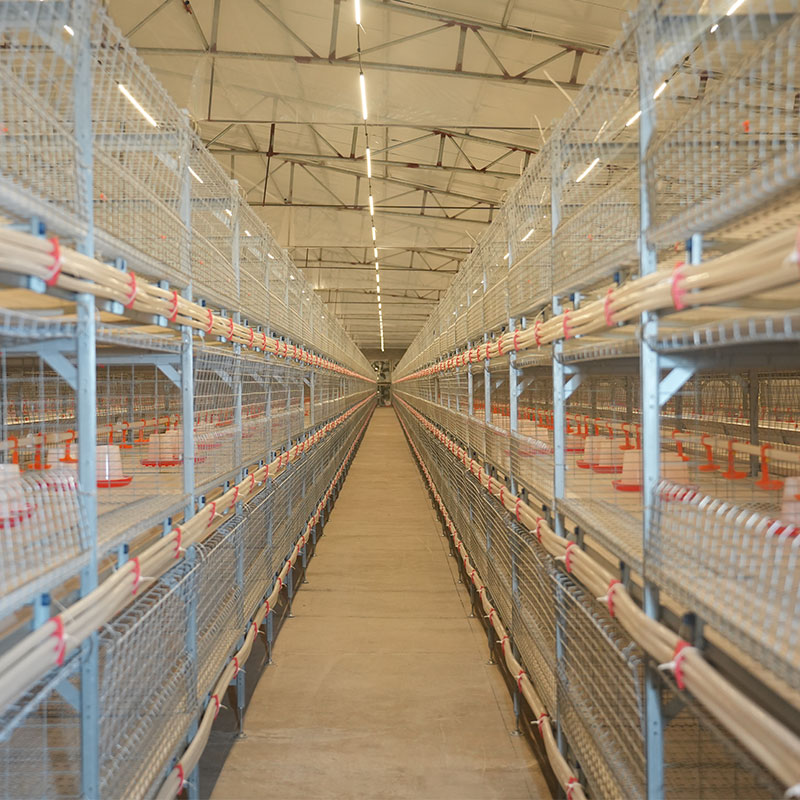
Q6 Are eggs from caged hens less nutritious?
A Direct macronutrient protein fat content similar across housing systems Diet primary driver nutritional profile However studies show eggs pastureraised hens access diverse forage insects can contain higher levels Vitamin D Omega3 fatty acids certain antioxidants due varied natural diet Yolk color also influenced diet not confinement
Q7 What does "cagefree" actually guarantee chickens?
A "Cagefree" means hens not kept cages They live open barns sheds can walk perch lay eggs nest boxes engage some natural behaviors It does NOT necessarily mean they outdoor access nor does specify stocking density quality management Can still crowded conditions Important distinction between "cagefree" "freerange" latter requires outdoor access
Q8 How identify avoid eggs from caged hens supermarket?
A Read carton labeling carefully Look specific terms:
"CageFree"
"FreeRange" or "PastureRaised"
"Certified Humane" "Animal Welfare Approved"
"Organic"(USDA Organic requires outdoor access)
Terms like "Natural" "Farm Fresh meaningless regarding confinement In EU codes printed eggshell indicate farming method '0' organic '1' freerange '2' barn(cagefree) '3' caged
Q9 Is salmonella risk higher cagefree farms?
A Risk factor complex not solely determined housing type Poor hygiene any system increases risk Some studies found different risk profiles Cages may reduce direct fecal contact but stress immunosuppression increase shedding Wellmanaged cagefree barns good biosecurity ventilation litter management achieve low prevalence Key superior husbandry sanitation regardless system
Q10 What global trend regarding use battery cages?
A Clear trend moving away conventional batteries Driven consumer demand corporate commitments legislation Europe led ban Many multinational food companies pledged source only cagefree eggs North America South America Asia seeing growing awareness market shifts However transition slower regions where cost sensitivity high infrastructure investment significant
1. Drinking system include the water pipes, water pressure adjuster, drinking nipples, Waterline front-end device, dosing system etc, choose them according to customer's needs.
2. High-quality water drinking pipes, pressure regulating valves and water drinking nipples can effectively prevent the water leakage. Drinking system adopt the closed piping system, which can minimize the water pollution.
3. 360-degree drinking nipples provide adequate drinking water for poultry at all stages.
4. The automatic drinking water system mainly adopts the steel ball drinking nipple. lt uses imported high-grad stainless steel, POM resin, and APS engineering material, which is wearing resistant, and the durability can be used for long time.



1. Automatic feeding machine can be chosen between gantry and ladder feeding machine. Gantry type feeding machine is a relatively economical and practical machine with simple operation, remote control walking character, easy to manage.
2. Mechanical transmission device running smoothly, low noise, long service life.
3. With the use of automatic control, the feeding system can adjust the amount of material.
4. Feeding with arched structure, high carrying capacity, not easily deformed.
5. Saving man power, saving feed, greatly improving the efficiency of Large-scale farming.
6. The walking speed of gantry feeding machine is 9--12 m/min.




1. Manure removing system included scraper type and conveyor belt type, Which can reduce the labor intensity and labor cost, keep the chicken shed dry and clean.
2. A type chicken cage can use scraper type or conveyor belt type.


3. The scraper type is suitable for A type cages, which can clean two or three rows. For the starters, this type is a good choice. lt can not only save some labor cost, but also save some investment in the whole project. The cleaning speed is 6-10 meters per minute.
4. Conveyor belt type is more suitable for large scale farming. The manure removing belt we use is high quality PP material (polypropylene). The walking speed is 2-4 meters per minute.



High Quality Pellets Made by Mobile Pellet Machine
1. It has professional designed angle of the blade. After the dynamic balance test one by one, the blade can operate smoothly.
2. The air volume is consistent in the whole life of the fan. Bearings has advantage of high strength, low noise, durable and so on.
1. The cooling pads uses high-quality wet curtain paper and adopts space cross-linking technology, which has the advantages of high water absorption, high water resistance, anti-toxicity and long service life.
2. The cooling efficiency is over 80%, without surfactant, natural water absorption, fast diffusion speed and long-lasting effect.
3. The product does not contain phenol and other chemical substances that are easy to cause skin allergies. It is non-toxic and harmless to the human body and chicken when installed and used. It is green, safe, energy-saving, environmentally friendly, economical, and easy to install.
4. The frame aluminum alloy has high strength, good corrosion resistance, durability and beautiful appearance.
5. Use a special filter for the cooling pad at the upper water to ensure clean water quality and support efficient water circulation components.
6. Combined with a negative pressure fan, it can effectively lower the indoor temperature.
The window is made of special selected high-quality engineering plastic, with high strength and long service life, together with superior anti-aging and anti-UV performance.
Function: Ventilation of the chicken house, usually used in the winter.
This system can adjust the wind speed and direction, thus the cold air will not reach chicken directly , which can effectively prevent the phenomenon of cold stress in chicken.
Environmental control system equipment is suitable for large-scale and intensive farming. According to customer requirements, we can provide various types of smart poultry equipment.
1. Our poultry management system is a modular system that manages all aspects of the chicken house, such as climate, temperature, humidity, ammonia, feeding, feed weighing, lighting and ventilation systems, and can monitor the situation of the chicken house in real time through a computer and mobile phone.
2. The management computer is the heart of the poultry farm, allowing you to easily monitor the entire poultry farm.

 WeChat:+8617838608255