Battery Cage Poultry Farming: A Practical Guide for Modern Poultry Farmers
Poultry farming has evolved significantly over the years, with battery cage systems emerging as a dominant method for efficient egg production. These systems maximize space, improve hygiene, and streamline management—critical factors for commercial success. For farmers considering or currently using battery cages, understanding the design, benefits, and operational best practices is essential.
How Battery Cages Work
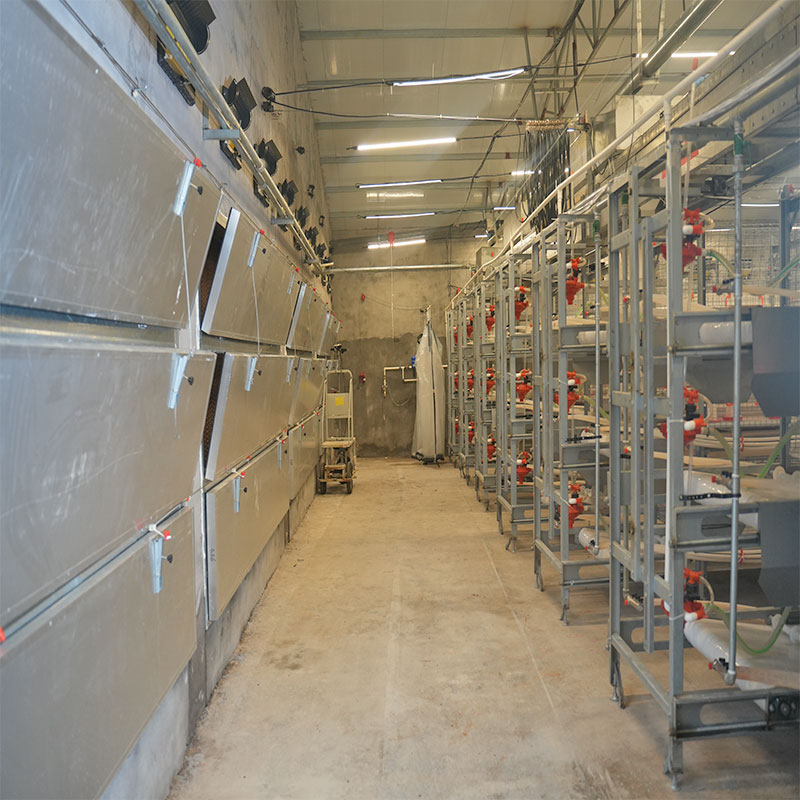
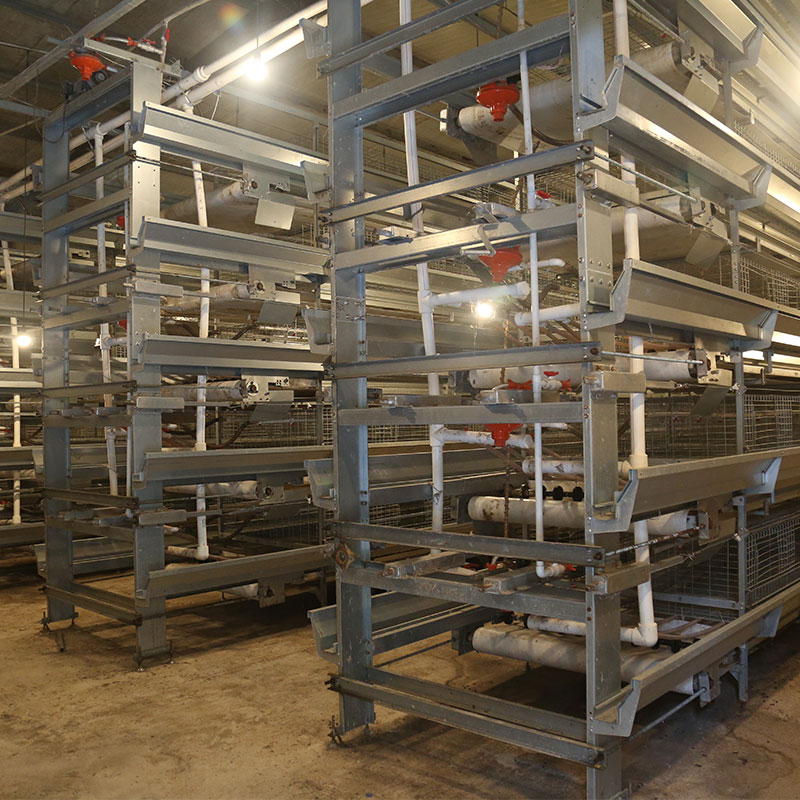
Battery cages are structured enclosures, typically made of galvanized wire, designed to house multiple laying hens in a compact, tiered arrangement. Each cage holds a small group of birds, providing individual access to feed and water while eggs roll onto a collection tray. The stacked design allows farmers to utilize vertical space, making it possible to manage thousands of birds within a single poultry house.
Unlike free-range systems where hens roam freely, battery cages restrict movement, reducing energy expenditure and increasing feed efficiency. A hen in a cage doesn’t waste calories scratching or foraging—instead, nutrients go directly into egg production. This controlled environment also minimizes issues like feather pecking and cannibalism, common in overcrowded floor systems.
Advantages of Battery Cage Systems

1. Higher Egg Production
Battery cages create an optimized environment for laying. Hens experience less stress because they aren’t competing for nesting space. Eggs roll away immediately after being laid, reducing breakage and contamination. Farmers report up to 10-15% higher egg yields compared to deep litter systems.
2. Space Efficiency
A single-tier floor system might hold 5 birds per square meter, but a three-tier battery cage system can house 18-20 birds in the same footprint. This vertical stacking is especially valuable for farms with limited land.
3. Disease Control
Manure drops through the wire mesh, separating birds from waste. This significantly lowers the risk of bacterial infections like E. coli or parasitic infestations. Automated manure belts in modern setups further reduce labor while maintaining hygiene.
4. Lower Feed Wastage
Feed troughs are positioned precisely, preventing hens from scratching or spilling pellets. In free-range setups, up to 20% of feed can be lost to spoilage or pests—battery cages nearly eliminate this problem.
5. Easier Monitoring and Management
With birds confined to cages, health checks become faster. Sick hens are immediately visible, and vaccination or treatment can be administered without chasing birds through a crowded coop.
Common Misconceptions and Challenges
Myth: Battery Cages Cause Excessive Stress
While early cage designs were cramped, modern versions comply with animal welfare regulations, providing adequate space per bird. EU standards, for example, mandate at least 550 cm² per hen—enough for comfortable movement. Farmers who follow recommended stocking densities see minimal behavioral issues.
Challenge: Initial Investment Costs
Setting up a battery cage system requires capital. A 10,000-bird unit with automated feeding, watering, and egg collection can cost between $20,000–$50,000. However, the long-term savings in labor, feed, and mortality often justify the expense.
Myth: Cage Eggs Are Lower Quality
Egg quality depends on nutrition, not housing. Hens in cages receive balanced feed, leading to consistent shell strength and yolk color. The rapid collection system also ensures eggs stay cleaner than in floor systems where they may contact dirt or manure.
Best Practices for Battery Cage Farming
1. Optimal Stocking Density
Overcrowding reduces productivity. Follow manufacturer guidelines—usually 3-5 birds per cage, depending on size. For heavier breeds like ISA Browns, allow more space to prevent feather wear.
2. Lighting Management
Hens need 14–16 hours of light daily for peak production. Use automated timers to maintain consistency. Sudden changes in lighting can disrupt laying cycles.
3. Ventilation and Temperature Control
Ammonia from manure can irritate birds’ respiratory systems. Install exhaust fans and ensure proper airflow. In hot climates, evaporative cooling pads help prevent heat stress.
4. Routine Health Checks
Monitor for signs of mites, respiratory infections, or lethargy. Caged hens are less exposed to parasites but still require regular deworming and vaccination.
5. Manure Management
Remove manure daily if using manual scrapers. Automated belt systems should run at least twice a week to prevent buildup. Dry manure can be composted and sold as fertilizer.
Comparing Battery Cages to Alternative Systems
Battery Cages vs. Free-Range
Free-range systems appeal to niche markets but require more land and labor. Predators, weather, and disease exposure add unpredictability. Battery cages offer stability for large-scale production.
Battery Cages vs. Deep Litter
Deep litter systems use bedding material like wood shavings, which must be replaced regularly. While they allow natural behaviors, they also harbor pathogens. Battery cages simplify cleanliness.
Battery Cages vs. Aviary Systems
Aviaries provide vertical space for flying and perching but demand meticulous management to prevent floor eggs and cannibalism. Battery cages streamline egg collection.
The Future of Battery Cage Farming
Regulations continue to evolve, with some regions phasing out conventional cages in favor of enriched systems that include perches and nesting areas. However, for most commercial egg producers, battery cages remain the most efficient method. Innovations like smart sensors for feed and water monitoring are further enhancing productivity.
For poultry farmers prioritizing output, hygiene, and cost control, battery cage systems deliver measurable results. Properly managed, they provide a sustainable way to meet the growing demand for eggs while maintaining bird health and farm profitability.
1. Drinking system include the water pipes, water pressure adjuster, drinking nipples, Waterline front-end device, dosing system etc, choose them according to customer's needs.
2. High-quality water drinking pipes, pressure regulating valves and water drinking nipples can effectively prevent the water leakage. Drinking system adopt the closed piping system, which can minimize the water pollution.
3. 360-degree drinking nipples provide adequate drinking water for poultry at all stages.
4. The automatic drinking water system mainly adopts the steel ball drinking nipple. lt uses imported high-grad stainless steel, POM resin, and APS engineering material, which is wearing resistant, and the durability can be used for long time.



1. Automatic feeding machine can be chosen between gantry and ladder feeding machine. Gantry type feeding machine is a relatively economical and practical machine with simple operation, remote control walking character, easy to manage.
2. Mechanical transmission device running smoothly, low noise, long service life.
3. With the use of automatic control, the feeding system can adjust the amount of material.
4. Feeding with arched structure, high carrying capacity, not easily deformed.
5. Saving man power, saving feed, greatly improving the efficiency of Large-scale farming.
6. The walking speed of gantry feeding machine is 9--12 m/min.




1. Manure removing system included scraper type and conveyor belt type, Which can reduce the labor intensity and labor cost, keep the chicken shed dry and clean.
2. A type chicken cage can use scraper type or conveyor belt type.


3. The scraper type is suitable for A type cages, which can clean two or three rows. For the starters, this type is a good choice. lt can not only save some labor cost, but also save some investment in the whole project. The cleaning speed is 6-10 meters per minute.
4. Conveyor belt type is more suitable for large scale farming. The manure removing belt we use is high quality PP material (polypropylene). The walking speed is 2-4 meters per minute.



High Quality Pellets Made by Mobile Pellet Machine
1. It has professional designed angle of the blade. After the dynamic balance test one by one, the blade can operate smoothly.
2. The air volume is consistent in the whole life of the fan. Bearings has advantage of high strength, low noise, durable and so on.
1. The cooling pads uses high-quality wet curtain paper and adopts space cross-linking technology, which has the advantages of high water absorption, high water resistance, anti-toxicity and long service life.
2. The cooling efficiency is over 80%, without surfactant, natural water absorption, fast diffusion speed and long-lasting effect.
3. The product does not contain phenol and other chemical substances that are easy to cause skin allergies. It is non-toxic and harmless to the human body and chicken when installed and used. It is green, safe, energy-saving, environmentally friendly, economical, and easy to install.
4. The frame aluminum alloy has high strength, good corrosion resistance, durability and beautiful appearance.
5. Use a special filter for the cooling pad at the upper water to ensure clean water quality and support efficient water circulation components.
6. Combined with a negative pressure fan, it can effectively lower the indoor temperature.
The window is made of special selected high-quality engineering plastic, with high strength and long service life, together with superior anti-aging and anti-UV performance.
Function: Ventilation of the chicken house, usually used in the winter.
This system can adjust the wind speed and direction, thus the cold air will not reach chicken directly , which can effectively prevent the phenomenon of cold stress in chicken.
Environmental control system equipment is suitable for large-scale and intensive farming. According to customer requirements, we can provide various types of smart poultry equipment.
1. Our poultry management system is a modular system that manages all aspects of the chicken house, such as climate, temperature, humidity, ammonia, feeding, feed weighing, lighting and ventilation systems, and can monitor the situation of the chicken house in real time through a computer and mobile phone.
2. The management computer is the heart of the poultry farm, allowing you to easily monitor the entire poultry farm.

 WeChat:+8617838608255