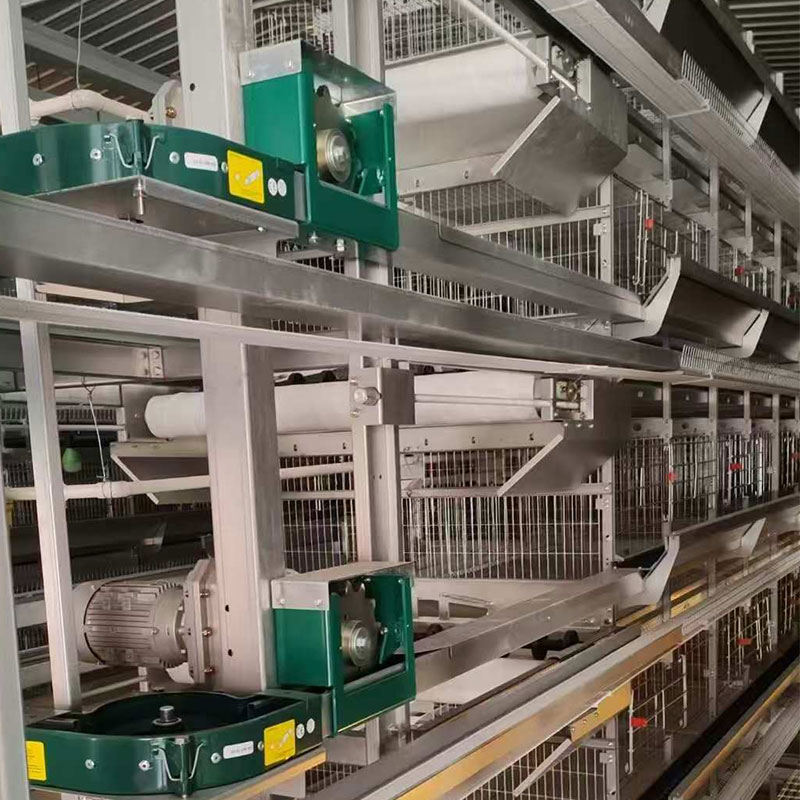
Battery Cage Price: A Comprehensive Guide for Poultry Farmers
When considering the expansion or modernization of a poultry operation, understanding battery cage prices is a critical first step. However, focusing solely on the initial cost per unit is a common mistake that can lead to longterm inefficiencies and unforeseen expenses. This comprehensive guide goes beyond a simple price list to explore the total cost of ownership, key market factors, and essential considerations for making an informed investment that aligns with both economic viability and evolving animal welfare standards. Whether you're a smallscale farmer or managing a large commercial layer operation, this analysis will equip you with the knowledge to budget effectively and choose the right system for your needs.
Battery cages, also known as conventional cage systems, are enclosures designed for housing egglaying hens. They are structured in rows and tiers to maximize space efficiency within a poultry house. Before delving into costs, it's crucial to understand what you are purchasing.
A typical system includes:
The cage unit itself (wire mesh panels, floors, supports).
Integrated feeding troughs.
Drinking lines (nipple drinkers).
Egg collection belts (manual or automated).
Manure removal systems (dropping boards, belts, or pits).
The level of automation integrated into these components is the primary driver of price variation.
The cost of battery cage systems is not uniform. It fluctuates based on several interdependent factors:
This is the most significant price determinant.
Manual Systems: Require hand collection of eggs, manual feed distribution, and manure cleaning. Lowest upfront cost, but highest longterm labor costs.
SemiAutomated Systems: Typically feature automated feeding and watering with manual egg collection. A middleground investment.
Fully Automated Systems: Include automated egg collection, central feeding systems, programmed lighting, climate control, and manure belts. Highest upfront investment, but offers dramatic labor savings, improved consistency, and data collection capabilities.
Bird Density & Tier Levels: Prices are often calculated "per bird place" or "per cage unit." Systems with 35 tiers are standard. Highertier systems increase bird capacity per square foot of building space but may require more sophisticated ventilation and management.
Cage Size & Design: Traditional vs. enriched (furnished) colony cages. Enriched cages provide perches, nesting areas, and scratching areas but are more expensive per bird place due to increased material use and reduced stocking density.
Galvanization: Hotdip galvanized steel offers superior rust resistance compared to electrogalvanized wire and is essential for longevity in ammoniarich environments. It commands a higher price.
Wire Gauge & Strength: Thicker gauge wire lasts longer but increases material cost.
Component Quality: The durability of drinkers, feeders, belt motors, and controllers directly impacts maintenance costs and system lifespan.
International Brands (e.g., Big Dutchman, Salmet): Premium pricing reflecting R&D, global service networks, and proven reliability.
Local/Regional Manufacturers: Often offer competitive pricing with potentially lower shipping costs but may vary in quality and aftersales support.
Disclaimer: Prices are highly variable based on the factors above. These are estimated ranges for planning purposes.
| System Type | Automation Level | Estimated Price Per Bird Place (USD) | Key Considerations |
| : | : | : | : |
| Basic Manual System | Low | $3 $6 | High operational labor cost; suitable for very smallscale operations. |
| Standard SemiAuto | Medium | $7 $12 | Common choice for midsized farms; balances capital outlay with labor efficiency. |
| Advanced Fully Auto | High | $13 $25+ | Major capital expenditure offset by low labor costs & high efficiency; includes climate/egg collection tech. |
| Enriched Colony System| MediumHigh | $15 $30+ | Higher welfare design; complies with certain regional regulations (e.g., EU); lower stocking density increases perbird cost. |
Additional Cost Components:
Shipping & Logistics: Can add 1025%+ to the total project cost.
Installation & Commissioning: Professional installation is recommended for automated systems.
Spare Parts Kit: An essential initial purchase to minimize downtime.
Building Modifications: Ventilation upgrades reinforced flooring may be necessary.

Smart farmers evaluate "price" as the total cost over the system's lifespan.
1. Initial Capital Expenditure (CAPEX): The purchase price of cages and equipment.
2. Installation & Setup Costs
3. Operational Costs:
Labor
Feed Efficiency (welldesigned feeders reduce waste)
Water Consumption
Energy for automation motors lighting ventilation
4. Maintenance & Repair Costs
5. Depreciation
A fully automated system with double the upfront "price" may have a lower total cost over 10 years due to savings in labor feed waste reduction improved bird performance leading to higher egg yield
Animal welfare regulations are reshaping the poultry industry globally which directly affects cage prices viability
1 Assess Your Business Model Define flock size target market production goals budget constraints
2 Research Local Regulations Consult veterinary authorities agricultural extensions understand current future legal landscape
3 Calculate Total Cost Projections Model CAPEX + OPEX over minimum years using different automation scenarios
4 Vet Suppliers Request detailed quotations visit existing installations check references inquire about aftersales service spare parts availability
5 Plan Infrastructure Ensure poultry house can support chosen system electrical water load floor strength ventilation capacity
While finding competitive battery cage prices important it should not be sole deciding factor Successful investment balances initial expenditure against longterm operational efficiency bird welfare compliance market access durability Choose equipment aligns strategic goals offers reliable performance years come Prioritize quality service from reputable supplier ultimately provides greater value than lowest bid By taking holistic view outlined this guide make confident informed decision ensures profitability sustainability your poultry enterprise
Q1: What is the average price for a battery cage system per bird?
A1 There no single "average" price As detailed above range typically between $6 $25+ per bird place depending primarily automation level material quality Basic manual setups cheaper semiautomated standard fully automated systems represent top end spectrum
Q2: Are used battery cages cheaper option?
A2 Used equipment offer significant upfront savings However crucial inspect wear tear especially galvanization wire integrity functionality moving parts like belts drinkers Availability spare parts discontinued models major challenge Factor refurbishment transportation costs potential lack warranty
Q3: How much does fully automatic layer cage system cost?
A3 Fully automatic highcapacity systems represent premium investment Estimated starting point around $13 per bird place can exceed $25+ for toptier brands advanced features like integrated climate control data monitoring Exact quote requires specific project details from manufacturer
Q4: What main cost difference between traditional enriched colony cages?
A4 Enriched colony cages larger include furnishings like perches nest boxes scratching areas This reduces number birds housed same footprint increasing material cost per bird Additionally design manufacturing complex Both factors make enriched systems notably more expensive than traditional battery cages 
Q5: Does higher price guarantee better quality?
A5 Generally yes especially regarding materials automation components However essential due diligence Reputable manufacturer proven track record hotdip galvanized steel reliable motors controllers worth premium Cheaper alternatives incur higher maintenance replacement costs negating initial savings
Q6: What hidden costs should I budget when buying battery cages?
A6 Beyond unit price budget shipping import duties installation electrical plumbing work potential building modifications spare parts inventory initial training staff ongoing maintenance contracts These easily add % total project cost
Q7: How has global supply chain affected battery cage prices recently?
A7 Steel prices logistics freight costs have been volatile leading price increases lead times from manufacturers Securing detailed fixedprice quotation understanding delivery schedule critical steps current market
Q8: Can I get financing poultry cage equipment?
A8 Many agricultural banks equipment dealers offer financing leasing options This allows spread capital outlay over time aligning payment schedule productivity asset Useful managing cash flow especially large purchases
Q9: How long typical battery cage system last before replacement needed?
A9 Wellmaintained highquality hotdip galvanized system last years plus Lifespan heavily depends environmental conditions maintenance practices corrosive ammoniarich environment degrade poorquality materials rapidly
Q10: Are there cheaper alternatives battery cages smallscale farmers?
A10 For very small flocks deep litter freerange barn systems involve lower infrastructure startup costs However they often require more land management labor different disease pressure profile Economic comparison must based specific scale circumstances
1. Drinking system include the water pipes, water pressure adjuster, drinking nipples, Waterline front-end device, dosing system etc, choose them according to customer's needs.
2. High-quality water drinking pipes, pressure regulating valves and water drinking nipples can effectively prevent the water leakage. Drinking system adopt the closed piping system, which can minimize the water pollution.
3. 360-degree drinking nipples provide adequate drinking water for poultry at all stages.
4. The automatic drinking water system mainly adopts the steel ball drinking nipple. lt uses imported high-grad stainless steel, POM resin, and APS engineering material, which is wearing resistant, and the durability can be used for long time.



1. Automatic feeding machine can be chosen between gantry and ladder feeding machine. Gantry type feeding machine is a relatively economical and practical machine with simple operation, remote control walking character, easy to manage.
2. Mechanical transmission device running smoothly, low noise, long service life.
3. With the use of automatic control, the feeding system can adjust the amount of material.
4. Feeding with arched structure, high carrying capacity, not easily deformed.
5. Saving man power, saving feed, greatly improving the efficiency of Large-scale farming.
6. The walking speed of gantry feeding machine is 9--12 m/min.




1. Manure removing system included scraper type and conveyor belt type, Which can reduce the labor intensity and labor cost, keep the chicken shed dry and clean.
2. A type chicken cage can use scraper type or conveyor belt type.


3. The scraper type is suitable for A type cages, which can clean two or three rows. For the starters, this type is a good choice. lt can not only save some labor cost, but also save some investment in the whole project. The cleaning speed is 6-10 meters per minute.
4. Conveyor belt type is more suitable for large scale farming. The manure removing belt we use is high quality PP material (polypropylene). The walking speed is 2-4 meters per minute.



High Quality Pellets Made by Mobile Pellet Machine
1. It has professional designed angle of the blade. After the dynamic balance test one by one, the blade can operate smoothly.
2. The air volume is consistent in the whole life of the fan. Bearings has advantage of high strength, low noise, durable and so on.
1. The cooling pads uses high-quality wet curtain paper and adopts space cross-linking technology, which has the advantages of high water absorption, high water resistance, anti-toxicity and long service life.
2. The cooling efficiency is over 80%, without surfactant, natural water absorption, fast diffusion speed and long-lasting effect.
3. The product does not contain phenol and other chemical substances that are easy to cause skin allergies. It is non-toxic and harmless to the human body and chicken when installed and used. It is green, safe, energy-saving, environmentally friendly, economical, and easy to install.
4. The frame aluminum alloy has high strength, good corrosion resistance, durability and beautiful appearance.
5. Use a special filter for the cooling pad at the upper water to ensure clean water quality and support efficient water circulation components.
6. Combined with a negative pressure fan, it can effectively lower the indoor temperature.
The window is made of special selected high-quality engineering plastic, with high strength and long service life, together with superior anti-aging and anti-UV performance.
Function: Ventilation of the chicken house, usually used in the winter.
This system can adjust the wind speed and direction, thus the cold air will not reach chicken directly , which can effectively prevent the phenomenon of cold stress in chicken.
Environmental control system equipment is suitable for large-scale and intensive farming. According to customer requirements, we can provide various types of smart poultry equipment.
1. Our poultry management system is a modular system that manages all aspects of the chicken house, such as climate, temperature, humidity, ammonia, feeding, feed weighing, lighting and ventilation systems, and can monitor the situation of the chicken house in real time through a computer and mobile phone.
2. The management computer is the heart of the poultry farm, allowing you to easily monitor the entire poultry farm.

 WeChat:+8617838608255