Battery Cage System: A Comprehensive Guide to History, Welfare, and Alternatives
The battery cage system is one of the most widespread and controversial practices in modern animal agriculture. For decades, it has been the dominant method for egg production globally, designed to maximize efficiency and output. However, it sits at the center of intense debate involving animal welfare, food ethics, consumer choice, and agricultural economics. This article provides a detailed, expert examination of battery cages—their design, implications, and the evolving landscape of egg production—to help you understand this complex issue from multiple informed perspectives.
A battery cage system is a housing structure used for egglaying hens (Gallus gallus domesticus). The term "battery" refers to the arrangement of identical cages connected in long rows and stacked in multiple tiers (often 38 levels), resembling a battery of cells.
Key Design Characteristics:
Individual Cages: Each cage is typically made of wire mesh.
Space Allowance: Historically and still common in many regions, each hen is afforded space less than a standard lettersized (A4) piece of paper. The minimum space per hen has been a critical point of regulation and change.
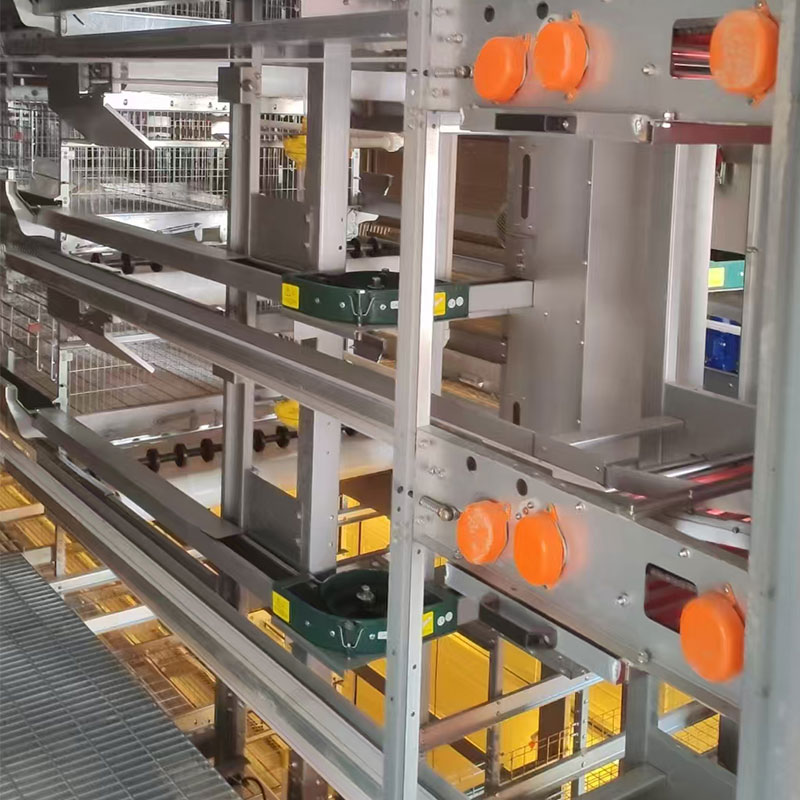
Automation: The systems are designed for automation. Conveyor belts deliver feed and water to the front of the cages and remove manure from below. Eggs roll forward onto another collection belt.
High Density: A single shed can house tens or even hundreds of thousands of hens.
The primary objective is economic efficiency: minimizing cost per egg by reducing land use, automating processes, and concentrating a large number of birds in a controlled environment.
The development of the battery cage accelerated after World War II, driven by postwar food security concerns and industrialization trends in agriculture.
1950s1970s: Rapid adoption as it allowed for yearround production unaffected by weather or predators.
Efficiency Gains: It dramatically reduced labor requirements, feed costs (through controlled diets), and mortality from exposure or disease transmission from wildlife.
Global Standardization: By the late 20th century, it became the default system for commercial egg production in most industrialized nations.
The welfare debate around battery cages is grounded in animal ethology—the study of natural animal behavior. Critics argue that the system inherently prevents hens from expressing their fundamental natural behaviors.
1. Severe Space Restriction: Hens cannot fully stretch their wings, walk freely, or engage in normal movement.
2. Inability to Perform Natural Behaviors:
Foraging & Scratching: No litter or substrate is provided.
Dust Bathing: An essential behavior for feather maintenance and parasite control is impossible.
Perching: Hens have a strong instinct to roost off the ground at night. Conventional cages lack perches.
Nesting: Hens seek secluded, secure areas to lay eggs. Cages deny this instinct, leading to frustration.
3. Physical Health Issues:
Osteoporosis & Bone Fractures: Due to lack of exercise combined with high calcium demand for egg production. Studies show high rates of bone breakage during depopulation.
Foot Problems & Feather Loss: Constant contact with wire mesh can cause foot lesions and wear away feathers.
4. Psychological Stress: Crowding and behavioral restriction can lead to chronic stress indicators.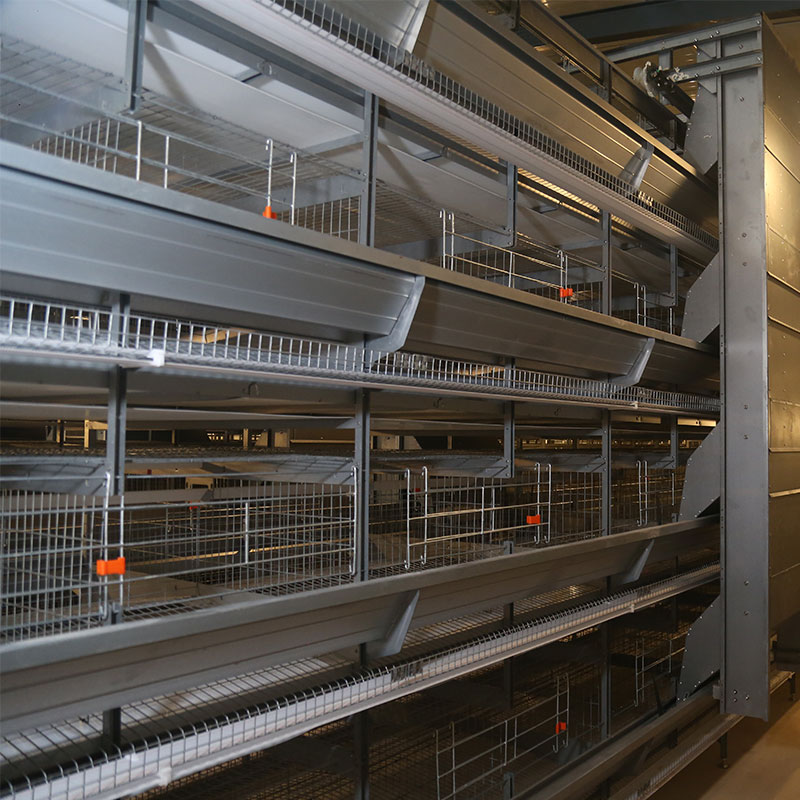
Scientific bodies like the European Food Safety Authority (EFSA) have consistently concluded that battery cages present inherent welfare risks due to these severe limitations.
Regulations governing battery cages vary dramatically worldwide.
| Region/Country | Key Legislation & Status | Minimum Space Allowance (approx.) |
| : | : | : |
| European Union | Directive 1999/74/EC banned "conventional" battery cages as of Jan 1, 2012. | "Enriched" or "Furnished" cages required (750 cm² per hen, plus nest box, perch, litter). |
| United States | No federal ban. Some states have passed laws (CA, MA, WA etc.) via ballot initiatives banning confinement systems that prevent turning around/full wing extension. Varies by state. | Varies by state law; industry often uses United Egg Producers (UEP) voluntary guidelines (~432 cm² for caged systems). |
| Canada | National Code of Practice updated (2017). Phaseout of conventional cages by 2036 in favor of enriched housing or cagefree systems.| Moving towards enriched cage standards (~800 cm²). |
| New Zealand | Banned new conventional cage installations in 2012; full phaseout by end of 2022.| Transitioned entirely to colony (enriched) cages or barn/freerange systems. |
| Many other countries| Often limited or no specific regulations; conventional battery cages remain prevalent.| Can be as low as ~300400 cm² per hen (less than an A4 sheet). |
This table highlights a significant global divergence driven by cultural values, economic development stages, and advocacy efforts.
In response to welfare concerns and legislation like the EU's ban on conventional batteries,enriched colony cages were developed as a modified system.
They provide slightly more space (750800 cm²+ per hen) and mandate key features:
A nest box area for laying
Perches at different levels
A scratching area with litter
While an improvement over barren batteries,many animal welfare scientists argue they still significantly restrict movement (like flying short distances or running) and group sizes can be large. They are considered an intermediate step between conventional cages and noncage systems.
Consumer demand has driven significant growth in alternative production systems:
1. CageFree / Barn Systems:
Hens live indoors in open barns with unlimited access to floor space,litter,and perches.They are not confined to cages but may not have outdoor access.Variations include multitier aviaries with platforms.This term does not necessarily imply higher welfare without strong auditing standards(e.g., stocking density limits).
2.FreeRange Systems:
Must meet all cagefree criteria AND provide meaningful outdoor access during daylight hours.Regulations define minimum outdoor space,duration,and characteristics(e.g.,vegetation cover).
3.Organic Systems:
Typically incorporate freerange requirements plus additional rules on feed(organic),prohibited use antibiotics,and more stringent animal welfare provisions(e.g.,lower stocking densities indoors).
4.PastureRaised Systems:
Often exceeding freerange standards,housing birds on rotating pastureland where they forage intensively.This model prioritizes natural behavior expression but represents a small market share due higher costs land management needs .
Each alternative presents tradeoffs between perceived welfare improvements ,environmental footprint ,production cost ,and biosecurity risk management .
Transitioning away from traditional battery cage involves complex tradeoffs:
There’s no universally “perfect” system ;each involves balancing priorities within specific socioeconomic contexts .
The trajectory global egg production moving away traditional barren battery cage toward more complex housing designs reflects shifting societal expectations about farm animal treatment .While enriched colonies represent incremental change within industrial framework ,momentum clearly building behind various forms noncage production driven retailer commitments legislation consumer preference .
As informed participant food system —whether policymaker farmer business owner consumer —understanding technical aspects ethical implications economic realities these different models crucial making responsible decisions future direction agriculture .Ultimately question isn't merely about abandoning one technology but rather designing resilient equitable sustainable food systems prioritize both human needs intrinsic value animals under our care .
Q1: What exactly does "battery" mean in "battery cage"?
A1: The term "battery" refers not to power source but rather arrangement identical units connected together series —similar usage describing artillery battery .In context poultry farming describes long rows uniform wire mesh cages stacked multiple tiers forming single intensive housing unit .
Q2 Are battery cages illegal?
A2 Legality depends jurisdiction European Union banned conventional barren battery cages since January However many other countries including parts United States Asia Africa still permit them albeit sometimes with revised space standards Some U.S states like California Michigan passed laws prohibiting sale eggs from hens confined ways that prevent turning around extending wings which effectively bans traditional designs .
Q3 How much space does hen get typical battery cage?
A3 In conventional unenriched system common throughout much world average space allowance often falls between square inches roughly equivalent size standard sheet paper This includes both floor area height insufficient allow bird stand fully upright spread wings .
Q4 What main difference between enriched colony cage regular one ?
A4 Enriched colony also known furnished provides slightly more internal height mandates inclusion specific furnishings allow expression certain natural behaviors These include perch nesting box area scratch litter material They represent regulatory upgrade over barren designs but still confine birds within enclosed wire structure limiting full behavioral repertoire compared noncage environments .
Q5 Do chickens suffer living inside such cramped conditions ?
A5 Based extensive scientific research fields animal behavior physiology consensus among leading veterinary associations welfare scientists yes Chickens experience significant physical psychological stress due inability perform innate behaviors like dustbathing foraging nesting perching Chronic stress leads health problems including weakened bones feather loss increased susceptibility diseases which constitutes suffering according widely accepted definitions animal sentience capacity experience pain distress discomfort boredom frustration fear anxiety hunger thirst etcetera ...
Note This answer reflects established consensus within applied ethology community while acknowledging some stakeholders may hold differing views based other priorities metrics evaluation ...
Q6 Why were these ever invented first place if they cause suffering ?
A6 Developed midcentury context postwar food scarcity industrialization agriculture primary drivers were economic efficiency productivity maximization reducing labor costs increasing output affordable protein mass population At time little public awareness consideration given concept farm animal sentience cognitive abilities Over subsequent decades scientific understanding evolved alongside changing societal values leading current reevaluation practices once considered purely pragmatic progress ...
Q7 Is there nutritional difference eggs produced different housing types ?
A7 Nutritional composition primarily determined hen's diet breed age While some studies show minor variations omega fatty acids vitamin D content depending access sunlight forage differences macronutrients protein fat cholesterol negligible between caged noncage eggs Marketing claims regarding taste color yolk often relate dietary components rather confinement method itself ...
Q8 How can identify buy eggs not coming from caged hens ?
A8 Check carton labeling carefully Look thirdparty certifications like Certified Humane Animal Welfare Approved USDA Organic Pasture Raised Also note terms regulated meaning varies country In U.S “CageFree” means no cages but indoor only “Free Range” adds outdoor access though duration quality undefined “PastureRaised” implies significant time outdoors rotating pasture Best practice research specific brand standards visit farm websites transparency reports ...
Q9 What biggest challenges farmers face transitioning away from using them ?
A9 Major hurdles include high capital investment retrofitting building entirely new facilities increased labor requirements managing larger flocks open barns mastering new skills disease prevention flock dynamics without physical barriers managing outdoor access areas dealing potentially higher mortality rates initially learning curve adopting new technologies ventilation manure handling automated equipment within different layouts Additionally uncertain market premiums price volatility make financial planning difficult especially smaller operations without longterm contracts buyers willing share transition costs ...
Q10 Are any situations where might considered necessary acceptable practice today ?
A10 Some arguments advanced favor maintaining certain forms highly controlled environments include biosecurity protection against avian influenza outbreaks transmitted wild birds preventing parasitic infections controlling predation ensuring consistent temperature regulation extreme climates However critics counter similar outcomes achievable wellmanaged noncage systems through robust management protocols vaccination programs predatorproofing climatecontrolled barns suggesting necessity often more economic than absolute biological imperative ...
1. Drinking system include the water pipes, water pressure adjuster, drinking nipples, Waterline front-end device, dosing system etc, choose them according to customer's needs.
2. High-quality water drinking pipes, pressure regulating valves and water drinking nipples can effectively prevent the water leakage. Drinking system adopt the closed piping system, which can minimize the water pollution.
3. 360-degree drinking nipples provide adequate drinking water for poultry at all stages.
4. The automatic drinking water system mainly adopts the steel ball drinking nipple. lt uses imported high-grad stainless steel, POM resin, and APS engineering material, which is wearing resistant, and the durability can be used for long time.



1. Automatic feeding machine can be chosen between gantry and ladder feeding machine. Gantry type feeding machine is a relatively economical and practical machine with simple operation, remote control walking character, easy to manage.
2. Mechanical transmission device running smoothly, low noise, long service life.
3. With the use of automatic control, the feeding system can adjust the amount of material.
4. Feeding with arched structure, high carrying capacity, not easily deformed.
5. Saving man power, saving feed, greatly improving the efficiency of Large-scale farming.
6. The walking speed of gantry feeding machine is 9--12 m/min.




1. Manure removing system included scraper type and conveyor belt type, Which can reduce the labor intensity and labor cost, keep the chicken shed dry and clean.
2. A type chicken cage can use scraper type or conveyor belt type.


3. The scraper type is suitable for A type cages, which can clean two or three rows. For the starters, this type is a good choice. lt can not only save some labor cost, but also save some investment in the whole project. The cleaning speed is 6-10 meters per minute.
4. Conveyor belt type is more suitable for large scale farming. The manure removing belt we use is high quality PP material (polypropylene). The walking speed is 2-4 meters per minute.



High Quality Pellets Made by Mobile Pellet Machine
1. It has professional designed angle of the blade. After the dynamic balance test one by one, the blade can operate smoothly.
2. The air volume is consistent in the whole life of the fan. Bearings has advantage of high strength, low noise, durable and so on.
1. The cooling pads uses high-quality wet curtain paper and adopts space cross-linking technology, which has the advantages of high water absorption, high water resistance, anti-toxicity and long service life.
2. The cooling efficiency is over 80%, without surfactant, natural water absorption, fast diffusion speed and long-lasting effect.
3. The product does not contain phenol and other chemical substances that are easy to cause skin allergies. It is non-toxic and harmless to the human body and chicken when installed and used. It is green, safe, energy-saving, environmentally friendly, economical, and easy to install.
4. The frame aluminum alloy has high strength, good corrosion resistance, durability and beautiful appearance.
5. Use a special filter for the cooling pad at the upper water to ensure clean water quality and support efficient water circulation components.
6. Combined with a negative pressure fan, it can effectively lower the indoor temperature.
The window is made of special selected high-quality engineering plastic, with high strength and long service life, together with superior anti-aging and anti-UV performance.
Function: Ventilation of the chicken house, usually used in the winter.
This system can adjust the wind speed and direction, thus the cold air will not reach chicken directly , which can effectively prevent the phenomenon of cold stress in chicken.
Environmental control system equipment is suitable for large-scale and intensive farming. According to customer requirements, we can provide various types of smart poultry equipment.
1. Our poultry management system is a modular system that manages all aspects of the chicken house, such as climate, temperature, humidity, ammonia, feeding, feed weighing, lighting and ventilation systems, and can monitor the situation of the chicken house in real time through a computer and mobile phone.
2. The management computer is the heart of the poultry farm, allowing you to easily monitor the entire poultry farm.

 WeChat:+8617838608255