Battery Cage System for Layers: A Comprehensive Guide to the Controversial Practice
The battery cage system for layers represents one of the most widespread, efficient, and contentious practices in modern egg production. For decades, this intensive confinement system has been the backbone of the global egg industry, enabling the mass production of affordable eggs. However, it sits at the epicenter of a fierce debate involving animal welfare, agricultural efficiency, consumer ethics, and regulatory evolution. This guide delves deep into the mechanics, economics, welfare implications, and future of battery cage systems, providing a balanced and expert analysis to help you understand this complex agricultural practice.
A battery cage system is a housing method used for egglaying hens (layers) in intensive animal farming. The term "battery" refers to the long rows of identical cages connected together, resembling a battery cell structure.
Individual Confinement: Hens are housed in small, wiremesh cages.
High Density: Multiple birds are placed in a single cage. A typical conventional cage might hold 510 hens.
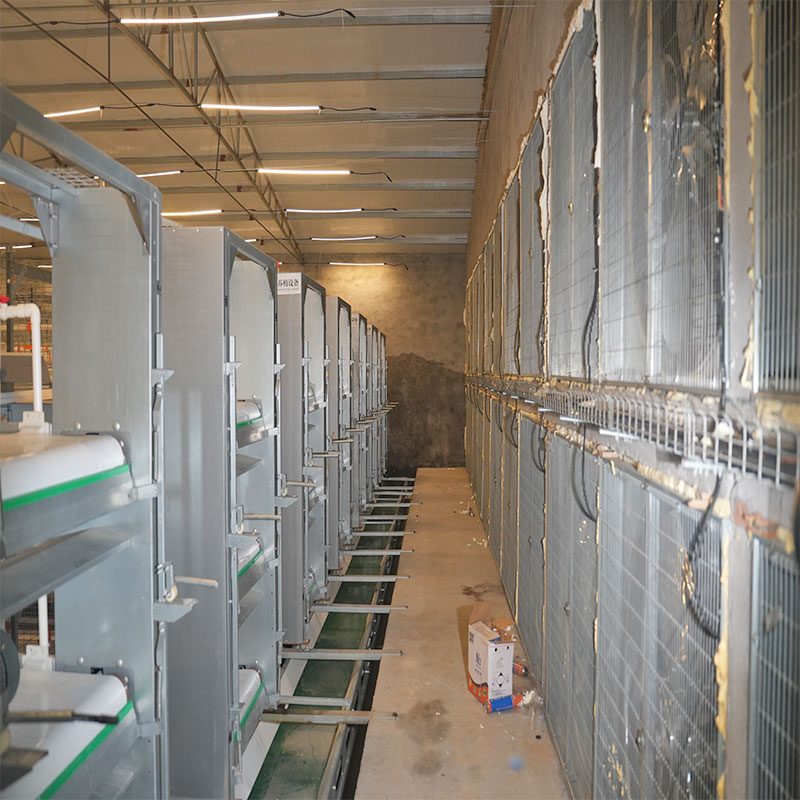
Automation Integration: The system is designed for automation—conveyor belts collect eggs from sloped cage floors, automated systems provide feed and water, and manure drops through the wire floor into pits or onto belts below.
Tiered Structure: Cages are often stacked in multiple tiers (38 rows high) to maximize space within a poultry house.
The adoption of battery cages accelerated after World War II, driven by the need for efficient, lowcost protein.
Primary Economic Advantages:
1. Space Efficiency: Maximum bird density per square foot of building space.
2. Labor Efficiency: Automation drastically reduces labor costs for feeding, watering, and egg collection.
3. Disease & Parasite Control: Separation from manure reduces contact with pathogens and parasites like worms.
4. Feed Efficiency: Restricted movement lowers energy expenditure, theoretically converting more feed into eggs.
5. Egg Quality & Collection: Eggs roll away immediately, minimizing breakage and soiling.
This model successfully achieved its goal: making eggs an inexpensive staple food globally.
The welfare criticisms of battery cages are welldocumented by ethologists and veterinary scientists. They focus on the severe behavioral restriction imposed on hens.
Hens are highly motivated to perform natural behaviors that are impossible in a barren wire cage:
Nesting: The inability to seek privacy and nest in a secluded area before laying is a profound frustration.
Perching: Roosting off the ground is a strong innate behavior for safety.
Dustbathing: Essential for feather maintenance and parasite control.
Foraging & Scratching: Key exploratory behaviors.
Full Wing Flapping & Movement.
Osteoporosis & Bone Fractures: Lack of exercise leads to weak bones. High rates of fractures (often during depopulation) are documented.
Foot Disorders: Constant contact with wire mesh can cause pododermatitis (bumblefoot).
Feather Loss & Skin Damage: Abrasion against cage walls and companions.
Metabolic Disorders: Like fatty liver syndrome from inactivity and highenergy feed.
Chronic stress can manifest in abnormal behaviors like stereotypies (repetitive movements) and increased aggression/feather pecking among cagemates.
Public pressure and scientific evidence have led to significant legislative changes.
European Union: Banned the installation of new conventional battery cages in 1999 and fully prohibited their use as of January 1, 2012. "Enriched" or "furnished" cages with more space, a nest box, perching, and scratching area are still permitted.
United States: No federal ban exists. However:
California's Proposition 12 (2018) mandates all eggs sold instate come from cagefree systems by 2022.
Many major food corporations (McDonald's, Walmart, Nestlé) have committed to global cagefree supply chains by 20252026.
Several states have passed similar bans.
Other Countries: India's Supreme Court has emphasized animal dignity in rulings related to battery cages. New Zealand has phased them out. Other nations are at various stages of debate or transition.
The industry is shifting towards alternative housing systems:
1. Enriched/Furnished Cages:
Provide slightly more space per hen than conventional cages.
Include mandatory furnishings: perch, nest box, scratching area.
Retain some automation benefits while allowing key natural behaviors.
2. CageFree Systems (Aviaries/Barn):
Hens roam freely within an enclosed barn floor.
Multitiered structures provide perches, nests,and platforms.
Manure management is more complex; risks include airborne dustand potential for increased feather pecking without proper management.
3. FreeRange Systems:
Cagefree with mandatory access to outdoor areas (subject to density requirements).
Higher cost structure but meets consumer demand for outdoor access.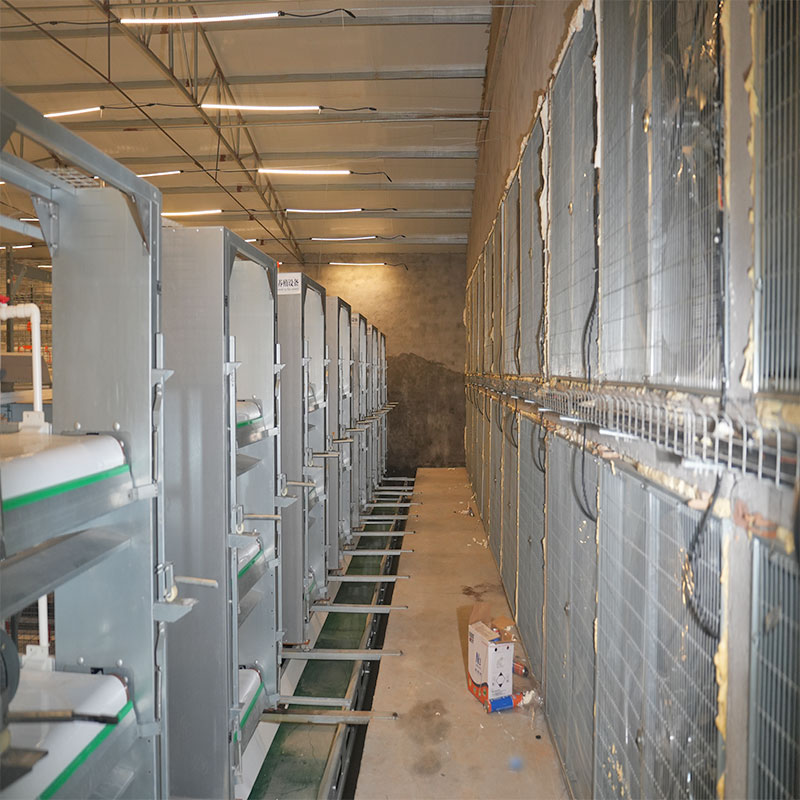
4. Organic Systems:
Typically combine freerange access with organic feed requirementsand restrictions on medications.
The trajectory is clear: conventional battery cage systems are being phased out in many developed markets due to ethical concerns.The transition involves significant capital investmentfor farmersand higher production costs.The key question is how quickly developing economies will follow suitand whether consumer demandfor higherwelfare eggswill be willingto absorbthe associated price increases.Ultimately,the storyof the batterycageis oneof technologicaloptimizationmeetingevolving societalvalues aboutour responsibilitytowardfarmanimals.
The battery cage system revolutionized egg production,but its design inherently conflicts withthe biologicaland behavioralneedsof the laying hen.The growing bodyof animalwelfare science,coupledwith shiftingconsumerpreferencesand tighteningregulations,is drivinga historic transitionawayfrom conventionalcagestowardmore complexsystemsthat attemptto balanceefficiencywith improvedwelfare.Understandingthis system—its history,mechanics,and impacts—is crucialfor informeddiscussionsaboutfoodpolicy,agriculturalethics,and responsibleconsumption.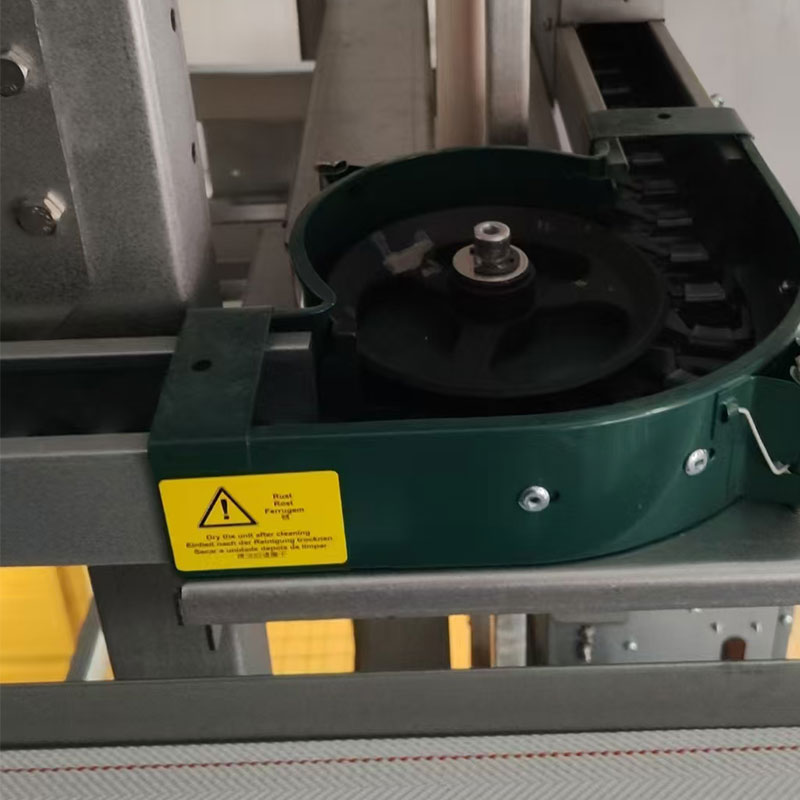
Q1: What exactly does "battery" mean in battery cages?
A1: The term "battery" refers not to a power source but to an arrangement of identical units connected together—in this case,a long seriesor blockof identicalwirecages.This industrialstylelayout maximizesspace utilizationwithin apoultry house.
Q2: How much space does a hen have in a conventional battery cage?
A2: Space allocation has varied historically.In its most intensive form,each hen had as little as67 squareinches(aboutthe sizeofa standard sheetof paper).Commonly citedfiguresrange from67to86squareinchesper bird,whichis insufficientforthe hento fully spreadher wings.
Q3: Are battery cages illegal?
A3: Legality variesby jurisdiction.Conventionalbatterycagesare bannedinthe EuropeanUnion,Canada,NewZealand,and severalU.S.statesincludingCalifornia.Theyremainlegalinmanyother partsofthe world,thoughcorporatecommitmentsto go cagefreeare affectingglobal supplychains.
Q4:What's the difference between "battery cages"and "enrichedcages"?
A4:Conventionalbatterycagesare barrenwireenclosures.Enrichedorfurnishedcages(legalinthe EU)mustprovide atleast750cm²perhen(about116sqin),plusa nestboxforlaying,a perch,and ascratchingareafor dustbathingbehavior.Theyrepresentan intermediate stepin welfareimprovement.
Q5:Why did farmers ever use batterycages?Weren't they aware ofthe welfare issues?
A5:Farmersadoptedthe systemprimarilyfordiseasecontrol,labor efficiency,and costreduction.Postwaragriculturalpolicyfocusedheavilyonproductivityand affordability.Manywelfareconcerns were scientificallyquantifiedlater,and publicawarenesshas growndramaticallyoverthe past30years.
Q6:Do hens live longerin alternative systems comparedto batterycages?
A6:Not necessarily.Layeringhensare typicallykeptforone layingcycle(around7280weeks)regardlessofhousing.Mortalityratescan varybetween systems;wellmanagedcagefreesystemscan have comparablemortality,but poor managementcan leadto higherdeathsin dueto cannibalismordiseaseoutbreaks.Welfareis measuredmore by qualityoflife than longevityin this context.
Q7:Are eggsfrom batterycagessafe toeat?
A7:Froma food safetystandpoint,yes.Eggsfrom any housingsystemmust meetthe samefood safety standards.Some studieshavesuggestedahigherriskofSalmonellacontaminationin cagedsystemsdueto higherdensityand stress,but otherstudiescontradictthis.Safetydependsmore on overallbiosecurity,vaccinationprotocols,and processinghygiene.
Q8:What happens tomale chicksin layerproduction?Are theyaffectedby cagingsystems?
A8:This isa separatebut criticalwelfareissue.Male chicksof layerbreedsdonot growsufficientlyformeatproductionand are typicallyculledshortlyafterhatching.This practiceis commonto all commercialeggproductionregardlessofthe housingsystemusedforthe females.Alternative likeinovosexingtechnologyare beingdevelopedto addressthis.
Q9:If I buy "cagefree"eggsatthe store,am I guaranteedthe hens weren't incages?
A9:Yes,"CageFree"isa regulatedlabel(in mostmarkets).It meansthe henswerenothousedincages.Theywere keptina barnor aviarywith accessto multiplelevels,nests,and litter.It doesnot guaranteetheyhad outdooraccess("freerange")or thattheir overallwelfarewas perfect,but it doeseliminatethe useofany typeofcage.
Q10:Is it more environmentallysustainableto use batterycagessince theyuse lessland?
A10:While batterycagesscore wellon landuse efficiencyper dozeneggs,the full lifecycleassessment(LCA)is complex.Alternativesystemsmayhave higherfeed usefor activebirdsor differentmanuremanagementemissions.Some studiessuggestthe environmentalfootprintdifferenceper eggis lesssignificantthan once thought,but this remainsan activeareaof researchwith varying conclusions.
1. Drinking system include the water pipes, water pressure adjuster, drinking nipples, Waterline front-end device, dosing system etc, choose them according to customer's needs.
2. High-quality water drinking pipes, pressure regulating valves and water drinking nipples can effectively prevent the water leakage. Drinking system adopt the closed piping system, which can minimize the water pollution.
3. 360-degree drinking nipples provide adequate drinking water for poultry at all stages.
4. The automatic drinking water system mainly adopts the steel ball drinking nipple. lt uses imported high-grad stainless steel, POM resin, and APS engineering material, which is wearing resistant, and the durability can be used for long time.



1. Automatic feeding machine can be chosen between gantry and ladder feeding machine. Gantry type feeding machine is a relatively economical and practical machine with simple operation, remote control walking character, easy to manage.
2. Mechanical transmission device running smoothly, low noise, long service life.
3. With the use of automatic control, the feeding system can adjust the amount of material.
4. Feeding with arched structure, high carrying capacity, not easily deformed.
5. Saving man power, saving feed, greatly improving the efficiency of Large-scale farming.
6. The walking speed of gantry feeding machine is 9--12 m/min.




1. Manure removing system included scraper type and conveyor belt type, Which can reduce the labor intensity and labor cost, keep the chicken shed dry and clean.
2. A type chicken cage can use scraper type or conveyor belt type.


3. The scraper type is suitable for A type cages, which can clean two or three rows. For the starters, this type is a good choice. lt can not only save some labor cost, but also save some investment in the whole project. The cleaning speed is 6-10 meters per minute.
4. Conveyor belt type is more suitable for large scale farming. The manure removing belt we use is high quality PP material (polypropylene). The walking speed is 2-4 meters per minute.



High Quality Pellets Made by Mobile Pellet Machine
1. It has professional designed angle of the blade. After the dynamic balance test one by one, the blade can operate smoothly.
2. The air volume is consistent in the whole life of the fan. Bearings has advantage of high strength, low noise, durable and so on.
1. The cooling pads uses high-quality wet curtain paper and adopts space cross-linking technology, which has the advantages of high water absorption, high water resistance, anti-toxicity and long service life.
2. The cooling efficiency is over 80%, without surfactant, natural water absorption, fast diffusion speed and long-lasting effect.
3. The product does not contain phenol and other chemical substances that are easy to cause skin allergies. It is non-toxic and harmless to the human body and chicken when installed and used. It is green, safe, energy-saving, environmentally friendly, economical, and easy to install.
4. The frame aluminum alloy has high strength, good corrosion resistance, durability and beautiful appearance.
5. Use a special filter for the cooling pad at the upper water to ensure clean water quality and support efficient water circulation components.
6. Combined with a negative pressure fan, it can effectively lower the indoor temperature.
The window is made of special selected high-quality engineering plastic, with high strength and long service life, together with superior anti-aging and anti-UV performance.
Function: Ventilation of the chicken house, usually used in the winter.
This system can adjust the wind speed and direction, thus the cold air will not reach chicken directly , which can effectively prevent the phenomenon of cold stress in chicken.
Environmental control system equipment is suitable for large-scale and intensive farming. According to customer requirements, we can provide various types of smart poultry equipment.
1. Our poultry management system is a modular system that manages all aspects of the chicken house, such as climate, temperature, humidity, ammonia, feeding, feed weighing, lighting and ventilation systems, and can monitor the situation of the chicken house in real time through a computer and mobile phone.
2. The management computer is the heart of the poultry farm, allowing you to easily monitor the entire poultry farm.

 WeChat:+8617838608255