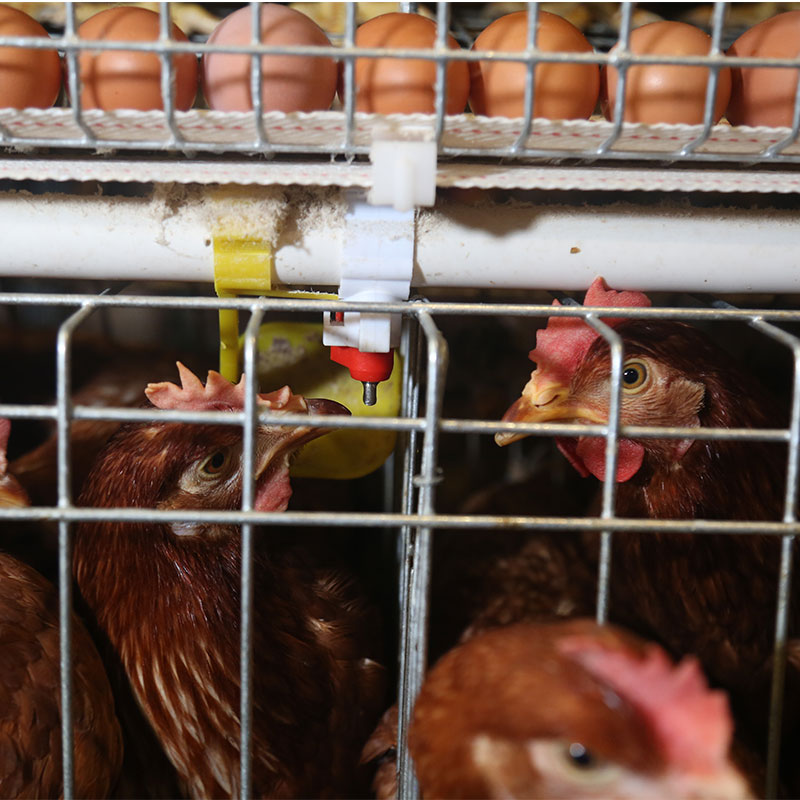
The quest for efficient and scalable egg production is a central concern for poultry farmers across Ghana. As the industry grows to meet rising demand, the choice of housing system becomes a critical business decision. The term "battery cage system for sale in Ghana" reflects a significant commercial and operational interest. This comprehensive guide is designed not just to inform you about the availability of these systems, but to provide a deep, balanced analysis of their technical aspects, economic implications, and the evolving agricultural landscape in Ghana. We will explore the pros, cons, alternatives, and key considerations to help you make an investment aligned with productivity, sustainability, and market trends.
A battery cage system is a housing method where laying hens are kept in rows of identical wire cages stacked in tiers. Each cage typically houses multiple birds, with automated systems providing feed, water, and egg collection. The design prioritizes space efficiency and operational control.
Key Components of a Modern Battery Cage System:
Cage Units: Made from galvanized steel wire, arranged in rows (decks). Common configurations are 3tier, 4tier, or 5tier Atype cages or Htype stacked cages.
Feeding System: An automated trough runs along the cage row with a chain or auger system delivering feed.
Watering System: Nipple drinkers are installed in each cage to provide constant access to clean water.
Egg Collection System: Inclined cage floors allow eggs to roll gently onto a collection belt, which transports them to a central packing area, minimizing breakage and labor.
Manure Removal System: Droppings fall through the wire floor onto belts or into pits below for regular removal, aiding in waste management and ammonia control.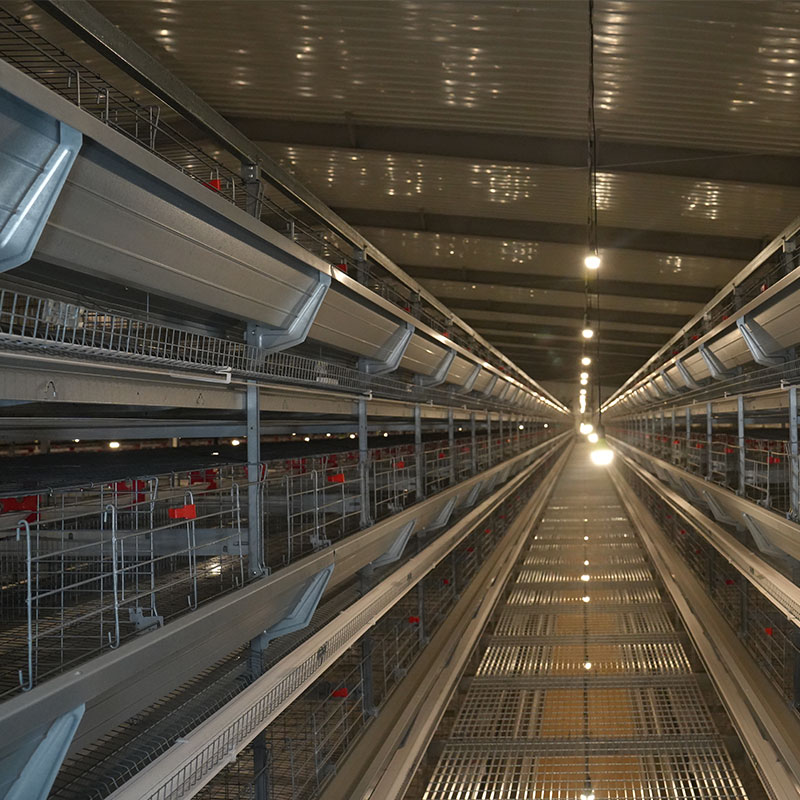
For many commercial farmers in Ghana considering scale and return on investment (ROI), battery cages offer distinct advantages:
1. High Stocking Density & Space Efficiency: They allow for the maximum number of birds per square meter of building space. This reduces the initial capital cost per bird for land and housing construction.
2. Increased Egg Production & Feed Efficiency: The controlled environment reduces energy expenditure from bird movement, potentially channeling more feed nutrients into egg production. It also minimizes feed wastage.
3. Improved Disease & Parasite Control: Separation from manure reduces contact with fecalborne pathogens and parasites like worms.
4. Lower Labor Costs: Automation in feeding, watering, and egg collection significantly reduces daily manual labor requirements.
5. Ease of Management & Bird Monitoring: Individual birds or small groups are easier to observe for signs of illness or changes in production.
It is imperative to address the welldocumented challenges associated with conventional battery cages:
1. Animal Welfare Restrictions: Hens have severely limited ability to perform natural behaviors such as stretching wings fully, dustbathing, perching, nesting, or foraging. This can lead to bone weakness and frustration.
2. Increased Risk of Certain Health Issues: Lack of movement can contribute to osteoporosis (weak bones). Wire flooring may cause foot problems. Cannibalism and feather pecking can be more prevalent if not managed carefully through beak trimming.
3. Ethical Consumer Trends & Market Access: Globally and increasingly in urban Ghanaian markets (e.g., supermarkets serving expatriates and healthconscious consumers), there is growing demand for eggs from alternative systems like freerange or barnhoused hens. This can affect brand perception and market access.
4. System Failure Vulnerability: Heavy reliance on automation means power outages or mechanical failures can quickly become critical welfare events.
While Ghana does not currently have specific laws banning battery cages like the European Union's directive, the industry is not operating in a vacuum.
Global Influence & Export Potential: International awareness influences local NGOs and consumer groups. Producers eyeing potential export markets must be aware of international standards.
Rise of Alternatives: There is growing visibility of enriched colony cages (which provide more space per hen and amenities like perches, nest boxes, and scratching areas) as well as barn systems among largerscale operators seeking a balance between welfare and efficiency.
The "CageFree" Movement: Major global food corporations have committed to sourcing cagefree eggs in their supply chains worldwide. While rollout timelines vary locally this signals a longterm trend that forwardthinking farmers should monitor.
If you are evaluating suppliers for "battery cage systems for sale," ask these detailed questions:
1. Bird Space Allocation: What is the space allowance per bird (square inches/cm)? Does it align with any voluntary industry guidelines you wish to follow?
2. Tier Configuration & Building Height: What tier system (Atype vs Htype) suits your building design? Do you have adequate vertical space?
3. Automation Level & Reliability: What is included? Is it full automation (feedwatereggmanure) or partial? What is the backup plan for power failures?
4. Supplier Reputation & AfterSales Support: Does the supplier (local agent or direct importer) offer installation supervision? What are warranty terms? Is technical support readily available?
5. Total Cost Analysis (TCO): Look beyond purchase price—factorin installation costs expected utility costs maintenance spare parts cost
6 .FutureProofing Your Investment Could building be adapted later enriched colony barn system if market shifts?
A responsible investment decision requires surveying all options:
Deep Litter Systems: Lowertech lowerdensity suitable smallerscale operations
Barn Systems : Birds move freely indoor floor space equipped perches nest boxes
FreeRange Systems : Barn access outdoor ranging area command significant price premium niche markets
Enriched Colony Cages : Middle ground offering behavioral amenities higher welfare standard than conventional battery cages
The search "battery cage system sale Ghana" ultimately leads complex business decision that blends economics animal science ethics market foresight For largescale commercial focused maximizing output controlling costs conventional cages remain prevalent choice However understanding inherent limitations crucial Responsible implementation excellent management biosecurity veterinary care nonnegotiable mitigate risks Furthermore staying attuned gradual shifts consumer preference regulatory environment will ensure your farm remains resilient competitive long term We recommend visiting operational farms using different systems engaging reputable suppliers conducting thorough financial model before committing significant investment future Ghanas poultry lies balancing productivity sustainability responsibility
Q1: Are battery cages illegal in Ghana?
No there currently no national law banning use conventional battery cages poultry farming However farmers should adhere general animal welfare provisions under Veterinary Services Directorate best practices
Q2: What is price range complete battery cage setup mediumscale farm Ghana?
Prices vary greatly depending automation level capacity brand supplier For example semiautomated bird unit imported China may start around GHS whereas fully automated bird system European supplier could cost significantly more Obtain detailed quotations multiple suppliers inclusive delivery installation duties taxes etcetera
Q3 How many hens fit single battery cage typically
Traditional designs might hold birds per cage but modern recommendations even conventional systems moving towards allowing more space per hen Specific number depends exact cage dimensions stocking density chosen
Q4 What main advantages using battery cages over free range systems
Primary advantages higher stocking density leading lower infrastructure cost bird easier disease parasite control reduced feed wastage lower labor requirements generally higher rate lay controlled environment 
Q5 Do consumers Ghana care about chicken welfare egg type
Market segmented While majority consumers primarily focused price availability growing segment particularly urban educated consumers showing interest knowing source eggs willing pay premium freerange organic eggs trend expected grow
Q6 How often manure need cleared battery house
With belt removal systems manure can cleared daily weekly depending design Without belts deep pit systems require cleaning out between flocks approximately every months months
Q7 Can start small expand later modular cage systems
Yes many manufacturers offer modular designs allow adding units rows expand capacity gradually Ensure initial planning electrical water supply ventilation accommodates future expansion
Q8 Are there any government subsidies loans poultry equipment Ghana
Periodic initiatives exist through Ministry Food Agriculture MOFA Development Bank etc Check current programs your district agricultural office specific funding opportunities mechanization agricultural inputs
Q9 What biggest health risk hens battery cages how manage it
Osteoporosis bone weakness due lack exercise mitigated ensuring nutrition specifically calcium phosphorus levels correct lighting schedule stimulate activity possible Selecting genetic strains better suited confined environments also important
Q10 Is special training needed operate automated battery system
Yes essential Operators need training daily operation troubleshooting basic mechanics electrical components alarm systems Proper training prevents losses ensures equipment runs efficiently maximizes lifespan investment Supplier should provide this training
1. Drinking system include the water pipes, water pressure adjuster, drinking nipples, Waterline front-end device, dosing system etc, choose them according to customer's needs.
2. High-quality water drinking pipes, pressure regulating valves and water drinking nipples can effectively prevent the water leakage. Drinking system adopt the closed piping system, which can minimize the water pollution.
3. 360-degree drinking nipples provide adequate drinking water for poultry at all stages.
4. The automatic drinking water system mainly adopts the steel ball drinking nipple. lt uses imported high-grad stainless steel, POM resin, and APS engineering material, which is wearing resistant, and the durability can be used for long time.



1. Automatic feeding machine can be chosen between gantry and ladder feeding machine. Gantry type feeding machine is a relatively economical and practical machine with simple operation, remote control walking character, easy to manage.
2. Mechanical transmission device running smoothly, low noise, long service life.
3. With the use of automatic control, the feeding system can adjust the amount of material.
4. Feeding with arched structure, high carrying capacity, not easily deformed.
5. Saving man power, saving feed, greatly improving the efficiency of Large-scale farming.
6. The walking speed of gantry feeding machine is 9--12 m/min.




1. Manure removing system included scraper type and conveyor belt type, Which can reduce the labor intensity and labor cost, keep the chicken shed dry and clean.
2. A type chicken cage can use scraper type or conveyor belt type.


3. The scraper type is suitable for A type cages, which can clean two or three rows. For the starters, this type is a good choice. lt can not only save some labor cost, but also save some investment in the whole project. The cleaning speed is 6-10 meters per minute.
4. Conveyor belt type is more suitable for large scale farming. The manure removing belt we use is high quality PP material (polypropylene). The walking speed is 2-4 meters per minute.



High Quality Pellets Made by Mobile Pellet Machine
1. It has professional designed angle of the blade. After the dynamic balance test one by one, the blade can operate smoothly.
2. The air volume is consistent in the whole life of the fan. Bearings has advantage of high strength, low noise, durable and so on.
1. The cooling pads uses high-quality wet curtain paper and adopts space cross-linking technology, which has the advantages of high water absorption, high water resistance, anti-toxicity and long service life.
2. The cooling efficiency is over 80%, without surfactant, natural water absorption, fast diffusion speed and long-lasting effect.
3. The product does not contain phenol and other chemical substances that are easy to cause skin allergies. It is non-toxic and harmless to the human body and chicken when installed and used. It is green, safe, energy-saving, environmentally friendly, economical, and easy to install.
4. The frame aluminum alloy has high strength, good corrosion resistance, durability and beautiful appearance.
5. Use a special filter for the cooling pad at the upper water to ensure clean water quality and support efficient water circulation components.
6. Combined with a negative pressure fan, it can effectively lower the indoor temperature.
The window is made of special selected high-quality engineering plastic, with high strength and long service life, together with superior anti-aging and anti-UV performance.
Function: Ventilation of the chicken house, usually used in the winter.
This system can adjust the wind speed and direction, thus the cold air will not reach chicken directly , which can effectively prevent the phenomenon of cold stress in chicken.
Environmental control system equipment is suitable for large-scale and intensive farming. According to customer requirements, we can provide various types of smart poultry equipment.
1. Our poultry management system is a modular system that manages all aspects of the chicken house, such as climate, temperature, humidity, ammonia, feeding, feed weighing, lighting and ventilation systems, and can monitor the situation of the chicken house in real time through a computer and mobile phone.
2. The management computer is the heart of the poultry farm, allowing you to easily monitor the entire poultry farm.

 WeChat:+8617838608255