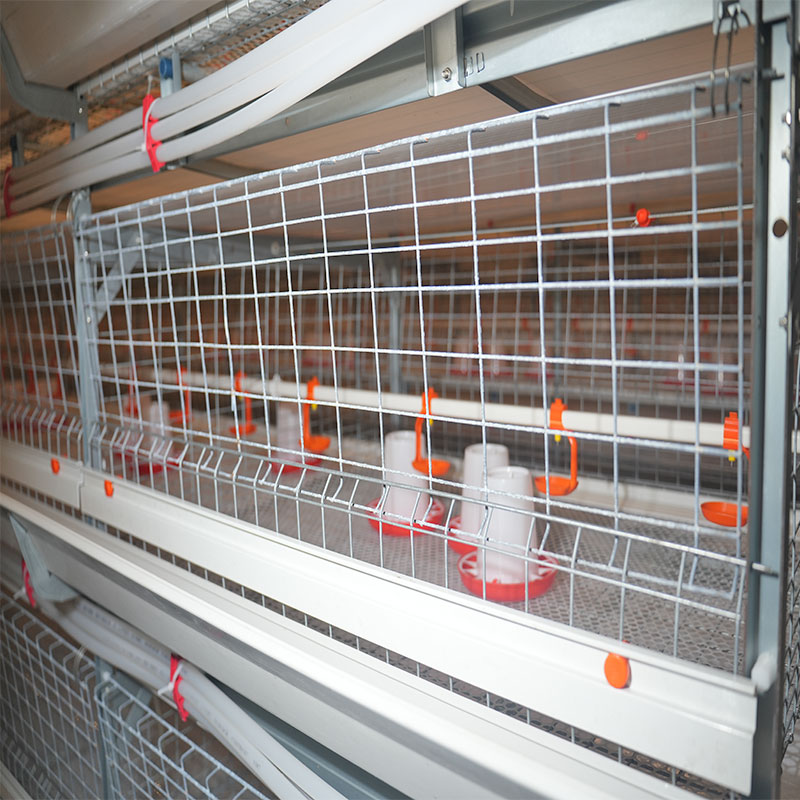
Battery Cage System in Ghana: A Comprehensive Analysis of Practices, Challenges, and the Future
The battery cage system is a prevalent method of egg production in Ghana, representing a critical intersection of food security, economic development, and animal welfare. As Ghana's population grows and urbanization accelerates, the demand for affordable animal protein, particularly eggs, has surged. This demand is largely met by commercial poultry farms, many of which utilize conventional battery cage systems to maximize efficiency and output. This article provides a professional, indepth examination of the battery cage system within the Ghanaian context. We will explore its operational framework, economic drivers, prevailing challenges, evolving regulations, and the growing discourse on alternative practices. Understanding this system is essential for stakeholders across the value chain—from farmers and policymakers to consumers and animal welfare advocates.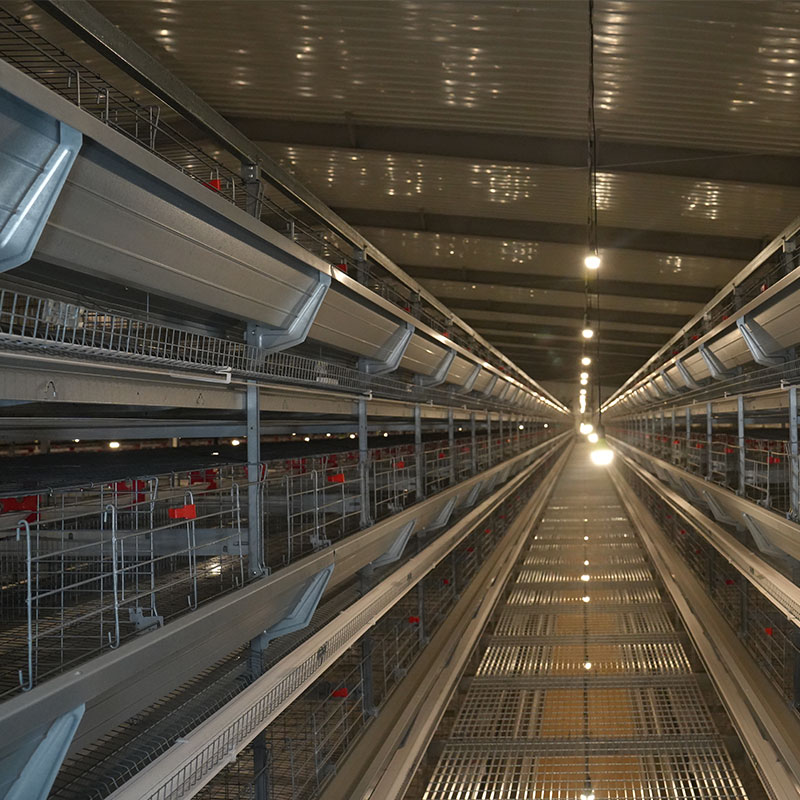
The battery cage system is an intensive housing method for egglaying hens (layers). In this system, hens are housed in rows of small, wire cages arranged in tiers inside a controlledenvironment shed. Each cage typically houses multiple birds, providing minimal space per animal.
Key Characteristics in the Ghanaian Context:
Space Efficiency: Maximizes bird population per square meter of building space.
Automated Systems: Feed, water, and egg collection are often automated to reduce labor costs.
Environmental Control: Sheds may use fans or natural ventilation to manage temperature and humidity.
Disease Management: Designed to separate hens from their feces, aiming to reduce parasite loads and some disease transmission.
The adoption of battery cages in Ghana is driven by powerful economic and demographic factors.
1. Rising Demand for Protein: With a growing middle class and increased health awareness, egg consumption has become a key source of affordable protein.
2. Scale Economics: For commercial producers aiming to supply urban centers like Accra, Kumasi, and Takoradi, battery cages offer a way to achieve the volume needed to make operations viable.
3. Initial Investment vs. LongTerm Output: While setup costs for cages and housing are significant, the perceived higher productivity (egg yield per bird) and lower feed wastage compared to some freerange systems make it an attractive model for businessoriented farmers.
4. Land Pressure: Near urban areas where land is expensive and scarce, the vertical stacking of cages allows for high production on a relatively small land footprint.
A common structure on mediumtolargescale farms involves deeplitter systems for broilers (meat chickens) and battery cages for layers, creating an integrated poultry operation.
Despite its economic rationale, the battery cage system faces substantial criticism grounded in animal welfare science and practical challenges unique to Ghana.
A. Animal Welfare Implications:
Severe Space Restriction: Hens cannot perform natural behaviors such as stretching wings fully dustbathing foraging or perching
Health Issues: High incidence of bone fragility due to lack of movement feather loss from cage abrasion and increased risk of fatty liver disease
Behavioral Frustration: Inability to express natural behaviors can lead to stress abnormal behaviors like cannibalism which often leads to routine beak trimming
B. Operational & Market Challenges in Ghana:
Power Dependence & Reliability: Automated systems depend on stable electricity making farms vulnerable to Ghana's intermittent power supply ( "dumsor") leading to catastrophic losses from heat stress or disrupted feeding
High Input Costs: The reliance on imported feed ingredients (maize soybean) subjects farmers to volatile global prices currency fluctuations and supply chain disruptions
Disease Outbreaks: While separating birds from manure has benefits high stocking densities can facilitate rapid spread of airborne diseases like Avian Influenza Newcastle Disease if biosecurity is compromised
Consumer Awareness Shift: A small but growing segment of urban consumers is becoming aware of welfare issues potentially influencing future market demands
Ghana's current animal welfare regulations are evolving The main legislative framework is the Animals Act 1962 (Act 42) which is general in nature Specific regulations on intensive farming are under development
Key Initiatives & Trends:
1. National Animal Welfare Policy: Efforts are underway to develop a modern policy that may address housing systems among other issues
2. Corporate & Export Influence: Poultry products targeting certain export markets or supplied to corporate clients (e.g., international hotels) may need to comply with higher welfare standards creating a niche market
3. Alternative Systems Gaining Attention:
Enriched/CageFree Systems: Provide more space per hen amenities like nest boxes perches scratching areas While rare they are being explored by pioneering farms
Barn Systems: Hens roam freely within an enclosed shed offering more behavioral freedom while retaining control over environment biosecurity
Improved DeepLitter for Layers: A common smallscale system in Ghana that with better management stock density can offer a welfare improvement over cages
Comparative Table: Layer Housing Systems in Ghana
| Feature | Conventional Battery Cage | Improved DeepLitter | Enriched/CageFree Barn |
| : | : | : | : |
| Space per Bird | Very Low (<450 cm²/bird) | ModerateHigh | High |
| Capital Cost | High | LowModerate | Very High |
| Labor Requirement | LowModerate | ModerateHigh | ModerateHigh |
| Feed Efficiency | High (less wastage) | Lower (potential wastage) | Lower |
| Disease Control Risk | Manure separation good but high density risk | Higher exposure risk if not managed well managed biosecurity possible |
| Key Welfare Allowance| Very Restricted Natural Behaviors Allows some foraging dustbathing Allows full range natural behaviors |
The battery cage system remains a cornerstone of commercial egg production in Ghana effectively addressing urgent needs for scale affordability food security However it operates within a landscape of increasing challenges—from unreliable infrastructure input cost volatility rising ethical consumer concerns globally
The future trajectory will likely not be a simple abandonment of cages but rather diversification Stakeholders including the Ministry Food Agriculture Veterinary Services Directorate research institutions like CSIRAnimal Research Institute private sector must collaborate Pathways include:
1 Developing clear sciencebased welfare standards regulations tailored local context
2 Encouraging investment research into economically viable alternative systems enriched colonies barns)
3 Supporting farmers with training on best practices within any system improve overall health productivity welfare outcomes
4 Fostering market mechanisms premium eggs from higherwelfare systems create value addition opportunities farmers
Ultimately balancing economic viability with progressive animal welfare standards key building sustainable resilient ethical poultry industry meets Ghanas needs present future generations
Q1: Are battery cages legal in Ghana?
A1: Yes there is no specific law prohibiting use conventional battery cages general animal cruelty provisions Animals Act apply However regulatory environment evolving discussions modernizing animal welfare standards ongoing.
Q2: What percentage poultry farms use battery cages?
A2: Exact statistics scarce On medium largescale commercial layer farms dedicated egg production prevalence very high possibly exceeding 80% Vast majority smallscale backyard flocks use freerange deeplitter systems.
Q3: Why do farmers choose batteries over freerange?
A3 Primary reasons control efficiency Farmers achieve higher egg yield bird easier manage feed collection automate processes protect birds predators theft—significant concern rural areas Freerange often lower yields higher mortality rates requires much land.
Q4: How does 'dumsor' affect battery cage operations?
A4 Power outages critically dangerous Caged hens cannot move away heat Ventilation fails quickly leading heat stress mass mortality within hours Farms must invest generators incurring high fuel costs making production expensive unpredictable.
Q5 Is there consumer demand cagefree eggs Accra?
A5 Growing niche demand primarily expatriates highincome Ghanaians educated welfare issues Supermarkets like ShopRite Koala increasingly stocking certified cagefree brands price premium indicates emerging market segment.
Q6 What biggest health risk caged layers?
A6 Beyond welfare issues like osteoporosis high density facilitates rapid spread infectious diseases Avian Influenza if virus enters shed Strong biosecurity paramount but challenging maintain consistently.
Q7 Are there any training programs farmers alternative systems?
A7 Limited but available Ministry Agriculture extension services NGOs SNV Netherlands occasionally run projects CSIRAnimal Research Institute provides researchbased recommendations piloting better housing designs.
Q8 How much space typical caged hen have farm?
A8 Often aligns outdated standard ~450 square centimeters bird less size sheet A4 paper Industry codes practice other countries moving higher allowances global trend pressure increase space allowances exists locally too.
Q9 Does export market influence farming practices?
A9 Currently minimal poultry export focus domestic consumption However companies supply eggs international hotel chains Accra may required meet corporate welfare policies creating topdown change signal producers adapt standards access lucrative contracts future possibility exports region could drive change well .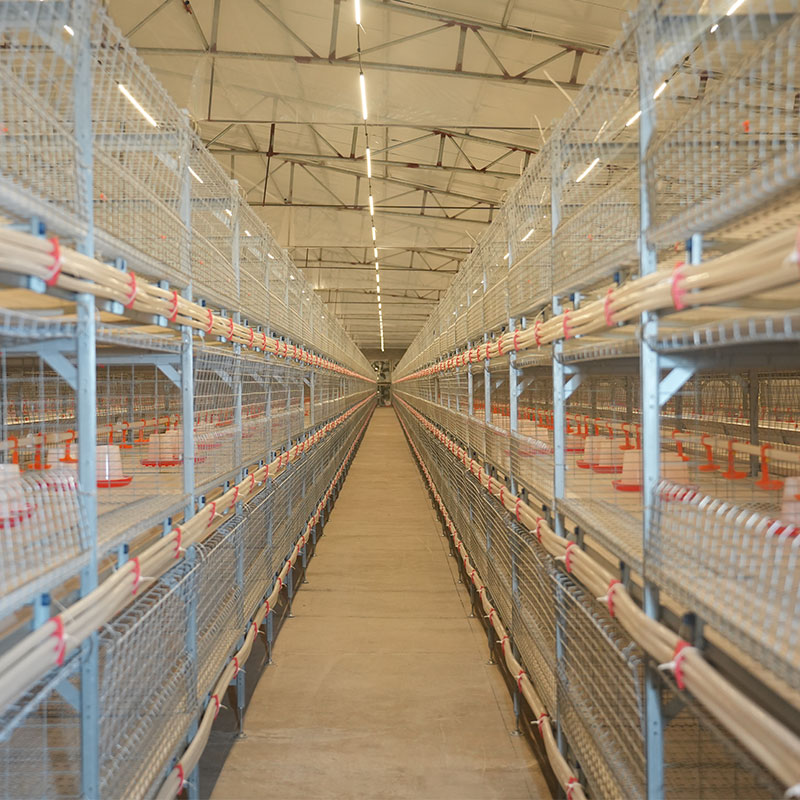
Q10 What simplest improvement farmer make existing cages?
A10 Ensure strict stocking density not exceed manufacturer capacity provide quality nutrition includes adequate calcium support bone health implement robust consistent vaccination program strengthen flock resilience disease .
Q11 Role religious cultural beliefs play acceptance alternative systems?
A11 Important consideration Concepts stewardship compassion animals align many faiths could leveraged promote humane farming Interfaith dialogue education potential pathway encouraging shift practices resonates local values beyond just economic arguments .
Q12 Future outlook next decade likely see end batteries ?
Unlikely see complete elimination given current infrastructure investment levels Expect gradual coexistence multiple systems growth enriched colony barn systems niche markets potential regulatory shifts phase out worst conventional cages line trends Europe elsewhere .
1. Drinking system include the water pipes, water pressure adjuster, drinking nipples, Waterline front-end device, dosing system etc, choose them according to customer's needs.
2. High-quality water drinking pipes, pressure regulating valves and water drinking nipples can effectively prevent the water leakage. Drinking system adopt the closed piping system, which can minimize the water pollution.
3. 360-degree drinking nipples provide adequate drinking water for poultry at all stages.
4. The automatic drinking water system mainly adopts the steel ball drinking nipple. lt uses imported high-grad stainless steel, POM resin, and APS engineering material, which is wearing resistant, and the durability can be used for long time.



1. Automatic feeding machine can be chosen between gantry and ladder feeding machine. Gantry type feeding machine is a relatively economical and practical machine with simple operation, remote control walking character, easy to manage.
2. Mechanical transmission device running smoothly, low noise, long service life.
3. With the use of automatic control, the feeding system can adjust the amount of material.
4. Feeding with arched structure, high carrying capacity, not easily deformed.
5. Saving man power, saving feed, greatly improving the efficiency of Large-scale farming.
6. The walking speed of gantry feeding machine is 9--12 m/min.




1. Manure removing system included scraper type and conveyor belt type, Which can reduce the labor intensity and labor cost, keep the chicken shed dry and clean.
2. A type chicken cage can use scraper type or conveyor belt type.


3. The scraper type is suitable for A type cages, which can clean two or three rows. For the starters, this type is a good choice. lt can not only save some labor cost, but also save some investment in the whole project. The cleaning speed is 6-10 meters per minute.
4. Conveyor belt type is more suitable for large scale farming. The manure removing belt we use is high quality PP material (polypropylene). The walking speed is 2-4 meters per minute.



High Quality Pellets Made by Mobile Pellet Machine
1. It has professional designed angle of the blade. After the dynamic balance test one by one, the blade can operate smoothly.
2. The air volume is consistent in the whole life of the fan. Bearings has advantage of high strength, low noise, durable and so on.
1. The cooling pads uses high-quality wet curtain paper and adopts space cross-linking technology, which has the advantages of high water absorption, high water resistance, anti-toxicity and long service life.
2. The cooling efficiency is over 80%, without surfactant, natural water absorption, fast diffusion speed and long-lasting effect.
3. The product does not contain phenol and other chemical substances that are easy to cause skin allergies. It is non-toxic and harmless to the human body and chicken when installed and used. It is green, safe, energy-saving, environmentally friendly, economical, and easy to install.
4. The frame aluminum alloy has high strength, good corrosion resistance, durability and beautiful appearance.
5. Use a special filter for the cooling pad at the upper water to ensure clean water quality and support efficient water circulation components.
6. Combined with a negative pressure fan, it can effectively lower the indoor temperature.
The window is made of special selected high-quality engineering plastic, with high strength and long service life, together with superior anti-aging and anti-UV performance.
Function: Ventilation of the chicken house, usually used in the winter.
This system can adjust the wind speed and direction, thus the cold air will not reach chicken directly , which can effectively prevent the phenomenon of cold stress in chicken.
Environmental control system equipment is suitable for large-scale and intensive farming. According to customer requirements, we can provide various types of smart poultry equipment.
1. Our poultry management system is a modular system that manages all aspects of the chicken house, such as climate, temperature, humidity, ammonia, feeding, feed weighing, lighting and ventilation systems, and can monitor the situation of the chicken house in real time through a computer and mobile phone.
2. The management computer is the heart of the poultry farm, allowing you to easily monitor the entire poultry farm.

 WeChat:+8617838608255