
Title: Battery Cage System in Poultry: A Comprehensive Guide to History, Welfare, and Alternatives
Introduction
The term "battery cage system" is one of the most discussed and debated phrases in modern agriculture. For decades, it has been the cornerstone of commercial egg production worldwide, hailed for its efficiency and economic output. Yet, it has also become a flashpoint for intense ethical scrutiny and animal welfare concerns. If you're seeking to understand what battery cages are, how they function, their profound implications, and the evolving landscape of egg production, you've come to the right place. This indepth guide, crafted from an industry and animal science perspective, will provide a balanced, factual examination of battery cage systems. We'll explore their design, the rationale behind their use, the significant welfare criticisms they face, and the global shift towards alternative housing systems driven by consumer demand and new legislation.
What is a Battery Cage System? (The Core Definition)
A battery cage system is a housing method for egglaying hens characterized by rows of small, identical wire cages arranged in tiers inside a large shed or barn. The term "battery" refers to this repetitive, compartmentalized layout, similar to cells in a battery.
Typical Design: Each cage is designed to house multiple birds at high stocking densities.
Key Features:
Wire Mesh Floors: Sloped floors allow eggs to roll onto a collection conveyor belt for automated gathering.
Automated Systems: Feed and water are supplied via automated troughs running along the front of the cages.
Waste Management: Manure drops through the wire mesh onto belts or into pits below for periodic removal.
Primary Goal: To maximize space efficiency (hens per square foot), automate processes (feeding, watering, egg collection), and minimize feed costs and labor requirements per egg produced.
The Historical Context and Economic Rationale
The widespread adoption of battery cages began in the mid20th century as agriculture industrialized. Following World War II, there was a pressing need to produce cheap, abundant protein for growing populations.
Drivers of Adoption:
Efficiency & Output: Cages prevent hens from engaging in energyintensive activities like foraging or flying. This redirected energy results in higher feed conversion efficiency (more eggs per pound of feed).
Disease & Parasite Control: Separating birds from their feces was initially believed to reduce exposure to intestinal parasites and certain bacterial diseases.
Lower Labor Costs: Automation centralizes tasks like feeding and egg collection.
Egg Quality & Safety: Eggs roll away quickly, reducing breakage and keeping them cleaner than in some floor systems.
For decades, this model succeeded in making eggs an affordable staple food globally.
Major Animal Welfare Concerns with Conventional Battery Cages
This is where expert consensus in veterinary ethology (animal behavior) and animal welfare science has raised serious flags. Conventional battery cages severely restrict nearly all natural behaviors essential to hen wellbeing.
1. Extreme Space Restriction: Hens lack sufficient space to fully stretch their wings, turn around freely, or engage in comfort behaviors like wingflapping.
2. Behavioral Deprivation:
Nesting: Hens have a strong instinctive drive to seek a secluded nest site for egglaying. Cages deny this entirely.
Foraging & Dustbathing: Pecking at substrates and dustbathing are innate behaviors critical for physical health (feather maintenance) and mental stimulation. Wire floors offer no such opportunity.
3. Physical Health Problems:
Osteoporosis & Bone Fractures: Lack of weightbearing exercise leads to weak bones. A high percentage of hens from cage systems sustain bone fractures during depopulation at the end of lay.
Foot Disorders: Constant standing on wire mesh can cause foot lesions and pain.
4. Psychological Stress & Frustration: The inability to perform natural behaviors leads to chronic stress states that can manifest as abnormal behaviors like feather pecking directed at cage mates—a significant welfare issue.
The Global Shift: Legislation Against Battery Cages
Public awareness campaigns by animal welfare organizations have led to significant legislative changes.
European Union Ban: In 2012, the EU banned conventional ("unenriched") battery cages under Directive 1999/74/EC.
"Enriched" or "Furnished" Cages became the new minimum standard within the EU (see below).
Other regions have followed suit with bans or phaseouts:
California (Proposition 12)
Canada (phaseout by 2036)
New Zealand
Several U.S. states
This legislative trend is a direct response to scientific evidence on hen welfare.
Alternative Housing Systems for Laying Hens
The industry is transitioning toward several alternative systems that offer varying degrees of improved welfare.
| System | Key Features | Welfare Advantages | Challenges |
| : | : | : | : |
| Enriched / Furnished Cages | More space per hen than conventional; includes perch(s), nest box area (curtained), scratch pad/dustbath area. | Allows expression of some key natural behaviors (perching nesting). Better bone strength than conventional cages.| Space remains limited; flying/flapping still restricted; dustbathing often not performed on provided pads due to earlylife deprivation |
| (CageFree) Barn / Aviary Systems | Hens live indoors on litter floors with multitiered platforms providing perches & nests.| Freedom of movement; ability to perch lay eggs in nests dustbathe forage on litter.| Higher risk of feather pecking cannibalism if not managed expertly; requires skilled stockmanship air quality management |
| (CageFree) FreeRange Systems | Similar indoor provisions as barn systems but with regulated daytime access outdoor pasture/runs.| All benefits barn plus access outdoors sunlight ability perform full behavioral repertoire.| Highest exposure environmental risks predators parasites weather variability; requires more land management skill |
The trajectory is clear: consumer preferences corporate commitments major retailers requiring cagefree eggs are driving rapid change even where legislation lags Producers who adapt focusing not just compliance but true animal husbandry skilled management will thrive The conversation moving beyond simply "cage vs cagefree" toward measurable welfare outcomes within any system
Here are answers common questions based People Also Ask queries search engine data:
Q1 What exactly does "battery" mean battery cage?
A It refers arrangement identical small wire cages lined rows stacked tiers resembling cells electrical battery It describes standardized repetitive nature housing units
Q2 Are battery cages illegal?
A Conventional barren battery cages illegal European Union United Kingdom many other countries including several US states Canada phasing them out They remain legal some parts world though market pressures driving change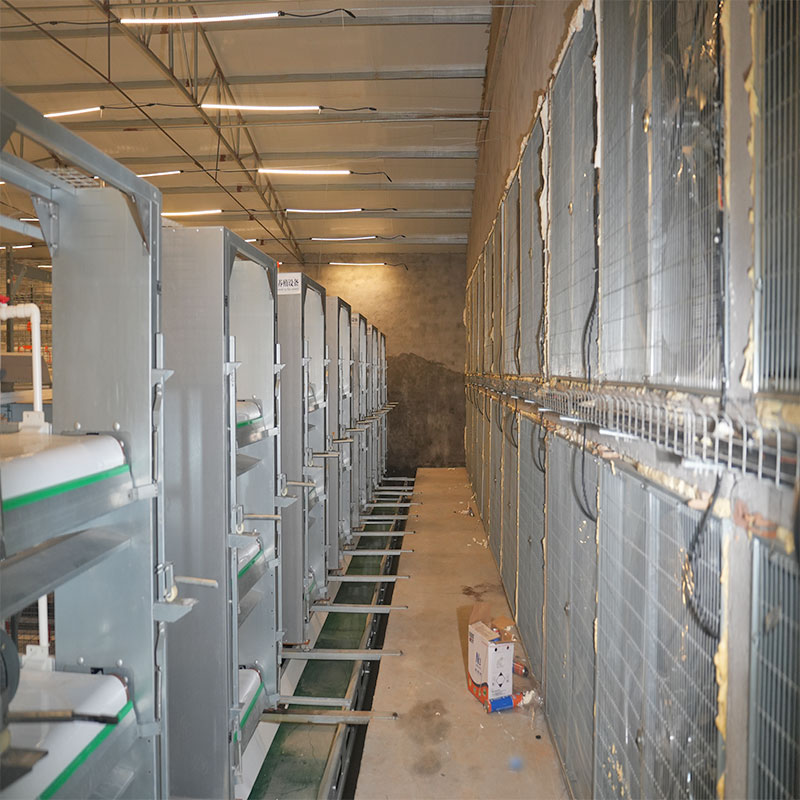
Q3 What difference between battery cage enriched colony cage?
A Enriched colony cages sometimes called furnished provide slightly more space include legally mandated enrichments perch nest box scratch area These designed allow expression important natural behaviors impossible conventional barren cage
Q4 Why are battery considered cruel?
A Animal welfare scientists veterinary experts cite severe restriction natural behaviors lack space inability perform nesting dustbathing foraging leading physical problems osteoporosis psychological stress frustration which constitute poor welfare state according established scientific frameworks Five Freedoms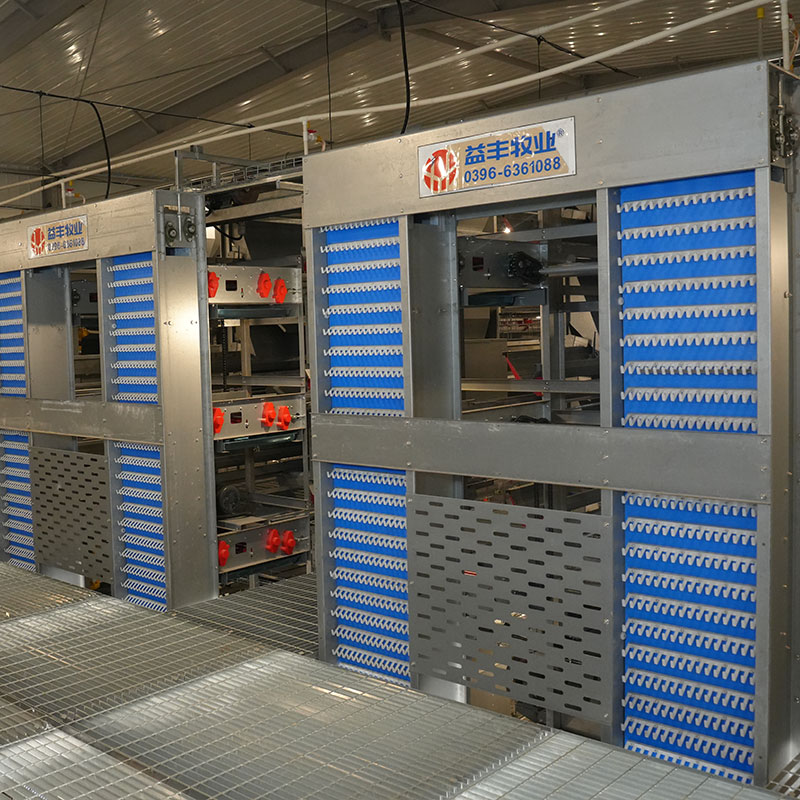
Q5 Do chickens suffer batteries?
A Based extensive behavioral physiological research consensus among animal welfare scientists yes hens conventional batteries experience reduced welfare due behavioral deprivation physical health issues associated confinement
Q6 What percentage eggs come from batteries globally?
A Estimates vary widely region As 2024 roughly over half global egg production still originates caged systems including enriched However proportion declining rapidly North America Europe due legislation corporate pledges shift cagefree
Q7 Are eggs from caged hens less nutritious?
A Nutritional content protein fat vitamins largely determined hen diet not housing system There may slight differences fatty acid profiles freerange hens forage but primary differences relate ethical considerations not nutrition
Q8 How long do laying hens live batteries?
A Production cycle commercial laying hen regardless system typically around months weeks At point rate lay declines economically viable replaced new flock This consistent across intensive farming systems not unique batteries
Q9 What best alternative system overall hen welfare?
A No single system perfect tradeoffs Wellmanaged freerange aviary allowing full behavioral expression outdoors generally considered highest potential welfare However it also carries highest risks disease predation requiring excellent management achieve potential
1. Drinking system include the water pipes, water pressure adjuster, drinking nipples, Waterline front-end device, dosing system etc, choose them according to customer's needs.
2. High-quality water drinking pipes, pressure regulating valves and water drinking nipples can effectively prevent the water leakage. Drinking system adopt the closed piping system, which can minimize the water pollution.
3. 360-degree drinking nipples provide adequate drinking water for poultry at all stages.
4. The automatic drinking water system mainly adopts the steel ball drinking nipple. lt uses imported high-grad stainless steel, POM resin, and APS engineering material, which is wearing resistant, and the durability can be used for long time.



1. Automatic feeding machine can be chosen between gantry and ladder feeding machine. Gantry type feeding machine is a relatively economical and practical machine with simple operation, remote control walking character, easy to manage.
2. Mechanical transmission device running smoothly, low noise, long service life.
3. With the use of automatic control, the feeding system can adjust the amount of material.
4. Feeding with arched structure, high carrying capacity, not easily deformed.
5. Saving man power, saving feed, greatly improving the efficiency of Large-scale farming.
6. The walking speed of gantry feeding machine is 9--12 m/min.




1. Manure removing system included scraper type and conveyor belt type, Which can reduce the labor intensity and labor cost, keep the chicken shed dry and clean.
2. A type chicken cage can use scraper type or conveyor belt type.


3. The scraper type is suitable for A type cages, which can clean two or three rows. For the starters, this type is a good choice. lt can not only save some labor cost, but also save some investment in the whole project. The cleaning speed is 6-10 meters per minute.
4. Conveyor belt type is more suitable for large scale farming. The manure removing belt we use is high quality PP material (polypropylene). The walking speed is 2-4 meters per minute.



High Quality Pellets Made by Mobile Pellet Machine
1. It has professional designed angle of the blade. After the dynamic balance test one by one, the blade can operate smoothly.
2. The air volume is consistent in the whole life of the fan. Bearings has advantage of high strength, low noise, durable and so on.
1. The cooling pads uses high-quality wet curtain paper and adopts space cross-linking technology, which has the advantages of high water absorption, high water resistance, anti-toxicity and long service life.
2. The cooling efficiency is over 80%, without surfactant, natural water absorption, fast diffusion speed and long-lasting effect.
3. The product does not contain phenol and other chemical substances that are easy to cause skin allergies. It is non-toxic and harmless to the human body and chicken when installed and used. It is green, safe, energy-saving, environmentally friendly, economical, and easy to install.
4. The frame aluminum alloy has high strength, good corrosion resistance, durability and beautiful appearance.
5. Use a special filter for the cooling pad at the upper water to ensure clean water quality and support efficient water circulation components.
6. Combined with a negative pressure fan, it can effectively lower the indoor temperature.
The window is made of special selected high-quality engineering plastic, with high strength and long service life, together with superior anti-aging and anti-UV performance.
Function: Ventilation of the chicken house, usually used in the winter.
This system can adjust the wind speed and direction, thus the cold air will not reach chicken directly , which can effectively prevent the phenomenon of cold stress in chicken.
Environmental control system equipment is suitable for large-scale and intensive farming. According to customer requirements, we can provide various types of smart poultry equipment.
1. Our poultry management system is a modular system that manages all aspects of the chicken house, such as climate, temperature, humidity, ammonia, feeding, feed weighing, lighting and ventilation systems, and can monitor the situation of the chicken house in real time through a computer and mobile phone.
2. The management computer is the heart of the poultry farm, allowing you to easily monitor the entire poultry farm.

 WeChat:+8617838608255