
Battery Cage System Price in Ghana: A 2024 Cost & Investment Guide
For poultry farmers in Ghana looking to scale egg production, the battery cage system represents a significant technological investment. It promises efficiency, higher bird density, and potentially improved disease management. However, navigating the market to understand the battery cage system price in Ghana involves more than just comparing initial quotes. This comprehensive guide delves into the true cost of battery cages, exploring factors that influence pricing, the longterm financial implications, and crucial considerations for Ghanaian farmers before making this pivotal investment. We’ll move beyond simple price tags to provide a holistic view of what it takes to implement and run a successful caged layer operation in the Ghanaian context.
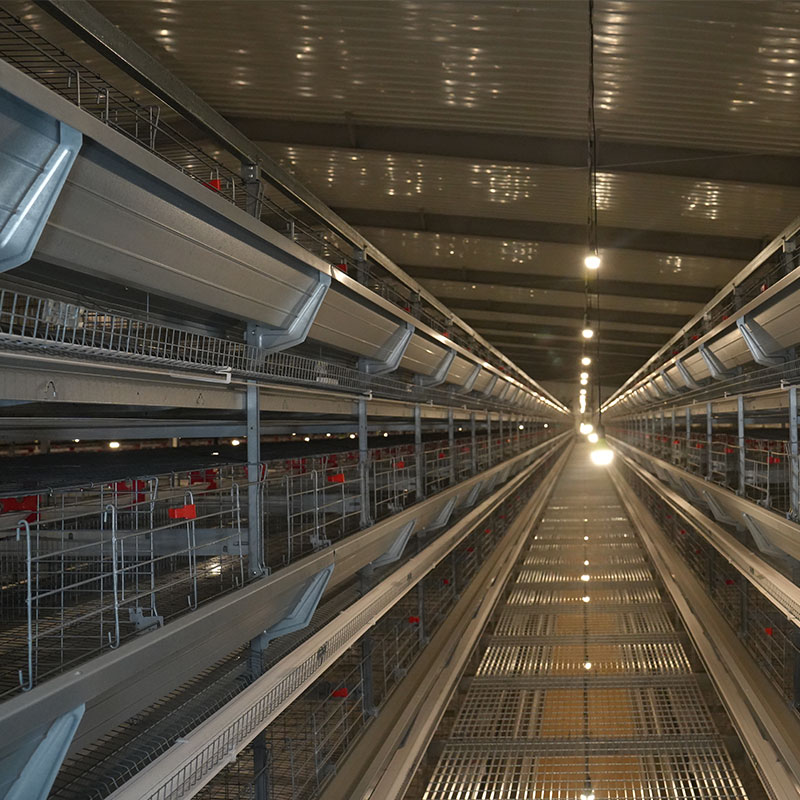
A battery cage system is a housing arrangement where laying hens are kept in rows of connected cages, usually within a controlledenvironment house. Each cage typically houses 38 birds, with automated systems for feeding, watering, and egg collection. In Ghana, these systems are popular among medium to largescale commercial egg producers aiming for high output per square meter.
Before asking "how much?" it's vital to understand what you're buying. The system's quality—gauged by materials (galvanized steel vs. coated wire), automation level, and durability—directly impacts both the upfront cost of poultry cages in Ghana and their operational lifespan.
The price is not a single figure but a spectrum influenced by multiple variables. Here’s a detailed breakdown.
1. System Capacity & Scale: Price is primarily determined by the number of birds (capacity). Systems are often quoted per bird or per unit cage.
2. Level of Automation:
Manual: Basic cages; you feed and collect eggs manually.
SemiAutomated: Includes automated feeders and nipple drinkers; egg collection may be manual.
Fully Automated: Incorporates automated feeding, drinking, egg collection (to a central belt), and sometimes manure removal systems.
3. Material Quality & Origin:
Imported Systems: Typically from China, Europe, or neighboring African countries. Often higher quality but subject to shipping, duty, and taxes.
Locally Fabricated Systems: Growing in popularity due to lower cost and easier maintenance support. Quality can vary significantly between workshops.
4. Supplier & Brand: Established agricultural equipment suppliers may charge more for aftersales service and warranties compared to unknown importers or fabricators.
The following table provides a general overview of current market prices. These are estimates and can fluctuate based on the factors above and foreign exchange rates.
| System Type | Capacity Range | Automation Level | Estimated Price Range (GHS) | Key Notes |
| : | : | : | : | : |
| Local Fabrication | 500 5,000 birds | Manual / SemiAuto | GHS 15 GHS 35 per bird | Highly variable quality; requires thorough vetting of fabricator. |
| Imported Standard | 1,000 10,000 birds | SemiAutomated | GHS 40 GHS 70 per bird | Most common for midscale farms; includes feeders/drinkers. |
| Imported HighTier| 5,000 50,000+ birds| Fully Automated | GHS 80 GHS 150+ per bird | Includes egg collection belts; high durability; premium brands. |
Important Note: The "per bird" cost often decreases as the total capacity increases due to economies of scale.
The cage unit itself is only part of the investment. A realistic budget must include:
Poultry House Construction: A wellventilated, secure, and insulated building is nonnegotiable.
Electrical Installation & Backup Power: Critical for running fans, lights, and automation systems.
Water Reservoir & Plumbing: Ensures consistent supply to nipple lines.
Manure Management System: May require pits, conveyors, or composting areas.
Transportation & Installation: For imported cages; local fabrication may include installation.
Import Duties & Taxes (for imported systems): Can add 2035%+ to the landed cost.
To move beyond just price towards understanding value:
1. Calculate Your ROI (Return on Investment):
Factor in increased bird density (more birds per square meter than deep litter).
Consider potential improvements in feed conversion ratio (FCR) due to reduced bird movement.
Account for labor savings from automation on feeding and egg collection.
Weigh against higher initial capital outlay and potentially higher veterinary/management expertise needed.
2. Consider Operational Costs:
Birds in cages require meticulously balanced feed delivered via automated systems.
Energy costs for running automation and ventilation are ongoing.
Maintenance costs for repairing cages belts drinkers etc must be budgeted
3. Market Context in Ghana:
Align your scale with your market access Can you sell all the eggs produced?
Understand consumer trends While efficient some premium markets may have preferences that affect pricing
1. Define Your Needs Clearly: Start with your business plan not a supplier’s catalog How many eggs do you aim to produce weekly?
2. Source Multiple Quotations: Get detailed quotes from at least three reputable suppliers/fabricators Ensure they break down all costs including delivery installation taxes
3. Ask for References & Inspect Existing Installations: Visit farms that have used the supplier’s equipment Talk to the owners about performance durability aftersales service
4. Prioritize AfterSales Support: Inquire about warranty availability of spare parts technical support This is often where cheap options become expensive
5.
6.
The decision to invest in a battery cage system in Ghana is fundamentally a business decision not just an equipment purchase While initial prices can range from GHS15 to over GHS150 per bird true financial success lies in meticulous planning considering all associated infrastructure costs understanding operational implications calculating realistic ROI choosing reliable suppliers prioritizing aftersales support By focusing on total cost ownership value over time rather than just upfront price tag you position your poultry venture sustainable profitable growth within Ghana dynamic agricultural sector Remember cheapest option rarely most economical long run Invest knowledge first then right system your specific farm context goals
Here are answers to some of the most commonly asked questions regarding battery cage costs and implementation in Ghana.
Q1: What is the cheapest battery cage system available in Ghana?
The cheapest options are typically manually operated cages fabricated by local metal workshops Prices can start as low as GHS15 per bird However quality durability can be major concerns requiring careful vetting supplier
Q2: How much does it cost fully automate mediumscale farm say birds?
For fully automated imported system housing birds total investment likely fall between GHS400 GHS600 This includes cages automation house modification essential infrastructure but exact figure depends brand specifications site conditions
Q3: Are there government subsidies loans available poultry equipment like battery cages?
Yes programs through Ministry Food Agriculture MoFA banks like Agricultural Development Bank ADB National Investment Bank NIB sometimes offer credit facilities specific agricultural mechanization It best consult directly these institutions latest programs eligibility criteria
Q4: Which better imported cages locally made ones?
Both have pros cons Imported systems generally offer better engineering consistency higher automation levels but come higher cost potential spare parts delays Locally fabricated cheaper easier repair maintain but may lack durability precision advanced features Choice depends budget technical capacity longterm plans
Q5: Besides cage itself what other major costs should budget ?
Major additional costs include poultry house construction renovation electrical wiring backup generator water storage plumbing manure handling system transportation installation professional fees import duties if applicable These often exceed cost cage units themselves
Q6: How long does typical battery cage system last before needing replacement?
Wellmaintained highquality galvanized steel system last years years Locally made systems using lowergrade materials might require significant repairs replacement sooner Durability directly linked material quality environmental conditions maintenance practices
Q7: Can start small with battery cages expand later?
Yes modular nature many modern cage systems allows expansion However crucial plan initial layout electrical water infrastructure accommodate future expansion avoid costly reconfiguration later Discuss scalability potential with your supplier design stage
Q8 main operational advantages battery cage over deep litter system?
Key advantages include higher stocking density better feed conversion ratio easier manure management reduced labor requirements automated processes generally cleaner eggs lower incidence some parasitic diseases However requires stricter management nutrition ventilation
Q9 What ongoing maintenance costs should expect ?
Budget regular replacement wearandtear parts like nipple drinker rubbers conveyor belts egg rollers bearings Also consider cost lubricants cleaning disinfectants periodic servicing mechanical electrical components Having stock critical spares minimizes downtime
Q10 animal welfare concerns affect future regulations regarding battery cages ?
Global trend moving towards enriched colony systems freerange due welfare concerns While current regulations Ghana may not prohibit conventional batteries forwardthinking farmers should monitor trends consumer preferences international trade standards could influence future marketability eggs
1. Drinking system include the water pipes, water pressure adjuster, drinking nipples, Waterline front-end device, dosing system etc, choose them according to customer's needs.
2. High-quality water drinking pipes, pressure regulating valves and water drinking nipples can effectively prevent the water leakage. Drinking system adopt the closed piping system, which can minimize the water pollution.
3. 360-degree drinking nipples provide adequate drinking water for poultry at all stages.
4. The automatic drinking water system mainly adopts the steel ball drinking nipple. lt uses imported high-grad stainless steel, POM resin, and APS engineering material, which is wearing resistant, and the durability can be used for long time.



1. Automatic feeding machine can be chosen between gantry and ladder feeding machine. Gantry type feeding machine is a relatively economical and practical machine with simple operation, remote control walking character, easy to manage.
2. Mechanical transmission device running smoothly, low noise, long service life.
3. With the use of automatic control, the feeding system can adjust the amount of material.
4. Feeding with arched structure, high carrying capacity, not easily deformed.
5. Saving man power, saving feed, greatly improving the efficiency of Large-scale farming.
6. The walking speed of gantry feeding machine is 9--12 m/min.




1. Manure removing system included scraper type and conveyor belt type, Which can reduce the labor intensity and labor cost, keep the chicken shed dry and clean.
2. A type chicken cage can use scraper type or conveyor belt type.


3. The scraper type is suitable for A type cages, which can clean two or three rows. For the starters, this type is a good choice. lt can not only save some labor cost, but also save some investment in the whole project. The cleaning speed is 6-10 meters per minute.
4. Conveyor belt type is more suitable for large scale farming. The manure removing belt we use is high quality PP material (polypropylene). The walking speed is 2-4 meters per minute.



High Quality Pellets Made by Mobile Pellet Machine
1. It has professional designed angle of the blade. After the dynamic balance test one by one, the blade can operate smoothly.
2. The air volume is consistent in the whole life of the fan. Bearings has advantage of high strength, low noise, durable and so on.
1. The cooling pads uses high-quality wet curtain paper and adopts space cross-linking technology, which has the advantages of high water absorption, high water resistance, anti-toxicity and long service life.
2. The cooling efficiency is over 80%, without surfactant, natural water absorption, fast diffusion speed and long-lasting effect.
3. The product does not contain phenol and other chemical substances that are easy to cause skin allergies. It is non-toxic and harmless to the human body and chicken when installed and used. It is green, safe, energy-saving, environmentally friendly, economical, and easy to install.
4. The frame aluminum alloy has high strength, good corrosion resistance, durability and beautiful appearance.
5. Use a special filter for the cooling pad at the upper water to ensure clean water quality and support efficient water circulation components.
6. Combined with a negative pressure fan, it can effectively lower the indoor temperature.
The window is made of special selected high-quality engineering plastic, with high strength and long service life, together with superior anti-aging and anti-UV performance.
Function: Ventilation of the chicken house, usually used in the winter.
This system can adjust the wind speed and direction, thus the cold air will not reach chicken directly , which can effectively prevent the phenomenon of cold stress in chicken.
Environmental control system equipment is suitable for large-scale and intensive farming. According to customer requirements, we can provide various types of smart poultry equipment.
1. Our poultry management system is a modular system that manages all aspects of the chicken house, such as climate, temperature, humidity, ammonia, feeding, feed weighing, lighting and ventilation systems, and can monitor the situation of the chicken house in real time through a computer and mobile phone.
2. The management computer is the heart of the poultry farm, allowing you to easily monitor the entire poultry farm.

 WeChat:+8617838608255