
Title: Battery Cage System Price: A Comprehensive Cost Analysis for Poultry Farmers
Introduction
For poultry farmers considering or currently operating a layer (eggproducing) facility, understanding the battery cage system price is a fundamental step in business planning. However, focusing solely on the initial purchase tag is a critical mistake. The true cost encompasses a complex web of capital investment, operational expenses, ethical considerations, and market trends that can significantly impact your longterm profitability and sustainability.
This guide moves beyond a simple price list. As industry experts, we will dissect the full financial picture of battery cage systems. We'll explore the factors that drive costs, compare them with alternative housing methods, and provide you with the analytical framework needed to make an informed investment decision that aligns with both your economic goals and evolving industry standards.
Before diving into costs, it's essential to define what we're discussing. A battery cage system is a housing method where hens are kept in rows of small, identical wire cages stacked in tiers. This design maximizes space efficiency, allowing for highdensity farming. The system typically includes integrated features for feeding, watering, and egg collection.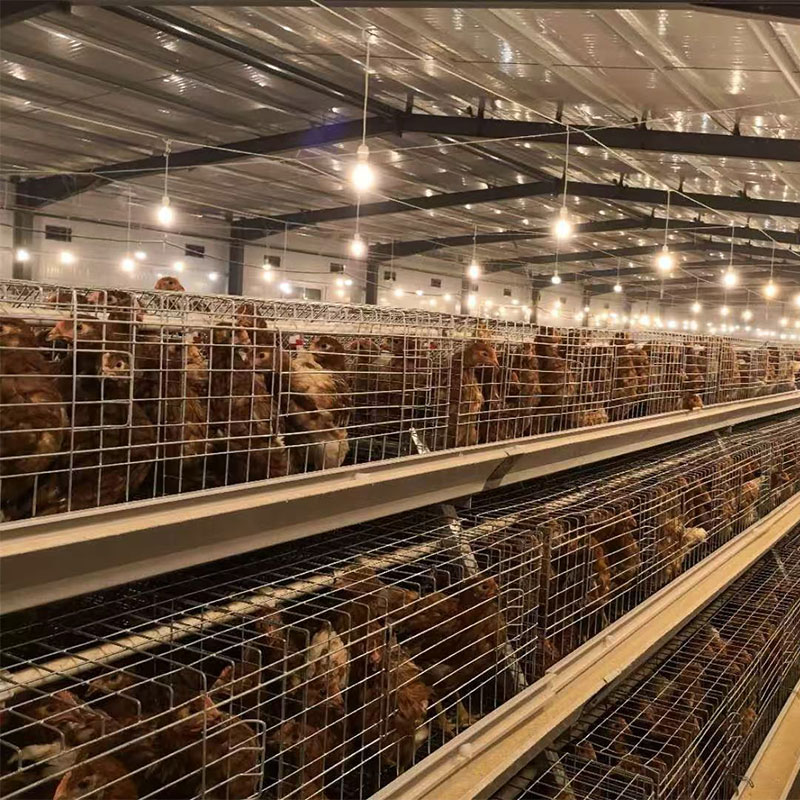
The primary intent behind searching for "battery cage system price" is commercial investigation. Users are likely farmers, agricultural investors, or procurement officers seeking to:
Budget for a new operation.
Calculate ROI (Return on Investment).
Compare capital expenses against other systems.
Source equipment from suppliers.
The total investment can be categorized into three main areas: Capital Expenditure (CAPEX), Operational Expenditure (OPEX), and Hidden/Indirect Costs.
This is the direct battery cage system price you obtain from manufacturers or suppliers. It varies dramatically based on several factors.
H3: Key Factors Influencing Purchase Price:
Automation Level:
Basic Manual Systems: Cages only. Feeding, watering, and egg collection are done manually. (Lowest upfront cost).
SemiAutomated: Includes automated nipple drinking lines and chain feeders. Egg collection may be manual.
Fully Automated: Incorporates automated egg collection belts, manure removal belts (deep pit or daily cleaning), climate control sensors, and central computer management. (Highest upfront cost).
Capacity & Scale: Price is often quoted per bird place or per cage unit.
Smallscale systems (1,000 5,000 birds) will have a higher cost per bird due to economies of scale.
Largescale systems (10,000+ birds) benefit from bulk pricing and optimized design.
Material & Build Quality: Galvanized steel quality, coating durability (e.g., hotdip galvanizing), and wire gauge thickness affect longevity and price.
Tier Configuration: Aframe cages (38 tiers) are common. More tiers increase density but may require more sophisticated ventilation and manure handling.
Supplier & Region: Manufacturing origin (e.g., local vs. imported from China, Europe, or USA), brand reputation, and aftersales service support influence pricing.
H3: Estimated Price Ranges (Per Bird Place):
(Note: These are global estimates; obtain local quotes for accuracy.)
| System Automation Level | Estimated Cost Per Bird Place (USD) | Notes |
| : | : | : |
| Basic Manual System | $3 $6 | Low automation; high labor dependency. |
| SemiAutomated System | $6 $12 | Includes auto feeders & drinkers; common choice for midtier farms. |
| Fully Automated System | $12 $25+ | Includes egg collection, manure belts, environmental control. High CAPEX but low OPEX. |
Important: This CAPEX must also include:
Housing structure/shed construction.
Ventilation systems (fans, inlets).
Electrical installations.
Manure handling systems (pits or storage).
Initial pullet (young hen) purchase.
This is where the longterm financial reality sets in. A lower upfront price can lead to much higher OPEX.
H3: Major Ongoing Costs:
1. Labor: Automated systems drastically reduce labor needs for collection and feeding but require skilled maintenance technicians.
2. Feed: This is the single largest OPEX (~6070% of total). Cage systems are designed for feed efficiency.
3. Energy: Running feeders, water lines, ventilation fans, egg collection belts, and lighting consumes significant electricity.
4. Bird Replacement: Regular replacement of laying hens after their productive cycle (~7280 weeks).
5. Maintenance & Repairs: Regular servicing of automated equipment and replacement of worn parts.
6. Manure Management: Cost of removal or treatment if not fully integrated into an automated belt system.
7. Veterinary & Health: While cages can limit some disease transmission through separation from manure ("allinallout" management is easier), issues like osteoporosis and feather pecking can incur costs.
No modern cost analysis is complete without considering these critical factors:
Ethical Compliance & Legislation: Many regions (EU, Canada New Zealand several US states etc.) have banned or are phasing out conventional battery cages in favor of enriched colonies or cagefree systems Investing in soontobeoutlawed technology carries massive financial risk
Market Access & Premiums: Major food retailers restaurants foodservice companies globally now demand cagefree eggs Paying a premium price for eggs from caged hens is becoming increasingly rare potentially shrinking your buyer pool
Consumer Perception: Brand reputation risk associated with cage systems can affect overall farm viability
Return on Investment ROI Analysis
To compare effectively you must calculate ROI over the lifespan of the equipment
A simplified formula:
ROI = [Net Profit / Total Investment] x 100
Where:
Total Investment = CAPEX + Total OPEX over period
Net Profit = Revenue Egg Sales minus Total Investment
While battery cages often show a favorable initial ROI due to high density lower feed wastage lower mortality rates from cannibalism this advantage erodes if market access premiums disappear legislation changes force early retirement of assets
It's irresponsible to discuss price without context Here's how battery cages stack up
| System | Approx CAPEX Bird Place USD Key OPEX Characteristics Market Financial Risk |
| : | : : : |
| Conventional Battery Cage Low Medium High Feed efficient low labor High density Very High Legislative bans market rejection |
| Enriched Colony Cage Medium Medium Similar efficiency more space per hen perches nest box Legislative risk lower but present |
| Cage Free Aviary High Higher Labor feed costs higher mortality potential Lower Higher egg premiums but higher production costs |
| Free Range Organic Highest Highest Highest operational complexity land need Highest Potential for highest price premiums but highest management cost |
The question isn't just What is the battery cage system price? but What is the total cost of ownership viability over years?
For new entrants in regions with no impending legislation focusing solely on maximum short term efficiency battery cages may seem attractive financially However this is an increasingly narrow high risk window
The global trend unequivocally moves toward alternative enriched colony or cage free systems A prudent long term investment should factor in future proofing Your business plan must account for:
1 The lifespan years of your equipment versus regional legislative timelines
2 Your target buyers procurement policies years from now
3 The true all in cost including potential retrofitting early asset write offs
Consult with agricultural economists extension officers visit trade shows get multiple supplier quotes that include automation options Most importantly run your numbers based on total lifecycle cost not just an initial invoice The cheapest system today could be the most expensive mistake tomorrow
Here we answer some of the most common People Also Ask questions related to our keyword
Q1 What exactly does battery cage system price include
A1 The quoted price typically includes the physical wire cages supporting frames integrated feeding troughs nipple drinkers gates It rarely includes the housing shed construction electrical work ventilation climate control major manure handling infrastructure delivery installation These are usually separate line items so always request a detailed breakdown
Q2 How much does it cost to install a battery cage system for birds
A2 Installation costs vary widely For large fully automated turnkey projects installation commissioning by supplier engineers can add % to % onto equipment cost For simpler semi automated systems local farm labor might handle it Always budget for professional installation especially for complex automation to ensure optimal performance
Q3 Are used battery cage systems cheaper Is it a good idea
A3 Yes used equipment significantly lowers CAPEX However inspect thoroughly for rust structural wear outdated designs parts availability Biosecurity risks are high proper deep cleaning disinfection before use non negotiable Given rapid regulatory changes buying used conventional cages carries very high risk they may become obsolete before end their useful life
Q4 What's more important low upfront cost or low operating cost
A4 For sustainable profitability low operating cost almost always trumps low upfront cost Investing more initially in automation energy efficient climate control reduces recurring labor feed wastage energy bills leading better long term ROI Calculate payback period extra automation features carefully
Q5 How does hen density affect overall system price
A5 Higher density more bird places per square foot lowers building construction capex per bird increases revenue potential per square meter However it demands superior expensive ventilation cooling manure management technology prevent heat stress disease outbreaks There optimal balance between density animal welfare regulations productivity find it crucial
Q6 Do suppliers offer financing options these large purchases
A6 Yes many reputable manufacturers distributors partner agricultural finance banks offer leasing installment payment plans loans This helps manage cash flow evaluate terms interest rates carefully factor them into your financial model
Q7 Besides cages what other major costs should I budget starting layer farm
A7 Major additional capital costs include Land poultry shed construction insulation ventilation cooling heating electrical plumbing egg sorting packing room pullets young hens first batch feed working capital cover months until first egg sales revenue starts Don't underestimate these they often exceed cage system itself
Q8 How has recent legislation affected prices available battery cages
A8 In markets where banned conventional models prices collapsed as supply exceeds dwindling demand In markets still allowing them prices remain competitive but uncertainty may deter some manufacturers investing new models Conversely prices enriched colony compliant systems risen due increased demand innovation focus there
1. Drinking system include the water pipes, water pressure adjuster, drinking nipples, Waterline front-end device, dosing system etc, choose them according to customer's needs.
2. High-quality water drinking pipes, pressure regulating valves and water drinking nipples can effectively prevent the water leakage. Drinking system adopt the closed piping system, which can minimize the water pollution.
3. 360-degree drinking nipples provide adequate drinking water for poultry at all stages.
4. The automatic drinking water system mainly adopts the steel ball drinking nipple. lt uses imported high-grad stainless steel, POM resin, and APS engineering material, which is wearing resistant, and the durability can be used for long time.



1. Automatic feeding machine can be chosen between gantry and ladder feeding machine. Gantry type feeding machine is a relatively economical and practical machine with simple operation, remote control walking character, easy to manage.
2. Mechanical transmission device running smoothly, low noise, long service life.
3. With the use of automatic control, the feeding system can adjust the amount of material.
4. Feeding with arched structure, high carrying capacity, not easily deformed.
5. Saving man power, saving feed, greatly improving the efficiency of Large-scale farming.
6. The walking speed of gantry feeding machine is 9--12 m/min.




1. Manure removing system included scraper type and conveyor belt type, Which can reduce the labor intensity and labor cost, keep the chicken shed dry and clean.
2. A type chicken cage can use scraper type or conveyor belt type.


3. The scraper type is suitable for A type cages, which can clean two or three rows. For the starters, this type is a good choice. lt can not only save some labor cost, but also save some investment in the whole project. The cleaning speed is 6-10 meters per minute.
4. Conveyor belt type is more suitable for large scale farming. The manure removing belt we use is high quality PP material (polypropylene). The walking speed is 2-4 meters per minute.



High Quality Pellets Made by Mobile Pellet Machine
1. It has professional designed angle of the blade. After the dynamic balance test one by one, the blade can operate smoothly.
2. The air volume is consistent in the whole life of the fan. Bearings has advantage of high strength, low noise, durable and so on.
1. The cooling pads uses high-quality wet curtain paper and adopts space cross-linking technology, which has the advantages of high water absorption, high water resistance, anti-toxicity and long service life.
2. The cooling efficiency is over 80%, without surfactant, natural water absorption, fast diffusion speed and long-lasting effect.
3. The product does not contain phenol and other chemical substances that are easy to cause skin allergies. It is non-toxic and harmless to the human body and chicken when installed and used. It is green, safe, energy-saving, environmentally friendly, economical, and easy to install.
4. The frame aluminum alloy has high strength, good corrosion resistance, durability and beautiful appearance.
5. Use a special filter for the cooling pad at the upper water to ensure clean water quality and support efficient water circulation components.
6. Combined with a negative pressure fan, it can effectively lower the indoor temperature.
The window is made of special selected high-quality engineering plastic, with high strength and long service life, together with superior anti-aging and anti-UV performance.
Function: Ventilation of the chicken house, usually used in the winter.
This system can adjust the wind speed and direction, thus the cold air will not reach chicken directly , which can effectively prevent the phenomenon of cold stress in chicken.
Environmental control system equipment is suitable for large-scale and intensive farming. According to customer requirements, we can provide various types of smart poultry equipment.
1. Our poultry management system is a modular system that manages all aspects of the chicken house, such as climate, temperature, humidity, ammonia, feeding, feed weighing, lighting and ventilation systems, and can monitor the situation of the chicken house in real time through a computer and mobile phone.
2. The management computer is the heart of the poultry farm, allowing you to easily monitor the entire poultry farm.

 WeChat:+8617838608255