The Battery Cage System: Efficiency at What Cost?
Introduction
The battery cage system represents one of the most widespread yet controversial methods of egg production in modern agriculture. Developed in the 1930s and perfected throughout the 20th century, this intensive farming technique has revolutionized how we produce eggs, making them more affordable and accessible than ever before. However, beneath its veneer of efficiency lies a complex web of ethical concerns, animal welfare issues, and environmental impacts that demand careful consideration.
Historical Development and Technical Specifications
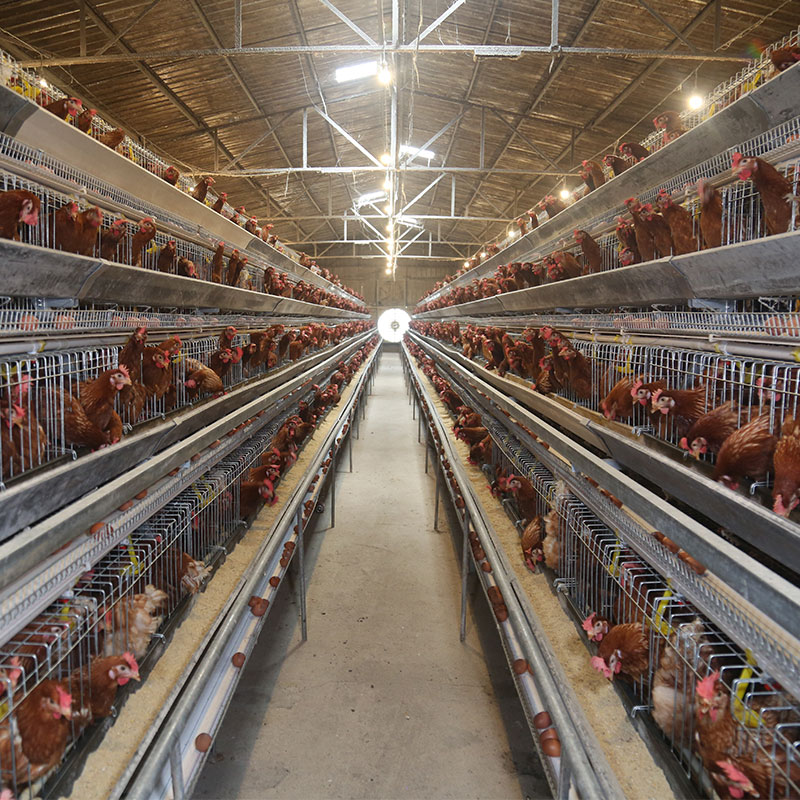
The battery cage system emerged as a solution to meet the growing demand for affordable protein in industrialized nations. The term "battery" refers to the arrangement of identical cages in uniform rows, similar to artillery batteries. A typical battery cage measures approximately 40 cm by 45 cm (16 by 18 inches), with a height ranging from 40 to 45 cm. These dimensions provide each hen with space equivalent to less than a standard sheet of paper.
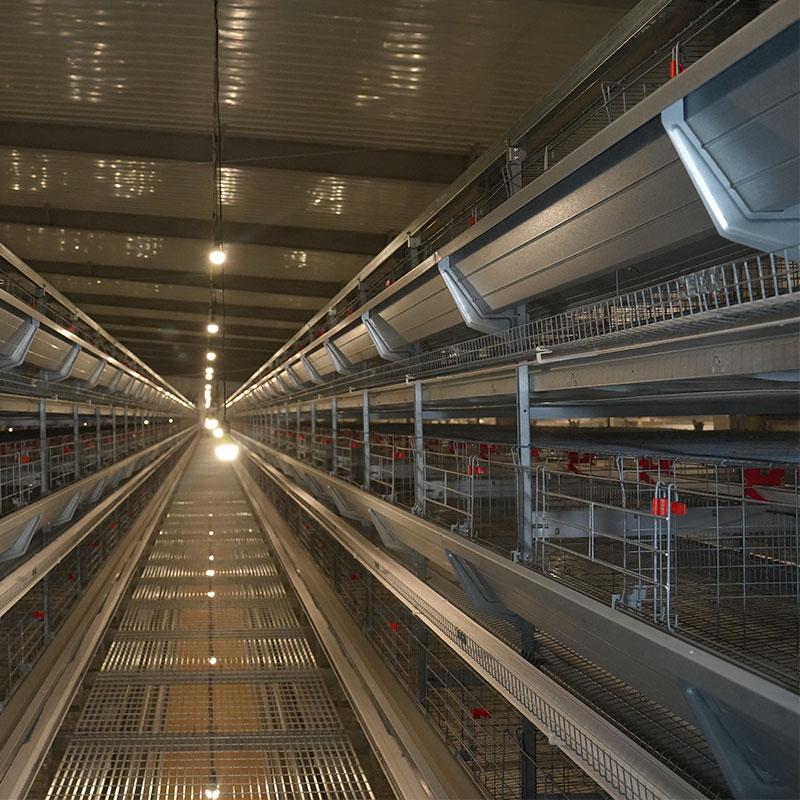
Modern battery cage operations can house tens of thousands of hens in a single facility, with cages stacked vertically in tiers ranging from three to eight levels high. Automated systems deliver feed, collect eggs, and remove waste, requiring minimal human intervention. The cages are constructed from galvanized wire mesh with sloped floors that allow eggs to roll onto collection belts, while waste falls through to conveyor belts or pits below.
Economic and Production Advantages
Proponents highlight several compelling advantages that have made battery cages the dominant production method:
1. Space Efficiency: Vertical stacking maximizes egg production per square meter of floor space
2. Labor Reduction: Automation minimizes staffing requirements
3. Disease Control: Separation from feces reduces certain parasitic infections
4. Feed Conversion: Restricted movement improves feed-to-egg conversion ratios
5. Egg Quality: Automated collection reduces egg breakage and contamination
6. Cost Reduction: Economies of scale keep consumer prices low
Studies indicate battery systems can produce eggs at 20-30% lower cost than alternative methods, explaining their rapid global adoption since the 1950s. In many developing nations transitioning to industrial agriculture, battery systems represent the fastest way to increase domestic egg production.
Animal Welfare Concerns
The confinement inherent to battery cages raises significant ethical questions that have fueled decades of debate:
1. Behavioral Restrictions: Hens cannot perform natural behaviors like nesting, perching, dust-bathing, or foraging
2. Physical Health Issues: Includes bone weakness, foot disorders, and feather loss from constant cage contact
3. Psychological Stress: Manifested through stereotypic behaviors and increased aggression
4. Forced Molting: Some operations starve hens to extend laying cycles
5. Space Allocation: Provides less area than the hen's wingspan
Research demonstrates that hens in enriched environments show broader behavioral repertoires and lower stress hormone levels. The European Union's 2012 ban on conventional battery cages (replaced by "enriched" cages with slightly more space and amenities) reflected growing societal concerns about these welfare issues.
Environmental and Health Considerations
The concentration of animals in battery systems creates unique environmental challenges:
1. Ammonia Emissions: High-density housing produces concentrated waste that generates harmful gases
2. Manure Management: Large volumes of waste require proper disposal to prevent water contamination
3. Antibiotic Use: Prophylactic antibiotics in some operations contribute to resistance concerns
4. Odor Issues: Large facilities can impact local air quality
5. Energy Demands: Automated systems require significant electricity inputs
From a food safety perspective, while battery cages reduce certain parasites, the stress and close confinement may increase susceptibility to other diseases like salmonella—a complex trade-off that continues to be studied.
Global Regulatory Landscape
Attitudes toward battery cages vary significantly by region:
1. European Union: Banned conventional battery cages in 2012, permitting only enriched cages
2. United States: No federal ban, but several states have implemented restrictions
3. Canada: Phasing out conventional cages by 2036
4. Australia: Moving toward cage-free commitments by 2036
5. Developing Nations: Increasing battery cage adoption as demand grows
This patchwork of regulations creates market distortions and raises questions about global trade in egg products. Many multinational food companies have adopted cage-free policies for their supply chains, regardless of local regulations.
Alternatives to Battery Cages
Several alternative production methods have emerged:
1. Enriched Colonies: Provide slightly more space with perches and nesting areas
2. Barn Systems: Free-roaming within enclosed structures
3. Free-Range: Outdoor access in addition to barn facilities
4. Organic Systems: Combine free-range with organic feed requirements
5. Pasture-Raised: Mobile housing moved regularly to fresh pasture
Each alternative presents different cost structures, land requirements, and management challenges. While generally better for animal welfare, most alternatives require more labor and land while producing eggs at higher cost—factors that complicate widespread adoption.

The Future of Egg Production
The battery cage debate encapsulates broader questions about how societies balance efficiency, ethics, and economics in food production. Emerging technologies may reshape this landscape:
1. Genetic Selection: Breeding hens suited to alternative systems
2. Precision Feeding: Optimizing nutrition while reducing waste
3. Robotics: Advanced automation for non-cage systems
4. Cellular Agriculture: Lab-grown egg products
5. Blockchain Tracking: Enhanced supply chain transparency
Consumer preferences continue evolving, with many markets showing willingness to pay premium prices for eggs from alternative systems. However, in price-sensitive markets—particularly in developing nations—battery cages remain the dominant production method.
Conclusion
The battery cage system stands at a crossroads between agricultural efficiency and evolving ethical standards. While it has undeniably succeeded in making eggs affordable for billions of consumers, growing awareness of animal welfare and environmental impacts has challenged its dominance. The future will likely see a diversified egg market where battery systems coexist with alternative methods, each serving different consumer priorities and market segments. What remains certain is that egg production methods will continue evolving as societies reassess the true costs of their food choices.
1. Drinking system include the water pipes, water pressure adjuster, drinking nipples, Waterline front-end device, dosing system etc, choose them according to customer's needs.
2. High-quality water drinking pipes, pressure regulating valves and water drinking nipples can effectively prevent the water leakage. Drinking system adopt the closed piping system, which can minimize the water pollution.
3. 360-degree drinking nipples provide adequate drinking water for poultry at all stages.
4. The automatic drinking water system mainly adopts the steel ball drinking nipple. lt uses imported high-grad stainless steel, POM resin, and APS engineering material, which is wearing resistant, and the durability can be used for long time.



1. Automatic feeding machine can be chosen between gantry and ladder feeding machine. Gantry type feeding machine is a relatively economical and practical machine with simple operation, remote control walking character, easy to manage.
2. Mechanical transmission device running smoothly, low noise, long service life.
3. With the use of automatic control, the feeding system can adjust the amount of material.
4. Feeding with arched structure, high carrying capacity, not easily deformed.
5. Saving man power, saving feed, greatly improving the efficiency of Large-scale farming.
6. The walking speed of gantry feeding machine is 9--12 m/min.




1. Manure removing system included scraper type and conveyor belt type, Which can reduce the labor intensity and labor cost, keep the chicken shed dry and clean.
2. A type chicken cage can use scraper type or conveyor belt type.


3. The scraper type is suitable for A type cages, which can clean two or three rows. For the starters, this type is a good choice. lt can not only save some labor cost, but also save some investment in the whole project. The cleaning speed is 6-10 meters per minute.
4. Conveyor belt type is more suitable for large scale farming. The manure removing belt we use is high quality PP material (polypropylene). The walking speed is 2-4 meters per minute.



High Quality Pellets Made by Mobile Pellet Machine
1. It has professional designed angle of the blade. After the dynamic balance test one by one, the blade can operate smoothly.
2. The air volume is consistent in the whole life of the fan. Bearings has advantage of high strength, low noise, durable and so on.
1. The cooling pads uses high-quality wet curtain paper and adopts space cross-linking technology, which has the advantages of high water absorption, high water resistance, anti-toxicity and long service life.
2. The cooling efficiency is over 80%, without surfactant, natural water absorption, fast diffusion speed and long-lasting effect.
3. The product does not contain phenol and other chemical substances that are easy to cause skin allergies. It is non-toxic and harmless to the human body and chicken when installed and used. It is green, safe, energy-saving, environmentally friendly, economical, and easy to install.
4. The frame aluminum alloy has high strength, good corrosion resistance, durability and beautiful appearance.
5. Use a special filter for the cooling pad at the upper water to ensure clean water quality and support efficient water circulation components.
6. Combined with a negative pressure fan, it can effectively lower the indoor temperature.
The window is made of special selected high-quality engineering plastic, with high strength and long service life, together with superior anti-aging and anti-UV performance.
Function: Ventilation of the chicken house, usually used in the winter.
This system can adjust the wind speed and direction, thus the cold air will not reach chicken directly , which can effectively prevent the phenomenon of cold stress in chicken.
Environmental control system equipment is suitable for large-scale and intensive farming. According to customer requirements, we can provide various types of smart poultry equipment.
1. Our poultry management system is a modular system that manages all aspects of the chicken house, such as climate, temperature, humidity, ammonia, feeding, feed weighing, lighting and ventilation systems, and can monitor the situation of the chicken house in real time through a computer and mobile phone.
2. The management computer is the heart of the poultry farm, allowing you to easily monitor the entire poultry farm.

 WeChat:+8617838608255