
The Ultimate Guide to Choosing the Best Cage for Your Chickens
Choosing the best cage for your chickens is one of the most critical decisions you'll make as a poultry keeper. It's not merely about containment; it's about providing a safe, healthy, and productive environment where your flock can thrive. The right housing directly impacts egg production, bird health, predator security, and your overall management ease. With countless options on the market—from traditional coops to innovative tractors and elaborate runs—navigating the choices can feel overwhelming. This comprehensive guide cuts through the confusion. We’ll combine practical husbandry experience with clear analysis to help you select the perfect cage or coop system tailored to your specific flock size, climate, budget, and management style. Let's build the ideal home for your hens.
Before comparing models, you must define your own requirements. The "best" cage is highly subjective and depends on several key factors.
Flock Size: Always plan for more birds than you start with (the "chicken math" phenomenon). Provide a minimum of 34 square feet per bird inside the coop and 810 square feet per bird in an outdoor run.
Primary Purpose: Are you raising chickens for eggs, meat, exhibition, or as pets? Layer hens need secure nesting boxes, while broilers may require more floor space.
Breeds: Larger breeds (like Jersey Giants) need more space than bantams. Flightier breeds may require covered runs.
Climate: Coops in rainy regions need excellent waterproofing and ventilation to prevent moisture buildup. Cold climates require draftfree but wellventilated designs with proper insulation. Hot climates demand maximum airflow and shade.
Available Space: Do you have room for a stationary coop with a large run, or would a mobile chicken tractor suit your rotating pasture system better?
Predator Pressure: Urban foxes, raccoons, hawks, and even dogs necessitate different security features like hardware cloth (not chicken wire), secure latches, and buried fencing.
Here are the main categories of chicken cages and coops, each with pros and cons.
The classic backyard setup.
Pros: Permanent, sturdy structure; can be heavily fortified; allows for automated feeders/waterers; good for larger flocks.
Cons: Can lead to barren, muddy runs if not managed; requires regular cleaning; fixed location.
Best For: Backyard keepers with dedicated space who want a permanent fixture.
A bottomless pen that is moved daily or weekly across grass.
Pros: Provides fresh forage and bugs daily; naturally fertilizes land; prevents disease buildup; no need for a fixed run.
Cons: Requires manual moving; less protection from digging predators unless skirted; limited space for large flocks.
Best For: Those wanting to integrate chickens into garden/pasture rotation; smaller flocks; homesteaders.
Smaller, often movable triangular structures combining coop and run.
Pros: Compact footprint; easy to move by one person; good isolation for sick birds or small batches.
Cons: Limited space; not suitable for large flocks; can be cramped for both keeper and chickens during cleaning.
Best For: 24 birds; temporary housing; starter coops.
It's vital to address this term directly due to its prevalence in search queries.
Battery Cages are industrial systems where hens are confined in small wire cages stacked in rows. They are largely phased out or banned in many regions due to severe animal welfare concerns (inability to perform natural behaviors like perching, nesting, or dust bathing).
Ethical Commercial Alternatives include:
Enriched Colony Systems: Larger enclosures providing perches, nesting areas, and scratching pads.
Barn/Roofed Systems: Freeroaming indoors within a large barn.
True FreeRange/PastureBased Systems: Birds have significant outdoor access.
For the backyard keeper seeking "the best cage," this typically means opting for enriched environments that prioritize welfare over mere containment.
Regardless of type, look for these nonnegotiable features:
1. Adequate Ventilation: More important than insulation! High vents or windows allow ammonia/moisture to escape while preventing drafts at roost level.
2. Secure Predator Proofing: ½ inch hardware cloth over all openings (including windows). Raccoonproof locks (like carabiners or slide bolts). Digproof skirting or floor.
3. Easy Access & Cleanliness:
Large cleaning doors/dropping boards that are easy to scrape.
Removable trays or deep litter method compatibility.
Nesting boxes accessible from outside for easy egg collection.
4. Proper Roosting Space: Provide at least 810 inches of roost bar per bird using rounded wood (2x4 with rounded edge is ideal), placed higher than nesting boxes.
5. Sufficient Nesting Boxes: One box per 45 hens. Dark, private locations filled with soft bedding like straw or wood shavings.
| Material | Pros | Cons | Best Use |
| : | : | : | : |
| Wood (Cedar/Pine) | Natural insulation breathable repels insects durable if maintained | Requires sealing/staining can rot heavy attracts mites if not treated | Stationary coops DIY builds |
| Plastic/Composite | Rotproof easy to clean lightweight no splinters | Can be less sturdy UV degradation possible poor insulation in extreme temps | Mobile tractors small prefab coops damp climates |
| Metal (Galvanized) | Extremely predatorproof rotproof longlasting fireresistant | Poor insulation can get very hot/cold condensation prone heavier often more expensive | Runs predator panels highsecurity components |
Buying PreBuilt:
Choose reputable brands known for quality materials (e.g., Omlet Eglu). Look beyond cute marketing photos at actual dimensions material specs customer reviews regarding durability Beware kits that are flimsy undersized lack proper ventilation
Building DIY:
Allows full customization maximizes value uses recycled materials Requires significant time tools skills Ensure plans come from experienced poultry keepers not just general carpenters Prioritize function over aesthetics
The best cage chicken coop isn't necessarily the most expensive or stylish one it's the structure that seamlessly meets both your chickens' biological needs behavioral instincts your practical management requirements By prioritizing space security ventilation easeofaccess you're investing directly in the vitality productivity of your flock Remember good housing prevents a multitude of problems from disease outbreaks predator losses eggeating habits Take time assess honestly commit providing a truly enriched environment Your reward will be healthy happy hens providing fresh eggs companionship joy season after season
Q1 What size cage do I need for 6 chickens?
You need an interior coop space of at least 1824 square feet plus an attached run of at least 4860 square feet More space is always better especially if they cannot freerange during day
Q2 Is it cheaper build my own chicken coop?
Typically yes especially if you have access tools recycled materials However factor cost your time Prebuilt coops offer convenience tested designs but often premium price smaller sizes
Q3 How do I protect my chicken cage from raccoons foxes?
Use hardware cloth not chicken wire over all openings including ventilation Use twostep locking mechanisms on doors raccoons can open simple latches Bury hardware cloth 12 inches out from run perimeter prevent digging Consider electric poultry netting highpressure areas Install automatic door closer dusk predators most active dawn dusk
Q4 Do chicken coops need be insulated?
In most climates proper ventilation far more critical than insulation Moisture buildup ammonia far deadlier than cold Insulation beneficial extreme cold climates but must paired vapor barrier meticulous sealing prevent moisture accumulation within walls which leads frostbite respiratory issues
Q5 What’s easiest chicken coop clean?
Look designs featuring large humansized access doors removable dropping trays underneath roosts slideout trays deep litter method which requires only periodic complete changes rather frequent scraping
Q6 Can I use dog crate rabbit hutch my chickens?
Only very temporarily isolation transport These lack adequate space ventilation predator proofing nesting areas longterm housing Chickens require vertical space roost horizontal space forage dust bathe
Q7 How important ventilation really?
It’s paramount Chickens produce surprising amount moisture respiration droppings Without adequate airflow ammonia fumes concentrate leading irreversible respiratory damage frostbite winter mold growth summer Provide vents near roof line protected by hardware cloth 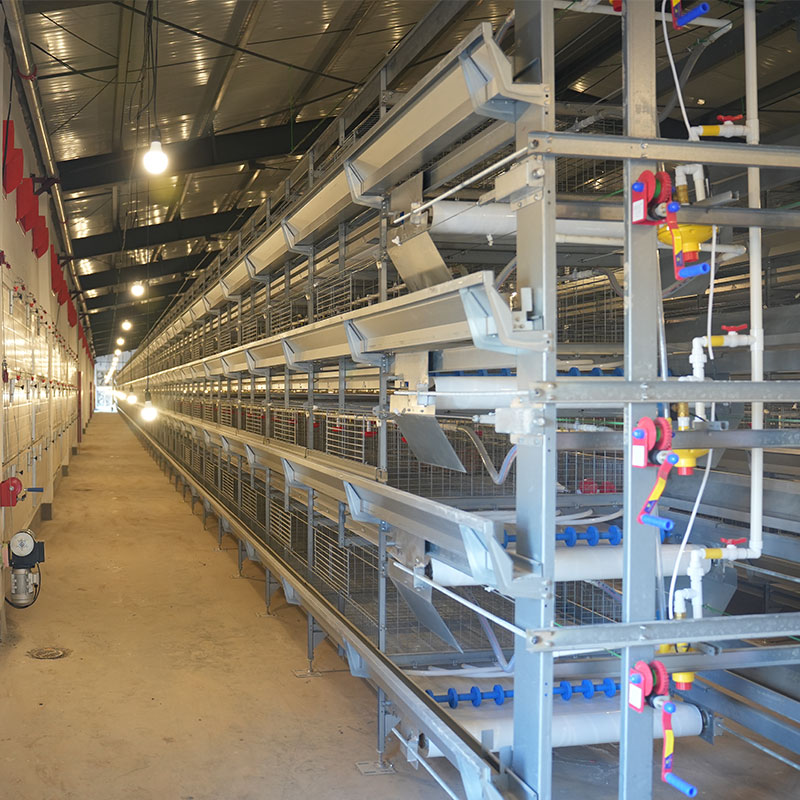
Q8 What difference between chicken tractor stationary coop?
Chicken tractor bottomless mobile enclosure moved regularly fresh ground providing forage pest control Stationary coop fixed structure attached run Requires manure management run can become barren Both systems work choice depends land management goals
Q9 Should my chicken cage have floor?
Stationary coops benefit solid floors protect against digging predators easier bed manage Mobile tractors typically floorless allow birds access grass Both styles require dry absorbent bedding material comfort hygiene
Q10 How many nesting boxes per hen needed? Standard rule thumb one box every four five hens Hens prefer share boxes often queue same favorite box Overproviding wastes interior space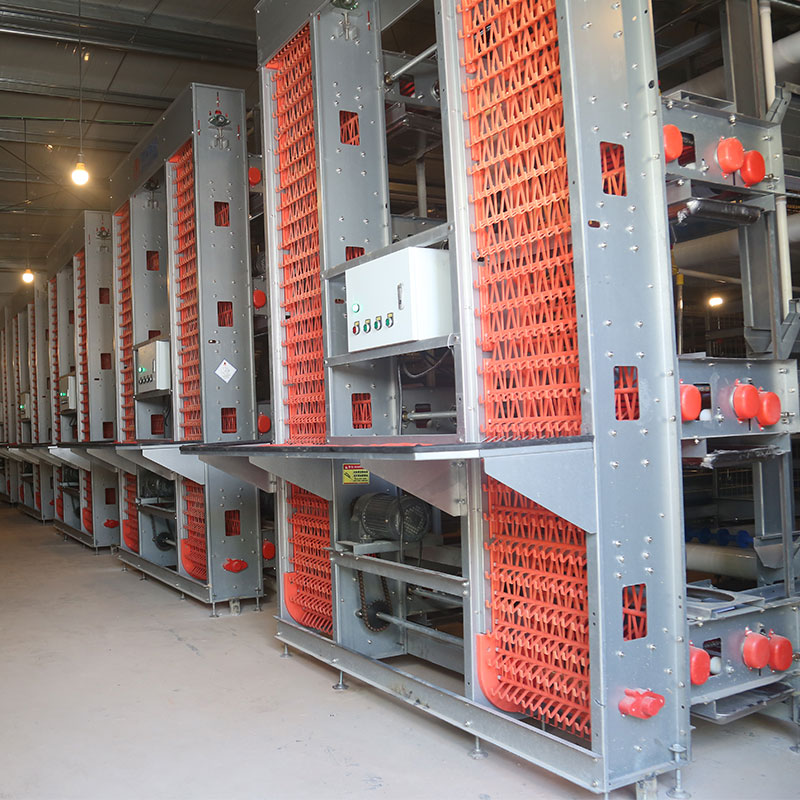
Q11 What best material bedding inside coop? Pine shavings straw hemp bedding popular choices Avoid cedar shavings aromatic oils potentially respiratory irritants Ensure bedding kept dry deep litter method manage moisture odor
Q12 Can I keep chickens cage without any outdoor run access Not recommended ethically practically Chickens strong instinct scratch forage dust bathe sunlight Confinement leads behavioral problems feather picking aggression poor health If freeranging impossible provide largest enriched secure outdoor possible
1. Drinking system include the water pipes, water pressure adjuster, drinking nipples, Waterline front-end device, dosing system etc, choose them according to customer's needs.
2. High-quality water drinking pipes, pressure regulating valves and water drinking nipples can effectively prevent the water leakage. Drinking system adopt the closed piping system, which can minimize the water pollution.
3. 360-degree drinking nipples provide adequate drinking water for poultry at all stages.
4. The automatic drinking water system mainly adopts the steel ball drinking nipple. lt uses imported high-grad stainless steel, POM resin, and APS engineering material, which is wearing resistant, and the durability can be used for long time.



1. Automatic feeding machine can be chosen between gantry and ladder feeding machine. Gantry type feeding machine is a relatively economical and practical machine with simple operation, remote control walking character, easy to manage.
2. Mechanical transmission device running smoothly, low noise, long service life.
3. With the use of automatic control, the feeding system can adjust the amount of material.
4. Feeding with arched structure, high carrying capacity, not easily deformed.
5. Saving man power, saving feed, greatly improving the efficiency of Large-scale farming.
6. The walking speed of gantry feeding machine is 9--12 m/min.




1. Manure removing system included scraper type and conveyor belt type, Which can reduce the labor intensity and labor cost, keep the chicken shed dry and clean.
2. A type chicken cage can use scraper type or conveyor belt type.


3. The scraper type is suitable for A type cages, which can clean two or three rows. For the starters, this type is a good choice. lt can not only save some labor cost, but also save some investment in the whole project. The cleaning speed is 6-10 meters per minute.
4. Conveyor belt type is more suitable for large scale farming. The manure removing belt we use is high quality PP material (polypropylene). The walking speed is 2-4 meters per minute.



High Quality Pellets Made by Mobile Pellet Machine
1. It has professional designed angle of the blade. After the dynamic balance test one by one, the blade can operate smoothly.
2. The air volume is consistent in the whole life of the fan. Bearings has advantage of high strength, low noise, durable and so on.
1. The cooling pads uses high-quality wet curtain paper and adopts space cross-linking technology, which has the advantages of high water absorption, high water resistance, anti-toxicity and long service life.
2. The cooling efficiency is over 80%, without surfactant, natural water absorption, fast diffusion speed and long-lasting effect.
3. The product does not contain phenol and other chemical substances that are easy to cause skin allergies. It is non-toxic and harmless to the human body and chicken when installed and used. It is green, safe, energy-saving, environmentally friendly, economical, and easy to install.
4. The frame aluminum alloy has high strength, good corrosion resistance, durability and beautiful appearance.
5. Use a special filter for the cooling pad at the upper water to ensure clean water quality and support efficient water circulation components.
6. Combined with a negative pressure fan, it can effectively lower the indoor temperature.
The window is made of special selected high-quality engineering plastic, with high strength and long service life, together with superior anti-aging and anti-UV performance.
Function: Ventilation of the chicken house, usually used in the winter.
This system can adjust the wind speed and direction, thus the cold air will not reach chicken directly , which can effectively prevent the phenomenon of cold stress in chicken.
Environmental control system equipment is suitable for large-scale and intensive farming. According to customer requirements, we can provide various types of smart poultry equipment.
1. Our poultry management system is a modular system that manages all aspects of the chicken house, such as climate, temperature, humidity, ammonia, feeding, feed weighing, lighting and ventilation systems, and can monitor the situation of the chicken house in real time through a computer and mobile phone.
2. The management computer is the heart of the poultry farm, allowing you to easily monitor the entire poultry farm.

 WeChat:+8617838608255