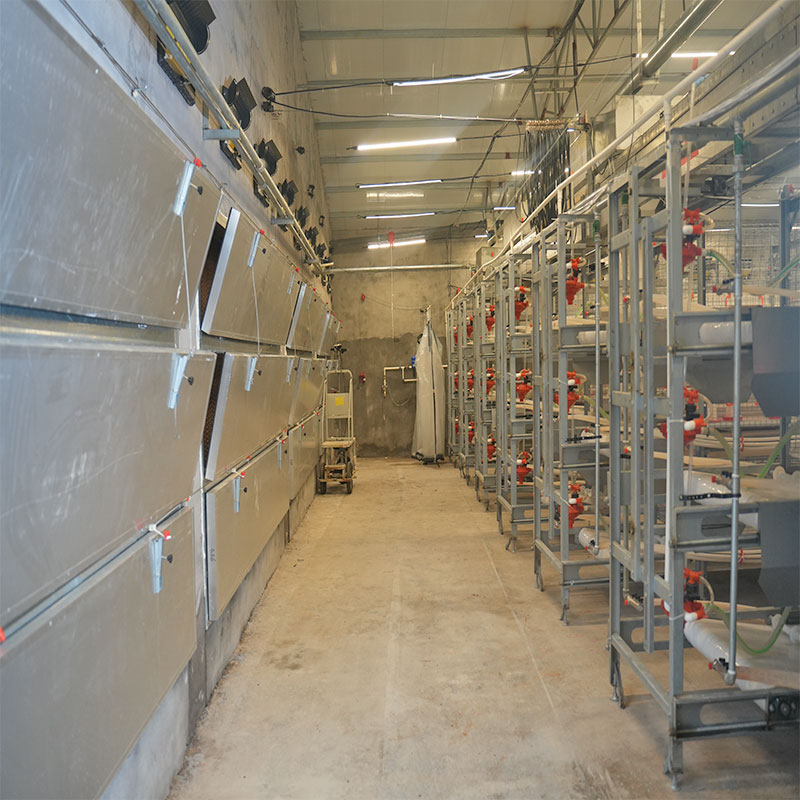
The decision of which housing system to invest in represents one of the most critical and long-term choices a poultry farmer will make. The right cage is not merely a container for birds; it is the very architecture of your operation’s health, productivity, and economic viability. It dictates flock welfare, influences feed conversion ratios, determines labor efficiency, and sets the stage for your farm's scalability. With a market offering a dizzying array of systems, from traditional battery cages to modern enriched colonies and complex aviaries, navigating the options requires a clear-eyed assessment of your specific goals, flock size, and management style. This analysis moves beyond sales brochures to examine the practical realities of each major cage system, providing a framework to identify the best fit for your enterprise.
The conversation around poultry housing is inextricably linked to the evolution of animal welfare standards and consumer expectations. This shift has permanently moved the industry away from the once-ubiquitous conventional battery cage, making an understanding of the current alternatives not just beneficial, but essential for future-proofing a farming business.
Conventional Battery Cages: A Fading Standard
For decades, the conventional battery cage was the undisputed workhorse of the egg industry. A typical setup involves long, parallel rows of small, wire cages stacked in multiple tiers, sometimes reaching four or five levels high. Each cage might house five to ten hens, providing just enough space for them to stand and access feed and water. A conveyor belt running beneath the cages removes manure, which dries quickly in the ventilated air between tiers.
The advantages of this system are primarily economic and operational. The high density of birds per square foot of barn space maximizes output from a limited footprint. The automated manure belts significantly reduce ammonia levels and improve overall air quality compared to deep litter systems, which has positive knock-on effects for respiratory health. Labor for egg collection is minimized with inclined cage floors that roll eggs to a central collection point, and bird management is simplified with each small group easily visible.
However, the severe behavioral restrictions these cages impose have led to their phase-out across many regions. A hen in a conventional cage cannot perform fundamental natural behaviors. She cannot stretch both wings simultaneously without touching the sides of the cage or another bird. She has no substrate for dustbathing, a critical behavior for maintaining feather condition and skin health. The lack of a secluded nest box means she must lay her egg on the bare wire floor, often in full view of others, which can be a source of stress. The inability to perch denies her a preferred resting posture, which can impact bone strength. These frustrations can manifest in negative welfare outcomes like severe feather pecking and cannibalism, often necessitating beak trimming—a practice itself under increased scrutiny.
While some operations may still operate under grandfathered regulations, new investments are almost universally directed toward more welfare-centric systems. Choosing a conventional battery system today is a bet against the continuing tide of regulation and market demand.
Enriched Colony Cages: The Modern Compromise
Enriched colony systems, also known as furnished cages, emerged as the direct successor to conventional batteries. They address the most glaring behavioral deprivations while attempting to retain the management and hygiene benefits of a cage environment. Think of it as a conventional cage with essential amenities bolted on.
An enriched cage is significantly larger, often housing anywhere from 30 to 60 hens as a single colony. The critical additions are legally mandated features: a perch, a scratch pad, a nest box, and claw-shortening devices. The perch runs the length of the cage, providing an off-ground roosting area. This simple addition has a profound impact; allowing birds to perch at night improves leg bone strength and provides a defined resting area, reducing competition for space.
The private nest box is a game-changer for egg quality and hen welfare. Typically, a dark, curtained area is located along one side of the cage. Hens strongly seek seclusion for laying, and providing it drastically reduces the incidence of floor eggs and stress-related behaviors. Farmers find a higher percentage of clean, uncracked eggs entering the collection system.
A scratch area, often filled with astroturf or a similar durable material, gives hens an outlet for foraging and scratching instincts. While not identical to a litter substrate, it provides a different texture and can help reduce feather pecking by offering distraction. The included feed system is more sophisticated, often providing more feeding space per bird to reduce competition.
From a management perspective, enriched colonies feel familiar to a farmer accustomed to batteries. The automated manure belts, ventilation benefits, and ease of bird monitoring remain. The system still controls the bird's environment, preventing contact with manure and simplifying disease control. The major trade-offs are a higher initial capital investment per bird and a slightly reduced stocking density compared to conventional systems. For many farmers, this is an acceptable compromise: a significant step up in verifiable welfare that maintains a high degree of operational control and efficiency.
Aviary Systems: The Free-Room Revolution
Aviaries represent the most radical departure from the cage concept. In a multi-tier aviary system, the entire barn becomes the cage. Hens have freedom of movement across multiple levels of platforms, perches, and ramps. resources—feed, water, nest boxes, and perches—are distributed across these tiers. The system is designed to encourage vertical movement.
The core welfare benefit is an immense increase in freedom of expression. Hens can fly short distances (flap-jump) between levels, forage in litter areas provided on the ground or on certain tiers, dustbathe, perch high up, and seek complete seclusion in nest boxes. This ability to perform a full repertoire of behaviors satisfies the highest welfare benchmarks set by certain certification programs.
For the farmer, management shifts from controlling the environment to managing the bird's choices. This requires a higher skill level and more attentive stockmanship. Training pullets in the aviary system before they come into lay is non-negotiable; they must learn where to find food, water, and nests across the complex vertical structure. Without proper training, you risk birds staying on the floor, leading to smothering, poor nutrient intake, and a high percentage of floor eggs—dirty, cracked, and unsaleable.
Egg collection can be more complex. While many aviaries feature automated belts on tiered levels, floor eggs must still be collected by hand, a daily labor cost. Litter management is crucial, as wet or compacted litter on the ground ceases to be a resource for foraging and becomes a source of ammonia and disease. Ventilation must be exceptional to handle the moisture and dust from the litter area.
Aviaries typically offer the lowest stocking density of the systems discussed. While this is a win for welfare, it means fewer birds—and thus less potential income—per square foot of barn. The system excels in markets where consumers are willing to pay a significant premium for eggs labeled as "cage-free" or "aviary." The decision to invest in an aviary, therefore, is as much a marketing and business decision as it is an animal husbandry one. It commits the operation to a specific, value-added supply chain.
Comparing the Practicalities: A Farmer's Checklist
Choosing between these systems requires weighing concrete factors against your farm’s reality.
Flock Health & Welfare: Enriched colonies provide a controlled environment with excellent hygiene, reducing threats like parasites and bacterial infections. Aviaries promote behavioral health but require diligent management to prevent issues like parasitic worms or cocci from the litter. Both are superior to conventional cages in addressing behavioral needs.
Egg Quality & Safety: Enriched colonies consistently produce a high yield of clean, uncracked eggs with minimal manual labor. Aviaries can achieve this, but risk higher percentages of floor eggs and cracks if management is not impeccable. The controlled environment of any cage system significantly reduces the risk of external contamination compared to barn-free range systems.
Labor & Management: Enriched colonies are less labor-intensive. Daily tasks are streamlined by automation. Aviaries demand more skilled labor for daily floor egg collection, litter management, and observing bird distribution and behavior across the tiers.
Space & Capital Efficiency: This is the classic trade-off. Enriched colonies house more birds in a given barn space, offering a better return on infrastructure investment. Aviaries require more space per bird, lowering the potential output of an existing barn but allowing for a premium product price.
Regulatory Future-Proofing: Enriched colonies currently meet or exceed the minimum legal standards in many jurisdictions. Aviaries meet the highest proposed standards and are aligned with major corporate and retail pledges to source only cage-free eggs. Investing in an aviary is a bet that these pledges will hold and that consumer demand for cage-free will continue to grow.
Beyond the System: The Critical Details
The choice of cage type is just the beginning. The quality of the system's components is what separates a reliable asset from a perpetual headache.
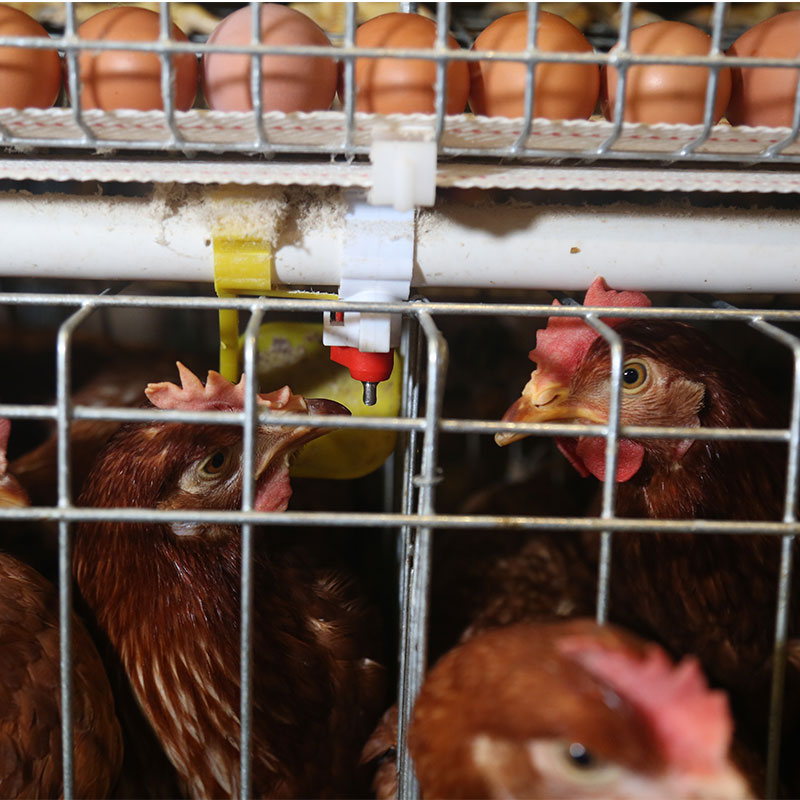
The gauge and coating of the wire used for the cage floors are paramount. A flimsy floor will sag over time, disrupting egg roll and creating dirty eggs. A high-quality, heavy-gauge wire with a smooth, durable coating (like a thermoplastic dip) protects against rust and prevents footpad injuries. The design of the feed trough influences how easily birds can access feed without wasting it. Look for troughs that minimize spillage and are easy to adjust and clean.

The watering system is a lifeline. Nipple drinkers are standard, but their quality varies immensely. Cheap nipples leak, drip, and fail, creating wet manure that skyrockets ammonia levels and attracts flies. Precision-engineered nipples that deliver a single, clean droplet when activated are worth the investment for the bird's health and the barn's environment.
Finally, do not underestimate the integration of your ventilation system with your cage choice. A multi-tier aviary creates a completely different air flow pattern than a stacked-tier colony system. The cage layout can create dead air spots if not accounted for. Consulting with both your cage supplier and your ventilation expert simultaneously is crucial to ensure they work in harmony.
There is no single "best" cage for every chicken farmer. The optimal system is the one that aligns with your operational philosophy, labor capacity, market opportunities, and long-term vision. For the manager who values precision control, high efficiency, and a clear balance of welfare and economics, the enriched colony system is a powerful and modern tool. For the producer aiming at a premium, value-driven market and who possesses the stockmanship skills to manage complexity, the aviary system offers a pathway to the highest welfare standards. The key is to move beyond seeing housing as a simple expense and to recognize it as the foundational investment that will define your farm’s performance for years to come.
1. Drinking system include the water pipes, water pressure adjuster, drinking nipples, Waterline front-end device, dosing system etc, choose them according to customer's needs.
2. High-quality water drinking pipes, pressure regulating valves and water drinking nipples can effectively prevent the water leakage. Drinking system adopt the closed piping system, which can minimize the water pollution.
3. 360-degree drinking nipples provide adequate drinking water for poultry at all stages.
4. The automatic drinking water system mainly adopts the steel ball drinking nipple. lt uses imported high-grad stainless steel, POM resin, and APS engineering material, which is wearing resistant, and the durability can be used for long time.



1. Automatic feeding machine can be chosen between gantry and ladder feeding machine. Gantry type feeding machine is a relatively economical and practical machine with simple operation, remote control walking character, easy to manage.
2. Mechanical transmission device running smoothly, low noise, long service life.
3. With the use of automatic control, the feeding system can adjust the amount of material.
4. Feeding with arched structure, high carrying capacity, not easily deformed.
5. Saving man power, saving feed, greatly improving the efficiency of Large-scale farming.
6. The walking speed of gantry feeding machine is 9--12 m/min.




1. Manure removing system included scraper type and conveyor belt type, Which can reduce the labor intensity and labor cost, keep the chicken shed dry and clean.
2. A type chicken cage can use scraper type or conveyor belt type.


3. The scraper type is suitable for A type cages, which can clean two or three rows. For the starters, this type is a good choice. lt can not only save some labor cost, but also save some investment in the whole project. The cleaning speed is 6-10 meters per minute.
4. Conveyor belt type is more suitable for large scale farming. The manure removing belt we use is high quality PP material (polypropylene). The walking speed is 2-4 meters per minute.



High Quality Pellets Made by Mobile Pellet Machine
1. It has professional designed angle of the blade. After the dynamic balance test one by one, the blade can operate smoothly.
2. The air volume is consistent in the whole life of the fan. Bearings has advantage of high strength, low noise, durable and so on.
1. The cooling pads uses high-quality wet curtain paper and adopts space cross-linking technology, which has the advantages of high water absorption, high water resistance, anti-toxicity and long service life.
2. The cooling efficiency is over 80%, without surfactant, natural water absorption, fast diffusion speed and long-lasting effect.
3. The product does not contain phenol and other chemical substances that are easy to cause skin allergies. It is non-toxic and harmless to the human body and chicken when installed and used. It is green, safe, energy-saving, environmentally friendly, economical, and easy to install.
4. The frame aluminum alloy has high strength, good corrosion resistance, durability and beautiful appearance.
5. Use a special filter for the cooling pad at the upper water to ensure clean water quality and support efficient water circulation components.
6. Combined with a negative pressure fan, it can effectively lower the indoor temperature.
The window is made of special selected high-quality engineering plastic, with high strength and long service life, together with superior anti-aging and anti-UV performance.
Function: Ventilation of the chicken house, usually used in the winter.
This system can adjust the wind speed and direction, thus the cold air will not reach chicken directly , which can effectively prevent the phenomenon of cold stress in chicken.
Environmental control system equipment is suitable for large-scale and intensive farming. According to customer requirements, we can provide various types of smart poultry equipment.
1. Our poultry management system is a modular system that manages all aspects of the chicken house, such as climate, temperature, humidity, ammonia, feeding, feed weighing, lighting and ventilation systems, and can monitor the situation of the chicken house in real time through a computer and mobile phone.
2. The management computer is the heart of the poultry farm, allowing you to easily monitor the entire poultry farm.

 WeChat:+8617838608255