The Ultimate Guide to Big Chicken Cages: Design, Benefits, and Best Practices
For poultry farmers and serious homesteaders, the decision to invest in a big chicken cage system represents a significant step toward scaling operations, improving efficiency, and enhancing animal welfare. Unlike small backyard coops, these largescale enclosures are engineered for productivity, flock management, and longterm sustainability. Whether you're expanding a commercial layer operation, raising broilers for market, or managing a large breeding flock, understanding the intricacies of big chicken cages is crucial. This comprehensive guide delves into the design principles, key benefits, critical considerations, and management practices that define successful largecage poultry housing. We'll move beyond basic definitions to provide the actionable insights you need to make informed decisions for your flock's health and your operation's profitability.
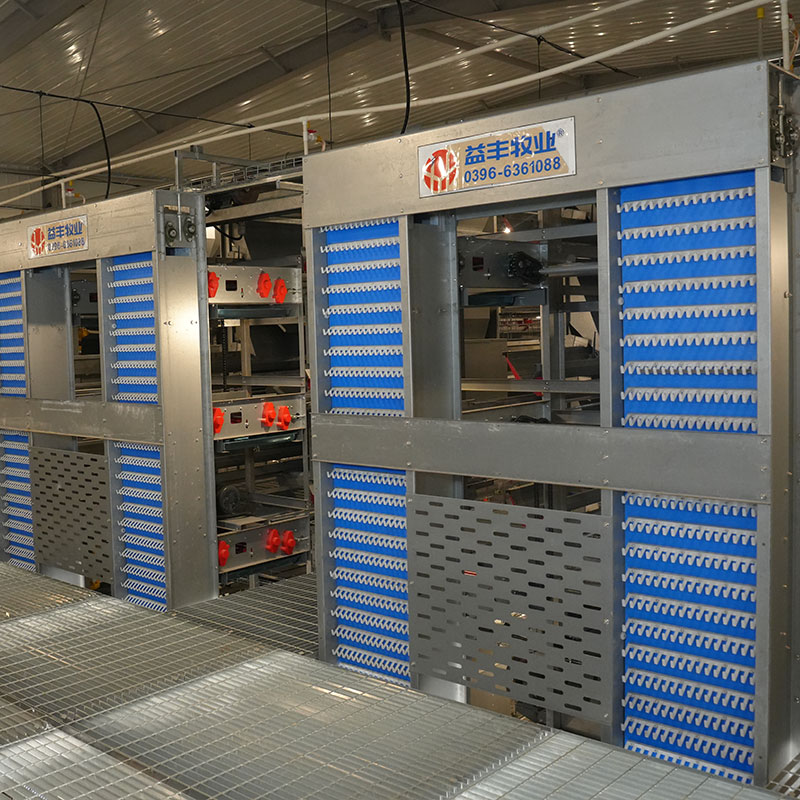
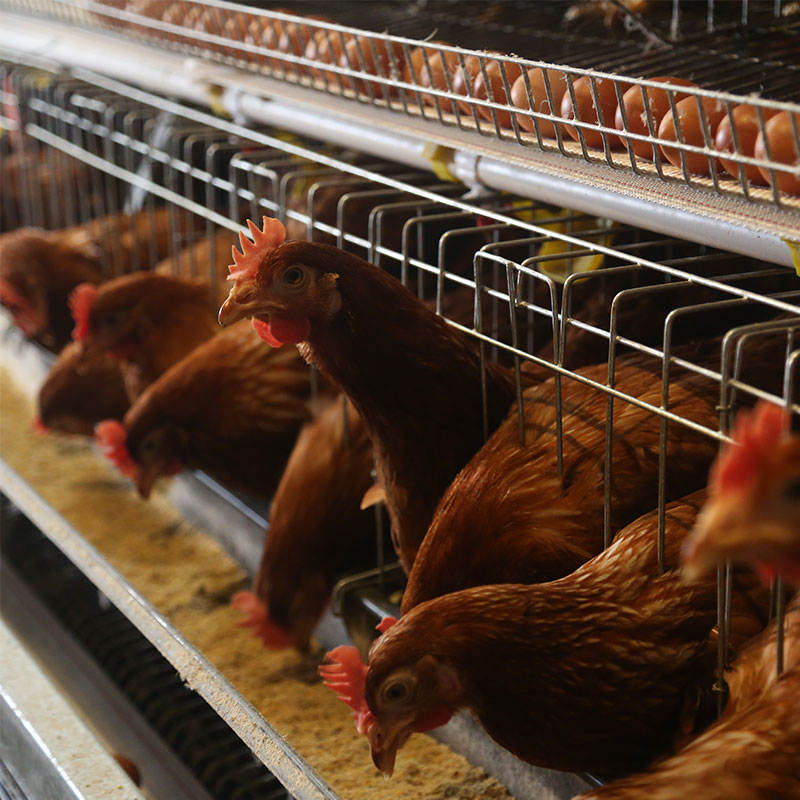
A big chicken cage, often referred to as a commercial cage system or battery cage (in its modern, welfareenhanced iterations), is a structured housing unit designed to accommodate a large number of birds in a controlled space. These are not simple enclosures; they are integrated systems featuring multiple tiers (Aframe or ladderstyle), automated feeding and watering lines, egg collection belts, and manure management systems.
The primary purpose is to optimize space, resource delivery, and environmental control to maximize flock health and production output per square foot of barn space. Modern designs have evolved significantly from past models, now incorporating enriched environments that address animal welfare concerns by providing perches, scratch areas, and nesting spaces.
Big cage systems are the pinnacle of vertical farming in poultry. By stacking cages in multiple tiers (typically 38 levels), they dramatically increase bird capacity without expanding the building's footprint. This scalability is essential for growing businesses.
Controlled environments minimize contact with wild birds, rodents, and their droppings—common vectors for diseases like Avian Influenza. Automated systems reduce the need for human traffic among birds, lowering crosscontamination risks. Properly designed cages also keep birds separated from their manure via dropping boards or belts, reducing parasite loads and bacterial infections.
Feed Efficiency: Automated feeders provide consistent, measured access to feed with minimal waste.
Water Management: Nipple drinking systems supply clean water on demand.
Egg Collection: Automated belts gently collect eggs multiple times daily, reducing floor eggs breakage rates.
Labor Savings: One worker can manage thousands of birds efficiently for feeding watering monitoring.
Eggs roll away from the hen immediately upon laying onto collection belts keeping them cleaner safer from pecking damage This results higher percentage Grade A saleable eggs
Integrated with barn ventilation heating cooling systems big cages allow precise management temperature humidity ammonia levels critical for bird comfort productivity
Choosing right system requires careful evaluation your specific goals Here breakdown most important factors
AFrame Cages (Conventional Battery): Traditional design where cages slope together sharing central manure belt Lower initial cost but can present challenges for bird observation lower tiers
Ladder / StairStep Cages: Cages are offset so that manure from upper tiers falls into dedicated pits or onto belts not on birds below This improves air quality welfare allows better visibility all birds
Enriched / Colony Cages: Larger group housing units that include mandatory enrichments like nest boxes perches scratching areas meeting higher welfare standards required many regions EU
| Material | Pros | Cons | Best For |
| : | : | : | : |
| Galvanized Steel | Highly durable rustresistant strong lifespan 15+ years | Higher upfront cost | Permanent commercial installations humid climates |
| ZincAlley Coated | Excellent corrosion resistance superior galvanized some environments | Premium price | Operations using manure belt systems high moisture |
| HeavyGauge Wire | Provides necessary structural integrity withstands constant use | Must be coated prevent rust | All loadbearing floors walls |
1. Feeding System: Central silo auger system pan feeders each cage.
2. Watering System: Nipple drinkers with pressure regulators drip cups.
3. Egg Collection: Central belt gentle rollers transport eggs packing station.
4. Manure Removal: Scrapers deeppit belts or drying systems beneath tiers.
5. Ventilation Control: Linked to environmental computer sensors throughout cage rows.
This is nonnegotiable. Regulations vary globally (e.g., UEP Certified in USA EU Directive EU) Always design exceed minimum space allowances per bird hen Research shows adequate space reduces stress feather pecking mortality rates Consult your local agricultural extension latest standards
A superior system requires superior management Implement these protocols success:
Daily Monitoring: Physically walk all tiers check feed water flow observe bird behavior lethargy signs Automated doesn’t mean unattended
Lighting Program: Use controlled LED lighting stimulate consistent laying cycles prevent aggression
Vaccination & Health Checks: Have clear protocol accessing birds each tier for health checks vaccination programs
Manure Management: Whether belt scraper pit ensure removed dried regularly control ammonia levels protect bird respiratory health
Data Recording: Track key metrics feed consumption water intake egg production mortality rates identify trends issues early
Investing big chicken cage system significant The total cost includes:
Cage structure automation equipment
Installation logistics
Barn modifications (ventilation flooring electrical)
First bird stock feed
While upfront costs high ROI realized through:
Increased yield (more eggs/birds per square foot)
Reduced labor costs per dozen eggs
Lower feed waste higher feed conversion ratios
Improved egg quality lower downgrade losses
Reduced medication losses disease outbreaks
A detailed business plan projecting these factors over 510 year lifespan equipment essential Most commercial operations see payback period 35 years depending scale market conditions
Transitioning to or starting with a big chicken cage system is a major decision that hinges on meticulous planning informed by animal welfare economics longterm sustainability Modern systems when selected managed correctly offer unparalleled efficiency flock control potential profitability They represent marriage between engineering agricultural science The key success lies not just purchasing quality equipment but committing operational excellence daily stockmanship continuous improvement By prioritizing design that balances productivity with bird wellbeing integrating robust automation maintaining vigilant management practices you can build resilient productive futureproof poultry operation
Q1: What is the typical lifespan of a commercial big chicken cage system?
A: With proper maintenance highquality galvanized steel cage system can last 15 years or longer Automation components like feeders drinker lines may require part replacements sooner around the 710 year mark depending on usage water quality
Q2: How many chickens can fit in one big cage unit?
A: It varies widely by design welfare regulations A single commercial "cage" within larger system might house 510 hens conventional designs Enriched colony cages house larger groups often 4080 birds Total system capacity ranges from few thousand hundreds thousands birds per house based tier count row length
Q3: Are big chicken cages considered ethical?
A: This complex evolving topic Modern enriched cage designs address many historical welfare concerns providing nest boxes perches scratching areas The debate continues between caged vs cagefree systems Many certification programs require specific enrichments Ultimately ethics depend heavily on specific design stock density management practices commitment farmer animal wellbeing
Q4: What are the biggest maintenance challenges with large automated cages?
A: Key challenges include ensuring nipple drinkers don’t clog maintaining proper tension on egg collection belts preventing corrosion manure removal systems addressing wear points on moving parts like feeder augers Preventative scheduled maintenance critical
Q5: Can I use big chicken cages for broilers meat chickens?
A: While less common than layer cages specialized broiler cage systems exist They require different floor design prevent breast blisters leg issues due faster growth weights Majority broilers raised floor barns but caged rearing occurs certain markets focusing space efficiency
Q6: How do I manage manure in multitier big cage system?
A: Primary methods are:
1) Manure Belts Systems Belts run beneath each tier removing manure daily to central cross conveyor
2) DeepPit Systems Manure drops into sealed pit beneath entire house removed once year
3) Drying Systems Airflow dries manure beneath cages into manageable cake removed periodically Each method has different cost ventilation implications
Q7: What power requirements are needed for automated cage system?
A: Systems require reliable threephase electrical power run motors feeders egg belts ventilation backup Generators essential Power consumption varies but expect significant load especially during feeding egg collection cycles Consult manufacturer specifications detailed assessment
Q8 How important ventilation specifically related big cage houses?
A: Critically important High bird density produces substantial heat moisture ammonia Sophisticated tunnel cross ventilation systems paired with temperature humidity sensors are mandatory maintain air quality prevent heat stress respiratory disease which can devastate confined flock quickly
Q9 What biosecurity measures specific caged operations?
A Measures include:
Footbaths changing boots before entering different house sections
Rodent wild bird control prevent access barn
Limiting non essential personnel traffic
Allin allout flock management thorough cleaning disinfection between cycles
Specific protocols handling dead birds removing them promptly without contaminating rest house
Q10 Can I retrofit existing poultry house with new big cage system?
A Yes retrofitting common However must ensure building structure can handle weight loaded multitier cages ceiling height adequate tier clearance roof trusses don’t interfere Also verify floor suitable install manure pit belt infrastructure Existing ventilation may need upgrading match increased density Professional assessment vital
1. Drinking system include the water pipes, water pressure adjuster, drinking nipples, Waterline front-end device, dosing system etc, choose them according to customer's needs.
2. High-quality water drinking pipes, pressure regulating valves and water drinking nipples can effectively prevent the water leakage. Drinking system adopt the closed piping system, which can minimize the water pollution.
3. 360-degree drinking nipples provide adequate drinking water for poultry at all stages.
4. The automatic drinking water system mainly adopts the steel ball drinking nipple. lt uses imported high-grad stainless steel, POM resin, and APS engineering material, which is wearing resistant, and the durability can be used for long time.



1. Automatic feeding machine can be chosen between gantry and ladder feeding machine. Gantry type feeding machine is a relatively economical and practical machine with simple operation, remote control walking character, easy to manage.
2. Mechanical transmission device running smoothly, low noise, long service life.
3. With the use of automatic control, the feeding system can adjust the amount of material.
4. Feeding with arched structure, high carrying capacity, not easily deformed.
5. Saving man power, saving feed, greatly improving the efficiency of Large-scale farming.
6. The walking speed of gantry feeding machine is 9--12 m/min.




1. Manure removing system included scraper type and conveyor belt type, Which can reduce the labor intensity and labor cost, keep the chicken shed dry and clean.
2. A type chicken cage can use scraper type or conveyor belt type.


3. The scraper type is suitable for A type cages, which can clean two or three rows. For the starters, this type is a good choice. lt can not only save some labor cost, but also save some investment in the whole project. The cleaning speed is 6-10 meters per minute.
4. Conveyor belt type is more suitable for large scale farming. The manure removing belt we use is high quality PP material (polypropylene). The walking speed is 2-4 meters per minute.



High Quality Pellets Made by Mobile Pellet Machine
1. It has professional designed angle of the blade. After the dynamic balance test one by one, the blade can operate smoothly.
2. The air volume is consistent in the whole life of the fan. Bearings has advantage of high strength, low noise, durable and so on.
1. The cooling pads uses high-quality wet curtain paper and adopts space cross-linking technology, which has the advantages of high water absorption, high water resistance, anti-toxicity and long service life.
2. The cooling efficiency is over 80%, without surfactant, natural water absorption, fast diffusion speed and long-lasting effect.
3. The product does not contain phenol and other chemical substances that are easy to cause skin allergies. It is non-toxic and harmless to the human body and chicken when installed and used. It is green, safe, energy-saving, environmentally friendly, economical, and easy to install.
4. The frame aluminum alloy has high strength, good corrosion resistance, durability and beautiful appearance.
5. Use a special filter for the cooling pad at the upper water to ensure clean water quality and support efficient water circulation components.
6. Combined with a negative pressure fan, it can effectively lower the indoor temperature.
The window is made of special selected high-quality engineering plastic, with high strength and long service life, together with superior anti-aging and anti-UV performance.
Function: Ventilation of the chicken house, usually used in the winter.
This system can adjust the wind speed and direction, thus the cold air will not reach chicken directly , which can effectively prevent the phenomenon of cold stress in chicken.
Environmental control system equipment is suitable for large-scale and intensive farming. According to customer requirements, we can provide various types of smart poultry equipment.
1. Our poultry management system is a modular system that manages all aspects of the chicken house, such as climate, temperature, humidity, ammonia, feeding, feed weighing, lighting and ventilation systems, and can monitor the situation of the chicken house in real time through a computer and mobile phone.
2. The management computer is the heart of the poultry farm, allowing you to easily monitor the entire poultry farm.

 WeChat:+8617838608255