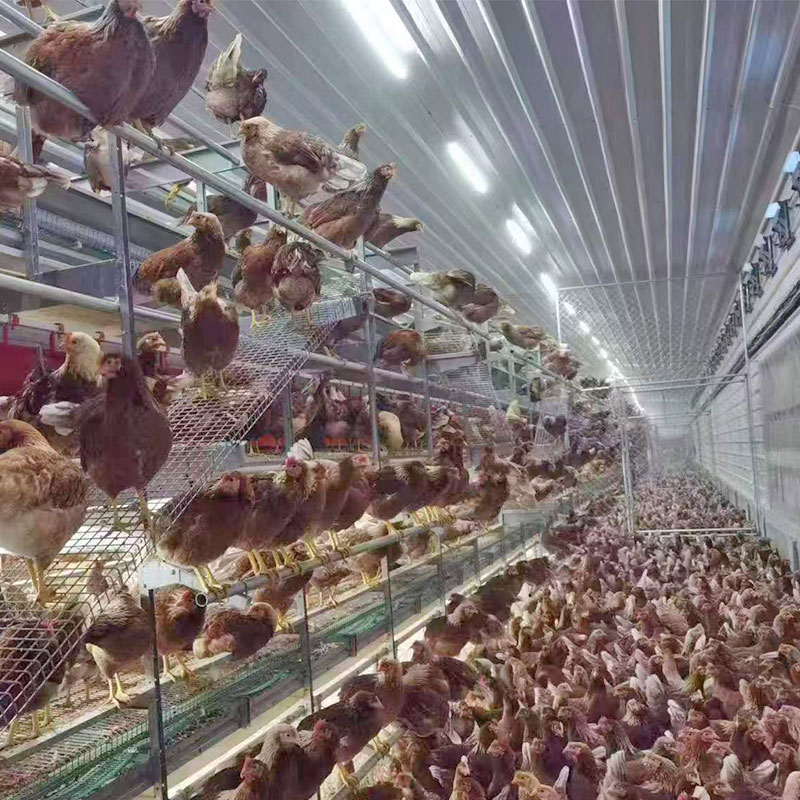
The daily rhythm of a modern layer operation is dictated by one central piece of infrastructure: the cage system. It is the foundation upon which bird health, labor efficiency, and ultimately, profitability are built. The transition from traditional A-frame or manual systems to more sophisticated designs represents a significant step forward, and the H-Type battery cage, exemplified by systems like the Bigherdsman Scientific Design, is at the forefront of this evolution. This design is not merely a collection of wires; it is an integrated environment engineered to address the core challenges of large-scale egg production.
The defining characteristic of the H-Type system is its vertical structure, which differs fundamentally from the older, slanted A-frame designs. Imagine a multi-story building for hens. Each level, or tier, is a self-contained living space, stacked directly above the other. The “H” nomenclature comes from the silhouette of the system when viewed from the end, where the central support structure and the tiers resemble the letter H. This vertical stacking is the key to its space efficiency. A farmer working with a single-story setup might house 10,000 birds in a vast, sprawling shed. With a three-tier H-Type system, that same flock can be accommodated in a building one-third the physical footprint, dramatically reducing construction costs and land use. This density is not about crowding; it is about intelligent use of cubic air space, allowing for better environmental control within a more compact area.

A critical advantage of this vertical design is the manure drying system. In a conventional cage, manure from upper tiers often falls onto the birds below, creating ammonia issues and disease pressure. The H-Type system incorporates a distinct manure removal strategy for each tier. Beneath each level of cages runs a dedicated manure belt, typically a durable PVC or polyester sheet. This belt operates on a timed cycle, automatically moving every few hours to transport fresh manure out of the laying house and into a central collection point or drying tunnel. For a poultry farmer, the immediate benefit is a dramatic improvement in air quality. Instead of the persistent, pungent smell of accumulated wet manure, the environment inside the house is drier and fresher. This directly translates to healthier birds. Reduced ammonia levels mean less irritation to the hens’ respiratory systems, leading to lower incidence of respiratory diseases and better overall flock vitality. The dry, crumbled manure that is collected is also a more valuable by-product, easier to handle and sell as fertilizer compared to wet, slurry-like waste.
The design of the cage floor itself is a precise calculation. The wire mesh is not arbitrary; its spacing and slope are engineered for two primary functions: egg rolling and manure passage. The floor is gently slanted, so when a hen lays an egg, it rolls smoothly away from her onto the egg collection belt. This happens out of sight and reach of the bird, minimizing the chances of egg eating or damage. The gap in the wire mesh is wide enough for manure to drop through onto the manure belt below, but carefully calibrated to prevent a hen’s foot from slipping through and causing injury. This is a crucial point of animal welfare that is built directly into the equipment’s geometry.
Feeding and watering in an H-Type system are fully automated, representing a monumental labor saving over manual methods. A central feed line runs along each tier, equipped with troughs accessible to all birds. The system is supplied by a bulk feed bin located outside the house. At programmed intervals, an auger system activates, moving feed from the bin through the distribution lines, ensuring every trough is filled to a consistent level. This eliminates the physical strain of carrying feed sacks and the time-consuming process of manually filling feeders. More importantly, it provides a consistent, fresh supply of feed, reducing competition and stress among the hens. They learn the feeding schedule and can eat calmly, which supports stable egg production.
The watering system is equally sophisticated. A PVC pipe with nipples runs the length of each cage. When a hen is thirsty, she pecks at the nipple, which releases a drop of water directly into her beak. This closed system is far superior to open troughs or bell drinkers. It keeps the water clean, free from feed dust, manure, and feathers, which significantly reduces the risk of waterborne diseases. It also minimizes water spillage, keeping the litter—or in this case, the manure belts—drier. A farmer monitoring water consumption can quickly spot anomalies; a sudden drop in water usage in a particular section might be the first indicator of a health issue or a blockage in the line, allowing for rapid intervention.
Egg collection is another process transformed by automation. The gentle, continuous egg collection belt runs just outside the cage, catching the eggs as they roll out. This belt transports the eggs to one end of the house, where they are typically elevated to a central cross-conveyor. This conveyor then carries all the eggs from the entire house to the grading and packing room. This eliminates the need for farm workers to walk the aisles multiple times a day, collecting eggs by hand into trolleys. The result is a drastic reduction in labor costs and a significant decrease in egg breakage. Eggs are handled minimally and gently by machinery, arriving in the packing room cleaner and with a higher percentage of saleable, first-quality shells.
Ventilation and climate control are integral to the success of any high-density housing system, and the H-Type design is built with this in mind. The vertical stack of cages creates distinct microclimates at different heights. Warm, moist air rises, so the top tier will naturally be warmer than the bottom. A well-designed ventilation system must account for this. This often involves a combination of side-wall inlets and ridge exhaust fans, carefully managed by a climate computer. The computer monitors temperature and humidity, adjusting fan speeds and inlet openings to maintain a uniform environment throughout the height of the building. For the farmer, this means preventing cold stress in birds on the lower tiers and heat stress in those at the top, ensuring the entire flock is comfortable and productive.
When considering the installation of an H-Type system like the Bigherdsman, several practical factors must be evaluated. The structural integrity of the poultry house is paramount. The weight of a multi-tiered system, fully stocked with birds, feed, and water, is substantial. Floor foundations and support columns must be engineered to handle this load. Electrical infrastructure needs to be robust and reliable; the entire operation depends on a constant power supply for ventilation, feeding, watering, and lighting. A backup generator is not a luxury but a necessity to prevent catastrophic losses during a power outage.
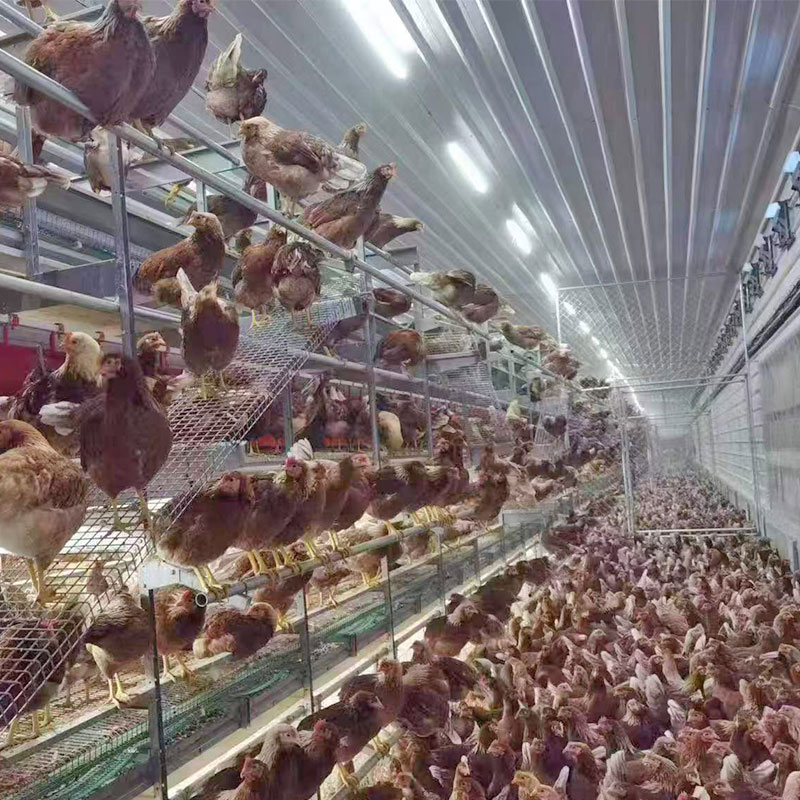
The choice of system should also align with the scale of the operation. While H-Type systems are scalable, they represent a significant capital investment. For a farm with 50,000 layers, the efficiency gains in labor, feed conversion, and bird performance can lead to a rapid return on investment. For a smaller operation, the economics must be carefully calculated. Furthermore, the design allows for different configurations. Tier heights can vary, with three-tier and four-tier systems being common. The choice depends on ceiling height and the farmer’s preference for manageability. While more tiers increase bird density, inspecting birds on the top tier of a four-tier system requires more effort than in a three-tier setup.
Bird management practices also evolve with this technology. While daily visual inspections of the flock are still essential, the farmer’s role shifts from manual labor to data analysis and system monitoring. Instead of spending hours feeding and collecting eggs, the farmer can focus on interpreting feed consumption data, monitoring egg quality trends, and observing bird behavior for signs of well-being or distress. Training staff to understand the automated systems and respond to alarms is a critical component of successful operation.
The adoption of a scientifically designed H-Type battery cage system is a strategic decision that moves a poultry enterprise from a labor-intensive model to a technology-driven one. It addresses the fundamental pillars of modern agriculture: animal welfare through a controlled and clean environment, operational efficiency through comprehensive automation, and economic sustainability through reduced waste and higher productivity. The system is not a magic solution that eliminates the need for skilled management; rather, it is a powerful tool that amplifies the effectiveness of good management practices. By creating a stable, predictable, and optimized environment for the hens, it allows their genetic potential for egg production to be fully realized, turning the daily challenge of farming into a streamlined and profitable operation.
1. Drinking system include the water pipes, water pressure adjuster, drinking nipples, Waterline front-end device, dosing system etc, choose them according to customer's needs.
2. High-quality water drinking pipes, pressure regulating valves and water drinking nipples can effectively prevent the water leakage. Drinking system adopt the closed piping system, which can minimize the water pollution.
3. 360-degree drinking nipples provide adequate drinking water for poultry at all stages.
4. The automatic drinking water system mainly adopts the steel ball drinking nipple. lt uses imported high-grad stainless steel, POM resin, and APS engineering material, which is wearing resistant, and the durability can be used for long time.



1. Automatic feeding machine can be chosen between gantry and ladder feeding machine. Gantry type feeding machine is a relatively economical and practical machine with simple operation, remote control walking character, easy to manage.
2. Mechanical transmission device running smoothly, low noise, long service life.
3. With the use of automatic control, the feeding system can adjust the amount of material.
4. Feeding with arched structure, high carrying capacity, not easily deformed.
5. Saving man power, saving feed, greatly improving the efficiency of Large-scale farming.
6. The walking speed of gantry feeding machine is 9--12 m/min.




1. Manure removing system included scraper type and conveyor belt type, Which can reduce the labor intensity and labor cost, keep the chicken shed dry and clean.
2. A type chicken cage can use scraper type or conveyor belt type.


3. The scraper type is suitable for A type cages, which can clean two or three rows. For the starters, this type is a good choice. lt can not only save some labor cost, but also save some investment in the whole project. The cleaning speed is 6-10 meters per minute.
4. Conveyor belt type is more suitable for large scale farming. The manure removing belt we use is high quality PP material (polypropylene). The walking speed is 2-4 meters per minute.



High Quality Pellets Made by Mobile Pellet Machine
1. It has professional designed angle of the blade. After the dynamic balance test one by one, the blade can operate smoothly.
2. The air volume is consistent in the whole life of the fan. Bearings has advantage of high strength, low noise, durable and so on.
1. The cooling pads uses high-quality wet curtain paper and adopts space cross-linking technology, which has the advantages of high water absorption, high water resistance, anti-toxicity and long service life.
2. The cooling efficiency is over 80%, without surfactant, natural water absorption, fast diffusion speed and long-lasting effect.
3. The product does not contain phenol and other chemical substances that are easy to cause skin allergies. It is non-toxic and harmless to the human body and chicken when installed and used. It is green, safe, energy-saving, environmentally friendly, economical, and easy to install.
4. The frame aluminum alloy has high strength, good corrosion resistance, durability and beautiful appearance.
5. Use a special filter for the cooling pad at the upper water to ensure clean water quality and support efficient water circulation components.
6. Combined with a negative pressure fan, it can effectively lower the indoor temperature.
The window is made of special selected high-quality engineering plastic, with high strength and long service life, together with superior anti-aging and anti-UV performance.
Function: Ventilation of the chicken house, usually used in the winter.
This system can adjust the wind speed and direction, thus the cold air will not reach chicken directly , which can effectively prevent the phenomenon of cold stress in chicken.
Environmental control system equipment is suitable for large-scale and intensive farming. According to customer requirements, we can provide various types of smart poultry equipment.
1. Our poultry management system is a modular system that manages all aspects of the chicken house, such as climate, temperature, humidity, ammonia, feeding, feed weighing, lighting and ventilation systems, and can monitor the situation of the chicken house in real time through a computer and mobile phone.
2. The management computer is the heart of the poultry farm, allowing you to easily monitor the entire poultry farm.

 WeChat:+8617838608255