Broiler Cage Systems: A Comprehensive Guide for Modern Poultry Farmers
The broiler cage system represents a significant evolution in poultry farming, designed to maximize efficiency, bird health, and production output. As global demand for poultry meat continues to rise, farmers are increasingly turning to controlledenvironment housing to meet market needs sustainably. This intensive rearing method involves housing broiler chickens in multitiered cages within a climatecontrolled shed, fundamentally differing from traditional floorbased or freerange systems. While it offers undeniable advantages in terms of biosecurity, feed conversion, and management, it also sits at the center of important debates regarding animal welfare and farm economics. This guide delves deep into the mechanics, benefits, challenges, and best practices of broiler cage systems, providing a balanced and expert perspective for farmers, investors, and industry stakeholders.
A modern broiler cage system is an engineered environment. Its design directly impacts bird welfare, worker efficiency, and ultimate profitability.
Cage Units: Typically constructed from galvanized steel wire mesh, these are arranged in vertical tiers (usually 34 levels). Each tier includes partitions to form individual pens.
Feeding System: An automated chain or pan feeder runs along the front of each cage tier, delivering a nutritionally complete diet on a programmed schedule.
Watering System: Nipple drinkers are installed within each cage at the appropriate height for bird access. They are connected to a central water line with pressure regulators to ensure clean water availability.
Manure Removal System: A critical component. Designs include:
Manure Belts: Conveyor belts installed beneath each tier that remove droppings regularly to a central collection point.
Deep Pit System: Manure drops through the cages into a deep pit below for less frequent removal.
Climate Control & Ventilation: Integrated systems manage temperature, humidity, and air quality through insulated walls, exhaust fans, evaporative cooling pads (in hot climates), and heaters.
To understand its place in the industry, it's useful to compare broiler cages with other common systems.
| Feature | Broiler Cage System | Deep Litter / Floor System | FreeRange System |
| : | : | : | : |
| Stocking Density | Very High (Optimized per sq. ft.) | Moderate | Low |
| Biosecurity Control | Excellent (Limited birdenvironment contact) | Good (Challenging during outbreaks) | Poor (High exposure risk) |
| Feed Conversion Ratio (FCR) | Typically Best (Reduced energy expenditure) | Good | Typically Higher (More energy used for activity) |
|Labor Efficiency| High (Automated feeding/watering/manure) | Moderate to High (Manual tasks required) | Low to Moderate |
|Capital Investment| Very High | Moderate | LowModerate |
|Animal Welfare Perception| Controversial; focuses on health metrics. | Generally viewed more favorably by public. | Highest public perception. |
|Disease & Parasite Control| Excellent control potential. | Requires active management. | Difficult to control. |
For commercial producers focused on scale and precision management, cage systems offer compelling benefits.
This is arguably the most significant advantage. By elevating birds off the ground and containing manure on belts or pits:
Direct contact with feces is minimized.
The spread of coccidiosis and other enteric diseases is drastically reduced.
It simplifies vaccination and medication procedures.
Rodent and wild bird access is restricted.
Broilers in cages expend less energy on movement and maintaining body temperature due to the controlled environment. This conserved energy is directed towards growth, leading to one of the best possible FCRs—a direct driver of profitability.
Vertical stacking allows for maximum bird numbers per square foot of building footprint. This makes it an ideal solution where land is expensive or limited.
Farmers can easily observe birds at eye level across all tiers.
Sick or underperforming birds are identified quickly.
Feed intake and water consumption are easily monitored per line.
Automated systems reduce labor costs for daily chores like feeding and manure cleaning.
Reduced contact with litter leads to cleaner feathers and lower bacterial loads on carcasses (e.g., reduced Campylobacter risk). Fewer breast blisters and hock burns are reported compared to poorly managed litter systems.
The system's intensity brings forth challenges that responsible farmers must address proactively.
This is the primary criticism from animal advocacy groups and consumers.
Behavioral Restrictions: Natural behaviors like dustbathing, full wingflapping, foraging, perching at night can be severely limited or impossible.
Space Allowance: Inadequate space can lead to stressrelated behaviors like feather pecking if not managed correctly.
Leg Health & Lameness: Historically linked with higher incidences due to lack of movement on wire floors if genetics/management aren't aligned.
The cost of automated cages coupled with sophisticated climate control ventilation represents a major financial barrier compared to simpler setups like deep litter houses.
Successful operation requires skilled managers who understand poultry physiology as well as mechanical maintenance of automated equipment like feeders belts fans etcetera . A power failure without backup can be catastrophic .
Removing birds from cages at slaughter age can be more laborintensive stressful than collecting them from floor pens unless specialized equipment used .
Adopting these practices helps mitigate challenges while maximizing system potential: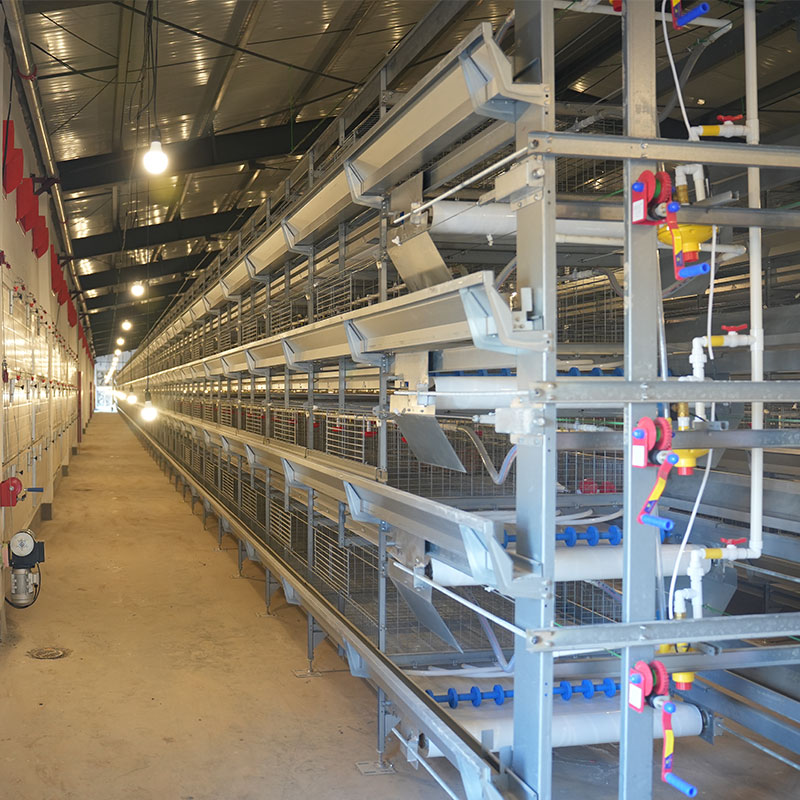
1.Prioritize Stocking Density: Follow or exceed national animal welfare guidelines . Provide enough space per bird allow standing turning around stretching wings comfortably .
2.Invest in Flooring Design: Choose highquality coated wire mesh designed specifically comfort reduce footpad lesions .
3.Environmental Enrichment: Introduce pecking objects colored chains etcetera stimulate mental activity reduce negative behaviors .
4.Precision Climate Control: Maintain optimal temperature humidity ammonia levels (<25 ppm) yearround through robust ventilation design .
5.Rigorous Health Protocols: Implement strict allin/allout policies thorough disinfection between flocks regular health checks by veterinarian .
6.Genetic Selection: Source broiler breeds known robustness good leg health suited confinement conditions .
7.Staff Training: Ensure workers trained recognize signs distress illness proper handling techniques .
The industry responding pressures . Concept "enriched" furnished cages gaining traction — larger complexes include perches scratch mats designated nesting areas . While still restrictive compared noncage systems they represent step addressing behavioral needs within controlled environment framework . Additionally technological integration IoT sensors AIdriven health monitoring poised make these systems even more precise responsive individual flock needs .
The broiler cage system remains powerful tool global food security enabling efficient production safe affordable protein . Its adoption hinges complex calculus weighing economic efficiency biosecurity benefits against legitimate animal welfare considerations consumer expectations . Future success lies not defending any single system but committing continuous improvement based science technology empathy . For farmer considering transition meticulous planning investment right genetics rigorous management protocols essential ensuring operation profitable sustainable socially responsible long term .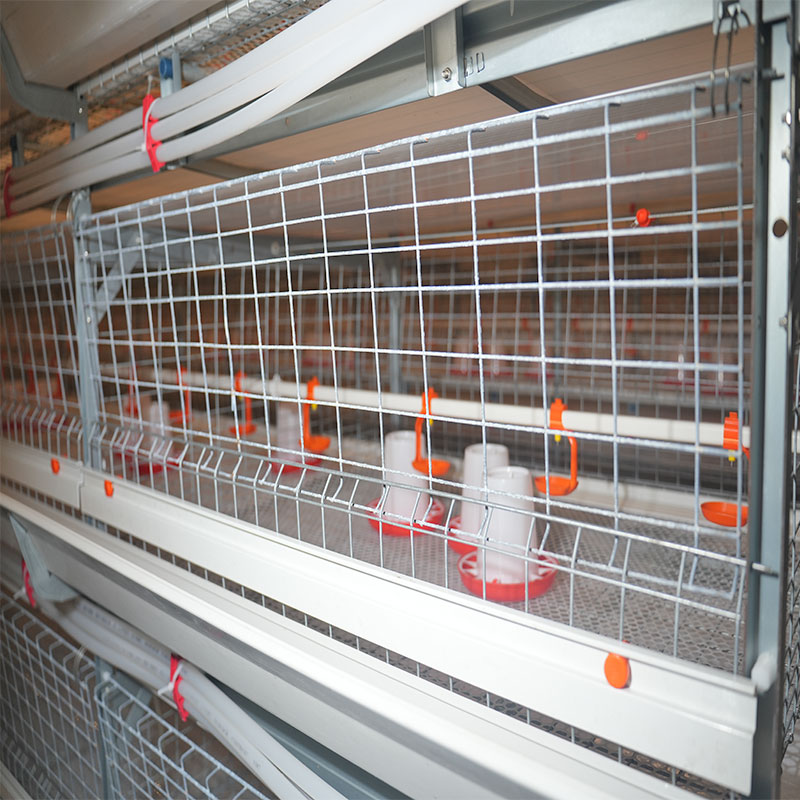
Q1: Are broiler chickens kept in cages?
Yes many commercial broilers worldwide raised cage systems particularly regions Asia Middle East parts Europe However significant portion also raised floorbased deep litter houses especially Americas Europe where consumer preferences regulations shifting .
Q2: What main difference between layer cages broiler cages ?
Layer cages designed house egglaying hens long period often over year feature sloped floor rollaway eggs nest area Broiler cages house meat chickens shorter cycle weeks designed facilitate rapid growth easy access feed water manure removal typically simpler construction .
Q3: Is using broiler cages illegal ?
Legality varies country country European Union conventional battery cages laying hens banned but specific regulations broilers differ US no federal ban certain states have enacted laws regarding farm animal confinement Consumer pressure corporate pledges driving changes away confinement systems .
Q4: Do chickens suffer cages ?
This subject debate Suffering can occur if management poor—through inadequate space poor air quality lack enrichment leading stress injury However wellmanaged modern system aims minimize disease predation keep birds comfortable healthy focusing physiological health metrics Potential restriction natural behaviors remains key ethical concern .
Q5: What typical stocking density broiler cage ?
Density varies widely based regulations company standards Example guideline might provide approximately square foot space per kg live weight meaning kg bird would need ~ sq ft Always consult local animal welfare codes industry certification programs specific numbers .
Q6: How manure handled cage system ?
Most modern use manure belt systems Belts beneath each tier operate daily weekly transporting waste central collection point outside shed where composted processed into fertilizer This keeps ammonia levels low improves hygiene older designs may use deep pits cleaned end production cycle .
Q7: Are antibioticfree programs possible cage systems ?
Yes excellent biosecurity reduced disease challenge makes easier implement reduced antibiotic ABF programs compared crowded floor pens However success depends heavily strict management vaccination protocols highquality feed impeccable hygiene preventing disease outbreaks first place .
Q8: What biggest operational risk running caged broiler farm ?
Power failure Without backup generators ventilation stops quickly leading heat stress suffocation especially densely stocked modern houses Regular maintenance backup power essential Also technical failures automated feeding watering lines must rectified immediately prevent production losses .
Q9: How does feed conversion ratio FCR compare other systems ?
Broilers cages generally achieve best most efficient FCRs market because movement restricted energy directed growth environmental temperature optimized Feed savings significant factor driving adoption despite higher capital costs Compared freerange barnraised birds caged birds often reach target weight faster less feed overall .
Q10 Can you start smallscale caged broiler farm ?
Economics favor scale Due high initial cost automation climate control smallscale operations rarely viable Commercial viability usually requires housing tens thousands birds per cycle achieve return investment Smaller farmers often opt alternative lowercost housing methods unless part integrated contract farming scheme provides infrastructure support .
1. Drinking system include the water pipes, water pressure adjuster, drinking nipples, Waterline front-end device, dosing system etc, choose them according to customer's needs.
2. High-quality water drinking pipes, pressure regulating valves and water drinking nipples can effectively prevent the water leakage. Drinking system adopt the closed piping system, which can minimize the water pollution.
3. 360-degree drinking nipples provide adequate drinking water for poultry at all stages.
4. The automatic drinking water system mainly adopts the steel ball drinking nipple. lt uses imported high-grad stainless steel, POM resin, and APS engineering material, which is wearing resistant, and the durability can be used for long time.



1. Automatic feeding machine can be chosen between gantry and ladder feeding machine. Gantry type feeding machine is a relatively economical and practical machine with simple operation, remote control walking character, easy to manage.
2. Mechanical transmission device running smoothly, low noise, long service life.
3. With the use of automatic control, the feeding system can adjust the amount of material.
4. Feeding with arched structure, high carrying capacity, not easily deformed.
5. Saving man power, saving feed, greatly improving the efficiency of Large-scale farming.
6. The walking speed of gantry feeding machine is 9--12 m/min.




1. Manure removing system included scraper type and conveyor belt type, Which can reduce the labor intensity and labor cost, keep the chicken shed dry and clean.
2. A type chicken cage can use scraper type or conveyor belt type.


3. The scraper type is suitable for A type cages, which can clean two or three rows. For the starters, this type is a good choice. lt can not only save some labor cost, but also save some investment in the whole project. The cleaning speed is 6-10 meters per minute.
4. Conveyor belt type is more suitable for large scale farming. The manure removing belt we use is high quality PP material (polypropylene). The walking speed is 2-4 meters per minute.



High Quality Pellets Made by Mobile Pellet Machine
1. It has professional designed angle of the blade. After the dynamic balance test one by one, the blade can operate smoothly.
2. The air volume is consistent in the whole life of the fan. Bearings has advantage of high strength, low noise, durable and so on.
1. The cooling pads uses high-quality wet curtain paper and adopts space cross-linking technology, which has the advantages of high water absorption, high water resistance, anti-toxicity and long service life.
2. The cooling efficiency is over 80%, without surfactant, natural water absorption, fast diffusion speed and long-lasting effect.
3. The product does not contain phenol and other chemical substances that are easy to cause skin allergies. It is non-toxic and harmless to the human body and chicken when installed and used. It is green, safe, energy-saving, environmentally friendly, economical, and easy to install.
4. The frame aluminum alloy has high strength, good corrosion resistance, durability and beautiful appearance.
5. Use a special filter for the cooling pad at the upper water to ensure clean water quality and support efficient water circulation components.
6. Combined with a negative pressure fan, it can effectively lower the indoor temperature.
The window is made of special selected high-quality engineering plastic, with high strength and long service life, together with superior anti-aging and anti-UV performance.
Function: Ventilation of the chicken house, usually used in the winter.
This system can adjust the wind speed and direction, thus the cold air will not reach chicken directly , which can effectively prevent the phenomenon of cold stress in chicken.
Environmental control system equipment is suitable for large-scale and intensive farming. According to customer requirements, we can provide various types of smart poultry equipment.
1. Our poultry management system is a modular system that manages all aspects of the chicken house, such as climate, temperature, humidity, ammonia, feeding, feed weighing, lighting and ventilation systems, and can monitor the situation of the chicken house in real time through a computer and mobile phone.
2. The management computer is the heart of the poultry farm, allowing you to easily monitor the entire poultry farm.

 WeChat:+8617838608255