Title: Brooder Cages for Sale: Your Complete Buyer's Guide for 2024
Introduction
Starting a new flock of chicks, poults, or game birds is an exciting venture. However, their survival and health in those critical first weeks hinge on one crucial piece of equipment: the brooder cage. Choosing the right brooder cage isn't just about finding something "for sale"; it's about investing in a controlled environment that provides warmth, safety, and hygiene for your vulnerable young poultry. With numerous options on the market, from simple wire cages to sophisticated battery systems, making an informed decision is paramount. This comprehensive guide is designed to cut through the noise. We'll delve into the types of brooder cages available, key features to prioritize, and essential considerations before you buy. Whether you're a smallscale homesteader or a commercial producer, this resource will equip you with the knowledge to select the perfect brooding solution that promotes animal welfare and operational efficiency.
A brooder cage is a specialized enclosure used to house and protect young poultry—such as chicks, ducklings, turkey poults, or pheasants—from birth until they are fully feathered and can regulate their own body temperature (usually 36 weeks). It integrates heat sources, feeders, waterers, and flooring into a secure system.
The core benefits of using a dedicated brooder cage include:
Temperature Control: Provides a consistent, draftfree heat zone crucial for thermoregulation.
Predator & Injury Protection: Keeps chicks safe from other animals and prevents them from wandering into dangerous areas.
Disease Management: Isolates young birds from older stock and allows for easier cleaning, reducing pathogen load.
Efficient Resource Use: Centralizes feed and water, minimizing waste and ensuring all birds have access.
Behavioral Observation: Allows for easy monitoring of bird health, activity levels, and uniformity.
Understanding the different styles will help you match the system to your scale and goals.
These are stacked cages, typically 24 tiers high, that maximize space efficiency.
Best For: Commercial operations, hatcheries, or hobbyists with large batches and limited floor space.
Pros: High stock density; automated feeding/watering options; efficient heating; droppings collection trays improve hygiene.
Cons: Higher initial cost; requires more precise management; less space per bird than floor systems.
Singlelevel cages often set on legs or a stand. They can be simple wire pens or more complex units with integrated heat lamps.
Best For: Small to medium flocks (50500 birds), backyard farmers, and those prioritizing easier bird access.
Pros: Easier to observe and handle birds; better ventilation; often more affordable; suitable for various species.
Cons: Consumes more floor space per bird compared to battery systems.
Larger enclosures designed to brood bigger groups of birds together on a litter (e.g., pine shavings) floor with an overhead heat source.
Best For: Pasturebased operations preparing birds for moveable pens or those practicing more extensive rearing methods.
Pros: Allows for natural scratching/foraging behavior; easier transition to final housing; lower stress in some models.
Cons: Less control over individual bird access to feed/water; higher risk of coccidiosis if litter isn't managed well.

Don't just look at the price tag. Assess these features based on your specific needs.
Frame & Panels: Galvanized steel (hotdip preferred) offers superior rust resistance and longevity compared to painted or PVCcoated wire.
Mesh Size & Gauge: Floor mesh must be small enough (typically 1/2" x 1") to prevent foot injuries (bumblefoot) but allow droppings to pass through. Gauge should be sturdy (1214 gauge is common).
Flooring System: Sloped floors with a manure collection tray or belt are essential for multitier systems. Flat decks may have removable trays.
How heat is delivered is critical:
Central Hover/Brooder Heater: A canopy heater suspended over one area creates a temperature gradient (warm underneath, cooler elsewhere). Ideal for colony brooders or larger flatdecks.
Infrared Heat Lamps: Often used in DIY setups but pose higher fire risk and less uniform heating.
Brooder Battery Systems often have thermostatically controlled radiant heat panels built into each tier for precise zone heating.
Look for designs that integrate these seamlessly:
Nipple Drinkers: Most hygienic option, reduces water spillage and disease risk. Ensure they are chickspecific (triggerable by light peck).
Trough Feeders: Should have antiperch grills and adjustable fill levels to minimize feed waste.
Proper airflow removes ammonia moisture without creating drafts directly on the chicks. Adjustable side curtains or integrated fan systems in larger units are a sign of quality design.
Overcrowding is a primary cause of poor performance and disease.
| Bird Type | Approx. Space per Bird (Weeks 03) | Approx. Space per Bird (Weeks 36) |
| : | : | : |
| Chicks (Layer/Heavy Breed) | 710 sq. in. / 4565 sq. cm | 1520 sq. in / 100130 sq. cm |
| Broiler Chicks | 1012 sq. in / 6580 sq.cm | 2025 sq.in / 130160 sq.cm |
| Turkey Poults | 1520 sq.in /100130 sq.cm | 3040 sq.in /200260 sq.cm |
| Ducklings/Goslings | 15 sq.in /100 sq.cm | 25+ sq.in /160+ sq.cm |
Always size up. It’s better to have extra space than not enough.
1. What is my average batch size? (Buy for your largest expected batch.)
2. What species am I brooding? (Requirements differ greatly.)
3. Where will it be located? (Indoors requires ventilation management; outdoors requires weatherproofing.)
4. What is my budget? (Consider total cost of ownership—durability saves money longterm.)
5. How easy is it to clean and disinfect? (Smooth surfaces, removable trays/panels are best.)
Investing in the right brooder cage is an investment in the future health and productivity of your flock. Moving beyond a simple search for "brooder cages for sale" requires careful consideration of your operation's scale, species focus,and longterm management goals.Prioritize durable construction,species appropriate design,and features that enhance animal welfareand your labor efficiency.A highquality brooding system lays the literal foundation fora strong,growing flock,yielding returns through improved survival rates,better uniformity,and reduced veterinary costs.Take the time nowto researchand select wisely—yourbirds'startin life depends on it
Q1: What's the difference betweena brooder cageanda brooder box?
A:A brooder boxis typicallya small,singleuseor DIYcontainerlikea plastic tubor woodenboxusedfor very small batches(under25chicks).A broodercageisa purposebuilt,semipermanentstructureoften madeof wiremetalwith integratedsystemsdesignedfor largernumbersand repeateduseover manybatches
Q2:Cana I usea regularwirecageasa broodercage?
A:Youcan,butitmaynotbeideal.Regularcagesoftenlackproperflooringforsmallchicks(riskinjury),don'thaveintegratedheatmanagement,andmaynotsealwellagainstdrafts.Dedicatedbroodercagesaredesignedspecificallyfortheuniqueheatfeedwaterandsafetyneedsofyoungpoultry
Q3:Howlongdobirdsstayinabroodercage?
A:Mostpoultryrequirebroodinguntiltheyarefullyfeatheredandcanmaintaintheirownbodytemperature.Thisisgenerallybetween3to6weeksdependingonthespeciesandbreed.Fastgrowingbroilersmayneedheatforashorterperiodthanheritagebreedchicks
Q4:Whatisthebestheatsourceforabroodercage?
A:Forprecisionandsafety,thermostaticallycontrolledradiantheatpanelsorcentralhoversareconsideredbestpractice.Theyprovideconsistent,draftfreeheatandgreatlyreducefireriskcomparedtotraditionalheatlamps.Theyshouldcreateatemperaturegradientallowingbirdstoselfregulate
Q5:HowdoIpreventammoniabuildupinmultitierbrooderbatteries?
A:Properventilationiscrucial。Ensuretheroomhousingthebatteryhasgoodairflow。Manurecollectiontraysshouldberemovedandcleanedfrequently(atleasteveryotherday)。Usingamanurebelt系统thatdriesdroppingsquicklycanalsosignificantlyreduceammonialevels
Q6:Arebroodercagessuitableforducklings?
A:Yes,butwithimportantmodifications。Ducklingsaremessierwithwater。Chooseacagewithrobust,leakproofwatering系统(nippledrinkersareexcellent)。Thefloormeshmustbesmallenoughtopreventfootinjuriesbutallowlarger,wetterdroppingstopassthrough。Theyalsooftenrequirelessambientheatthanchicksafterthefirstfewdays
Q7:Whatisthemostimportantfeaturetolookforinacommercialbroodercage?
A:Durabilityandeaseofcleaning.Forcommercialuse,hotdipgalvanizedsteelconstructionismandatoryforlongevityagainstcorrosion。Designfeaturesthatallowforquick,thoroughteardown,powerwashing,anddisinfection(likeremovablepanelsandsmoothsurfaces)aresecondtononeformaintainingbiosecurityovermultipleflocks。
Q8:CanaIbuildmyownbroodercagetosavemoney?
A:ExperiencedDIYerscertainlycan。However,itrequiresknowledgeofproperventilationbalance,safewiringforheatingelements,andsourcingappropriatematerials(e.g.,correctwiregaugeandmeshsize)。Formostpeople,especiallythosebroodingatscale,purchasingaprofessionallyengineeredcageoffersbetterreliability,safety,andlongtermvalue。
Q9:HowmanychickscanIfitinasingletierflatdeckbroodercage?
A:Itdependsentirelyonthecage'sfloorarea.Usethespacerequirementschartabove.Forexample,a4'x4'(16sqft)cagecouldcomfortablyhouseapproximately150layertypechicksforthefirstthreeweeks(16sqftx144sqin/sqft÷15sqin/bird≈153birds)。Alwayserronthesideofmorespace。
Q10:Whatarethebiosecurityprotocolsformovingbirdsintooutofthebroodercage?
A:Alwaysfollowanallinalloutpolicy。Thoroughlycleananddisinfecttheentirecagebetweengroups。Removelitter/debris,washwithdetergent,rinsescrubwithanapproveddisinfectant(e.g.,virkon),andalallowtofullydrybeforeintroducinganewbatch.Thisbreaksthecycleofpathogenslikecoccidia
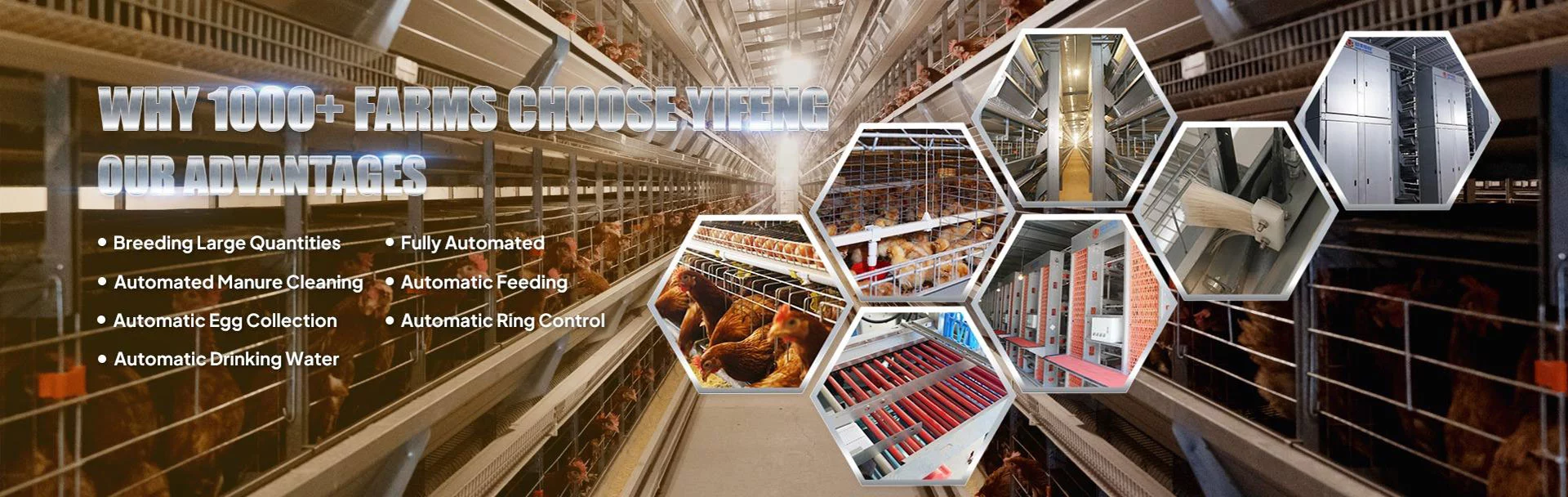
1. Drinking system include the water pipes, water pressure adjuster, drinking nipples, Waterline front-end device, dosing system etc, choose them according to customer's needs.
2. High-quality water drinking pipes, pressure regulating valves and water drinking nipples can effectively prevent the water leakage. Drinking system adopt the closed piping system, which can minimize the water pollution.
3. 360-degree drinking nipples provide adequate drinking water for poultry at all stages.
4. The automatic drinking water system mainly adopts the steel ball drinking nipple. lt uses imported high-grad stainless steel, POM resin, and APS engineering material, which is wearing resistant, and the durability can be used for long time.



1. Automatic feeding machine can be chosen between gantry and ladder feeding machine. Gantry type feeding machine is a relatively economical and practical machine with simple operation, remote control walking character, easy to manage.
2. Mechanical transmission device running smoothly, low noise, long service life.
3. With the use of automatic control, the feeding system can adjust the amount of material.
4. Feeding with arched structure, high carrying capacity, not easily deformed.
5. Saving man power, saving feed, greatly improving the efficiency of Large-scale farming.
6. The walking speed of gantry feeding machine is 9--12 m/min.




1. Manure removing system included scraper type and conveyor belt type, Which can reduce the labor intensity and labor cost, keep the chicken shed dry and clean.
2. A type chicken cage can use scraper type or conveyor belt type.


3. The scraper type is suitable for A type cages, which can clean two or three rows. For the starters, this type is a good choice. lt can not only save some labor cost, but also save some investment in the whole project. The cleaning speed is 6-10 meters per minute.
4. Conveyor belt type is more suitable for large scale farming. The manure removing belt we use is high quality PP material (polypropylene). The walking speed is 2-4 meters per minute.



High Quality Pellets Made by Mobile Pellet Machine
1. It has professional designed angle of the blade. After the dynamic balance test one by one, the blade can operate smoothly.
2. The air volume is consistent in the whole life of the fan. Bearings has advantage of high strength, low noise, durable and so on.
1. The cooling pads uses high-quality wet curtain paper and adopts space cross-linking technology, which has the advantages of high water absorption, high water resistance, anti-toxicity and long service life.
2. The cooling efficiency is over 80%, without surfactant, natural water absorption, fast diffusion speed and long-lasting effect.
3. The product does not contain phenol and other chemical substances that are easy to cause skin allergies. It is non-toxic and harmless to the human body and chicken when installed and used. It is green, safe, energy-saving, environmentally friendly, economical, and easy to install.
4. The frame aluminum alloy has high strength, good corrosion resistance, durability and beautiful appearance.
5. Use a special filter for the cooling pad at the upper water to ensure clean water quality and support efficient water circulation components.
6. Combined with a negative pressure fan, it can effectively lower the indoor temperature.
The window is made of special selected high-quality engineering plastic, with high strength and long service life, together with superior anti-aging and anti-UV performance.
Function: Ventilation of the chicken house, usually used in the winter.
This system can adjust the wind speed and direction, thus the cold air will not reach chicken directly , which can effectively prevent the phenomenon of cold stress in chicken.
Environmental control system equipment is suitable for large-scale and intensive farming. According to customer requirements, we can provide various types of smart poultry equipment.
1. Our poultry management system is a modular system that manages all aspects of the chicken house, such as climate, temperature, humidity, ammonia, feeding, feed weighing, lighting and ventilation systems, and can monitor the situation of the chicken house in real time through a computer and mobile phone.
2. The management computer is the heart of the poultry farm, allowing you to easily monitor the entire poultry farm.

 WeChat:+8617838608255