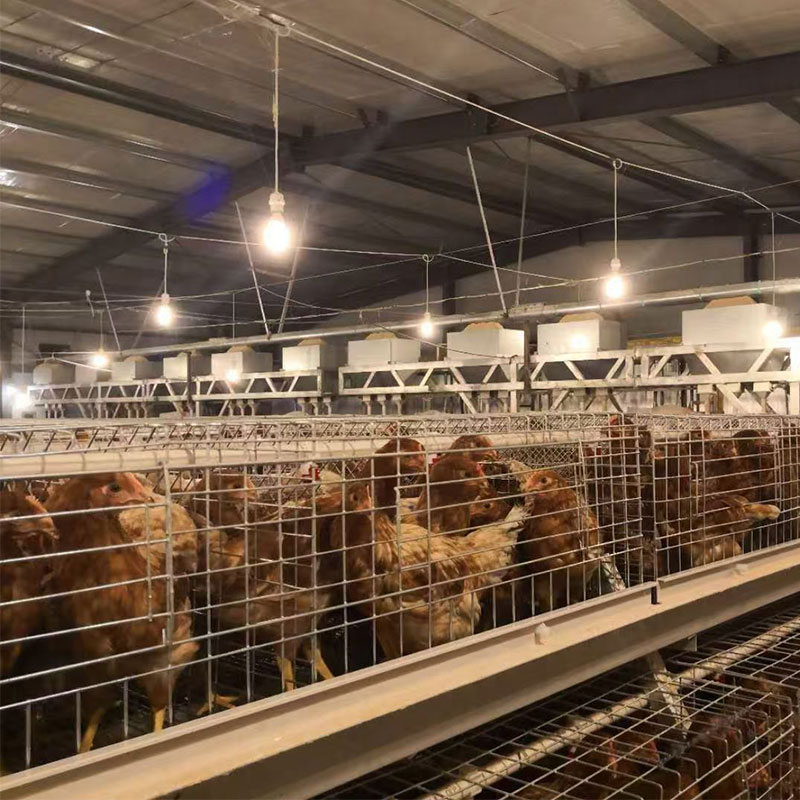
Brooding Cages for Chickens: A Comprehensive Guide for Poultry Farmers
For poultry farmers, the first few weeks of a chick's life are the most critical. This period, known as brooding, sets the foundation for the bird's future health, growth, and productivity. Providing the right environment is paramount, and the choice of housing plays a central role. Brooding cages for chickens have emerged as a popular and efficient system for raising large numbers of chicks with precision and control. Unlike traditional floor brooding, cage systems offer distinct advantages in terms of hygiene, management, and space utilization. This comprehensive guide delves deep into the world of chicken brooding cages, examining their design, benefits, drawbacks, best practices, and alternatives. Whether you're a seasoned commercial farmer or a serious homesteader scaling up, understanding this technology is key to making informed decisions for your flock's success.
Brooding cages are specialized enclosures designed to house chicks from dayold through the brooding period (typically 36 weeks). They provide a controlled microenvironment where temperature, ventilation, feed, and water are meticulously managed. These cages are usually tiered (multilevel) to maximize floor space in a poultry house.
A standard brooding cage system typically includes:
Mesh Floors: Sloped wire floors that allow droppings to fall through into a manure collection pan or belt below.
Precise Heating: Often via central house heating or localized brooders/heat plates suspended above or within each cage tier.
Integrated Feeding Troughs: Running the length of the cage for easy access.
Nipple Drinkers: Providing clean, ondemand water.
Side Guards: Solid panels on the lower portions of the cage sides to prevent drafts on young chicks.
The shift towards caged brooding is driven by several operational and welfarerelated benefits when managed correctly.
This is arguably the most significant advantage. By separating chicks from their litter and manure:
Reduced Pathogen Load: Chicks have minimal contact with feces, drastically lowering the risk of coccidiosis, bacterial infections like E. coli and Salmonella, and parasitic worms.
Easier Cleaning & Disinfection: Between flocks, cages can be thoroughly cleaned, sanitized, and left empty (downtime), breaking disease cycles more effectively than deeplitter floors.
Reduced Feed Wastage: Feed is contained in troughs, preventing chicks from scratching it into bedding.
Accurate Intake Tracking: It's easier to monitor how much feed groups of chicks are consuming.
Uniform Growth: With equal access to feed and water and a controlled environment, chicks tend to grow more uniformly.
Targeted Heat: Heat can be applied more precisely where the chicks are located without wasting energy heating empty floor space.
Optimal Air Quality: Properly designed systems with good ventilation pull fresh air across each tier while removing ammonia and moisture from manure pits below.
Space Maximization: Tiered systems allow farmers to brood many more birds in the same footprint of a poultry house.
Easier Management Tasks: Daily checks for mortality, feed/water levels, and chick behavior are faster as workers walk aisles rather than navigating litter.
No system is perfect. It's crucial to weigh these challenges against the benefits.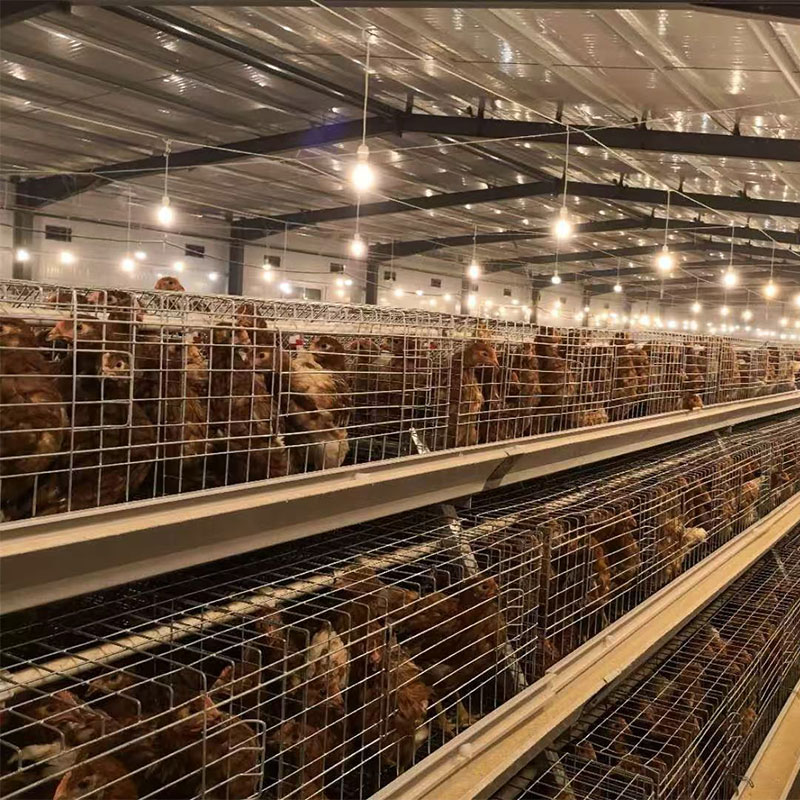
Cage systems require significant capital expenditure for equipment (cages, automated feeders/drinkers, manure belts) compared to simple floor brooders.
This is the primary concern from an animal welfare perspective.
Limited Natural Behaviors: Chicks in cages cannot dustbathe forage or scratch at litter—behaviors important for their development and wellbeing.
Space Allowance: Stocking density must be carefully managed to avoid overcrowding stress.
Cage brooding is less forgiving than floor brooding. Failures in automated systems (water nipples clogging heaters failing) can have rapid severe consequences requiring vigilant monitoring.
Poor mesh design (wire gauge thickness) can lead to footpad dermatitis if not maintained properly Some producers note that wing feathering can be slower due to contact with cage sides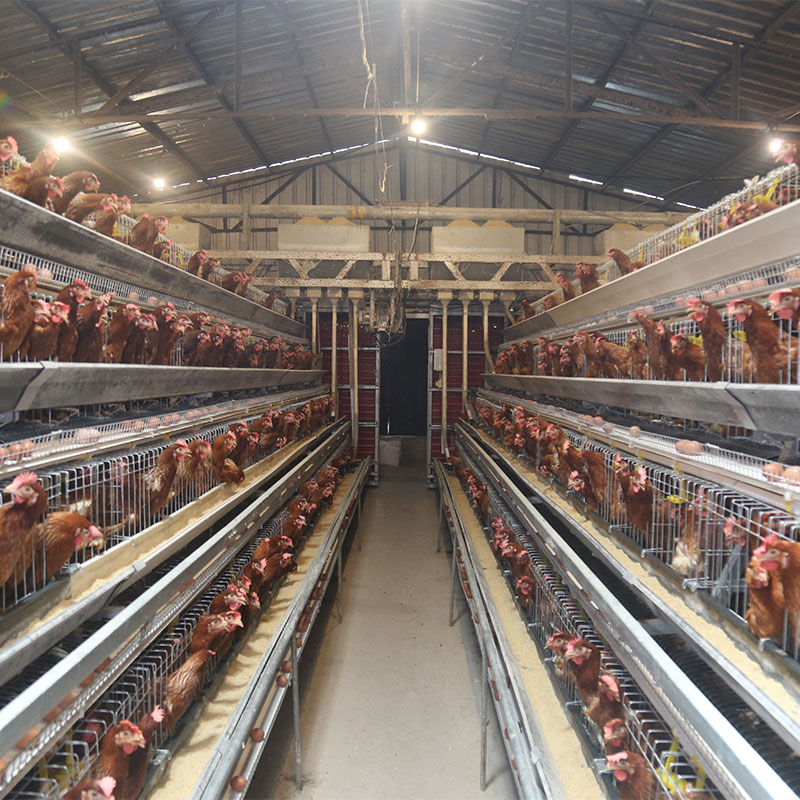
When selecting or evaluating brooding cages pay attention to these critical features:
| Feature | Importance | Best Practice / Specification |
| : | : | : |
| Floor Mesh | Supports chicks prevents injury allows manure passage | Smooth welded wire correct gauge (typically ~1012 mm hexagonal or square mesh) Sloped ~710 degrees |
| Heating System | Provides consistent draftfree heat | Central room heating OR infrared brooders/radiant heat plates per tier Temperature zones must be achievable |
| Ventilation | Removes moisture ammonia provides oxygen | Integrated with house ventilation Manure pit exhaust recommended |
| Feeding System | Provides continuous access minimizes waste | Troughs with adjustable fill levels or chain feeders Easily accessible for all chicks |
| Watering System | Provides clean uncontaminated water | Nipple drinkers with drip cups for young chicks Correct pressure height adjustment |
| Manure Management | Removes waste from bird environment | Deep pit belt system or daily tray removal Adequate drying capacity |
Success depends on impeccable management Here’s a stepbystep guide:
1 PreArrival Preparation:
Thoroughly clean disinfect entire system including feeders drinkers manure belts Check all equipment functionality—heat water automation Set temperature zones: Start at 3235°C (9095°F) at chick level
2 Placement & Early Care:
Place chicks gently into cages Ensure they find water immediately—consider using supplemental drinkers/trays for first 2448 hours Fill feeders with highquality crumbled starter feed
3 Environmental Monitoring:
Observe chick behavior constantly They are your best thermometer Huddled = too cold Spread out panting = too hot Evenly distributed = ideal Adjust temperature downward roughly 0 5°C (~1°F) every 23 days Maintain relative humidity around 5065%
4 Daily Routines:
Check drinker nipples multiple times daily for flow Monitor feed levels Observe chick activity vocalization droppings consistency Remove any dead birds promptly
5 Transition Planning:
If moving birds to another system (e g growout cages aviary floor) begin acclimating them well before transfer This may involve providing perches or platforms in the brooder cage if possible
It’s essential to consider all options The right choice depends on your scale goals resources and welfare philosophy
| System | Pros | Cons | Best For |
| : | : | : | : |
| Traditional Floor Brooding | Low startup cost Allows natural behaviors Simple setup High disease risk Litter management Labor intensive Smaller flocks hobby farms organic systems requiring outdoor access later |
| Brooder Plates on Litter Good middle ground Chicks choose temp Some natural behaviors Litter quality still matters Disease risk moderate All flock sizes especially those prioritizing some behavioral expression |
| MultiTier Aviary Brooding Allows flying perching foraging preps for complex adult systems High cost Complex management Requires skilled labor Producers raising cagefree pullets for egg layers |
Brooding cages represent a hightech highmanagement approach to early chick care offering unparalleled control over hygiene feed efficiency environmental parameters They can be a powerful tool for improving flock health uniformity productivity especially in largescale operations However this comes with significant financial investment increased technical demands ongoing attention paid toward animal behavior welfare considerations The decision isn't binary; many successful operations use hybrid models tailored specific needs Ultimately whether you choose dedicated chicken brooders within cage system alternative method success hinges deep understanding biology needs coupled meticulous daily management The goal remains same regardless equipment raise robust healthy welldeveloped pullets ready next phase their life cycle
Here are answers common questions people ask about chicken brooder cages based "People Also Ask" search data expert knowledge
Typically from dayold until they fully feathered ready transition growout housing This usually around weeks age but depends breed climate target weight
Yes many commercial egg producers raise layer pullets specially designed pullet rearing cages These often larger than standard brooder allow development include perches prepare hens adult aviary cagefree environments
Recommendations vary but common guideline provide at least square inches (~ square cm) chick during first weeks Adequate space crucial prevent overcrowding stress ensure access feed water
They different tools entirely Heat lamp provides heat one component Cage whole managed environment While lamps used within cage barn generally safer reduce fire risk provide more even heat distribution compared single point source lamp
Pasty butt vent blockage occurs mainly due stress temperature fluctuations dehydration Ensure correct stable temperature encourage early water intake adding electrolytes sugar first hours Monitor closely clean vent gently warm damp cloth needed
Start degrees Celsius degrees Fahrenheit directly at chick level Reduce approximately degree every days until reaching ambient room temperature by end week Always watch chick behavior ultimate guide
Automated belt systems remove continuously For traybased systems daily removal essential maintain air quality prevent ammonia buildup which damages chick respiratory systems
No traditional bedding not used wire mesh floors However paper towels grip pads placed first days help prevent splayed legs provide traction while learning walk wire
Yes but require careful management Due rapid growth heavy weight monitor leg health footpad condition closely Ensure ample feeder watering space prevent competition Adjust density lower than lighter breeds
Complacency Assuming automation eliminates need observation Most failures result not noticing early signs problem malfunction Regular hands checks watching bird behavior nonnegotiable successful cage operation
1. Drinking system include the water pipes, water pressure adjuster, drinking nipples, Waterline front-end device, dosing system etc, choose them according to customer's needs.
2. High-quality water drinking pipes, pressure regulating valves and water drinking nipples can effectively prevent the water leakage. Drinking system adopt the closed piping system, which can minimize the water pollution.
3. 360-degree drinking nipples provide adequate drinking water for poultry at all stages.
4. The automatic drinking water system mainly adopts the steel ball drinking nipple. lt uses imported high-grad stainless steel, POM resin, and APS engineering material, which is wearing resistant, and the durability can be used for long time.



1. Automatic feeding machine can be chosen between gantry and ladder feeding machine. Gantry type feeding machine is a relatively economical and practical machine with simple operation, remote control walking character, easy to manage.
2. Mechanical transmission device running smoothly, low noise, long service life.
3. With the use of automatic control, the feeding system can adjust the amount of material.
4. Feeding with arched structure, high carrying capacity, not easily deformed.
5. Saving man power, saving feed, greatly improving the efficiency of Large-scale farming.
6. The walking speed of gantry feeding machine is 9--12 m/min.




1. Manure removing system included scraper type and conveyor belt type, Which can reduce the labor intensity and labor cost, keep the chicken shed dry and clean.
2. A type chicken cage can use scraper type or conveyor belt type.


3. The scraper type is suitable for A type cages, which can clean two or three rows. For the starters, this type is a good choice. lt can not only save some labor cost, but also save some investment in the whole project. The cleaning speed is 6-10 meters per minute.
4. Conveyor belt type is more suitable for large scale farming. The manure removing belt we use is high quality PP material (polypropylene). The walking speed is 2-4 meters per minute.



High Quality Pellets Made by Mobile Pellet Machine
1. It has professional designed angle of the blade. After the dynamic balance test one by one, the blade can operate smoothly.
2. The air volume is consistent in the whole life of the fan. Bearings has advantage of high strength, low noise, durable and so on.
1. The cooling pads uses high-quality wet curtain paper and adopts space cross-linking technology, which has the advantages of high water absorption, high water resistance, anti-toxicity and long service life.
2. The cooling efficiency is over 80%, without surfactant, natural water absorption, fast diffusion speed and long-lasting effect.
3. The product does not contain phenol and other chemical substances that are easy to cause skin allergies. It is non-toxic and harmless to the human body and chicken when installed and used. It is green, safe, energy-saving, environmentally friendly, economical, and easy to install.
4. The frame aluminum alloy has high strength, good corrosion resistance, durability and beautiful appearance.
5. Use a special filter for the cooling pad at the upper water to ensure clean water quality and support efficient water circulation components.
6. Combined with a negative pressure fan, it can effectively lower the indoor temperature.
The window is made of special selected high-quality engineering plastic, with high strength and long service life, together with superior anti-aging and anti-UV performance.
Function: Ventilation of the chicken house, usually used in the winter.
This system can adjust the wind speed and direction, thus the cold air will not reach chicken directly , which can effectively prevent the phenomenon of cold stress in chicken.
Environmental control system equipment is suitable for large-scale and intensive farming. According to customer requirements, we can provide various types of smart poultry equipment.
1. Our poultry management system is a modular system that manages all aspects of the chicken house, such as climate, temperature, humidity, ammonia, feeding, feed weighing, lighting and ventilation systems, and can monitor the situation of the chicken house in real time through a computer and mobile phone.
2. The management computer is the heart of the poultry farm, allowing you to easily monitor the entire poultry farm.

 WeChat:+8617838608255