
The Ultimate Guide to Broiler Chicken Cages: Design, Welfare, and Best Practices
For poultry farmers and homesteaders alike, the choice of housing for broiler chickens is one of the most critical decisions impacting bird health, growth rates, and operational efficiency. The term "cage for broiler chicken" often sparks debate within the industry, touching on modern farming practices, animal welfare standards, and economic viability. This comprehensive guide delves deep into the world of broiler chicken cages, moving beyond simplistic definitions to explore the full spectrum of containment systems. We'll examine traditional cage designs, modern alternatives like raised floor systems, and the key factors that determine success in broiler production. Whether you're a seasoned farmer optimizing your setup or a newcomer planning your first flock, understanding the nuances of broiler housing is essential for achieving both ethical and profitable outcomes.
The image of a standard battery cage is largely associated with layer hens. For broilers—chickens raised specifically for meat—the housing landscape is different. Modern broiler production primarily utilizes large, openfloor barns. However, various contained or semicontained systems exist under the broad umbrella of "cages."
1. Conventional OpenFloor System (Deep Litter):
Description: The most common global system. Birds are reared on a floor covered with absorbent bedding material (litter) like wood shavings or rice hulls.
Key Features: High stocking density, requires robust ventilation management, litter quality is crucial for foot and hock health.
2. Raised Wire or Slatted Floor Systems (Often Called "Cages"):
Description: Birds are housed on elevated wire mesh or plasticslatted floors. Manure falls through to a pit or conveyor belt below.
Key Features: Improves hygiene by separating birds from manure, reduces ammonia levels and litterborne diseases. Can be single or multitiered.
3. MultiTier Systems (Avian or Columbian Cages):
Description: Similar to layer cages but designed for heavier birds. Multiple tiers of wirefloored pens utilize vertical space.
Key Features: Maximizes land/building use efficiency; automated feeding, watering, and manure removal are common.
4. CombiSystems:
Description: A hybrid starting with birds in a raised tiered system for the first weeks before moving them to an openfloor finishing area.
Key Features: Aims to combine earlylife hygiene benefits with laterstage mobility and enrichment access.
Regardless of the system type chosen, several nonnegotiable factors determine bird welfare and performance.
Overcrowding is a primary cause of stress, heat buildup, poor air quality, and increased aggression.
Industry Guidelines: Minimum space varies by certification (e.g., Global Animal Partnership, RSPCA). A common baseline is ~0.71.0 sq ft per bird at market weight, but more space is always beneficial for welfare.
Impact: Adequate space allows for natural behaviors like stretching wingflapping dustbathing (in litter systems) and reduces lameness issues.
The floor is where broilers spend 100% of their lives.
Wire Mesh: Must be smoothcoated plastic or correctly gauged wire to prevent bumblefoot. Slope and spacing must support the bird's weight without causing leg splay or injury.
Litter Quality (for openfloor): Must be kept dry friable and deep (>3 inches) to prevent contact dermatitis (footpad burns) breast blisters ammonia burns.
Broilers generate significant heat moisture.
Essential Components: Tunnel ventilation fans inlet air inlets heating systems (brooding) cooling pads.
Goal: Maintain temperature according to age curve remove moisture ammonia provide fresh oxygen without creating drafts.
Linear Feeder Space: Ensure all birds can eat simultaneously during critical growth phases (typically 12 inches per bird).
Nipple Drinkers: Most common in contained systems; must be checked daily for correct height water pressure functionality.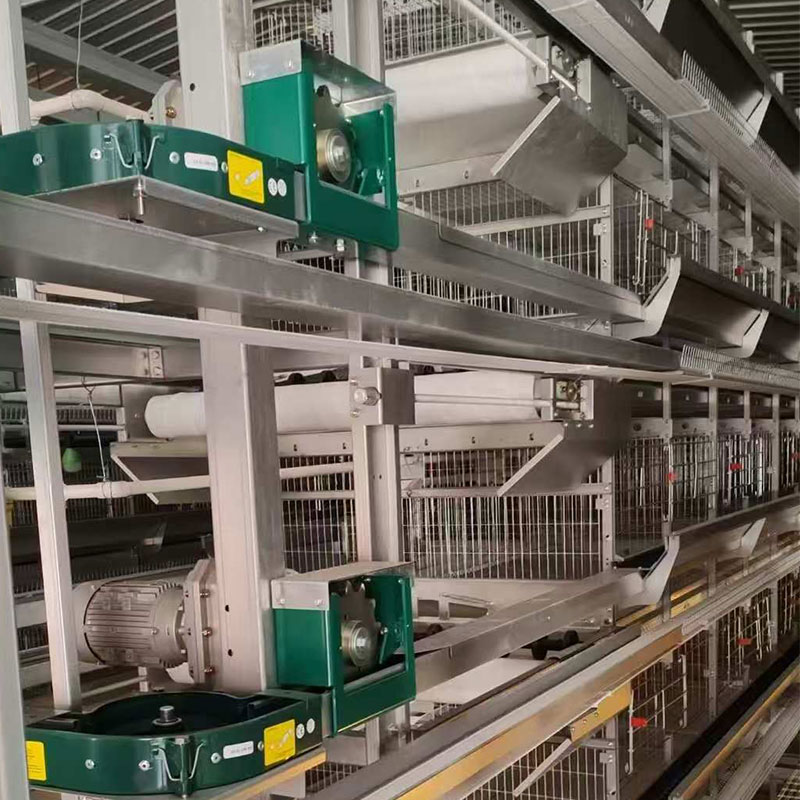
This is a central issue driving consumer trends regulatory changes.
Arguments For WellDesigned Raised/Contained Systems:
Enhanced Biosecurity & Hygiene: Separation from manure drastically reduces parasite loads bacterial diseases like coccidiosis.
Improved Bird Health Metrics: Lower mortality rates reduced medication use better scores on footpad health due to lack of wet litter.
Resource Efficiency: Lower feed waste precise environmental control reduced land use per bird.
Arguments For OpenFloor/Litter Systems:
Behavioral Expression: Allows for natural foraging scratching dustbathing behaviors which are core to avian welfare.
Reduced Leg Issues: Potentially allows more movement strengthening though genetics play a larger role in leg health.
Consumer & Market Demand: Major food corporations globally are committing to cagefree supply chains driving industry shift.
The Middle Path – Enriched Systems:
Modern designs incorporate elements like perches scratch mats pecking objects platforms within both barns raised systems to encourage positive behaviors.
Implementing these practices maximizes success regardless of system:
1. Thorough PreStocking Preparation:
Clean disinfect entire house equipment between flocks.
Preheat barn 24 hours before chick arrival achieve perfect brooding temperature at litter level (~95°F/35°C).
2. Precision Brooding Management:
Use brood gates/rings to confine chicks near food water heat source initially.
Monitor crop fill (>95% should have full crops at 24 hours).
3. Daily Health & Behavior Monitoring:
Walk the flock multiple times daily observe activity respiratory sounds gait consistency.
Keep detailed records of mortality feed intake water consumption.
4. Lighting Program:
Provide periods of darkness (4+ hours) to promote rest reduce metabolic disorders allow eye development even in cages/tiers.
5. Gradual Transition at Market Weight:
Handle birds calmly during catching loading minimize stress bruising which impacts meat quality especially important when removing birds from tiered systems.
| Feature | Conventional OpenFloor | Raised Slatted/Wire Floor | MultiTier Cage System |
| : | : | : | : |
| Initial Investment | Moderate | High | Very High |
| Stocking Density Potential | Standard | Higher than openfloor | Highest |
| Manure Management | Litter removal/composting | Automated removal possible | Fully automated removal |
| Footpad Health Risk | High if litter poor Low if excellent Low if excellent |
| Disease Pressure ModerateHigh Lower Lower |
| Behavioral Expression Good Restricted Restricted unless enriched |
| Labor Efficiency Moderate High Very High |
Choosing the right "cage" or housing system for broiler chickens isn't about finding a onesizefitsall solution It's about aligning your operational goals resources welfare ethics market requirements The trend globally is moving towards systems that prioritize health hygiene while increasingly incorporating enrichments that allow for natural behaviors Whether you opt for a modern enriched barn an efficient raised slatted floor or another system success hinges on meticulous management unwavering attention to detail and a commitment to continuous improvement based on birdbased outcome measures By focusing on creating an optimal environment—defined by excellent air quality comfortable space appropriate flooring constant access to feed/water—you lay the foundation for a thriving productive flock that meets both ethical economic standards
Q1: Are broiler chickens kept in cages?
A While traditional battery cages are used primarily for egglaying hens some broilers are reared in multitier aviarystyle housing or raised wirefloor systems which are often referred colloquially as “cages” However most global broiler production uses large openfloor barns with litter due growing market demands cagefree commitments
Q2 What is better cagefree freerange organic?
A These terms aren't interchangeable Cagefree means not in cages typically open barn Freerange adds requirement outdoor access Organic certification includes cagefree organic feed no antibiotics etc “Better” depends priorities animal welfare environmental impact taste price Each has different management challenges
Q3 What size cage do I need small backyard flock?
A For smallscale rearing avoid traditional cages Use movable pens tractors allow fresh grass daily Minimum provide at least square foot per bird inside shelter more always better Key secure ventilation predatorproof
Q4 How clean chicken cages?
A Between flocks remove all birds organic matter pressure wash disinfect approved product like Virkon S bleach solution Dry completely Rest period days crucial breaking disease cycle Daily maintenance involves removing dead birds adjusting feeders drinkers
Q5 Do chickens suffer being cages?
A Welfare depends largely design management Poorly designed cramped cages restrict movement cause frustration wellbeing Welldesigned enriched systems adequate space resources can maintain good health prevent suffering Continuous assessment behavior physical condition essential
Q6 What material best flooring broiler cage?
A Plasticcoated welded wire heavygauge smooth galvanized wire popular Plastic slats also good Must provide grip prevent foot injuries easy clean Manure should fall through easily without clogging Perch areas solid can beneficial
Q7 How control temperature humidity caged system?
A Sophisticated environmental controllers mandatory Automated fans heaters cooling pads misters regulate based setpoints Multitier systems require careful vertical temperature gradient monitoring Additional air circulation fans between tiers often needed
Q8 Is profitable raise broilers cages?
A Profitability depends scale automation input costs market Premiums exist specialty markets cagefree Higher density automated feeding/manure collection cagedtype systems can lower costs per bird but require significant capital investment Detailed business plan essential
Q9 How ensure good air quality enclosed system?
A Minimum ventilation running continuously even cold weather remove moisture ammonia Use ammonia sensors <25 ppm target Powerful tunnel ventilation capacity handle heat load summer Air inlets designed create proper mixing avoid drafts directly birds
Q10 What lighting program recommend caged broilers?
A Provide minimum hours darkness day using dimmable LEDs Simulate natural dawn/dusk periods Darkness reduces stress allows eye development critical vision prevents panic feeding disturbances Sudden darkness should avoided use gradual dimming
Q11 Can add enrichments caged environment?
A Yes increasingly important Pecking blocks string devices platforms even small perches can stimulate activity reduce negative behaviors Check certifying body standards GAP RSPCA specific enrichment requirements tiers
Q12 How handle endofcycle depopulation tiered systems?
A Planning crucial Specialized crews equipment needed remove birds upper tiers carefully minimize stress injury Automated conveyor systems exist transport birds within house Calm methodical handling paramount welfare final product quality
1. Drinking system include the water pipes, water pressure adjuster, drinking nipples, Waterline front-end device, dosing system etc, choose them according to customer's needs.
2. High-quality water drinking pipes, pressure regulating valves and water drinking nipples can effectively prevent the water leakage. Drinking system adopt the closed piping system, which can minimize the water pollution.
3. 360-degree drinking nipples provide adequate drinking water for poultry at all stages.
4. The automatic drinking water system mainly adopts the steel ball drinking nipple. lt uses imported high-grad stainless steel, POM resin, and APS engineering material, which is wearing resistant, and the durability can be used for long time.



1. Automatic feeding machine can be chosen between gantry and ladder feeding machine. Gantry type feeding machine is a relatively economical and practical machine with simple operation, remote control walking character, easy to manage.
2. Mechanical transmission device running smoothly, low noise, long service life.
3. With the use of automatic control, the feeding system can adjust the amount of material.
4. Feeding with arched structure, high carrying capacity, not easily deformed.
5. Saving man power, saving feed, greatly improving the efficiency of Large-scale farming.
6. The walking speed of gantry feeding machine is 9--12 m/min.




1. Manure removing system included scraper type and conveyor belt type, Which can reduce the labor intensity and labor cost, keep the chicken shed dry and clean.
2. A type chicken cage can use scraper type or conveyor belt type.


3. The scraper type is suitable for A type cages, which can clean two or three rows. For the starters, this type is a good choice. lt can not only save some labor cost, but also save some investment in the whole project. The cleaning speed is 6-10 meters per minute.
4. Conveyor belt type is more suitable for large scale farming. The manure removing belt we use is high quality PP material (polypropylene). The walking speed is 2-4 meters per minute.



High Quality Pellets Made by Mobile Pellet Machine
1. It has professional designed angle of the blade. After the dynamic balance test one by one, the blade can operate smoothly.
2. The air volume is consistent in the whole life of the fan. Bearings has advantage of high strength, low noise, durable and so on.
1. The cooling pads uses high-quality wet curtain paper and adopts space cross-linking technology, which has the advantages of high water absorption, high water resistance, anti-toxicity and long service life.
2. The cooling efficiency is over 80%, without surfactant, natural water absorption, fast diffusion speed and long-lasting effect.
3. The product does not contain phenol and other chemical substances that are easy to cause skin allergies. It is non-toxic and harmless to the human body and chicken when installed and used. It is green, safe, energy-saving, environmentally friendly, economical, and easy to install.
4. The frame aluminum alloy has high strength, good corrosion resistance, durability and beautiful appearance.
5. Use a special filter for the cooling pad at the upper water to ensure clean water quality and support efficient water circulation components.
6. Combined with a negative pressure fan, it can effectively lower the indoor temperature.
The window is made of special selected high-quality engineering plastic, with high strength and long service life, together with superior anti-aging and anti-UV performance.
Function: Ventilation of the chicken house, usually used in the winter.
This system can adjust the wind speed and direction, thus the cold air will not reach chicken directly , which can effectively prevent the phenomenon of cold stress in chicken.
Environmental control system equipment is suitable for large-scale and intensive farming. According to customer requirements, we can provide various types of smart poultry equipment.
1. Our poultry management system is a modular system that manages all aspects of the chicken house, such as climate, temperature, humidity, ammonia, feeding, feed weighing, lighting and ventilation systems, and can monitor the situation of the chicken house in real time through a computer and mobile phone.
2. The management computer is the heart of the poultry farm, allowing you to easily monitor the entire poultry farm.

 WeChat:+8617838608255