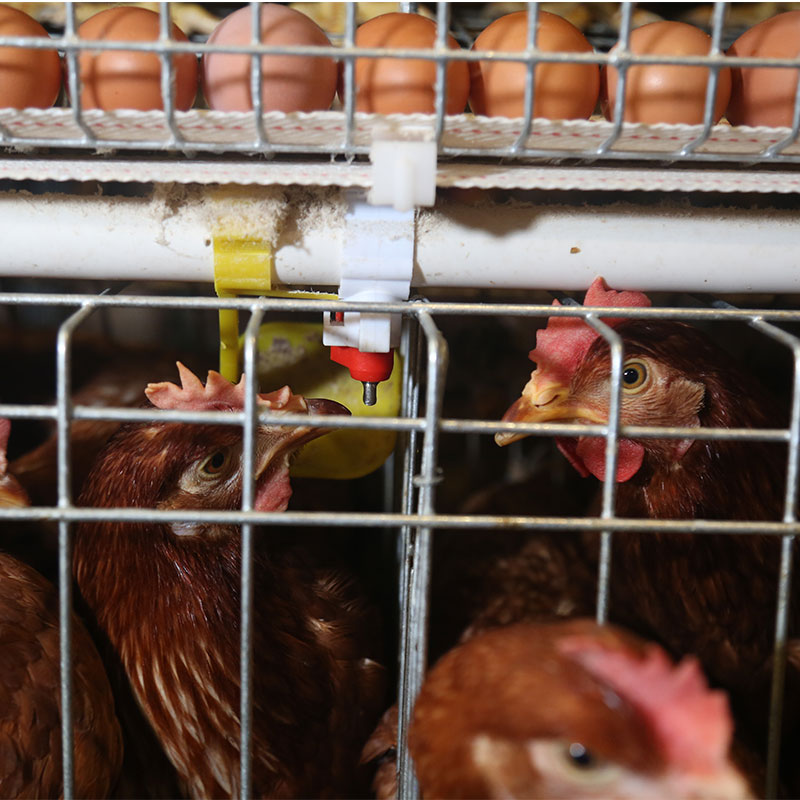
Title: Cage Systems in Poultry: A Comprehensive Guide to Types, Welfare, and Industry Trends
Introduction
The term "cage system" is foundational to modern poultry farming, yet it sparks significant debate among farmers, animal welfare advocates, and consumers. For decades, cage systems have been the cornerstone of efficient egg and meat production worldwide. But what exactly are they? Are all cages created equal? And how is the industry evolving in response to ethical concerns and market demands?
This indepth guide will explore cage systems in poultry from every angle. We'll move beyond simplistic definitions to examine the engineering, economics, and ethics involved. Whether you're a farmer evaluating housing options, a student researching agricultural practices, or a conscientious consumer seeking clarity, this article provides the expert analysis you need to understand this complex and critical aspect of animal husbandry.
Understanding Poultry Cage Systems: Core Concepts
A poultry cage system is a housing method where birds are kept within enclosures made of wire mesh or other materials. These systems are designed to manage birds in large numbers by controlling their environment, feeding, watering, and waste collection in a centralized manner. The primary goals are to maximize production efficiency (egg or meat yield per bird/space), improve bird health management, and reduce labor costs.
Types of Poultry Cage Systems: A Detailed Breakdown
Not all cages are the same. Technological and welfaredriven innovations have led to several distinct designs.
H2: Conventional Battery Cages
The traditional system that dominated the 20th century.
Design: Multiple rows of small, wire cages stacked in tiers (like batteries). Each cage typically houses 510 hens.
Key Features: Automated feed belts and water nipples run along each row. Sloping wire floors allow eggs to roll onto a collection belt. Manure drops through the floor onto belts or into pits.
Pros: Highest space and feed efficiency; lowest direct labor cost; easy monitoring of individual bird health/feed intake; reduced incidence of some diseases like internal parasites.
Cons: Severely restricts natural behaviors (nesting, perching, dustbathing, full wingflapping); associated with higher bone fragility due to lack of exercise; major public welfare concerns leading to bans.
H2: Enriched or Furnished Colony Cages
Developed as a direct response to welfare legislation, particularly in the European Union.
Design: Larger enclosures housing smaller colonies of birds (often 4080 hens). They provide specific "furnishings."
Key Furnishings:
Perches: Allow roosting.
Nesting Area: A secluded space for egglaying.
Scratching/DustBathing Area: Often with litter like peat or straw.
Claw Shorteners: To help manage nail length.
Pros: Allows expression of some key natural behaviors; maintains many efficiency benefits of automated systems; complies with EU Directive and similar standards.
Cons: Still restricts full movement like flying or running; space per bird remains limited compared to noncage systems; higher capital cost than conventional cages.
H2: Combi Cages
A hybrid system primarily used for broiler breeders (parent stock of meat chickens).
Design: A multitiered system where birds have access to both slatted platforms (with feeders/drinkers) and a littered floor area on one side.
Purpose: Balances the need for efficient breeding management with providing litter for important behaviors. Males and females are often housed together in controlled ratios.
H3: Comparative Table: Key Cage System Types
| Feature | Conventional Battery Cage | Enriched/Colony Cage | Combi Cage |
| : | : | : | : |
| Primary Use | Laying Hens | Laying Hens | Broiler Breeders |
| Space/Bird | Very Limited (~430550 cm²) | Moderate (~750+ cm² + furnishings) | Varied (litter + slats) |
| Key Furnishings | None mandated | Perch, Nest, Scratch Area | Litter Area & Slats |
| Welfare Score | Lowest Severe restrictions | Moderate Allows key behaviors | ModerateHigh More freedom |
| Efficiency | Highest Output/Space/Labor | High Output/Space/Labor | Optimized for Fertility |
The Great Debate: Animal Welfare vs. Production Efficiency
This is the central tension driving change in the industry.
H2: The Welfare Perspective
Critics argue that even enriched cages fail to meet all behavioral needs of hens. Major concerns include:
Inability to perform full range of motion (flying, stretching).
Restricted foraging opportunities.
Potential for frustration and aggression in larger colonies.
Consumer perception driven by images of confined animals.
Scientific studies using measures like stress physiology, injury rates, and behavioral observation consistently show that cagefree systems (aviary, freerange) score higher on behavioral freedom.
H2: The Efficiency & Management Perspective
Proponents highlight tangible benefits:
Disease Control: Separation from manure drastically reduces exposure to parasites (worms) and bacterial diseases like avian influenza from wild birds/litter.
Feed Efficiency: Less energy expended on movement translates directly into more energy for egg production.
Egg Quality & Safety: Eggs are immediately separated from birds and manure, reducing fecal contamination (Salmonella) risk. Fewer cracked or dirty eggs.
Mortality Management: Sick or dead birds can be identified and removed quickly.
Farmers often state that excellent health is a fundamental component of welfare—a point sometimes overlooked in public debate.
Global Trends and Regulatory Landscape
The industry is undergoing a seismic shift driven by law and market forces.
1. Legislative Bans: The EU banned conventional battery cages in 2012 (Enriched cages are required). Similar bans are in place or planned in parts of Canada (Ontario), New Zealand,Australia,and several U.S. states (California,Massachusetts etc.).
2. Corporate Commitments: Major food retailers restaurants,and foodservice companies globally( McDonald's,Kroger,Walmart etc.) have pledged to source 100% cagefree eggs by specific deadlines(mostly 20252026),creating massive supply chain pressure irrespective of local law
3. Market Segmentation: The market now clearly segments into:
Conventional/Enriched Cage Eggs
CageFree
FreeRange/PastureRaised
Organic
Each has different cost structures consumer bases,and welfare profiles
The poultry cage system is not a monolith It has evolved from the highly efficient but restrictive battery cage toward more complex designs like enriched colonies that attempt a compromise.The trajectory however is clear Global markets regulations,and societal values are pushing the industry toward cagefree production as a new baseline standard
For farmers this means significant capital investment decisions For consumers it means understanding tradeoffs between different price points,welfare ideals,and food safety perceptions Ultimately,the choice of housing system involves balancing animal behavior economics worker safety environmental impact food security—a complex equation with no single perfect answer but one where informed dialogue based on science experience transparency EEAT is essential
Here we address common questions sourced from search queries about poultry cage systems:
A cage system refers method housing poultry—primarily laying hens—in enclosed wiremesh units designed automate feeding watering egg collection manure removal maximize efficiency control environment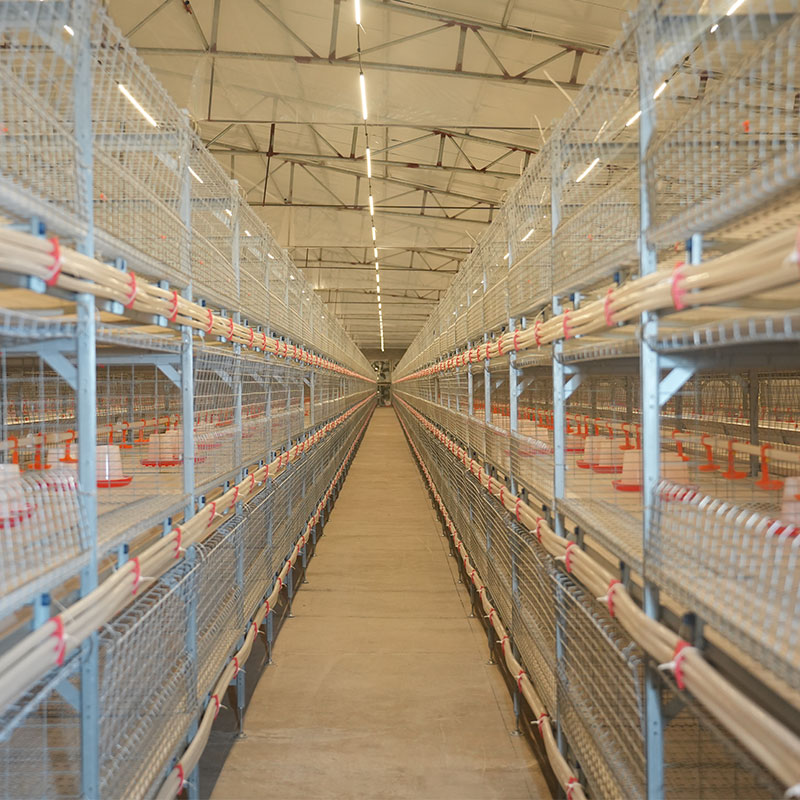
Three broad categories :1) Cage Systems(Battery Enriched ) 2) Barn/Aviary Systems(cagefree indoor multitiered )3) FreeRange/Pasture Systems(access outdoors)
Battery cages small barren enclosures Enriched cages larger provide legal requirements perches nesting box scratching area allowing expression important natural behaviors banned many regions
Criticized severely restricting natural behaviors nesting perching dustbathing stretching wings leading welfare concerns bone weakness frustration They banned numerous countries corporate policies due these issues
Yes from welfare perspective Enriched cages represent significant improvement allowing key behaviors However still restrict full movement compared noncage systems like aviaries freerange
European Union United Kingdom Canada New Zealand Australia among others Several US states including California Massachusetts Washington Oregon Michigan Utah also enacted bans
Laying hens commercial operations typically housed ~72 weeks regardless system before molting replacement However mortality rates stressrelated disorders may higher restrictive systems impacting lifespan during production cycle
Primary alternatives include furnished colony cages barn/aviary systems freerange organic systems Each offers progressively more space behavioral freedom but comes increased cost disease risk management complexity
1. Drinking system include the water pipes, water pressure adjuster, drinking nipples, Waterline front-end device, dosing system etc, choose them according to customer's needs.
2. High-quality water drinking pipes, pressure regulating valves and water drinking nipples can effectively prevent the water leakage. Drinking system adopt the closed piping system, which can minimize the water pollution.
3. 360-degree drinking nipples provide adequate drinking water for poultry at all stages.
4. The automatic drinking water system mainly adopts the steel ball drinking nipple. lt uses imported high-grad stainless steel, POM resin, and APS engineering material, which is wearing resistant, and the durability can be used for long time.



1. Automatic feeding machine can be chosen between gantry and ladder feeding machine. Gantry type feeding machine is a relatively economical and practical machine with simple operation, remote control walking character, easy to manage.
2. Mechanical transmission device running smoothly, low noise, long service life.
3. With the use of automatic control, the feeding system can adjust the amount of material.
4. Feeding with arched structure, high carrying capacity, not easily deformed.
5. Saving man power, saving feed, greatly improving the efficiency of Large-scale farming.
6. The walking speed of gantry feeding machine is 9--12 m/min.




1. Manure removing system included scraper type and conveyor belt type, Which can reduce the labor intensity and labor cost, keep the chicken shed dry and clean.
2. A type chicken cage can use scraper type or conveyor belt type.


3. The scraper type is suitable for A type cages, which can clean two or three rows. For the starters, this type is a good choice. lt can not only save some labor cost, but also save some investment in the whole project. The cleaning speed is 6-10 meters per minute.
4. Conveyor belt type is more suitable for large scale farming. The manure removing belt we use is high quality PP material (polypropylene). The walking speed is 2-4 meters per minute.



High Quality Pellets Made by Mobile Pellet Machine
1. It has professional designed angle of the blade. After the dynamic balance test one by one, the blade can operate smoothly.
2. The air volume is consistent in the whole life of the fan. Bearings has advantage of high strength, low noise, durable and so on.
1. The cooling pads uses high-quality wet curtain paper and adopts space cross-linking technology, which has the advantages of high water absorption, high water resistance, anti-toxicity and long service life.
2. The cooling efficiency is over 80%, without surfactant, natural water absorption, fast diffusion speed and long-lasting effect.
3. The product does not contain phenol and other chemical substances that are easy to cause skin allergies. It is non-toxic and harmless to the human body and chicken when installed and used. It is green, safe, energy-saving, environmentally friendly, economical, and easy to install.
4. The frame aluminum alloy has high strength, good corrosion resistance, durability and beautiful appearance.
5. Use a special filter for the cooling pad at the upper water to ensure clean water quality and support efficient water circulation components.
6. Combined with a negative pressure fan, it can effectively lower the indoor temperature.
The window is made of special selected high-quality engineering plastic, with high strength and long service life, together with superior anti-aging and anti-UV performance.
Function: Ventilation of the chicken house, usually used in the winter.
This system can adjust the wind speed and direction, thus the cold air will not reach chicken directly , which can effectively prevent the phenomenon of cold stress in chicken.
Environmental control system equipment is suitable for large-scale and intensive farming. According to customer requirements, we can provide various types of smart poultry equipment.
1. Our poultry management system is a modular system that manages all aspects of the chicken house, such as climate, temperature, humidity, ammonia, feeding, feed weighing, lighting and ventilation systems, and can monitor the situation of the chicken house in real time through a computer and mobile phone.
2. The management computer is the heart of the poultry farm, allowing you to easily monitor the entire poultry farm.

 WeChat:+8617838608255