The Ultimate Guide to Buying the Right Chicken Cage for Your Flock
Whether you're a seasoned poultry keeper or embarking on your first backyard chicken adventure, selecting the right cage is one of the most critical decisions you'll make. The search for "cages for chickens for sale" often leads to a bewildering array of options, materials, and price points. But a chicken cage is more than just a purchase; it's an investment in the health, safety, and productivity of your birds. A wellchosen enclosure provides security from predators, protection from the elements, and a clean, manageable environment that promotes egglaying and overall wellbeing. This comprehensive guide will cut through the confusion, equipping you with the expert knowledge needed to evaluate your options and select the perfect housing solution for your specific needs and flock size.
Before browsing listings, take a step back to assess your unique situation. A commercial farmer's needs differ vastly from those of a suburban hobbyist.
Key Considerations:
Flock Size & Breed: How many chickens do you have now, and do you plan to expand? Larger breeds like Orpingtons need more space than bantams.
Primary Purpose: Are you raising layers for eggs, broilers for meat, or keeping pets/show birds? This influences space requirements and features.
Climate & Location: Will the cage be exposed to harsh sun, heavy rain, snow, or strong winds? Insulation and weatherproofing become crucial.
Predator Pressure: Urban foxes, raccoons, hawks, and even neighborhood dogs require different levels of security (e.g., reinforced wire vs. standard hardware cloth).
Mobility vs. Permanence: Do you need a stationary coop or a mobile "chicken tractor" to rotate grazing areas?
The market offers several main designs, each with pros and cons.
The classic backyard chicken house. These are fixed structures often featuring an enclosed roosting/nesting area attached to a secure run.
Best For: Medium to large flocks, permanent setups in backyards.
Pros: Sturdy, spacious, can be highly insulated and predatorproof. Allows for elaborate nesting box setups and automated features.
Cons: Requires cleaning in place; can lead to barren ground in the run if not managed.
Portable enclosures with no floor or an open bottom that are moved regularly across grass.
Best For: Small flocks on lawns or pastures; those practicing rotational grazing.
Pros: Provides fresh forage daily; natural fertilization; prevents land degradation.
Cons: Requires manual moving; less protection against digging predators unless skirted; often smaller.
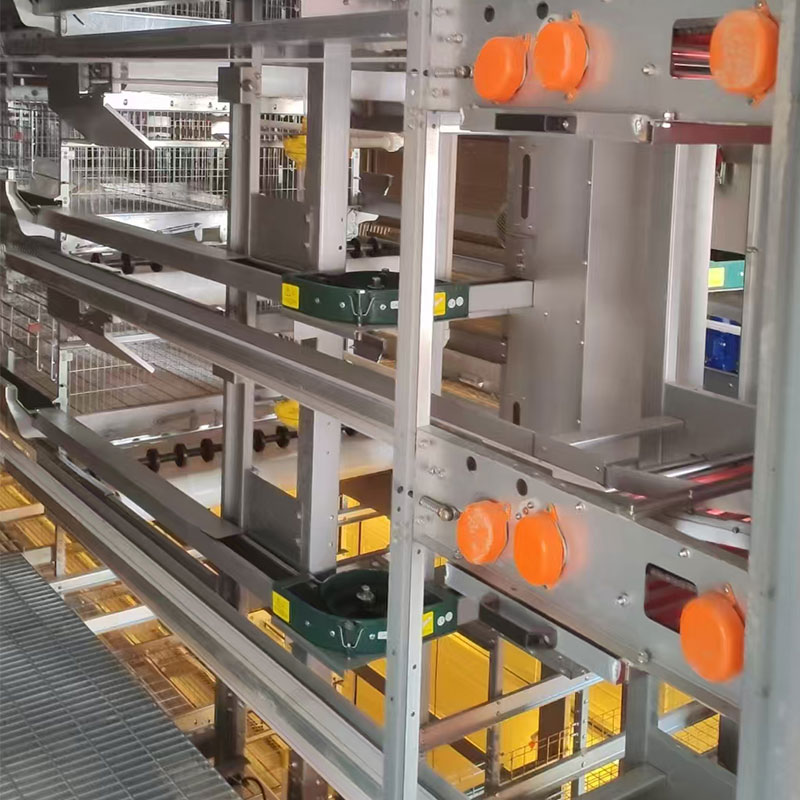
Stacked wire cages used primarily in intensive egg production facilities.
Note: These are increasingly regulated and phased out in many regions due to severe animal welfare concerns. They are not recommended for smallscale or ethical backyard keepers.
Simple, lightweight mobile structures shaped like an "A" or an arch.
Best For: Temporary containment or very small flocks on pasture.
Pros: Inexpensive, easy to build or move by one person.
Cons: Limited headroom; minimal protection from weather; less secure.
Don't just look at the price tag. Scrutinize these essential components:
1. Materials & Construction:
Frame: Pressuretreated wood resists rot but ensure it's safe for chickens (older treatments contained arsenic). Cedar is naturally pestresistant. Metal frames are durable but can conduct heat/cold.
Cladding/Walls: Solid wood panels offer insulation. Plastic/vinylcoated panels are easy to clean but may ventilate poorly.
Wire Mesh: This is nonnegotiable for security. Avoid chicken wire alone—it keeps chickens in but not predators out. Opt for ½ inch hardware cloth (welded wire) for the best protection against raccoons and weasels.
2. Size & Space Requirements:
Cramped quarters lead to stress, disease, pecking orders issues (like feather pecking), and reduced egg production.
| Bird Type | Minimum Coop Space (sq ft/bird) | Minimum Run Space (sq ft/bird) |
| : | : | : |
| Standard Laying Hen | 4 sq ft | 10 sq ft |
| Bantam Chickens | 2 sq ft | 8 sq ft |
| Large Breed/Jersey Giant | 56 sq ft | 1215 sq ft |
Expert Tip: These are minimums. More space is always better. If birds cannot freerange during the day, significantly increase run space.
3. Security Features:
PredatorProof Latches: Raccoons can open simple hooks and slide bolts. Use locking carabinerstyle clips or padbolts.
Buried Apron/ Skirt: To stop diggers like foxes and dogs, extend wire mesh at least 12 inches outward from the base of the run and bury it or weigh it down with pavers.
Secure Roofing & Vents: Vents are essential for airflow but must be covered with hardware cloth.
4. Functionality & Ease of Use:
Your back will thank you for prioritizing these:
EasyClean Design: Removable droppings trays, large access doors (both humansized "people doors" and smaller cleanout doors), and smooth interiors make cleaning effortless.
External Nesting Boxes: Allows you to collect eggs without entering the coop—a huge convenience.
Proper Ventilation vs Drafts: Vents should be high up near the roof (warm moist air escapes) without creating drafts at bird level where they sleep.
1. Specialized Farm & Poultry Suppliers: These retailers understand poultry needs (e.g., Murray McMurray Hatchery’s coop section).
2. Local Farm Supply Stores (Tractor Supply Co., Rural King): Allow you to see some models in person before buying online delivery options..
3.Online Marketplaces (Amazon Wayfair): Vast selection with user reviews Read reviews critically focusing on comments about material quality assembly difficultyand long term durability
4.Custom Coop Builders/Etsy Craftsmen: Idealfor unique spacesor specific aesthetic requirements Often superior qualitybut at a higher price point
5.DIY Kits: A middle ground between pre builtand building from scratch All materialsand cutto size partsare provided Greatfor thosewith moderatehandyman skills
Prices range from under $200for a basic small A frame tractor toover $2000for a large deluxe stationary coop Avoidthe cheapest optionsthat often use flimsy materialsand poor security Considerit a long term investment A$600well built coopthat lasts10 yearsis better value thana$300coopthat falls apartor letsa predatorin aftertwo seasons
Choosingthe rightcagefor your chickensis afundamental step towardssuccessfuland rewardingpoultry keeping By thoroughly understandingyour flock's needs prioritizingsecurityand durabilityover initial costand knowingwhereto shopyoucan makeaninformed confidentpurchase Rememberthe bestchicken cageis onethat keepsyour birdssafe healthyand happywhilealsomakingyour lifeas their caretaker easier Takeyour time researchthoroughlyandinvestin ahousethatwill serveyour featheredfriendsformany yearsto come
Q1: What is the most predatorproof type of chicken cage?
A truly predatorproof cage combines multiple features: sturdy construction using ½ inch hardware cloth (not just chicken wire) on all openings including vents secure locking latches raccoon proof ideally anda buriedwire apronor skirtaroundthe perimeter todeter diggers Solid wallsandaroofare alsoessential
Q2: How many chickens can I put in a 4x8 foot coop?
Usingthe minimumstandardof4 square feetper birdinthe coopyou couldhouseup toeight standard sizedchickens Howeverthisdoesnot accountforrunspace Ifthatsamecoophasa connectedrunyou mustalso provideaminimumof10sq ftperbirdin therun Alwayserr onthe sideofmore space especiallyifthey cannotfree rangedaily
Q3: Are plastic chicken coops any good?
Plasticor vinyl coatedcoopshave advantages theyare extremelyeasyto clean resistanttorot mitesand often lightweight Potential downsidescan include poor ventilationif not designedwell less insulationin extreme climatesand some may become brittleor fadein directsun overmany years Lookformodelswith adequateventsandreviewsmentioningdurability
Q4: Is it cheaper tobuild my ownchicken coopor buyone pre made?
Typically buildingyourownfrom scratchis cheaperin materialcostsif you alreadyhave toolsandsome skill However factoringinyour timeanda potential learningcurve apre builtorkit canofferbetter value formany people Kitsstrike agoodbalance providingpre cutmaterialsandeasyinstructions savingtimeversusdesigningfrom nothing
Q5: What should I put onthe floorof my chicken cage?
Insidethe enclosedcoop shelteruse adry absorbent beddingmaterialsuch as pine shavings strawor hemp bedding Thissoaks up moisturefrom droppingsandeasyto siftout Deep litter method wherebeddingbuilds upand compostsin placeis popular Forruns sand gravelor simplybare earthcan work dependingon drainage Addinga layerof landscape fabricunder gravelcan help suppressweeds
Q6 Do I need toroost barsina chickencage Yes absolutely Chickens havea strong instincttoroostoffthe groundat night Roost barsshouldbe wooden rounded about inches wide placedhigherthan thenesting boxesandin an area separatefromwheredroppingsaccumulate Provideabout inchesroosting spaceper bird
Q7 Can I useadog kennelasa chickencage Yes many peopleconvertlarge metal frameddog kennelsinto excellentchicken runs Theyare verysturdyandoften comewith aconcrete footerthatpreventsdigging Youwill needto adda roof coveringsome sidesforshelteranda smallcoophousinsideforthemto sleepandleggsin
Q8 How oftendoI needtocleanoutthe chickencage Thedroppings trayorsoil underroostsshouldbe sifteddailyforbest hygiene Full beddingreplacementdeep cleaningshouldbedoneevery few monthsormore frequentlydependingon flock size Therunmay needoccasionalrakingtoremovewetpatches Regularmaintenancepreventsodor fliesand disease
Q9 Whatsthe differencebetweenachickentractoranda stationarycoop Achickentractorisa mobileenclosurewith nofloor allowingbirdsto accesfreshgrass daily Itismovedmanuallyaroundtheyard Astationarycoopis afixedstructurewith apermanentrun Itsoffersmorespace stabilityandopportunityforbetter insulationbut requiresmanagementofthegroundwithinthe run
Q10 Are thereany legalrestrictionsonkeepingchickensin cages Most municipalitieshave ordinancesregardingbackyardchickens Commonrestrictionsinclude limitsonflock size prohibitionsonroosters noise setbackrequirementsfrom propertylinesandsometimesrulesaboutenclosureappearance Alwayschecklocal zoninglawsbefore purchasingacoopor acquiringbirds
(Note FAQ structured based on common People Also Ask queries relatedtothe target keyword)
1. Drinking system include the water pipes, water pressure adjuster, drinking nipples, Waterline front-end device, dosing system etc, choose them according to customer's needs.
2. High-quality water drinking pipes, pressure regulating valves and water drinking nipples can effectively prevent the water leakage. Drinking system adopt the closed piping system, which can minimize the water pollution.
3. 360-degree drinking nipples provide adequate drinking water for poultry at all stages.
4. The automatic drinking water system mainly adopts the steel ball drinking nipple. lt uses imported high-grad stainless steel, POM resin, and APS engineering material, which is wearing resistant, and the durability can be used for long time.



1. Automatic feeding machine can be chosen between gantry and ladder feeding machine. Gantry type feeding machine is a relatively economical and practical machine with simple operation, remote control walking character, easy to manage.
2. Mechanical transmission device running smoothly, low noise, long service life.
3. With the use of automatic control, the feeding system can adjust the amount of material.
4. Feeding with arched structure, high carrying capacity, not easily deformed.
5. Saving man power, saving feed, greatly improving the efficiency of Large-scale farming.
6. The walking speed of gantry feeding machine is 9--12 m/min.




1. Manure removing system included scraper type and conveyor belt type, Which can reduce the labor intensity and labor cost, keep the chicken shed dry and clean.
2. A type chicken cage can use scraper type or conveyor belt type.


3. The scraper type is suitable for A type cages, which can clean two or three rows. For the starters, this type is a good choice. lt can not only save some labor cost, but also save some investment in the whole project. The cleaning speed is 6-10 meters per minute.
4. Conveyor belt type is more suitable for large scale farming. The manure removing belt we use is high quality PP material (polypropylene). The walking speed is 2-4 meters per minute.



High Quality Pellets Made by Mobile Pellet Machine
1. It has professional designed angle of the blade. After the dynamic balance test one by one, the blade can operate smoothly.
2. The air volume is consistent in the whole life of the fan. Bearings has advantage of high strength, low noise, durable and so on.
1. The cooling pads uses high-quality wet curtain paper and adopts space cross-linking technology, which has the advantages of high water absorption, high water resistance, anti-toxicity and long service life.
2. The cooling efficiency is over 80%, without surfactant, natural water absorption, fast diffusion speed and long-lasting effect.
3. The product does not contain phenol and other chemical substances that are easy to cause skin allergies. It is non-toxic and harmless to the human body and chicken when installed and used. It is green, safe, energy-saving, environmentally friendly, economical, and easy to install.
4. The frame aluminum alloy has high strength, good corrosion resistance, durability and beautiful appearance.
5. Use a special filter for the cooling pad at the upper water to ensure clean water quality and support efficient water circulation components.
6. Combined with a negative pressure fan, it can effectively lower the indoor temperature.
The window is made of special selected high-quality engineering plastic, with high strength and long service life, together with superior anti-aging and anti-UV performance.
Function: Ventilation of the chicken house, usually used in the winter.
This system can adjust the wind speed and direction, thus the cold air will not reach chicken directly , which can effectively prevent the phenomenon of cold stress in chicken.
Environmental control system equipment is suitable for large-scale and intensive farming. According to customer requirements, we can provide various types of smart poultry equipment.
1. Our poultry management system is a modular system that manages all aspects of the chicken house, such as climate, temperature, humidity, ammonia, feeding, feed weighing, lighting and ventilation systems, and can monitor the situation of the chicken house in real time through a computer and mobile phone.
2. The management computer is the heart of the poultry farm, allowing you to easily monitor the entire poultry farm.

 WeChat:+8617838608255