The Unseen Engine: How Modern Walk-In Steel Coop Systems Transform Poultry Operations
For generations, the image of a chicken coop has been relatively static in the minds of farmers: a rustic, often drafty wooden structure requiring constant repair and offering limited protection. While charming, this traditional model often falls short in the face of modern poultry farming demands for efficiency, bird health, and operational scalability. The introduction of large, walk-in steel coop systems represents a fundamental shift, moving the housing from a simple shelter to a integrated management tool. These structures are more than just cages; they are the central hub around which a successful, sustainable poultry enterprise can be built, offering unexpected advantages for rabbits and canines as well.
The primary advantage of a walk-in steel frame is the creation of a controlled environment. Unlike a low-slung wooden shed, a structure tall enough for an adult to stand and move around in completely changes the dynamic of daily chores. Consider the task of checking water lines. In a conventional coop, this might involve crouching, crawling, and struggling to see into dark corners. In a walk-in system, a farmer moves with natural posture, easily spotting a clogged nipple drinker from across the room. This accessibility extends to every task, from refilling feeders to inspecting birds for signs of illness. A quick visual scan of the entire flock is possible without disturbing the birds, allowing for early detection of issues that might go unnoticed for days in a more confined space. This isn't merely a matter of comfort; it is a critical component of proactive flock management. Catching a respiratory illness in one bird early can prevent it from spreading through the entire population, saving significant veterinary costs and potential losses.
The material itself, galvanized steel, is the cornerstone of this system's durability and hygiene. Galvanization involves coating the steel in a layer of zinc, which acts as a sacrificial barrier against corrosion. On a practical level, this means that years of exposure to ammonia from manure and the general humidity of a poultry house will not cause the frame to rust and weaken. A wooden post sitting in damp litter will eventually rot, compromising the structural integrity and creating a haven for pests like termites. A galvanized steel post remains unaffected. When it comes time for a thorough clean-out, the smooth, non-porous surfaces of steel present no hiding places for mites, lice, or bacteria. A high-pressure washer can be used to blast away debris, and a disinfectant spray coats the entire surface evenly, ensuring a truly sanitized environment before introducing a new flock. This is a stark contrast to the absorbent, grooved surfaces of wood, which can trap pathogens deep within the grain, making complete sterilization nearly impossible.
The modular nature of these steel structures allows for a level of customization that fixed wooden buildings cannot match. The concept of a "cheap" system here is not about low quality, but about cost-effective adaptability. A farmer starting with a 100-bird layer operation can design a coop with a specific internal layout. Then, if the decision is made to expand to 300 birds the following year, additional steel panels and mesh can often be sourced from the same manufacturer to extend the building, rather than constructing an entirely new one. This scalability protects the initial investment. Internally, the strong steel frame allows for the secure hanging of heavy equipment. Automatic feeder systems, which can weigh a significant amount when full, and large water reservoirs can be suspended from the ceiling joists, keeping the floor space clear. This open floor plan is crucial for managing litter and manure. It allows for the use of deep litter methods, where carbon-rich materials like wood shavings are added over time to absorb moisture and control odor, which can then be composted into valuable fertilizer.
Designing for the Flock: Internal Configurations for Health and Productivity
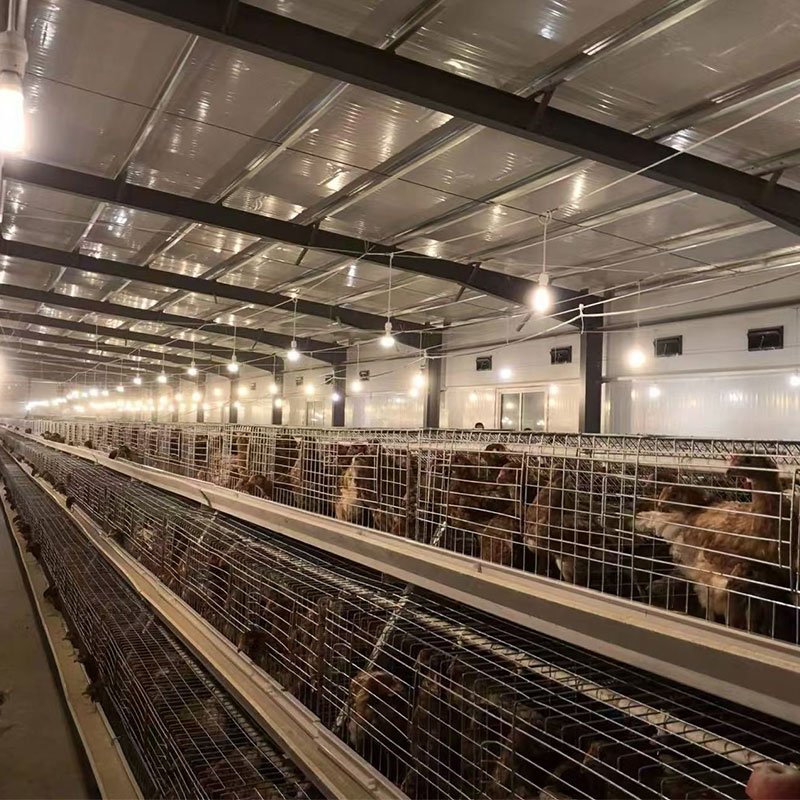
The true potential of a walk-in steel coop is realized in its internal configuration. The space is a blank canvas that can be tailored to the specific type of poultry being raised, whether they are layers, broilers, or breeding stock. For egg-producing hens, the inclusion of dedicated nesting boxes is paramount. When these boxes are arranged in a dark, quiet section of the coop, they provide the seclusion hens instinctively seek for laying. This dramatically reduces the incidence of floor eggs, which are often dirty, cracked, and unsuitable for sale. Easy access to these boxes from the main walkway means egg collection becomes a simple, efficient process rather than a treasure hunt.
Perching is another critical behavioral need. In a steel-framed coop, robust wooden perches can be securely fastened to the frame at varying heights. Allowing birds to roost off the ground at night reduces stress, minimizes contact with droppings, and establishes a natural pecking order. For meat birds (broilers), the priority shifts to maximizing floor space with excellent ventilation. The open design of a steel structure facilitates the installation of large, adjustable vents or even powered fans along the eaves. This constant air exchange is vital for removing moisture and ammonia, preventing conditions like breast blisters and hock burns, which are caused by prolonged contact with wet litter. A broiler farmer will notice a direct correlation between good air quality and improved feed conversion rates—the birds spend less energy on stress and more on growth.
The concept of "cheap" is further justified by the labor savings embedded in a well-designed system. Imagine the difference between carrying buckets of water to a series of small, scattered coops versus connecting a single central water line to an automatic system within one large structure. The time saved each day compounds over a season, freeing the farmer for other essential tasks like marketing, pasture management, or simply achieving a better work-life balance. The same principle applies to feeding. Scattering feed on the ground is wasteful and inefficient. With a walk-in coop, a centralized hopper feeder or an automated chain system ensures feed is delivered cleanly and consistently, minimizing waste from spoilage or pests.
Beyond Poultry: The Versatility of a Robust Enclosure
The utility of a galvanized steel walk-in structure extends far beyond chickens. The same principles that make it ideal for poultry—durability, security, and environmental control—make it equally valuable for other small livestock. For rabbit breeders, these coops solve many common challenges. Rabbits are highly susceptible to respiratory issues, and the draft-free yet well-ventilated environment of a steel building is ideal. The strong mesh walls allow for ample sunlight and fresh air while providing a formidable barrier against predators like foxes, raccoons, and stray dogs that can easily break into flimsy wooden hutches. The steel frame allows for the secure stacking of rabbit cages in a tiered system, maximizing space. The impervious surfaces make cleaning and waste management straightforward, with urine and droppings falling through the mesh floors for easy collection, a task made simpler by the standing-room interior.
Similarly, the structure can be expertly repurposed as a dog kennel or a multi-pen enclosure for working farm dogs or hunting breeds. For dogs that live outdoors, protection from the elements is crucial. A steel-framed kennel with a solid roof provides excellent shelter from rain and sun. By partitioning the interior with sturdy steel mesh panels, separate runs can be created for housing multiple dogs safely without conflict. The security is unparalleled; a determined dog cannot chew or scratch its way out of a galvanized steel enclosure. The floor can be configured as concrete for easy hosing or as a raised, porous surface to keep the animals dry. This versatility means a farmer's investment is not locked into a single use. A building used for broilers in the spring and summer could be thoroughly cleaned and reconfigured to house weaned rabbits or provide winter quarters for dogs, ensuring the asset is productive year-round.
Practical Considerations for Selection and Implementation
Choosing the right system requires careful forethought. The first step is an honest assessment of scale. A "large" coop might be 10 feet by 12 feet for a homesteader, but 30 feet by 60 feet for a commercial producer. Accurate sizing prevents the costly mistake of building too small and facing immediate expansion needs or building too large and wasting resources on heating and cooling unused space. The quality of the galvanization is a key differentiator. A thicker coating, measured in microns, will provide a longer lifespan, especially in coastal areas with salty air or regions with high rainfall.
Site preparation is a non-negotiable foundation for success. Erecting a substantial steel building on uneven, soft ground is a recipe for problems. The site must be leveled and compacted. Many farmers opt for a perimeter foundation of poured concrete or reinforced railroad ties to anchor the structure securely. A well-drained base, such as a several-inch layer of gravel, is essential to prevent water from pooling underneath the coop, which can lead to dampness, odor, and increased ammonia levels.
The internal environment is managed through strategic additions. In colder climates, insulating the roof and north wall can prevent heat loss and reduce condensation without creating a stuffy atmosphere. Proper ventilation remains the priority; insulation should complement, not replace, air flow. In very hot climates, reflective white paint on the roof can significantly reduce solar heat gain. The placement of the coop on the property should take advantage of natural windbreaks for winter and prevailing breezes for summer cooling.
The initial investment in a walk-in steel coop system must be viewed through the lens of total cost of ownership. A poorly built wooden coop may have a lower upfront cost, but the hidden expenses accumulate quickly: repeated purchases of lumber and hardware for repairs, time spent on constant maintenance, losses from predator attacks, and veterinary bills from illness. The steel system, by contrast, presents a higher initial outlay but then operates for years with minimal maintenance, superior protection, and embedded labor savings. It is an investment in predictability and reduced risk.
The transition from viewing animal housing as a simple shelter to recognizing it as an integrated management system is a significant one. The walk-in steel coop is not just a container for animals; it is the unseen engine of the operation. It directly influences bird health, worker efficiency, and ultimately, the profitability and sustainability of the farm. By providing a controlled, secure, and adaptable environment, this modern approach to housing empowers farmers to manage their flocks with greater precision and less stress, turning daily chores into streamlined processes and creating a foundation for a more resilient agricultural enterprise.
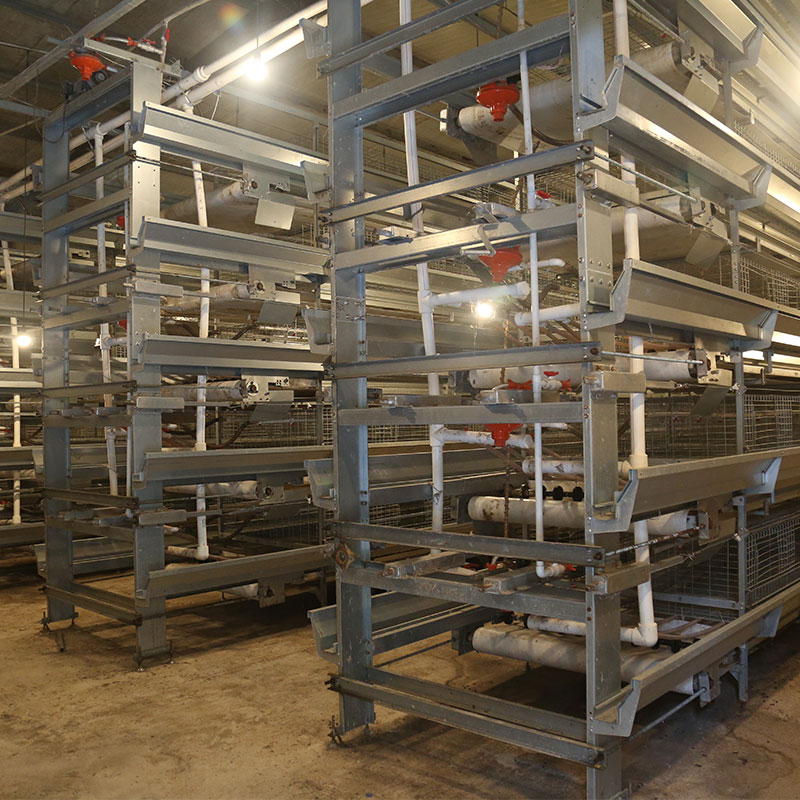
1. Drinking system include the water pipes, water pressure adjuster, drinking nipples, Waterline front-end device, dosing system etc, choose them according to customer's needs.
2. High-quality water drinking pipes, pressure regulating valves and water drinking nipples can effectively prevent the water leakage. Drinking system adopt the closed piping system, which can minimize the water pollution.
3. 360-degree drinking nipples provide adequate drinking water for poultry at all stages.
4. The automatic drinking water system mainly adopts the steel ball drinking nipple. lt uses imported high-grad stainless steel, POM resin, and APS engineering material, which is wearing resistant, and the durability can be used for long time.



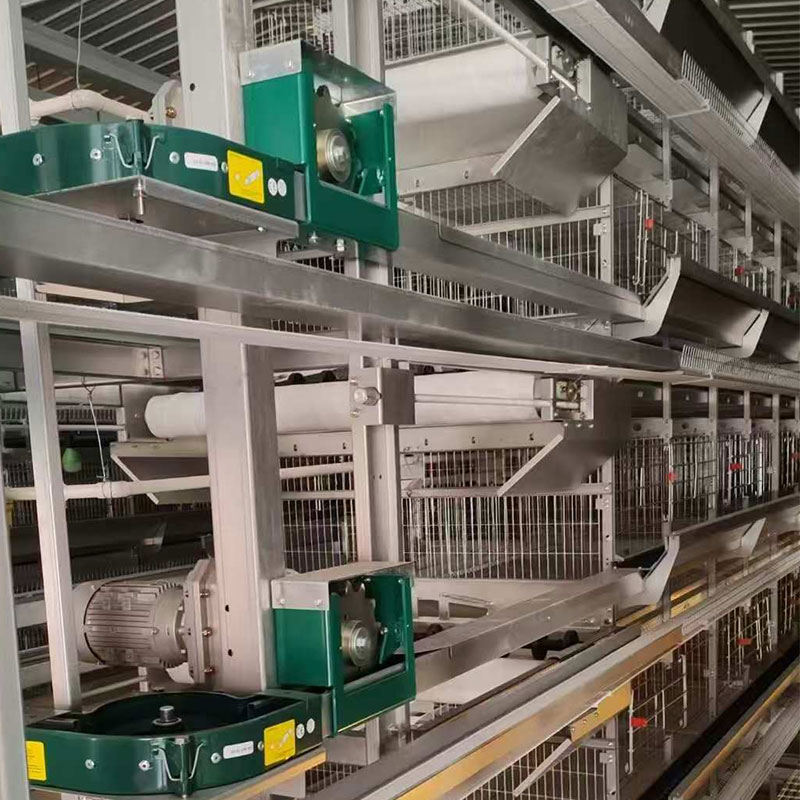
1. Automatic feeding machine can be chosen between gantry and ladder feeding machine. Gantry type feeding machine is a relatively economical and practical machine with simple operation, remote control walking character, easy to manage.
2. Mechanical transmission device running smoothly, low noise, long service life.
3. With the use of automatic control, the feeding system can adjust the amount of material.
4. Feeding with arched structure, high carrying capacity, not easily deformed.
5. Saving man power, saving feed, greatly improving the efficiency of Large-scale farming.
6. The walking speed of gantry feeding machine is 9--12 m/min.




1. Manure removing system included scraper type and conveyor belt type, Which can reduce the labor intensity and labor cost, keep the chicken shed dry and clean.
2. A type chicken cage can use scraper type or conveyor belt type.


3. The scraper type is suitable for A type cages, which can clean two or three rows. For the starters, this type is a good choice. lt can not only save some labor cost, but also save some investment in the whole project. The cleaning speed is 6-10 meters per minute.
4. Conveyor belt type is more suitable for large scale farming. The manure removing belt we use is high quality PP material (polypropylene). The walking speed is 2-4 meters per minute.



High Quality Pellets Made by Mobile Pellet Machine
1. It has professional designed angle of the blade. After the dynamic balance test one by one, the blade can operate smoothly.
2. The air volume is consistent in the whole life of the fan. Bearings has advantage of high strength, low noise, durable and so on.
1. The cooling pads uses high-quality wet curtain paper and adopts space cross-linking technology, which has the advantages of high water absorption, high water resistance, anti-toxicity and long service life.
2. The cooling efficiency is over 80%, without surfactant, natural water absorption, fast diffusion speed and long-lasting effect.
3. The product does not contain phenol and other chemical substances that are easy to cause skin allergies. It is non-toxic and harmless to the human body and chicken when installed and used. It is green, safe, energy-saving, environmentally friendly, economical, and easy to install.
4. The frame aluminum alloy has high strength, good corrosion resistance, durability and beautiful appearance.
5. Use a special filter for the cooling pad at the upper water to ensure clean water quality and support efficient water circulation components.
6. Combined with a negative pressure fan, it can effectively lower the indoor temperature.
The window is made of special selected high-quality engineering plastic, with high strength and long service life, together with superior anti-aging and anti-UV performance.
Function: Ventilation of the chicken house, usually used in the winter.
This system can adjust the wind speed and direction, thus the cold air will not reach chicken directly , which can effectively prevent the phenomenon of cold stress in chicken.
Environmental control system equipment is suitable for large-scale and intensive farming. According to customer requirements, we can provide various types of smart poultry equipment.
1. Our poultry management system is a modular system that manages all aspects of the chicken house, such as climate, temperature, humidity, ammonia, feeding, feed weighing, lighting and ventilation systems, and can monitor the situation of the chicken house in real time through a computer and mobile phone.
2. The management computer is the heart of the poultry farm, allowing you to easily monitor the entire poultry farm.

 WeChat:+8617838608255