
Title: The Ultimate Guide to Chick Brooding Cages: Setup, Best Practices & Top Choices
Introduction
The first few weeks of a chick's life are the most critical. Providing a warm, safe, and hygienic environment during this brooding period directly impacts their health, growth rates, and future productivity. While many start with simple cardboard boxes, serious poultry enthusiasts and smallscale farmers quickly realize the unparalleled advantages of a dedicated chick brooding cage. This comprehensive guide delves deep into the world of brooding cages. We'll move beyond basic definitions to explore how to choose, set up, and manage the optimal brooding system that aligns with professional husbandry standards, ensuring your flock gets the best possible start.
Understanding Chick Brooding Cages: More Than Just a Box
A chick brooding cage is a specialized enclosure designed to house chicks from day one through approximately 46 weeks of age. Its primary functions are to provide a controlled microclimate (warmth), protect against predators and drafts, facilitate easy access to feed and water, and simplify cleaning to prevent disease. Unlike open brooders, cages offer vertical space efficiency and superior environmental management.
Key Advantages of Using a Dedicated Brooding Cage:
Disease Control: Elevated floors with wire mesh separate chicks from their droppings, drastically reducing exposure to parasites (like coccidia) and bacterial pathogens.
Temperature Management: Confined space makes it easier and more energyefficient to maintain the precise heat gradient chicks require.
Safety: Protects vulnerable chicks from household pets, rodents, and other predators.
Efficiency: Centralized feed and water systems reduce waste and labor.
Observation: Easy monitoring of chick health, appetite, and behavior.
Selecting a cage isn't onesizefitsall. Consider these factors through the lens of your specific operation.
H3: 1. Cage Type & Design
Brooder Battery Cages: Multitiered systems that maximize floor space. Ideal for raising large batches of pullets or meat birds commercially. Feature integrated feeders, drinkers, and waste trays.
SingleLevel Brooders: Often simpler frames with mesh flooring placed over a droppings tray. Perfect for small flocks, backyard breeders, or hobbyists. Highly customizable.
Brooder Plates vs. Heat Lamps: Modern cages often use radiant brooder plates (like EcoGlow) which are safer (fire risk) and more natural, allowing chicks to selfregulate warmth. Heat lamps require careful height adjustment.
H3: 2. Size & Space Requirements
Overcrowding is a cardinal sin in brooding. It leads to stress, feather picking, and disease spread.
| Chick Age | Minimum Space per Bird (Floor) | Recommended for Healthy Rearing |
| : | : | : |
| 04 Weeks | 0.25 sq ft | 0.5 sq ft |
| 46 Weeks | 0.5 sq ft | 1.0 sq ft |
Always err on the side of more space. Calculate your total needed square footage before purchasing.
H3: 3. Critical Construction Features
Flooring: Removable wire mesh (typically ½ inch x ½ inch) is standard. It must be smooth to prevent foot damage (bumblefoot). Some starters use paper towels over mesh for the first 48 hours.
Droppings Trays: Slideout plastic trays beneath the mesh are essential for daily cleaning. Deeplitter systems are not recommended inside cages.
Ventilation: Adequate airflow at the top of the cage prevents ammonia buildup without creating drafts at chick level.
Materials: Galvanized steel is durable and easy to disinfect. Plastic components should be foodgrade and sturdy.
A proper setup is a systematic process.
H3: PreArrival Preparation (The "Chick Prep")
1. Deep Clean & Disinfect: Assemble the cage away from your main coop. Scrub all surfaces with an aviansafe disinfectant (e.g., diluted bleach or commercial product). Rinse thoroughly and let dry completely.
2. Install Heat Source: Set up your brooder plate or heat lamp before chicks arrive. For lamps, hang it securely so it can be adjusted vertically. Create a clear temperature gradient—one side warm (~95°F/35°C at chick level for week 1), one side cooler.
3. Bedding & Footing: Place gripfriendly material like shelf liner or rubber mats on the mesh floor for the first few days to aid leg development.
4. "MiniBrood": For large cages, use cardboard corrals to confine chicks closely to heat, food, and water for the first 23 days before allowing access to the full space.
H3: Essential Accessories Inside the Cage
Waterers: Use shallow chick fonts with narrow openings to prevent drowning/drenching.ProTip: Add electrolyte/vitamin supplement to water for first 48 hours posttransit.
Feeders: Long troughs or small circular feeders allow all chicks simultaneous access.ProTip: Sprinkle feed on paper towels initially to teach eating.
Thermometer: Place at chick height away from direct heat source for accurate reading.

This is where EEAT—Expertise and Experience—truly shines.
H3: Weekly Management Checklist
| Week | Key Temperature Adjustment | Management Focus |
| : | : | : |
| 1 | Start at ~95°F (35°C) | Monitor for "piling" (too cold) or avoiding heat (too hot). Check crops are full at night. |
| 2 | Reduce by ~5°F (~28°C) | Expand living area if using corral.Remove footing mats if using wire floor fully? |
| 34 | Reduce by ~5°F/week (~7580°F/2427°C) | Observe feather growth as they rely less on external heat.Clean droppings trays daily! |
| 56 | ~70°F (21°C), prepare for weaning off heat.| Begin acclimatization periods if moving to an unheated coop.Finalize vaccination schedule if applicable |
H3: Health & Hygiene Monitoring
Conduct daily "chick checks": bright eyes, clean vents active behavior dry fluff around vent area
Signs of Trouble: Huddling lethargy pasty vents labored breathing
Isolation Protocol: Always have separate isolation brooder ready sick birds must be removed immediately
Start acclimatization around week by turning off heat source for increasing intervals during mild daytime hours Ensure destination coop predatorproof draftfree equipped with appropriate roosts feeders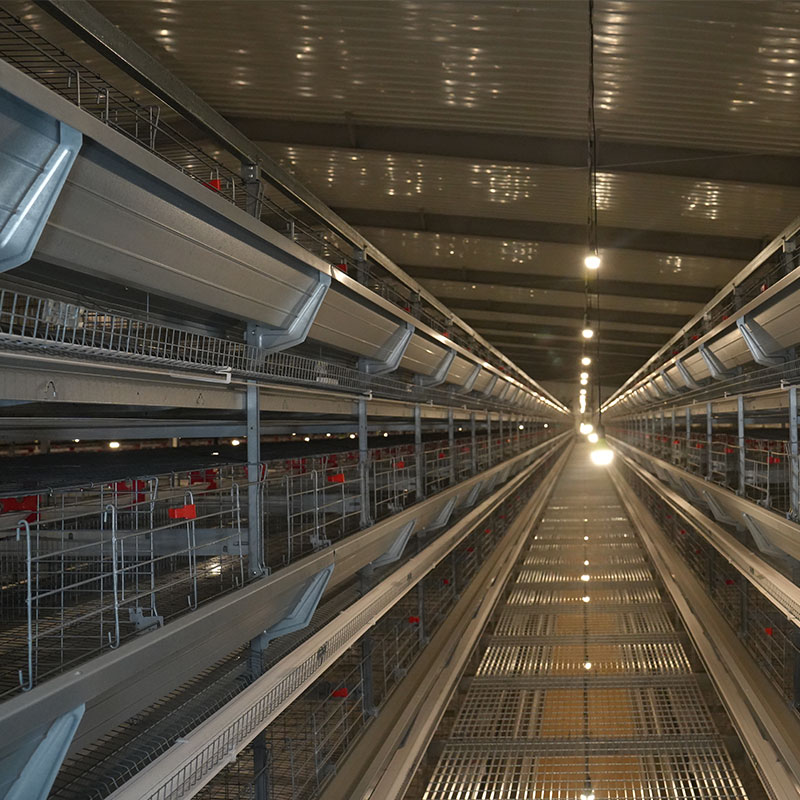
Investing in welldesigned chick brooding cage system foundational step successful poultry raising transcends mere convenience directly impacting biosecurity welfare growth trajectories By applying framework selection meticulous setup disciplined management outlined guide you move beyond guesswork toward professional predictable results Whether rearing dozen heritage layers hundred meat birds principles controlled efficient humane brooding remain same right cage managed correctly sets stage thriving resilient flock
Q What ideal temperature chick brooding cage first week?
A At chick level directly under heat source aim degrees Fahrenheit degrees Celsius Week reduce approximately degrees each week observe behavior true indicator
Q How often should clean droppings tray brooder cage?
A Daily removal solid waste crucial prevent ammonia buildup Weekly remove tray scrub disinfectant minimize disease risk
Q Can use pine shavings flooring wire mesh brooder?
A Not directly on mesh shavings will fall through intended use solid floor brooders For wire floors use only temporary nonslip footing first days then remove allow droppings pass through
Q difference between brooder plate heat lamp which safer?
A Radiant brooder plate heats chicks directly below mimicking hen allows natural movement safer significantly reduces fire risk dehydration Heat lamps cheaper but pose burn fire hazards require precise height adjustment
Q When move chicks from brooding cage permanent coop?
A Typically weeks age ensure fully feathered outside temperatures similar brood temperature Nighttime lows above degrees Fahrenheit good benchmark Acclimatize gradually over several days
Q many chicks fit singlelevel brooder cage measuring feet
A Square feet At square foot per chick weeks maximum capacity birds For less crowded healthier start limit
Q need special feeders waterers inside cage?
A Yes Use specifically designed chick fonts water prevent drowning shallow troughs feeders ensure easy access minimize feed waste
Q prevent pasty vent brooders?
A Ensure adequate hydration correct temperature stress Add probiotic electrolyte solution water monitor closely early sign often management issue correct quickly gentle cleaning warm damp cloth
Q kind lighting schedule recommend brooders?
A hours light day first week ensure enough time eat drink Then reduce hours day simulate natural daylight encourage rest slowgrowing layers constant light meat birds consult breedspecific guidelines
1. Drinking system include the water pipes, water pressure adjuster, drinking nipples, Waterline front-end device, dosing system etc, choose them according to customer's needs.
2. High-quality water drinking pipes, pressure regulating valves and water drinking nipples can effectively prevent the water leakage. Drinking system adopt the closed piping system, which can minimize the water pollution.
3. 360-degree drinking nipples provide adequate drinking water for poultry at all stages.
4. The automatic drinking water system mainly adopts the steel ball drinking nipple. lt uses imported high-grad stainless steel, POM resin, and APS engineering material, which is wearing resistant, and the durability can be used for long time.



1. Automatic feeding machine can be chosen between gantry and ladder feeding machine. Gantry type feeding machine is a relatively economical and practical machine with simple operation, remote control walking character, easy to manage.
2. Mechanical transmission device running smoothly, low noise, long service life.
3. With the use of automatic control, the feeding system can adjust the amount of material.
4. Feeding with arched structure, high carrying capacity, not easily deformed.
5. Saving man power, saving feed, greatly improving the efficiency of Large-scale farming.
6. The walking speed of gantry feeding machine is 9--12 m/min.




1. Manure removing system included scraper type and conveyor belt type, Which can reduce the labor intensity and labor cost, keep the chicken shed dry and clean.
2. A type chicken cage can use scraper type or conveyor belt type.


3. The scraper type is suitable for A type cages, which can clean two or three rows. For the starters, this type is a good choice. lt can not only save some labor cost, but also save some investment in the whole project. The cleaning speed is 6-10 meters per minute.
4. Conveyor belt type is more suitable for large scale farming. The manure removing belt we use is high quality PP material (polypropylene). The walking speed is 2-4 meters per minute.



High Quality Pellets Made by Mobile Pellet Machine
1. It has professional designed angle of the blade. After the dynamic balance test one by one, the blade can operate smoothly.
2. The air volume is consistent in the whole life of the fan. Bearings has advantage of high strength, low noise, durable and so on.
1. The cooling pads uses high-quality wet curtain paper and adopts space cross-linking technology, which has the advantages of high water absorption, high water resistance, anti-toxicity and long service life.
2. The cooling efficiency is over 80%, without surfactant, natural water absorption, fast diffusion speed and long-lasting effect.
3. The product does not contain phenol and other chemical substances that are easy to cause skin allergies. It is non-toxic and harmless to the human body and chicken when installed and used. It is green, safe, energy-saving, environmentally friendly, economical, and easy to install.
4. The frame aluminum alloy has high strength, good corrosion resistance, durability and beautiful appearance.
5. Use a special filter for the cooling pad at the upper water to ensure clean water quality and support efficient water circulation components.
6. Combined with a negative pressure fan, it can effectively lower the indoor temperature.
The window is made of special selected high-quality engineering plastic, with high strength and long service life, together with superior anti-aging and anti-UV performance.
Function: Ventilation of the chicken house, usually used in the winter.
This system can adjust the wind speed and direction, thus the cold air will not reach chicken directly , which can effectively prevent the phenomenon of cold stress in chicken.
Environmental control system equipment is suitable for large-scale and intensive farming. According to customer requirements, we can provide various types of smart poultry equipment.
1. Our poultry management system is a modular system that manages all aspects of the chicken house, such as climate, temperature, humidity, ammonia, feeding, feed weighing, lighting and ventilation systems, and can monitor the situation of the chicken house in real time through a computer and mobile phone.
2. The management computer is the heart of the poultry farm, allowing you to easily monitor the entire poultry farm.

 WeChat:+8617838608255