The Complete Guide to Chicken Brooder Cages: Setup, Safety, and Success
Raising healthy chicks from dayold to pullet stage is one of the most rewarding experiences in backyard poultry keeping. The cornerstone of this critical period is the chicken brooder cage—a controlled environment that substitutes for a mother hen’s warmth and protection. Choosing and setting up the right brooder isn't just a matter of convenience; it's a vital decision that impacts chick survival, growth rates, and longterm health. Whether you're a firsttime chicken keeper or a seasoned flock owner looking to refine your process, this comprehensive guide will walk you through everything you need to know about brooder cages. We'll move beyond basic definitions into actionable advice rooted in best practices for welfare, efficiency, and success.

A chicken brooder cage (often simply called a "brooder") is a dedicated enclosure that provides newly hatched chicks with the essential elements they need for their first several weeks of life: consistent heat, protection from predators and drafts, easy access to food and water, and safe footing. It replicates the secure, warm environment found under a broody hen until the chicks develop their own temperatureregulating feathers.
The core components of any effective brooder system are:
Contained Space: Walls to keep chicks safe and contained.
Heat Source: A brooder lamp or heating plate to maintain the correct temperature gradient.
Bedding: Absorbent, safe material like pine shavings on the floor.
Ventilation: Adequate airflow without creating cold drafts.
Feeders & Waterers: Sized appropriately for chicks to prevent drowning or contamination.
Not all brooders are created equal. Your choice depends on your flock size, budget, space, and longterm plans. Here’s a breakdown of the most common types.
The most flexible and often costeffective option for beginners.
Common Materials: Large plastic storage totes, cardboard boxes, old kiddie pools, or woodbuilt frames.
Pros: Extremely low startup cost; uses readily available materials; great for small batches (510 chicks).
Cons: Can be difficult to clean; may lack proper ventilation; chicks quickly outgrow them; not predatorproof if placed in garages/sheds.
Best For: Smallscale hobbyists or temporary setups.
Purposebuilt enclosures designed specifically for rearing poultry.
Common Designs: Metal or plastic frames with removable wire or solid panels; often include builtin feeders.
Pros: Durable and easy to sanitize; often modular and expandable; provide excellent ventilation; professional appearance.
Cons: Higher initial investment; may require assembly.
Best For: Regular hatchers, mediumsized flocks (1050 chicks), or those valuing ease of use.
Using existing infrastructure creatively.
Examples: A sectionedoff part of a garage using hardware cloth and plywood, an old playpen, or a large dog crate lined with cardboard.
Pros: Utilizes what you already have; can be very sturdy and spacious.
Cons: May require significant modification to be chicksafe (bar spacing must be very narrow).
Best For: Handy individuals with available materials.
| Feature | DIY Box (Tote) | Commercial Brooder Pen | Repurposed Dog Crate |
| : | : | : | : |
| Initial Cost | Very Low ($) | ModerateHigh ($$$$$) | LowModerate ($$$) |
| Durability | Low (Cardboard) / Mod. (Plastic) | High | High |
| Ease of Cleaning | Moderate | Very Easy | Easy |
|Scalability/Size| Limited by container size | Often modular & expandable | Fixed size |
|Predator Safety| Poor unless secured in safe room | Good (if solid bottom) | Good (with modification) |
|Best Suited For| Microflocks (<10 chicks)| Serious hobbyists & small farms| Small flocks & handy owners |
Once you've selected your cage type, proper setup is nonnegotiable. Follow this sequence before your chicks arrive.
Choose a dry, draftfree area indoors—a garage, basement, spare room, or barn. Ensure it's safe from pets and pests.
Space Rule: Provide at least 1/2 square foot per chick for weeks 02, increasing to 1 square foot per chick for weeks 36. Overcrowding leads to stress, pasty butt, and feather picking.
Chicks cannot regulate their body temperature initially.
Heat Source Options:
Brooding Lamp with Infrared Bulb: Hang it securely above one end of the brooder. Use a thermometer at chick level. Always have a backup bulb.
Radiant Heat Plate: Mimics a mother hen. Chicks go underneath it. It’s more energyefficient and reduces fire risk.
Crucially: Create a Temperature Gradient. One end should be warm (95°F/35°C at chick level in week 1), tapering to room temperature at the other end. This allows chicks to selfregulate.
Bedding absorbs moisture and provides traction.
Recommended: Pine shavings (not cedar—the oils are toxic). Paper towels are excellent for the first 23 days as they provide sure footing and make monitoring droppings easy.
Avoid: Slippery surfaces like newspaper alone), sawdust (can cause respiratory issues), or straw initially (can be slippery).
Use chickspecific equipment designed for their size.
Waterers: Use a shallow base jar waterer or nipple drinker system. Add clean marbles or pebbles to the base for the first few days to prevent drowning. Place it on a small platform to keep bedding out.
> Pro Tip: Dip each chick's beak gently into the water upon arrival to teach them where it is and how to drink.)
>
> Pro Tip:
> Dip each chick's beak gently into the water upon arrival to teach them where it is and how to drink.)
>
> Pro Tip:
> Dip each chick's beak gently into the water upon arrival)
> Pro Tip:
> Dip each chick's beak gently into)
> Pro Tip:
> Dip each)
> Pro Tip:
>
>
>
>
>
>
>
>
>
>
>
>
>
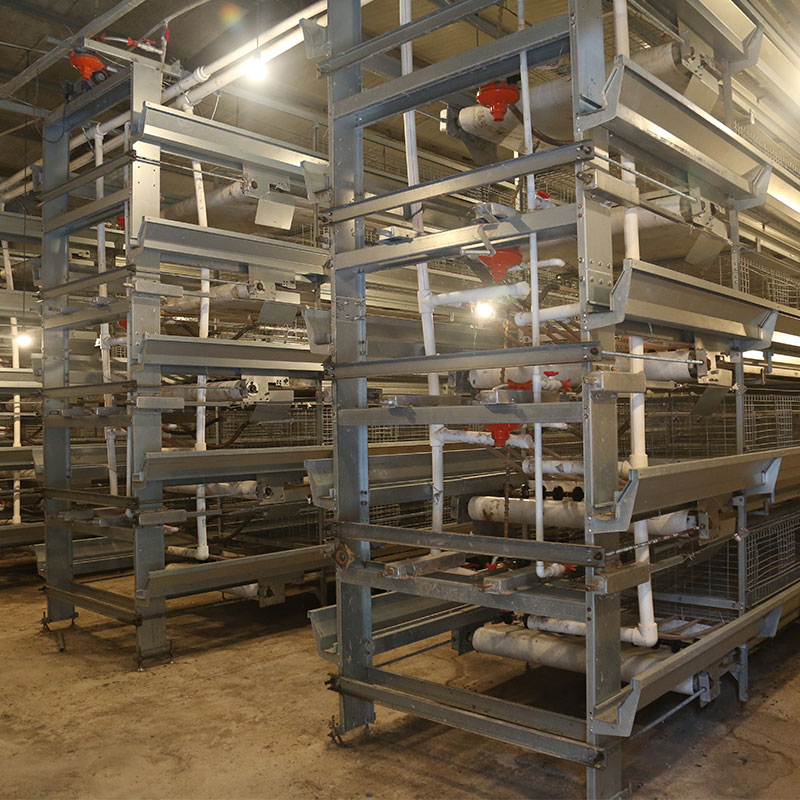
1. Drinking system include the water pipes, water pressure adjuster, drinking nipples, Waterline front-end device, dosing system etc, choose them according to customer's needs.
2. High-quality water drinking pipes, pressure regulating valves and water drinking nipples can effectively prevent the water leakage. Drinking system adopt the closed piping system, which can minimize the water pollution.
3. 360-degree drinking nipples provide adequate drinking water for poultry at all stages.
4. The automatic drinking water system mainly adopts the steel ball drinking nipple. lt uses imported high-grad stainless steel, POM resin, and APS engineering material, which is wearing resistant, and the durability can be used for long time.



1. Automatic feeding machine can be chosen between gantry and ladder feeding machine. Gantry type feeding machine is a relatively economical and practical machine with simple operation, remote control walking character, easy to manage.
2. Mechanical transmission device running smoothly, low noise, long service life.
3. With the use of automatic control, the feeding system can adjust the amount of material.
4. Feeding with arched structure, high carrying capacity, not easily deformed.
5. Saving man power, saving feed, greatly improving the efficiency of Large-scale farming.
6. The walking speed of gantry feeding machine is 9--12 m/min.




1. Manure removing system included scraper type and conveyor belt type, Which can reduce the labor intensity and labor cost, keep the chicken shed dry and clean.
2. A type chicken cage can use scraper type or conveyor belt type.


3. The scraper type is suitable for A type cages, which can clean two or three rows. For the starters, this type is a good choice. lt can not only save some labor cost, but also save some investment in the whole project. The cleaning speed is 6-10 meters per minute.
4. Conveyor belt type is more suitable for large scale farming. The manure removing belt we use is high quality PP material (polypropylene). The walking speed is 2-4 meters per minute.



High Quality Pellets Made by Mobile Pellet Machine
1. It has professional designed angle of the blade. After the dynamic balance test one by one, the blade can operate smoothly.
2. The air volume is consistent in the whole life of the fan. Bearings has advantage of high strength, low noise, durable and so on.
1. The cooling pads uses high-quality wet curtain paper and adopts space cross-linking technology, which has the advantages of high water absorption, high water resistance, anti-toxicity and long service life.
2. The cooling efficiency is over 80%, without surfactant, natural water absorption, fast diffusion speed and long-lasting effect.
3. The product does not contain phenol and other chemical substances that are easy to cause skin allergies. It is non-toxic and harmless to the human body and chicken when installed and used. It is green, safe, energy-saving, environmentally friendly, economical, and easy to install.
4. The frame aluminum alloy has high strength, good corrosion resistance, durability and beautiful appearance.
5. Use a special filter for the cooling pad at the upper water to ensure clean water quality and support efficient water circulation components.
6. Combined with a negative pressure fan, it can effectively lower the indoor temperature.
The window is made of special selected high-quality engineering plastic, with high strength and long service life, together with superior anti-aging and anti-UV performance.
Function: Ventilation of the chicken house, usually used in the winter.
This system can adjust the wind speed and direction, thus the cold air will not reach chicken directly , which can effectively prevent the phenomenon of cold stress in chicken.
Environmental control system equipment is suitable for large-scale and intensive farming. According to customer requirements, we can provide various types of smart poultry equipment.
1. Our poultry management system is a modular system that manages all aspects of the chicken house, such as climate, temperature, humidity, ammonia, feeding, feed weighing, lighting and ventilation systems, and can monitor the situation of the chicken house in real time through a computer and mobile phone.
2. The management computer is the heart of the poultry farm, allowing you to easily monitor the entire poultry farm.

 WeChat:+8617838608255