The Ultimate Guide to Chicken Brooding Cages: Setup, Benefits, and Best Practices
For every poultry farmer, whether a seasoned professional or a backyard enthusiast, the first few weeks of a chick's life are the most critical. This period, known as brooding, sets the foundation for the bird's future health, growth, and productivity. While traditional methods like heat lamps in open spaces are common, they come with significant risks and inefficiencies. Enter the chicken brooding cage—a purposebuilt system designed to provide a controlled, safe, and optimal environment for your young flock. This comprehensive guide will delve into everything you need to know about brooding cages: their undeniable benefits, how to choose and set one up correctly, and expert management practices to ensure your chicks thrive from day one.
A chicken brooding cage is a specialized enclosure used to house and protect chicks from hatch until they are fully feathered and ready to integrate into their permanent coop or growout system. Unlike simple boxes or open pens, a modern brooding cage is an integrated system that provides:
Controlled Environment: Precise management of temperature, humidity, and ventilation.
Safety: Protection from drafts, predators (including household pets), and accidental crushing.
Efficiency: Centralized access to feed and water, easy cleaning, and space optimization.
Health Management: Reduced disease transmission through containment and easier monitoring of individual birds.
It serves as a critical nursery where chicks' basic needs—warmth, feed, water, and safety—are met with maximum consistency.
Investing in a proper brooding system pays dividends throughout your flock's life cycle.
1. Dramatically Improved Survival Rates: By eliminating drafts and providing even heat distribution (avoiding dangerous hot/cold spots common with heat lamps), you prevent chilling—a leading cause of early chick mortality.
2. Enhanced Biosecurity: Containing chicks in a designated space minimizes their exposure to pathogens that may be present in older birds or the general environment. It acts as an effective quarantine zone.
3. Superior Growth Performance: Consistent temperature reduces stress. Chicks that are not expending energy to stay warm will direct more calories toward growth and development.
4. Efficient Resource Use: Brooders with builtin feeders and drinkers reduce feed waste (from scratching) and keep water cleaner longer. They also often allow for stacking (for larger operations), saving valuable floor space.
5. Ease of Management & Observation: Everything is within arm's reach. You can quickly check on all chicks' health status (activity level, droppings), refill supplies, and spot any issues like pasting up without disturbing the entire group excessively.
6. Safety First: Eliminates the severe fire hazard associated with hanging heat lamps over flammable bedding—a leading cause of barn fires.
A fully functional brooder is more than just walls. It integrates several key components:
The Enclosure/Cage Structure: Typically made of durable plastic for small units or galvanized steel wire for larger commercial brooders. It should have smooth surfaces to prevent injury.
Heat Source: This is nonnegotiable.
Brooder Lamps: Still popular but require extreme caution regarding height adjustment and fire safety.
Radiant Heat Plates: The gold standard for safety and efficiency. They mimic a mother hen by warming the chicks from above without drying out the air or posing a fire risk.
Electric Brooder Heaters: Enclosed heating elements ideal for larger cages.
Thermostat & Thermometer: A reliable thermometer at chick level is essential for manual checks. For optimal control (especially overnight), pair your heat source with a digital thermostat that automatically cycles it on/off to maintain your set temperature.
Proper Bedding/Litter: Absorbent material like pine shavings (never cedar—toxic fumes) or paper towels for the first couple of days provides traction for leg development soaks up moisture.
ChickSpecific Feeders & Waterers: Designed to prevent drowning accidents keep feed clean Use shallow trays initially then transition to small hanging or trough feeders
Ventilation: Often overlooked but vital Fresh air must circulate above chick level remove ammonia moisture without creating drafts on the birds themselves
Consider these factors before purchasing:
| Factor | Considerations | Small Flock (<25 chicks) | Medium/Large Flock (50+ chicks) |
| : | : | : | : |
| Size & Capacity | Allow 0 5 1 sq ft per chick initially More space reduces feather pecking risk | Simple plastic brooders or DIY stock tank setups work well | Multitiered battery brooders or large commercial singletier cages are necessary |
| Material | Durability ease of cleaning disinfecting Plastic is lightweight; metal is longlasting | Plastic often sufficient | Galvanized steel wire preferred for durability |
| Heat Source Integration | Does it have guards mounts? Is it compatible with thermostats? | May need separate lamp/plate setup | Look for models designed with integrated safe heating |
| Cleaning & Maintenance | Removable trays slideout droppings pans make daily upkeep manageable | Should be easy to empty wipe down daily deep clean between batches between batches between batches between batches between batches between batches between batches between batches between batches between batches between batches between batches between batches between batchesbetweenbatchesbetweenbatchesbetweenbatchesbetweenbatchesbetweenbatchesbetweenbatchesbetweenbatchesbetweenbatchesbetweenbatchesbetweenbatchesbetweenbatchesbetweenbatchesbetweenshould be easybetweenshould be easybetweenshould be easybetweenshould be easybetweenshould be easybetweenshould be easybetweenshould be easybetweenshould be easybetweenshould be easybetweenshould be easybetweenshould be easybetweenshould be easybetweenshould be easybettweenbettweenbettweenbettweenbettweenbettweenbettweenbettweenbettweenbettweenbettweenbettweenbettween |
DIY vs Commercial Cages: A DIY cage from repurposed materials can work but requires meticulous attention to safety spacing ventilation Commercial cages offer tested reliability features designed specifically for poultry health
Follow this checklist before your chicks arrive:
1. Location Location Location: Place the cage in a draftfree secure room like garage basement shed away from other adult poultry
2. Assemble Clean Disinfect: Set up per instructions Scrub every surface with poultrysafe disinfectant let dry completely
3. Install Heat Source: Set up your chosen heater Ensure radiant plates are at correct height lamps have secure guards
4. PreWarm: Turn on heat source at least 24 hours before chick arrival Aim for stable temperature at bedding level
5. Add Bedding: Spread absorbent litter evenly about depth
6. Place Feed Water: Fill feeders with starter crumbles not mash Fill waterers with lukewarm water Place them near but not directly under heat source Alternate placement encourage movement
7. Final Check: Verify temperature stability no drafts all sharp edges covered food water accessible
Your job begins once chicks are placed inside:
Temperature Management:
Week Temperature Guide:
Week F C)
Week F C)
Reduce by ~F C) each week thereafter Watch chick behavior huddled under heater too hot; spread out edges avoiding heat too cold; panting huddled away too hot)
Nutrition Water:
Provide highquality starter crumbles protein minimum fresh clean water always Add electrolytes vitamins first days reduce stress Consider adding probiotic supplement gut health
Lighting Schedule:
hours light day first week encourages feeding activity Gradually reduce natural day length by weeks prevent early laying pullets)
Daily Health Checks Routine Cleaning:
Observe activity levels alertness Remove wet soiled bedding daily top up fresh litter Clean refill waterers daily Scrape manure trays frequently Deep clean entire unit thoroughly after each batch)
Chicks ready move permanent coop when they fully feathered approximately weeks old ambient temperatures match nighttime lows coop can maintain above F C)
Transition gradually:
1 Stop supplemental heat few days while still brooder ensure they coping
2 Move them coop mild afternoon let them explore few hours return brooder night Repeat couple days
3 Finally leave them coop permanently ensure roosts low enough access provide same feed water temporarily ease stress)
Q How long do chicks need stay in brooder cage
A Typically weeks until they completely feathered can regulate own body temperature Depends breed weather Always prioritize being fully feathered over specific timeline)
Q What ideal temperature start chicks brooder
A Start at F C) at chick level directly under heat source Reduce approximately degrees F per week until matching ambient temperature)
Q Can use cardboard box instead dedicated brooder cage
A For handful chicks short term yes But lacks safety durability proper ventilation dedicated cage Not recommended beyond first week due fire risk messiness inability contain growth)
Q How often should clean brooder cage
A Perform spot cleaning remove wet bedding droppings daily Complete teardown deep cleaning disinfection required after each batch prevent disease buildup)
Q How prevent pasty butt chicks brooder
A Ensure proper temperature not too hot cold Stress dehydration main causes Check vents cloaca daily gently clean warm damp cloth if pasting occurs Adding teaspoon apple cider vinegar gallon drinking water can help)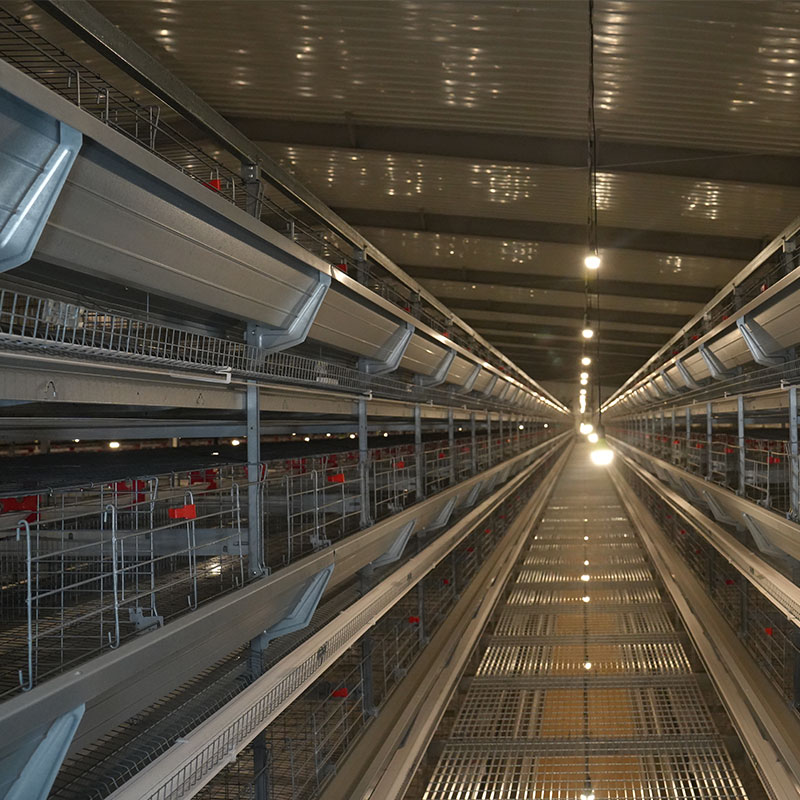
Q Should use wire floor solid floor brooder
A For first days solid floor bedding recommended allow leg muscle development Commercial brooders often use wire floors manure collection trays which excellent hygiene but must have correct gauge spacing prevent foot injuries Provide solid mat area initially)
Q Can brood different age chicks same cage
A Strongly discouraged Different age groups require different temperatures risk spreading diseases Older birds may bully younger ones Always practice allin/allout management)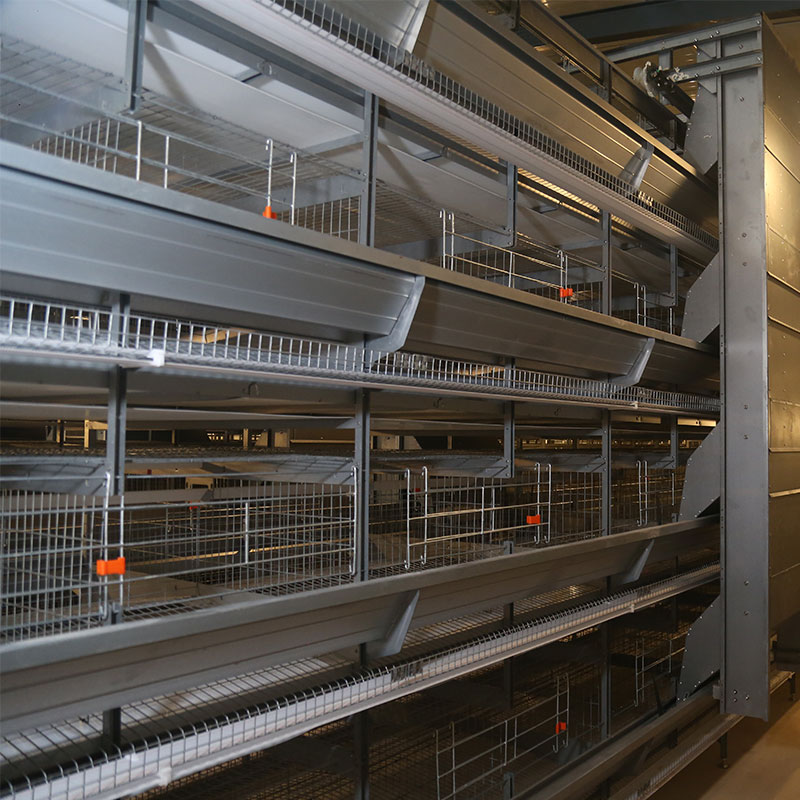
Q How provide adequate ventilation without creating draft
A Ventilation openings should above height chicks This allows ammonia carbon dioxide escape fresh air enter without direct wind blowing on birds themselves Observe if chicks huddle away from particular side may indicate draft issue)
Q What size brooder cage need for X number chickens
A General rule thumb provide square foot per chick start However more space always better reduces stress behavioral issues Plan square foot per bird minimum if keeping them longer weeks)
Q Can integrate automatic feeders waterers small brooder setup
A Yes many small nipple cup watering systems mini automatic feeders suitable brooders Ensure chicks taught use nipple drinkers initially by triggering pin few times Proper hydration critical from start)
1. Drinking system include the water pipes, water pressure adjuster, drinking nipples, Waterline front-end device, dosing system etc, choose them according to customer's needs.
2. High-quality water drinking pipes, pressure regulating valves and water drinking nipples can effectively prevent the water leakage. Drinking system adopt the closed piping system, which can minimize the water pollution.
3. 360-degree drinking nipples provide adequate drinking water for poultry at all stages.
4. The automatic drinking water system mainly adopts the steel ball drinking nipple. lt uses imported high-grad stainless steel, POM resin, and APS engineering material, which is wearing resistant, and the durability can be used for long time.



1. Automatic feeding machine can be chosen between gantry and ladder feeding machine. Gantry type feeding machine is a relatively economical and practical machine with simple operation, remote control walking character, easy to manage.
2. Mechanical transmission device running smoothly, low noise, long service life.
3. With the use of automatic control, the feeding system can adjust the amount of material.
4. Feeding with arched structure, high carrying capacity, not easily deformed.
5. Saving man power, saving feed, greatly improving the efficiency of Large-scale farming.
6. The walking speed of gantry feeding machine is 9--12 m/min.




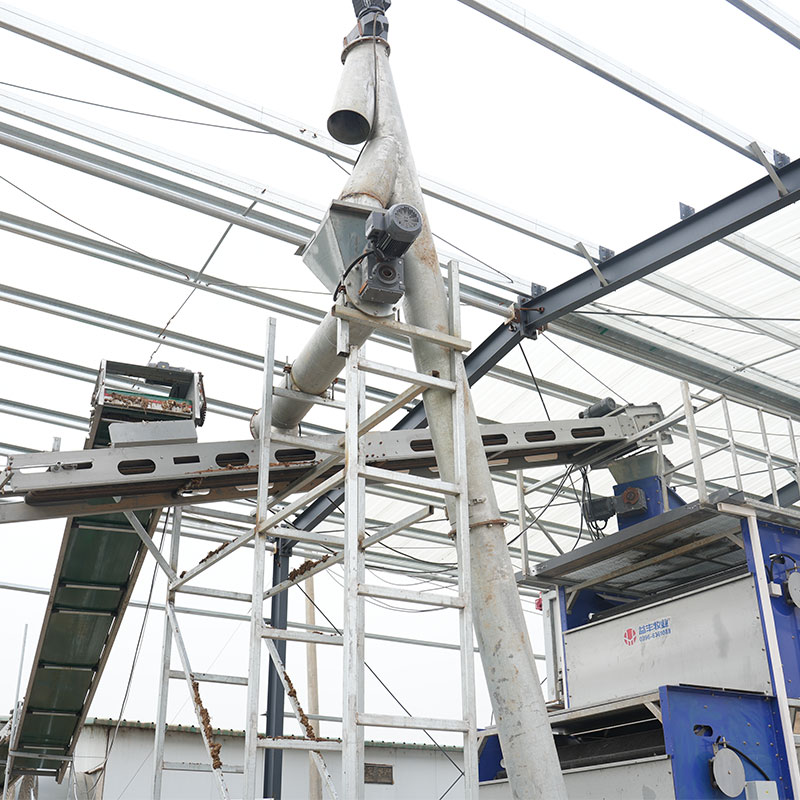
1. Manure removing system included scraper type and conveyor belt type, Which can reduce the labor intensity and labor cost, keep the chicken shed dry and clean.
2. A type chicken cage can use scraper type or conveyor belt type.


3. The scraper type is suitable for A type cages, which can clean two or three rows. For the starters, this type is a good choice. lt can not only save some labor cost, but also save some investment in the whole project. The cleaning speed is 6-10 meters per minute.
4. Conveyor belt type is more suitable for large scale farming. The manure removing belt we use is high quality PP material (polypropylene). The walking speed is 2-4 meters per minute.



High Quality Pellets Made by Mobile Pellet Machine
1. It has professional designed angle of the blade. After the dynamic balance test one by one, the blade can operate smoothly.
2. The air volume is consistent in the whole life of the fan. Bearings has advantage of high strength, low noise, durable and so on.
1. The cooling pads uses high-quality wet curtain paper and adopts space cross-linking technology, which has the advantages of high water absorption, high water resistance, anti-toxicity and long service life.
2. The cooling efficiency is over 80%, without surfactant, natural water absorption, fast diffusion speed and long-lasting effect.
3. The product does not contain phenol and other chemical substances that are easy to cause skin allergies. It is non-toxic and harmless to the human body and chicken when installed and used. It is green, safe, energy-saving, environmentally friendly, economical, and easy to install.
4. The frame aluminum alloy has high strength, good corrosion resistance, durability and beautiful appearance.
5. Use a special filter for the cooling pad at the upper water to ensure clean water quality and support efficient water circulation components.
6. Combined with a negative pressure fan, it can effectively lower the indoor temperature.
The window is made of special selected high-quality engineering plastic, with high strength and long service life, together with superior anti-aging and anti-UV performance.
Function: Ventilation of the chicken house, usually used in the winter.
This system can adjust the wind speed and direction, thus the cold air will not reach chicken directly , which can effectively prevent the phenomenon of cold stress in chicken.
Environmental control system equipment is suitable for large-scale and intensive farming. According to customer requirements, we can provide various types of smart poultry equipment.
1. Our poultry management system is a modular system that manages all aspects of the chicken house, such as climate, temperature, humidity, ammonia, feeding, feed weighing, lighting and ventilation systems, and can monitor the situation of the chicken house in real time through a computer and mobile phone.
2. The management computer is the heart of the poultry farm, allowing you to easily monitor the entire poultry farm.

 WeChat:+8617838608255