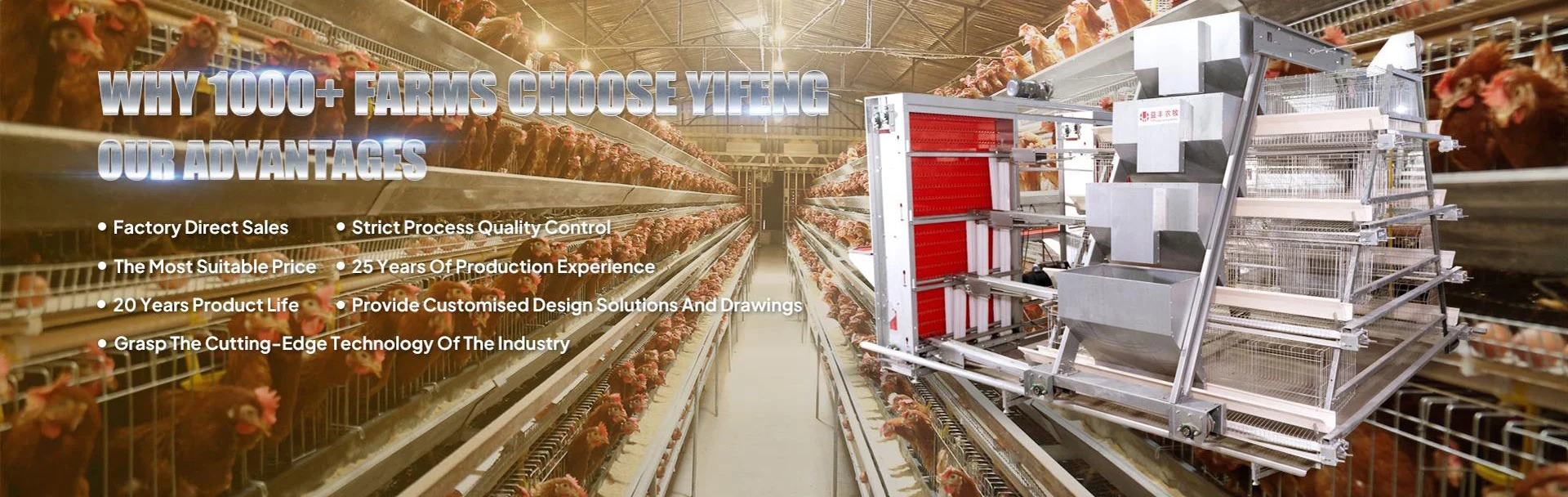
For poultry farmers, from smallscale homesteaders to large commercial operations, the choice of housing is one of the most critical decisions impacting productivity, animal welfare, and operational efficiency. The layer chicken cage system stands as a dominant solution worldwide, but it’s surrounded by questions about best practices, ethics, and optimization. This comprehensive guide delves deep into the world of layer cages, moving beyond basic descriptions to provide actionable insights for making informed, responsible choices that align with your farming goals and values.
A layer chicken cage is a specialized housing system designed to confine egglaying hens in an organized, spaceefficient manner. Its primary purpose is to create a controlled environment that maximizes egg production efficiency, protects hens from predators and soilborne diseases, simplifies feeding/watering management, and facilitates egg collection. Modern cage systems are engineered with hen biology and farmer ergonomics in mind.
Cage Frame: Typically galvanized steel for durability and corrosion resistance.
Flooring: Sloped wire mesh allowing eggs to roll away gently to the collection area.
Egg RollOut Tray: A dedicated channel where eggs collect safely.
Feed Trough: Runs along the front of the cage for easy access.
Nipple Drinking System: Provides clean, ondemand water with minimal waste.
Manure Collection System: Either belts underneath or deep pits for regular removal.
Not all cages are created equal. The system you select depends on your scale, budget, labor availability, and welfare priorities.
The longstanding standard. These are rows of interconnected cages arranged in tiers.
Pros: Maximum space efficiency (birds/sq. ft.), lowest initial cost per bird, highly automated potential, simplified bird management and monitoring.
Cons: Severely restricted movement (cannot spread wings fully), inability to perform natural behaviors (perching, dustbathing), significant public and retailer scrutiny due to welfare concerns. Banned or being phased out in the EU, UK, and other regions.
Designed as a welfareimproved alternative. They provide more space per hen than conventional cages and include essential "furnishings."
Key Furnishings: A perch for roosting, a scratch mat or area for foraging/dustbathing, a private nesting area for egglaying.
Pros: Allows expression of more natural behaviors while retaining many management benefits of caging (disease control, automated feeding). Often complies with evolving welfare standards (e.g., Certified Humane®).
Cons: Higher cost per bird than conventional cages; still restricts full freedom of movement compared to noncage systems.
While not "cages" in the traditional sense, they are a critical point of comparison. Hens have free movement within a large barn with multiple levels equipped with perches, nests (often rollaway nests function similarly to cage systems), and litter areas.
Pros: Highest level of behavioral freedom aligned with hen welfare preferences.
Cons: Higher risk of feather pecking/cannibalism requiring beak trimming; more complex disease/parasite management; higher labor needs; greater feed consumption; risk of floor eggs.
Choosing a cage type is just the start. Proper design details determine success.
This is the single most debated factor. Insufficient space leads to stress,increased aggression,and poorer bone health.
Industry Minimums vs. Welfare Standards: While local laws set minimums (e.g., 432 cm²/hen in some places), higherwelfare programs demand more (e.g., 750 cm²/hen or more). More space consistently improves key welfare indicators.
A slope between 710 degrees is standard. Too steep can cause foot injuries and stress; too shallow leads to eggs remaining in the cage where they can be pecked or dirty.
Automation is key for consistency.
Feed: Ensure trough space so all hens can eat simultaneously (~10cm/bird). Use proper feed formulations for layers at different ages.
Water: Nipple drinkers must be at correct height (eyelevel) and provide adequate flow rate (>70ml/min). Check daily for blockages—water deprivation has immediate catastrophic effects on production.
Effective removal is crucial for air quality (ammonia control) and disease prevention.
Manure Belts: Removed frequently (daily/weekly), drier manure.
Deep Pit: Manure accumulates over flock cycle; requires powerful ventilation to manage moisture and gases.
| Advantages | Challenges & Mitigations |
| : | : |
| Higher Egg Production & Feed Efficiency: Controlled environment reduces energy expenditure on unnecessary movement or temperature regulation.|Hen Welfare Concerns: Mitigate by choosing enriched cages with adequate space/furnishings; adhere to highest welfare standards you can afford.|
|Superior Disease & Parasite Control: Separation from manure drastically reduces worm loads and bacterial exposure.|Osteoporosis & Bone Weakness: Provide diets high in available calcium/phosphorus; ensure proper perch design in enriched systems to encourage activity that strengthens bones.|
|Reduced Mortality & Cannibalism: Less aggressive pecking due to separation; easier identification/sick bird removal.|Feather Wear & Damage: Can occur from contact with cage wires.Use highquality galvanized coatingand ensure adequate space per hen|
|Labor Efficiency & Automation: Automated feeding watering egg collection manure belts slash daily labor costs.|Public Perception& Market Access:Consumer demand is shifting.Consider marketing your eggs as "Enriched Colony"or transitioning partiallyto meet buyer requirements|
1. Pullet Preparation: Birds must be raised specifically for caged environments.Train them on nipple drinkers before transferand ensure they have strong skeletal development through nutritionand exercise during rearing
2. Lighting Program:Use controlled lighting(16 hours light8 dark)to stimulate consistent laying.Avoid sudden changes which can cause stressor force molting(which is bannedin many areas)
3 .Air Quality Management:Ammonia levels must remain below25 ppm.Investin robust tunnel ventilationwith temperaturecontrolled fansand air inlets
4 .Regular Inspections:Twicedaily walksare nonnegotiable.Checkfor trapped birdsdead birdsmalfunctioning equipmentwater flowfeed levelsand egg collection issues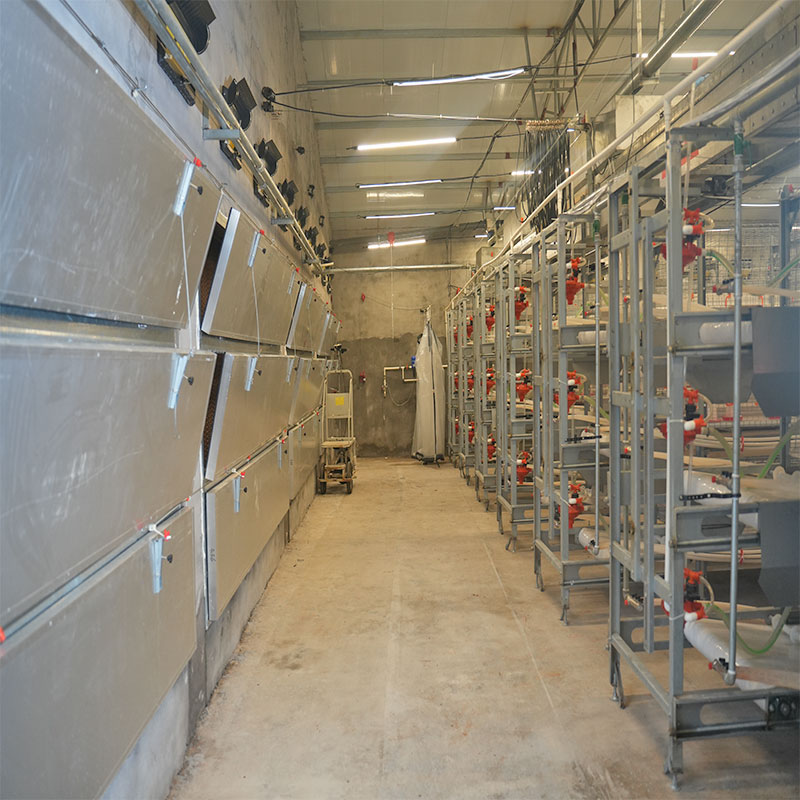
The trajectoryfor layer housingis clear towards systemsthat offer greater behavioral freedom.The enriched colony cage representsa significant compromisebalancingwelfare gainswith economic realityfor many producers.Ultimatelythe "best"system depends on your specific context:market accesscapitalavailabilitylabor skill setand personal ethics.Regardlessof choicecommitto implementingthe highest standardsof managementwithin that systembecausea wellmanagedconventionalcagecan providbetter hen outcomesthana poorly managedfreerangebarn
Investing timein understandingthe nuancesof layer chicken cagenot only optimizesyour operationbut also ensuresyou are partof responsiblesustainableegg productionthat meets evolving societal expectations
Q1: What is the recommended space requirement per hen in a layer cage?
While legal minimums vary globally,a common minimumis 432 square centimetersper hen(about67 square inches).Howeverhigherwelfare standardslike Certified Humane® requireat least750 cm²(116 sq.in.)in enriched coloniesAlways aimfor themost spaceyour systemand budgetcan accommodateas it directly impactshen healthand stresslevels
Q2: Are battery cages illegal?
In many jurisdictionsyes.The European Unionbannedconventionalbattery cagesin2012.The UKCanadaAustraliaand several US stateshave similar bansor are phasingthem out.It's crucialto checkyour localagriculturalregulationsbefore investingin anyequipment
Q3: What are furnishedor enriched colony cages?
Theyare modifiedcage systemsthat providemore spacethan conventionalcagesandincludefurnishings:a perchscratch mat/areafor foragingand dustbathinganda secludednest boxThese elementsallowhens to expresscore naturalbehaviorswhile retainingthe healthand managementbenefitsof acaged environment
Q4: Do chickens sufferin cages?
Thisis complexandsystemdependent.Hensin severely crampedconventionalcageswith no enrichmentsufferfrom frustrationan inabilityto perform natural behaviorsand physicalailmentslike weakbonesEnrichedsystemswith adequatespacemitigatemanyof these issuesThe levelof sufferingis significantlyreducedby good designstocking densityand excellentstockmanship
Q5: What are the main advantagesof usinglayer cagesover freerange systems?
Key advantagesinclude:dramaticallylower riskof infectiousdiseasesand parasites(birdsseparatedfrom manure)easier monitoringof individualbird healthhigher feedefficiency(lowermovement=lowercalorie need)reducedincidenceof featherpecking/cannibalismlower laborcoststhrough automationandeasier eggcollectionwith cleaner eggs
Q6: How do I prevent brittle bones(osteoporosis)in caged layers?
Providea dietformulatedspecificallyfor layerswith highbioavailablecalcium(especiallyduring lateafternoonfor overnighteggshell formation)Usingenrichedcageswith sturdyperchesencouragesactivitythat strengthensbonesSelectgeneticlinesbredfor goodbone strengthunder housingconditionsSome producersalso usedietarysupplementslike VitaminD3to aidcalciumabsorption
Q7: What type of watering systemis bestfor layercages?
Closednippledrinkingsystemsare universallyrecommendedTheykeep watercleanreduce spillage(keepingmanure drier)and minimize disease transmissionEnsure nipplesare at properheight(bird'seye level)and provideadequatewater pressure(>70ml/minper nipple)Checkthem dailyfor clogs
Q8: How often should manurebe removedfrom under cagedsystems?
For manurebelt systemsdailyor everyother dayremovalis idealpreventingammoniabuildupFor deeppit systemsstrong continuousventilationis criticalto drythe manureRemovaltypicallyhappensonly afterthe entireflockis depopulated
Q9: Can I automatethe feedingprocessin layercages?
AbsolutelyMost moderncommercialcage systemsuse automatedchainor augerfeed deliverysystemsTheyrunon timersensuringfreshfeedis availableconsistentlythroughoutthedaywhichis vitalfor steadyproductionThis alsoreduceslaborcostssignificantly
Q10:What happensif aneggets stuckor laid outsidethe rollouttray?
Stuckeggs(often dueincorrectfloorslopeor damagedwire)risk beingeatenbyhens(eggeatinghabit)or becomingdirtyRegularwalksto collecttheseeggsandinspectfloorconditionare essentialEggslaid inthe walkway("floor eggs")area signof nestboxissuesinenrichedsystemsornoncagedesignproblems
Q11:Arethere alternativesto traditionalwire floorsoften criticizedfor foot problems?
YesSome producersuse plasticcoatedwire floorsorfootfriendlyplastic matsinthe restingareasThesecan improvedfoot padhealthandreducesoresHowevertheymustbe designednotto impedethe crucialeggrolloutfunction
Q12:Whatisthe lifespan/layingcycleofahenina commercialcage system?
A typicallayingcyclelastsabout7280weeksfrom pointoflay(~18weeksold)Aftersuch timeproductiondeclinesanda molt(naturalor induced)mayoccurMany commercialflocksare replacedafterone cycleSome enrichedorsmallersystemsmaykeephens fora secondlayingcycle
1. Drinking system include the water pipes, water pressure adjuster, drinking nipples, Waterline front-end device, dosing system etc, choose them according to customer's needs.
2. High-quality water drinking pipes, pressure regulating valves and water drinking nipples can effectively prevent the water leakage. Drinking system adopt the closed piping system, which can minimize the water pollution.
3. 360-degree drinking nipples provide adequate drinking water for poultry at all stages.
4. The automatic drinking water system mainly adopts the steel ball drinking nipple. lt uses imported high-grad stainless steel, POM resin, and APS engineering material, which is wearing resistant, and the durability can be used for long time.



1. Automatic feeding machine can be chosen between gantry and ladder feeding machine. Gantry type feeding machine is a relatively economical and practical machine with simple operation, remote control walking character, easy to manage.
2. Mechanical transmission device running smoothly, low noise, long service life.
3. With the use of automatic control, the feeding system can adjust the amount of material.
4. Feeding with arched structure, high carrying capacity, not easily deformed.
5. Saving man power, saving feed, greatly improving the efficiency of Large-scale farming.
6. The walking speed of gantry feeding machine is 9--12 m/min.




1. Manure removing system included scraper type and conveyor belt type, Which can reduce the labor intensity and labor cost, keep the chicken shed dry and clean.
2. A type chicken cage can use scraper type or conveyor belt type.


3. The scraper type is suitable for A type cages, which can clean two or three rows. For the starters, this type is a good choice. lt can not only save some labor cost, but also save some investment in the whole project. The cleaning speed is 6-10 meters per minute.
4. Conveyor belt type is more suitable for large scale farming. The manure removing belt we use is high quality PP material (polypropylene). The walking speed is 2-4 meters per minute.



High Quality Pellets Made by Mobile Pellet Machine
1. It has professional designed angle of the blade. After the dynamic balance test one by one, the blade can operate smoothly.
2. The air volume is consistent in the whole life of the fan. Bearings has advantage of high strength, low noise, durable and so on.
1. The cooling pads uses high-quality wet curtain paper and adopts space cross-linking technology, which has the advantages of high water absorption, high water resistance, anti-toxicity and long service life.
2. The cooling efficiency is over 80%, without surfactant, natural water absorption, fast diffusion speed and long-lasting effect.
3. The product does not contain phenol and other chemical substances that are easy to cause skin allergies. It is non-toxic and harmless to the human body and chicken when installed and used. It is green, safe, energy-saving, environmentally friendly, economical, and easy to install.
4. The frame aluminum alloy has high strength, good corrosion resistance, durability and beautiful appearance.
5. Use a special filter for the cooling pad at the upper water to ensure clean water quality and support efficient water circulation components.
6. Combined with a negative pressure fan, it can effectively lower the indoor temperature.
The window is made of special selected high-quality engineering plastic, with high strength and long service life, together with superior anti-aging and anti-UV performance.
Function: Ventilation of the chicken house, usually used in the winter.
This system can adjust the wind speed and direction, thus the cold air will not reach chicken directly , which can effectively prevent the phenomenon of cold stress in chicken.
Environmental control system equipment is suitable for large-scale and intensive farming. According to customer requirements, we can provide various types of smart poultry equipment.
1. Our poultry management system is a modular system that manages all aspects of the chicken house, such as climate, temperature, humidity, ammonia, feeding, feed weighing, lighting and ventilation systems, and can monitor the situation of the chicken house in real time through a computer and mobile phone.
2. The management computer is the heart of the poultry farm, allowing you to easily monitor the entire poultry farm.

 WeChat:+8617838608255