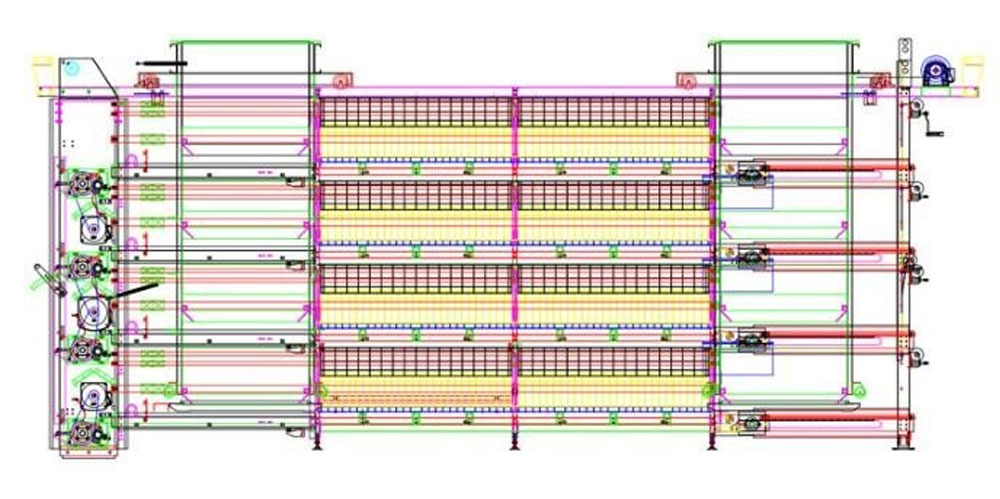
Understanding the Cost of Layer Cages for Poultry Farmers
Poultry farmers know that investing in the right layer cage system directly impacts productivity, bird welfare, and long-term profitability. The cost of layer cages isn’t just about the initial price tag—it includes durability, maintenance, bird performance, and labor efficiency. Choosing the wrong system can lead to higher replacement costs, lower egg production, or increased disease risks.
This article breaks down the factors influencing layer cage costs, compares different systems, and helps farmers make informed decisions based on their flock size, budget, and operational goals.
Factors Affecting Layer Cage Costs
1. Material and Construction Quality
Not all cages are built the same. Galvanized steel cages resist rust and last longer than untreated wire mesh, especially in humid climates. A farmer in Nigeria, for example, might pay more upfront for hot-dipped galvanized cages but avoid replacing them every few years due to corrosion.
Thicker gauge wire (measured in millimeters) withstands pecking and bending better than thinner wire. A cage made with 2mm wire may cost 15% more than one with 1.5mm wire, but it won’t sag under the weight of hens after a year.
2. Cage Design and Tier Configuration
Layer cages come in A-frame, H-frame, or battery configurations, each affecting space, ventilation, and labor efficiency.
- A-Frame Cages – Common in small-scale setups, these allow easy manure collection but limit the number of birds per square foot. A 500-bird farm using A-frames may need more floor space than one using stacked battery cages.
- Battery Cages (Stacked Systems) – These maximize vertical space, reducing the building footprint. A farmer with 5,000 birds can fit them in a smaller shed with battery cages, cutting construction costs. However, ventilation must be optimized to prevent heat stress in lower tiers.
- H-Frame Cages – A middle-ground option, these provide better manure management than battery cages but take up more space.
3. Stocking Density and Bird Welfare
Higher stocking densities reduce cage costs per bird but can hurt egg production if birds are overcrowded. European Union regulations mandate at least 750 cm² per hen, while some African and Asian markets allow 450–550 cm².
A farmer in Kenya using high-density cages (4 birds per cage) might save on initial costs but see a 5–10% drop in egg output due to stress. Investing in slightly larger cages could pay off in higher production and fewer mortalities.
4. Automation and Labor Costs
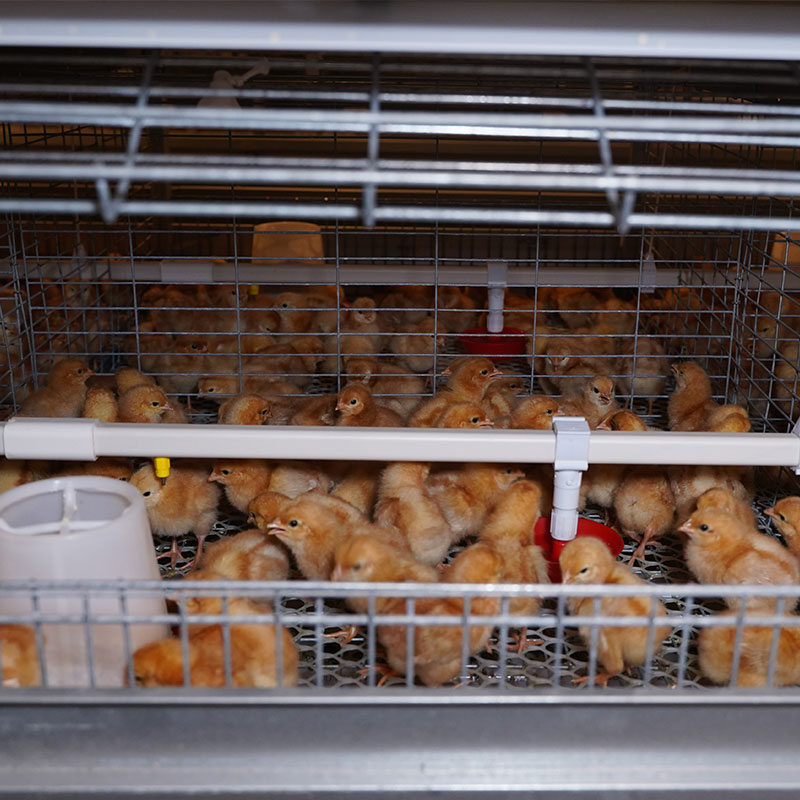
Manual feeding and egg collection require more workers, increasing long-term expenses. Semi-automated systems with nipple drinkers and feed troughs reduce labor needs.
A Ghanaian farm with 10,000 layers might spend $12,000 on basic cages but $20,000 on automated ones. However, the automated system could cut labor costs by 30%, paying for itself in two years.
5. Manure Management Systems
Manure buildup increases ammonia levels, leading to respiratory issues. Some cages include scrapers or conveyor belts to remove waste automatically. A Ugandan farm without proper manure handling might spend extra on ventilation or face higher bird mortality rates.
6. Local Availability vs. Import Costs
Buying locally saves on shipping and import duties. A Tanzanian farmer importing cages from China may pay 25% more after tariffs and freight. However, if local manufacturers use inferior materials, imported cages could still be more cost-effective long-term.
Comparing Layer Cage Systems by Price Range
1. Basic Wire Cages (Low-Cost Option)
- Price: $3–$6 per bird
- Best for: Small farms (under 1,000 birds) or startups with tight budgets
- Trade-offs: Shorter lifespan (5–7 years), higher maintenance
A Rwandan farmer with 500 layers might spend $2,500 on basic cages but replace them sooner than a farmer who invested in galvanized steel.
2. Galvanized Steel Battery Cages (Mid-Range)
- Price: $7–$12 per bird
- Best for: Medium farms (1,000–10,000 birds)
- Trade-offs: Higher upfront cost but lasts 10+ years
A Nigerian farm with 5,000 birds could spend $50,000 on these cages but avoid replacements for a decade.

3. Fully Automated Systems (Premium)
- Price: $15–$25 per bird
- Best for: Large commercial farms (10,000+ birds)
- Trade-offs: High initial investment but lower labor costs
A South African producer with 50,000 layers might invest $1 million in automation but save $100,000 annually in labor.
Hidden Costs Farmers Often Overlook
1. Installation and Setup
Some suppliers exclude installation fees. A Zambian farmer might budget $10,000 for cages but spend an extra $2,000 on assembly.
2. Maintenance and Repairs
Cheaper cages require frequent fixes. A Malawian farm using low-grade wire might spend $500 yearly on repairs, while galvanized cages need minimal upkeep.
3. Energy and Water Usage
Automated systems use electricity for feeders and lights. A Botswanan farm with unreliable power may need a backup generator, adding to costs.
How to Choose the Right System for Your Farm
1. Calculate ROI, Not Just Price – A $15,000 system that lasts 15 years is cheaper per year than a $10,000 system lasting 7 years.
2. Prioritize Bird Health – Overcrowding cuts egg production. Spending an extra $1 per bird on space can yield more eggs.
3. Consider Expansion – Modular systems let farmers add cages later without redesigning the entire house.
Final Thoughts
The cheapest cages aren’t always the most economical. Farmers must weigh durability, bird welfare, and labor savings against initial expenses. Investing in quality cages improves efficiency, reduces long-term costs, and ensures consistent egg production.
1. Drinking system include the water pipes, water pressure adjuster, drinking nipples, Waterline front-end device, dosing system etc, choose them according to customer's needs.
2. High-quality water drinking pipes, pressure regulating valves and water drinking nipples can effectively prevent the water leakage. Drinking system adopt the closed piping system, which can minimize the water pollution.
3. 360-degree drinking nipples provide adequate drinking water for poultry at all stages.
4. The automatic drinking water system mainly adopts the steel ball drinking nipple. lt uses imported high-grad stainless steel, POM resin, and APS engineering material, which is wearing resistant, and the durability can be used for long time.



1. Automatic feeding machine can be chosen between gantry and ladder feeding machine. Gantry type feeding machine is a relatively economical and practical machine with simple operation, remote control walking character, easy to manage.
2. Mechanical transmission device running smoothly, low noise, long service life.
3. With the use of automatic control, the feeding system can adjust the amount of material.
4. Feeding with arched structure, high carrying capacity, not easily deformed.
5. Saving man power, saving feed, greatly improving the efficiency of Large-scale farming.
6. The walking speed of gantry feeding machine is 9--12 m/min.




1. Manure removing system included scraper type and conveyor belt type, Which can reduce the labor intensity and labor cost, keep the chicken shed dry and clean.
2. A type chicken cage can use scraper type or conveyor belt type.


3. The scraper type is suitable for A type cages, which can clean two or three rows. For the starters, this type is a good choice. lt can not only save some labor cost, but also save some investment in the whole project. The cleaning speed is 6-10 meters per minute.
4. Conveyor belt type is more suitable for large scale farming. The manure removing belt we use is high quality PP material (polypropylene). The walking speed is 2-4 meters per minute.



High Quality Pellets Made by Mobile Pellet Machine
1. It has professional designed angle of the blade. After the dynamic balance test one by one, the blade can operate smoothly.
2. The air volume is consistent in the whole life of the fan. Bearings has advantage of high strength, low noise, durable and so on.
1. The cooling pads uses high-quality wet curtain paper and adopts space cross-linking technology, which has the advantages of high water absorption, high water resistance, anti-toxicity and long service life.
2. The cooling efficiency is over 80%, without surfactant, natural water absorption, fast diffusion speed and long-lasting effect.
3. The product does not contain phenol and other chemical substances that are easy to cause skin allergies. It is non-toxic and harmless to the human body and chicken when installed and used. It is green, safe, energy-saving, environmentally friendly, economical, and easy to install.
4. The frame aluminum alloy has high strength, good corrosion resistance, durability and beautiful appearance.
5. Use a special filter for the cooling pad at the upper water to ensure clean water quality and support efficient water circulation components.
6. Combined with a negative pressure fan, it can effectively lower the indoor temperature.
The window is made of special selected high-quality engineering plastic, with high strength and long service life, together with superior anti-aging and anti-UV performance.
Function: Ventilation of the chicken house, usually used in the winter.
This system can adjust the wind speed and direction, thus the cold air will not reach chicken directly , which can effectively prevent the phenomenon of cold stress in chicken.
Environmental control system equipment is suitable for large-scale and intensive farming. According to customer requirements, we can provide various types of smart poultry equipment.
1. Our poultry management system is a modular system that manages all aspects of the chicken house, such as climate, temperature, humidity, ammonia, feeding, feed weighing, lighting and ventilation systems, and can monitor the situation of the chicken house in real time through a computer and mobile phone.
2. The management computer is the heart of the poultry farm, allowing you to easily monitor the entire poultry farm.

 WeChat:+8617838608255