For poultry farmers, the physical infrastructure of a farm is not just a boundary; it is a critical management tool that influences animal welfare, operational efficiency, and long-term profitability. The choice of fencing and enclosure material is a foundational decision, one that reverberates through daily chores, bird health, and the balance sheet. While traditional materials like welded wire or chicken wire have been staples for generations, a modern alternative has emerged that addresses many of their inherent shortcomings: customized HDPE, PP, and PE plastic wire mesh netting.
This material represents a significant evolution in poultry farming hardware. Rather than being a one-size-fits-all product, its value is unlocked through customization—tailoring the mesh’s dimensions, color, and overall structure to the specific needs of different poultry groups and farm layouts. Understanding the properties of the base polymers is key to appreciating its advantages.
The Material Science: HDPE, PP, and PE in the Field
High-Density Polyethylene (HDPE), Polypropylene (PP), and Polyethylene (PE) are not just acronyms on a spec sheet; they are different recipes for creating plastic with distinct characteristics. A farmer can think of them in terms of common farm plastics.
HDPE is the material used for heavy-duty feed tubs and chemical containers. It is renowned for its exceptional strength and resistance to impact. In mesh form, this translates to a fence that can withstand the occasional bump from a feeding cart or the pressure of birds crowding against it without deforming or breaking. It is also highly resistant to moisture absorption, meaning it won't become waterlogged and heavy or degrade from constant exposure to humid coop environments.
Polypropylene (PP) is the plastic of syringe cases and lightweight buckets. It is exceptionally stiff and has a high resistance to fatigue, meaning it can be flexed back and forth repeatedly without weakening. For a mesh netting, this property is invaluable in applications like partition walls or gates that are frequently opened and closed. It maintains its shape under tension better than some other plastics.
Polyethylene (PE) is a broader category, with HDPE being a type of it. Lower-density PE is more flexible, similar to a squeezable bottle. In mesh blends, this flexibility can be engineered to create a netting that gives slightly upon impact, which is particularly useful for protecting young chicks from injury if they flutter into the enclosure walls.
These polymers are extruded into thin, strong strands and then woven or knitted into a unified mesh sheet. This manufacturing process is what allows for a high degree of customization, creating a product that is far more than a simple barrier.
Superiority Over Traditional Meshes: A Practical Comparison
The shortcomings of galvanized welded wire mesh and classic chicken wire are familiar pains for many farmers. Galvanized wire is strong but prone to rust, especially at the cut ends where the protective zinc coating is compromised. Over time, this rust weakens the structure, creates sharp, hazardous burrs that can injure birds and farmers, and stains the surrounding area. In a corrosive atmosphere rich with ammonia from manure and moisture, its lifespan is considerably shortened.
Chicken wire, or hexagonal netting, offers minimal structural integrity. It is easily bent, crushed, and torn. A determined predator like a raccoon can rip through it with ease, and it provides little resistance to the weight of a bird leaning against it, often sagging and losing its intended shape.
Plastic polymer mesh directly confronts these failures. Its inherent resistance to corrosion is total; it is immune to rust, rot, and degradation from ammonia and other volatile compounds present in poultry houses. There are no sharp edges, even when cut with a simple utility knife. The flexibility of the material means it can absorb impacts that would permanently dent metal wire. A farmer installing a plastic mesh fence does not need gloves to protect their hands from cuts, and they will not find their birds with scratches or torn feathers from poorly finished wire ends.
The Power of Customization: Designing a System That Works for You
The term "customized" is the cornerstone of this product's value proposition. It moves the mesh from being a commodity to a precision tool.
Mesh Size and Strand Thickness: This is the most critical customization. For broiler chickens, a larger mesh size might be acceptable for main enclosures, but for day-old chicks, a small, tight mesh of approximately 1/2 inch is essential to prevent escape and protect them from drafts. Conversely, for larger species like turkeys, a heavier, thicker strand with a correspondingly larger opening provides the necessary strength without visual obstruction. The thickness of the individual plastic strands, known as the gauge, determines the mesh's rigidity and resistance to pecking and pulling.
Color: Color is not merely an aesthetic choice; it has behavioral and practical implications. A hunter green or black mesh can blend into outdoor environments, reducing the visual impact of the fence and potentially making the enclosure feel more natural to the birds. Bright colors like orange or red are highly visible, making them ideal for marking temporary partitions, dangerous areas, or training boundaries for free-range flocks. Lighter colors, such as white or light grey, reflect heat and light within a coop, helping to maintain a cooler and brighter environment without the need for additional energy consumption.
Roll Dimensions and Edge Reinforcement: Pre-cut rolls to the exact height of a coop wall eliminate wasteful and weak vertical seams. Custom widths mean a farmer can order a single roll to fence a specific paddock without joins. Furthermore, the edges of the mesh can be customized with reinforced borders or integrated ropes. A mesh with a thick, solid plastic border is far easier to attach firmly to posts, preventing sagging and ensuring a taut, professional installation. This reinforced edge resists the tearing and fraying that can occur at stress points.
Applications Across the Poultry Operation
The versatility of customized plastic netting allows it to be deployed effectively in every area of a farm.
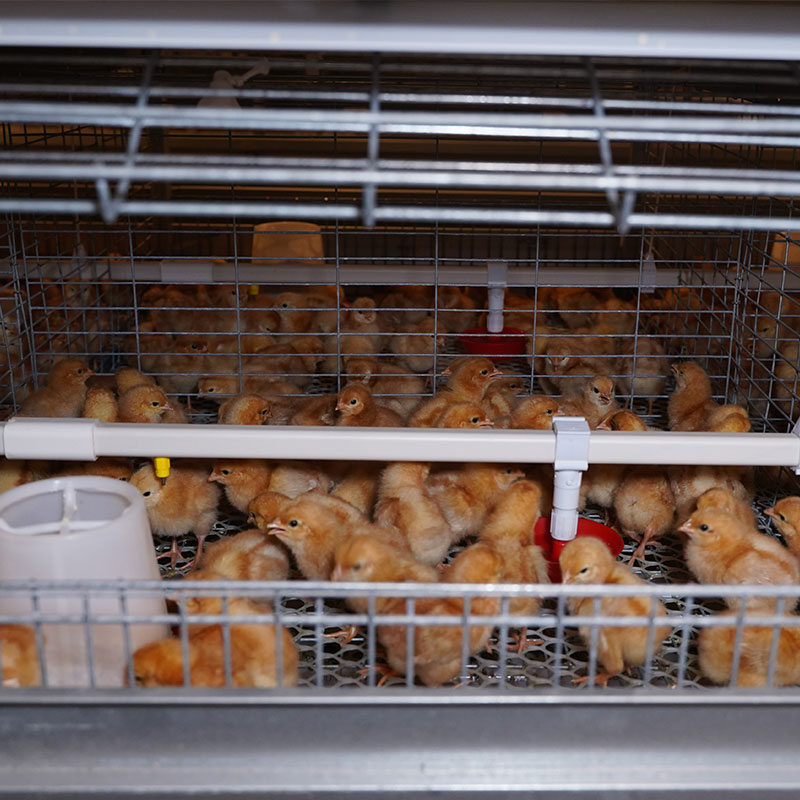
1. Brooder and Chick Rearing Areas: The fragility of chicks demands a safe environment. A fine-mesh plastic netting creates a secure brooder pen that prevents chicks from squeezing through, protects them from drafts, and contains feed and bedding. Its soft, pliable surface prevents impact injuries during the frequent, frantic fluttering of young birds. Being non-absorbent, it is easy to clean and disinfect between flocks, a crucial factor in maintaining biosecurity.
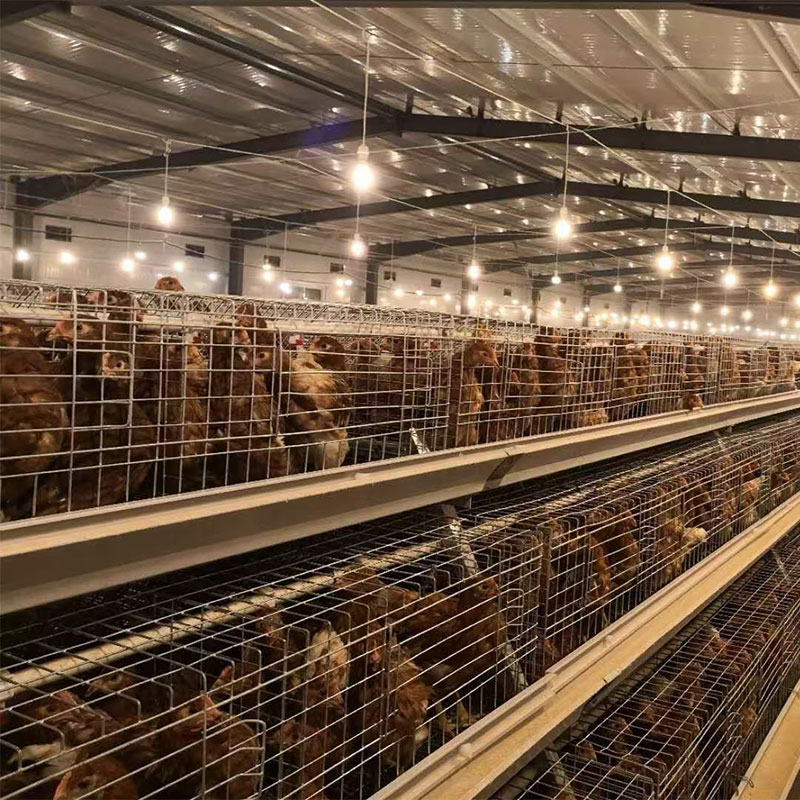
2. Grow-Out and Layer Enclosures: For pullets and adult birds, the mesh serves as a durable partition and main enclosure wall. It can be used to create smaller groups within a larger house, simplifying management, vaccination, and monitoring. The open weave allows for excellent ventilation, a key component in preventing respiratory issues and managing moisture levels. Unlike solid walls, the mesh does not create dead air pockets. In cage-free or aviary systems, it can form the outer walls of tiers, containing birds while allowing manure to pass through to the collection belts below, maintaining hygiene.
3. Free-Range and Pasture Management: This is where customization truly shines. Portable chicken tractors and fixed pasture fences benefit immensely from lightweight, durable plastic mesh. A farmer can design a rotational grazing system using highly visible, UV-stabilized mesh that is easy to move and will not rust from contact with wet grass or soil. The material is gentle on poultry feathers and feet, and its flexibility means that if a bird does fly into it, the risk of neck injury or broken bones is drastically reduced compared to rigid wire.
4. Predator Deterrence and Biosecurity: While no mesh is entirely predator-proof, a heavy-duty HDPE mesh with a small aperture can be a formidable barrier. It resists the biting and clawing of animals like foxes, raccoons, and dogs far better than chicken wire. Furthermore, it acts as a physical barrier to prevent contact between domestic poultry and wild birds, a primary vector for diseases like Avian Influenza. This enhances the farm's overall biosecurity protocol.
Installation and Long-Term Value
Installation is straightforward. The mesh can be attached to wooden posts, metal frames, or PVC pipes using heavy-duty staples, UV-resistant plastic zip ties, or wires fed through the mesh itself. Its light weight makes it manageable for a single person to unroll and position. Because it can be cut to any shape with simple tools, it is perfect for fitting around corners, water lines, and feeder systems without the need for complex metal fabrication.
The long-term economic value is compelling. While the initial investment per roll may be higher than some basic galvanized wires, the total cost of ownership is often lower. There are no ongoing costs for touch-up painting or rust treatment. The material will not degrade and require replacement in a few years. Its durability ensures that it remains functional and safe for many flock cycles. Reduced bird injury means lower mortality rates and better-quality carcasses or eggs. The time saved on installation, maintenance, and bird handling contributes directly to operational efficiency.
For the modern poultry farmer, every piece of equipment must justify its place. Customized HDPE, PP, and PE plastic mesh netting does more than just create a fence; it introduces a flexible, durable, and intelligent system that can be precisely engineered to improve animal welfare, streamline management practices, and provide a robust return on investment through years of reliable, maintenance-free service.
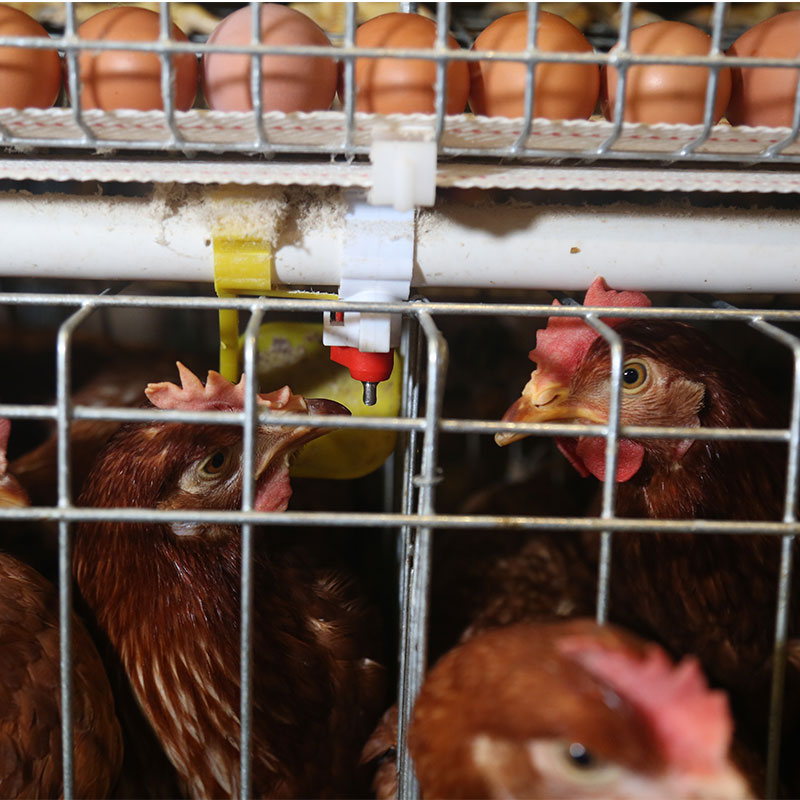
1. Drinking system include the water pipes, water pressure adjuster, drinking nipples, Waterline front-end device, dosing system etc, choose them according to customer's needs.
2. High-quality water drinking pipes, pressure regulating valves and water drinking nipples can effectively prevent the water leakage. Drinking system adopt the closed piping system, which can minimize the water pollution.
3. 360-degree drinking nipples provide adequate drinking water for poultry at all stages.
4. The automatic drinking water system mainly adopts the steel ball drinking nipple. lt uses imported high-grad stainless steel, POM resin, and APS engineering material, which is wearing resistant, and the durability can be used for long time.



1. Automatic feeding machine can be chosen between gantry and ladder feeding machine. Gantry type feeding machine is a relatively economical and practical machine with simple operation, remote control walking character, easy to manage.
2. Mechanical transmission device running smoothly, low noise, long service life.
3. With the use of automatic control, the feeding system can adjust the amount of material.
4. Feeding with arched structure, high carrying capacity, not easily deformed.
5. Saving man power, saving feed, greatly improving the efficiency of Large-scale farming.
6. The walking speed of gantry feeding machine is 9--12 m/min.




1. Manure removing system included scraper type and conveyor belt type, Which can reduce the labor intensity and labor cost, keep the chicken shed dry and clean.
2. A type chicken cage can use scraper type or conveyor belt type.


3. The scraper type is suitable for A type cages, which can clean two or three rows. For the starters, this type is a good choice. lt can not only save some labor cost, but also save some investment in the whole project. The cleaning speed is 6-10 meters per minute.
4. Conveyor belt type is more suitable for large scale farming. The manure removing belt we use is high quality PP material (polypropylene). The walking speed is 2-4 meters per minute.



High Quality Pellets Made by Mobile Pellet Machine
1. It has professional designed angle of the blade. After the dynamic balance test one by one, the blade can operate smoothly.
2. The air volume is consistent in the whole life of the fan. Bearings has advantage of high strength, low noise, durable and so on.
1. The cooling pads uses high-quality wet curtain paper and adopts space cross-linking technology, which has the advantages of high water absorption, high water resistance, anti-toxicity and long service life.
2. The cooling efficiency is over 80%, without surfactant, natural water absorption, fast diffusion speed and long-lasting effect.
3. The product does not contain phenol and other chemical substances that are easy to cause skin allergies. It is non-toxic and harmless to the human body and chicken when installed and used. It is green, safe, energy-saving, environmentally friendly, economical, and easy to install.
4. The frame aluminum alloy has high strength, good corrosion resistance, durability and beautiful appearance.
5. Use a special filter for the cooling pad at the upper water to ensure clean water quality and support efficient water circulation components.
6. Combined with a negative pressure fan, it can effectively lower the indoor temperature.
The window is made of special selected high-quality engineering plastic, with high strength and long service life, together with superior anti-aging and anti-UV performance.
Function: Ventilation of the chicken house, usually used in the winter.
This system can adjust the wind speed and direction, thus the cold air will not reach chicken directly , which can effectively prevent the phenomenon of cold stress in chicken.
Environmental control system equipment is suitable for large-scale and intensive farming. According to customer requirements, we can provide various types of smart poultry equipment.
1. Our poultry management system is a modular system that manages all aspects of the chicken house, such as climate, temperature, humidity, ammonia, feeding, feed weighing, lighting and ventilation systems, and can monitor the situation of the chicken house in real time through a computer and mobile phone.
2. The management computer is the heart of the poultry farm, allowing you to easily monitor the entire poultry farm.

 WeChat:+8617838608255