For poultry farmers juggling multiple species or expanding their operations, the integration of rabbit and poultry housing presents a unique set of challenges. The arrival of a flat-packed wooden hutch, marketed for small animals, might initially seem like a simple solution for a handful of rabbits. However, its true value on a working farm is realized not as a standalone unit, but as a component within a larger, strategically planned cage system. This approach transforms a basic hutch from a mere container into an integral part of your livestock management, impacting everything from breeding efficiency to pasture rotation.
The core advantage of these hutches lies in their modular design. Unlike pre-assembled, monolithic structures, a flat-pack system arrives as a kit of parts—predrilled wooden panels, wire mesh, hinges, and fasteners. For a farmer, this is more than just convenient shipping; it is the first step in customization. The act of assembly becomes a planning session. As you fit the side panels to the floor, you might decide to use exterior-grade wood glue at every joint, creating a stronger, more draft-resistant seal than the instructions require. When attaching the wire mesh to the window openings, you could choose to staple it on both the inside and the outside of the frame, a simple step that discourages persistent rodents from gnawing their way in. This hands-on process allows you to reinforce stress points before they ever bear the weight of an animal or the strain of the elements.
Understanding the fundamental difference between a hutch and a cage is critical for effective deployment. A traditional cage is often all-wire, designed for maximum ventilation and waste removal, commonly suspended in a controlled environment. A hutch, by contrast, is typically a wooden-framed structure with solid walls and a roof, offering shelter and security. The "rabbit chicken hutch" hybrid merges these concepts. It provides the enclosed, den-like safety that rabbits require to thrive, while the integrated wire-mesh door and optional run cater to the need for light, air, and space.
On a farm, this hybrid design enables a practice known as species separation. A broody hen, seeking a dark, quiet place to lay, can be a disruptive force in a main coop. Placing her in a dedicated hutch for a few weeks provides the seclusion she needs without isolating her completely. Similarly, a doe (a female rabbit) about to kindle (give birth) requires a secure nest box. A well-placed hutch offers an ideal maternity ward, protecting the kits from both the elements and other animals. This separation is not about isolation, but about creating targeted environments for specific biological functions within your overall livestock system.
The mobility of these hutches is perhaps their most underrated feature. A 150-pound wooden structure is not easily moved by one person, but with a set of sturdy wheels attached to one end and a partner to lift the other, it becomes a mobile grazing unit. This allows farmers to implement a simple form of rotational grazing for their small livestock. You can place a hutch over a patch of clover, allowing the rabbits to graze and fertilize the area with their droppings. After a day or two, you move the hutch to a fresh spot. This prevents overgrazing, breaks up parasite cycles, and distributes manure evenly, enhancing soil health without concentrated buildup. For chickens used in a tractor system, a hutch provides a solid, predator-resistant roost at night while the attached run is moved daily.
Predator pressure is a constant concern. The standard wire mesh included with many kits is often a 1" x 1/2" or 1" x 1" galvanized hardware cloth, which is sufficient to deter most birds and some small predators. However, for a farm with raccoons, foxes, or determined dogs, this can be a vulnerability. A critical upgrade is to reinforce all accessible wire areas with 16-gauge, ½-inch hardware cloth. Raccoons are infamous for reaching through larger mesh, grabbing a bird or rabbit, and maiming it. The smaller gauge prevents this. Furthermore, the wooden construction itself is a target. Using a pair of sturdy barrel-bolt latches, one near the top and one near the bottom of the door, foils the clever paws of raccoons that can slide a single latch. A simple hasp and staple lock is insufficient; it should be combined with a carabiner or padlock, as some animals have been known to learn how to flip a hasp.
Ventilation and moisture management are where the wooden hutch demands the most attention. Rabbits and chickens both produce significant moisture through respiration and droppings. In a poorly ventilated wooden structure, this humidity condenses on the walls and floor, leading to damp bedding, ammonia buildup, and respiratory illnesses. The wire-mesh door is the primary ventilation source, but it may not be enough in humid climates. A farmer might add a second, smaller mesh-covered vent high up on the back wall. This creates a cross-flow, where fresh air enters through the front door, and warm, moist air exits out the top rear vent. This passive system is far more effective at regulating the internal climate than a single opening.
The floor system is another key consideration. Many hutches have a solid wooden floor, which is comfortable in dry conditions but can become sodden and unsanitary if not managed meticulously. The deep litter method, commonly used in chicken coops, can be adapted here. You would start with a four- to six-inch base of absorbent material like pine shavings or straw. As the animals soil it, you add a fresh thin layer on top. Microbial activity within the litter bed begins to break down the manure, generating heat that helps dry the surface and reduce odors. This build-up can last for months before a full clean-out is needed, significantly reducing labor. For a more direct waste-removal approach, some farmers modify the hutch by installing a wire floor panel over a removable droppings tray. The urine and most of the droppings fall through, keeping the living level cleaner.
When planning a system of multiple hutches, their arrangement impacts daily workflow. Staggering hutches in a row, rather than lining them up flush, creates individual alcoves. This reduces direct visual contact between territorial bucks (male rabbits) or roosters, minimizing stress and aggression. Leaving a service aisle of at least three feet between rows of hutches provides enough space for a wheelbarrow to pass for cleaning and feed delivery. Orienting all the hutch doors to face a central pathway saves steps during the twice-daily feeding and watering checks. Grouping hutches by purpose—breeding, grow-out, isolation—streamlines management. Placing the breeding hutches closest to the feed and equipment storage makes the most sense for the frequent attention they require.
The longevity of the wood is a direct function of protection. The bare, often pine, wood that these kits are made from will quickly degrade when exposed to sun and rain. A proper wood stain or paint is not merely cosmetic; it is a preservative. Using a non-toxic, animal-safe sealant on the exterior creates a barrier that repels water. Paying special attention to the end grain of the wood, where water is absorbed most readily, by applying an extra coat can double the life of the panels. Elevating the hutch completely off the ground is equally vital. Placing it on concrete blocks or pressure-treated timber runners prevents ground moisture from wicking into the wood and deters wood-chewing insects.
Integrating these hutches into a broader farm nutrient cycle closes the loop on waste and feed. The manure and spent bedding from the hutches, a mixture of nitrogen-rich droppings and carbon-rich straw, is a primary ingredient for a hot compost pile. When combined with yard waste and turned regularly, it decomposes into a valuable soil amendment for vegetable gardens or forage crops. Furthermore, chickens can be employed as a cleanup crew. After a rabbit pen is emptied for a full clean-out, a small flock of chickens can be allowed to scratch through the remaining litter, consuming spilled feed, fly larvae, and breaking up the manure piles, effectively sanitizing the area and finding a free source of protein in the process.
For the breeding operation, these hutches offer a controlled environment that is hard to replicate in a colony setting. When you need to track the service date of a doe for accurate kindling prediction, a dedicated hutch provides a clear record. You can monitor her feed intake to ensure she is getting the extra nutrition she needs without competition. After kindling, you can observe the nest without disturbing the rest of your stock, ensuring the kits are nursing and the doe is not showing signs of aggression or neglect. This level of management detail is the difference between a hobby and a productive, profitable livestock enterprise.

The initial assembly, while straightforward, benefits from a farmer’s foresight. Using a cordless drill instead of the provided hand screwdriver not only speeds up the process but allows you to set the torque correctly, driving screws flush without stripping the softwood heads. Applying a bead of silicone caulk along the seams of the roof before the final panels are secured can prevent minor leaks that would otherwise compromise the interior environment. These small, proactive investments of time and minimal cost during construction pay continuous dividends in the durability and functionality of the unit for years to come.
Ultimately, the success of incorporating these wooden hutch systems lies not in viewing them as finished products, but as adaptable platforms. They are a starting point upon which a farmer’s knowledge of animal behavior, pasture management, and practical craftsmanship is applied. From reinforcing against predators to modifying ventilation and integrating the units into a nutrient cycle, each hutch becomes a tailored tool. It is this process of adaptation and systematic thinking that transforms a simple small animal cage into a robust component of a diversified and resilient farming operation.
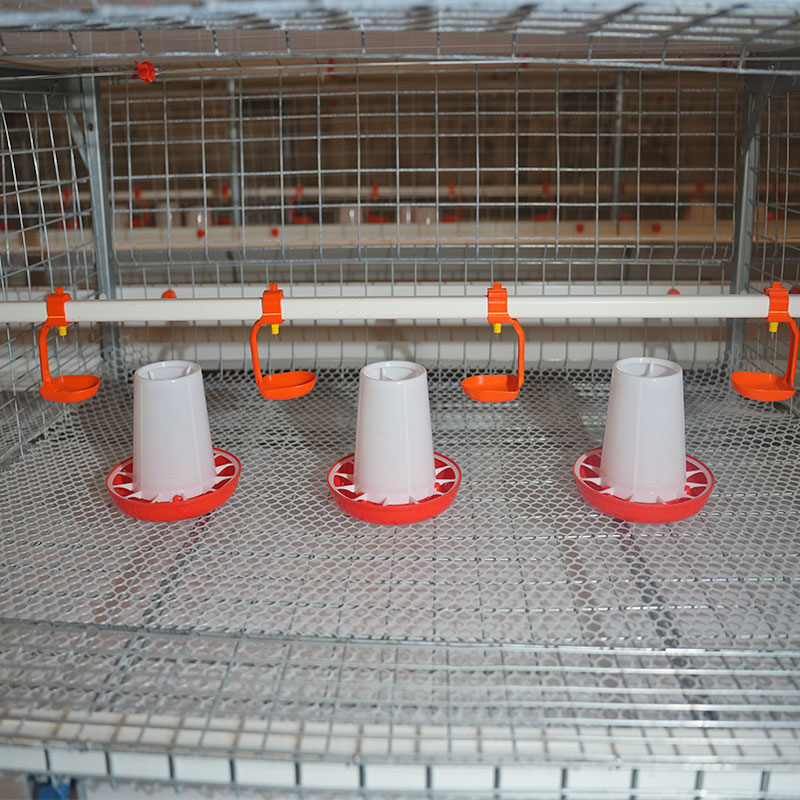
1. Drinking system include the water pipes, water pressure adjuster, drinking nipples, Waterline front-end device, dosing system etc, choose them according to customer's needs.
2. High-quality water drinking pipes, pressure regulating valves and water drinking nipples can effectively prevent the water leakage. Drinking system adopt the closed piping system, which can minimize the water pollution.
3. 360-degree drinking nipples provide adequate drinking water for poultry at all stages.
4. The automatic drinking water system mainly adopts the steel ball drinking nipple. lt uses imported high-grad stainless steel, POM resin, and APS engineering material, which is wearing resistant, and the durability can be used for long time.



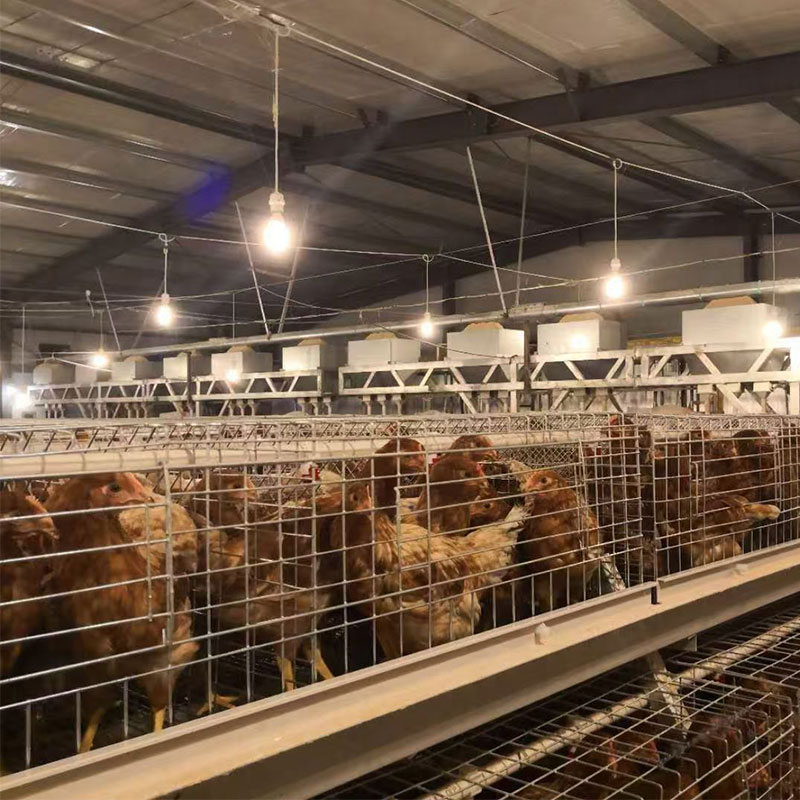
1. Automatic feeding machine can be chosen between gantry and ladder feeding machine. Gantry type feeding machine is a relatively economical and practical machine with simple operation, remote control walking character, easy to manage.
2. Mechanical transmission device running smoothly, low noise, long service life.
3. With the use of automatic control, the feeding system can adjust the amount of material.
4. Feeding with arched structure, high carrying capacity, not easily deformed.
5. Saving man power, saving feed, greatly improving the efficiency of Large-scale farming.
6. The walking speed of gantry feeding machine is 9--12 m/min.




1. Manure removing system included scraper type and conveyor belt type, Which can reduce the labor intensity and labor cost, keep the chicken shed dry and clean.
2. A type chicken cage can use scraper type or conveyor belt type.


3. The scraper type is suitable for A type cages, which can clean two or three rows. For the starters, this type is a good choice. lt can not only save some labor cost, but also save some investment in the whole project. The cleaning speed is 6-10 meters per minute.
4. Conveyor belt type is more suitable for large scale farming. The manure removing belt we use is high quality PP material (polypropylene). The walking speed is 2-4 meters per minute.



High Quality Pellets Made by Mobile Pellet Machine
1. It has professional designed angle of the blade. After the dynamic balance test one by one, the blade can operate smoothly.
2. The air volume is consistent in the whole life of the fan. Bearings has advantage of high strength, low noise, durable and so on.
1. The cooling pads uses high-quality wet curtain paper and adopts space cross-linking technology, which has the advantages of high water absorption, high water resistance, anti-toxicity and long service life.
2. The cooling efficiency is over 80%, without surfactant, natural water absorption, fast diffusion speed and long-lasting effect.
3. The product does not contain phenol and other chemical substances that are easy to cause skin allergies. It is non-toxic and harmless to the human body and chicken when installed and used. It is green, safe, energy-saving, environmentally friendly, economical, and easy to install.
4. The frame aluminum alloy has high strength, good corrosion resistance, durability and beautiful appearance.
5. Use a special filter for the cooling pad at the upper water to ensure clean water quality and support efficient water circulation components.
6. Combined with a negative pressure fan, it can effectively lower the indoor temperature.
The window is made of special selected high-quality engineering plastic, with high strength and long service life, together with superior anti-aging and anti-UV performance.
Function: Ventilation of the chicken house, usually used in the winter.
This system can adjust the wind speed and direction, thus the cold air will not reach chicken directly , which can effectively prevent the phenomenon of cold stress in chicken.
Environmental control system equipment is suitable for large-scale and intensive farming. According to customer requirements, we can provide various types of smart poultry equipment.
1. Our poultry management system is a modular system that manages all aspects of the chicken house, such as climate, temperature, humidity, ammonia, feeding, feed weighing, lighting and ventilation systems, and can monitor the situation of the chicken house in real time through a computer and mobile phone.
2. The management computer is the heart of the poultry farm, allowing you to easily monitor the entire poultry farm.

 WeChat:+8617838608255