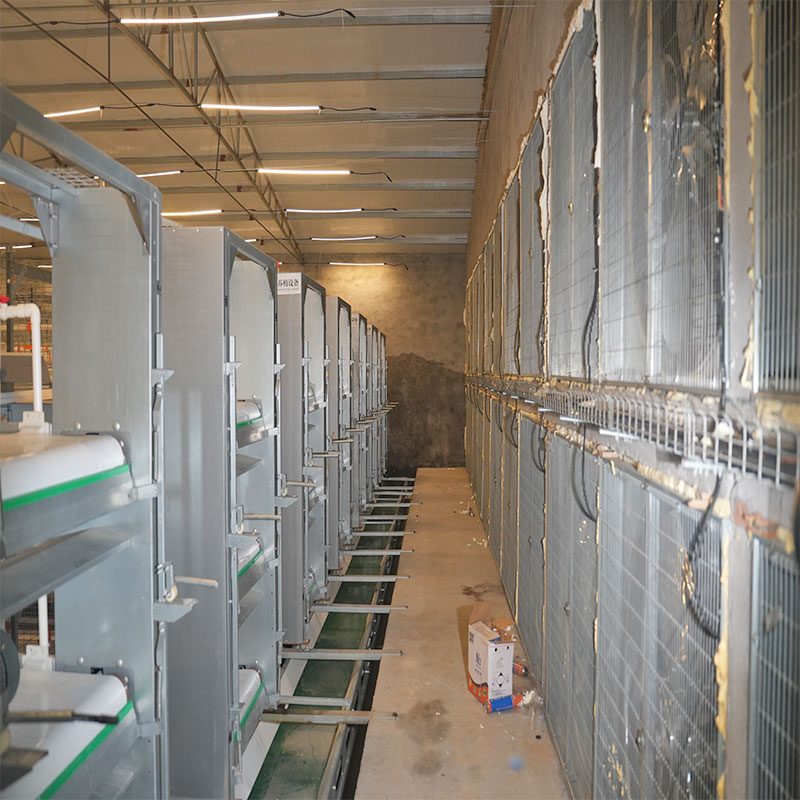
Revolutionizing Layer Management: The 96-Bird A-Type Automatic Cage System
For generations, poultry farmers have navigated the delicate balance between bird welfare, labor costs, and production efficiency. The traditional image of hens roaming a dusty floor is, for many commercial operations, a picture of the past—a system fraught with challenges like high labor requirements, difficulty in manure management, and inconsistent egg collection. The evolution toward cage systems was inevitable, but not all cages are created equal. The introduction of the 96 Chicken A-Type Automatic Layer Cage system represents a significant leap forward, moving beyond basic confinement to an integrated, highly efficient production environment.
This system, available in both H-Type and Battery Cage configurations, is engineered not just to house birds, but to streamline every facet of layer management. It transforms the coop from a simple shelter into a precision tool for modern farming.
Understanding the Core Design: The A-Frame Advantage
The "A-Type" designation refers to the cage unit's distinctive peaked-roof profile, resembling the letter 'A'. This is far more than an aesthetic choice. In a practical sense, this design allows for a highly effective manure management system. As birds in the upper tiers defecate, the droppings fall onto the sloping manure boards of the tier below, rather than onto the birds themselves. This creates a cleaner environment for the lower-level hens, a common issue in older, vertically stacked systems.
The entire structure is constructed from new, hot-dipped galvanized steel. A farmer might see this as a guarantee against the relentless enemy of any farm structure: rust. Unlike painted or lower-grade steel, the galvanization process bonds a layer of zinc to the steel, creating a barrier that can withstand years of exposure to ammonia and moisture from manure. This translates to a longer lifespan for the equipment and reduced long-term replacement costs. The rigidity of the steel frame also ensures the system remains stable and secure, preventing the sway or sag that can stress birds and damage equipment.
Capacity and Configuration: The 96-Bird Unit
The system is modular, with the standard unit designed to humanely and efficiently house 96 birds. This number is not arbitrary; it is the result of optimizing space for the modern commercial laying hen, balancing animal welfare with economic density. Each bird has sufficient space to stand, sit, turn around, and access feed and water without excessive competition. Grouping birds in these sized units simplifies management. A farmer can easily monitor the health and production of a defined group, making it simpler to identify issues early. If one unit shows a drop in egg production or feed consumption, it can be investigated without disrupting the entire flock.
The Automation Edge: From Labor-Intensive to Management-Focused
The term "automatic" is where this system truly separates itself from basic cage setups. Automation here is built around three core pillars: feeding, egg collection, and manure cleaning.
1. Automatic Feeding System:
Instead of a worker walking the length of the coop with a feed cart, the system employs a chain-and-flight or spiral auger system that runs on a precise timer. Imagine a continuous loop of chain links moving through a trough in front of every cage. At scheduled intervals, a motor starts, and the chain pulls a measured amount of feed from a central hopper down the entire line. The birds have constant access to fresh feed, and the farmer saves hours of labor each day. More importantly, it eliminates human error and variation in feeding. Every bird receives the same ration at the same time, promoting uniform growth and consistent egg production. This consistency is crucial for maximizing feed conversion ratios—getting the most eggs for every pound of feed consumed.
2. Automatic Egg Collection:
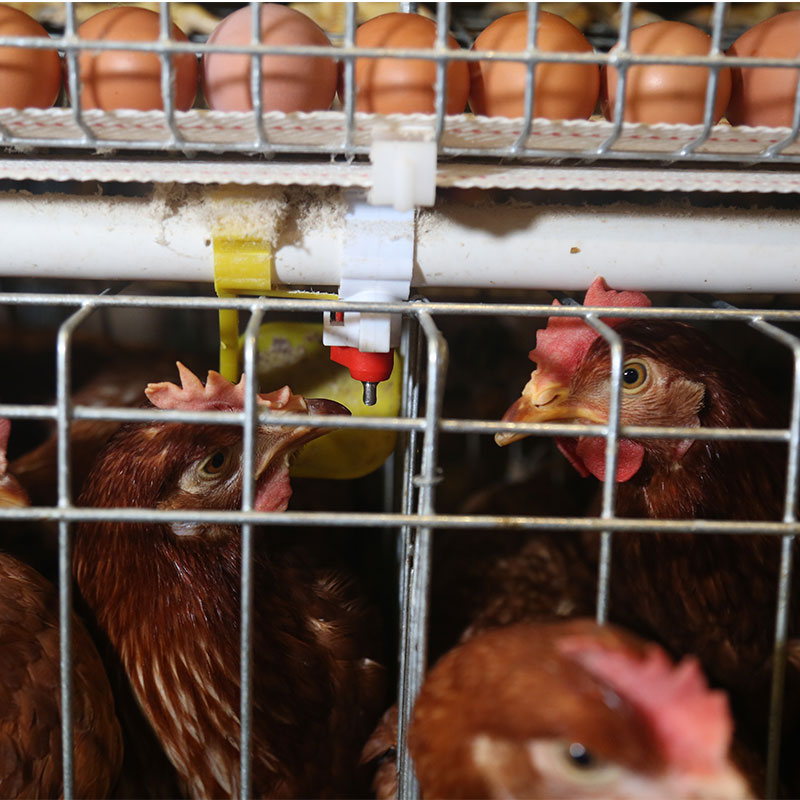
This is perhaps the most significant labor-saving feature. The floor of each cage is sloped gently forward. When a hen lays an egg, it rolls out of the cage onto a soft, rubberized conveyor belt that runs the length of the tier. Several times a day, this belt gently activates, transporting the eggs to a central collection point at the end of the row. The benefits are profound. Egg breakage is minimized because the eggs are not handled multiple times. Sanitation is improved as human hands rarely touch the eggs until they are packed. The eggs are cleaner, having rolled away from the bird immediately, and the farmer can collect a day's production from hundreds of birds in a matter of minutes rather than hours.
3. Automatic Manure Cleaning:
Manure management is one of the most unpleasant and time-consuming tasks in poultry farming. The automatic system tackles this in one of two ways. The most common is a scraper system. A metal or plastic blade moves slowly along a channel beneath each tier of cages, pushing the dried manure to a pit or collection auger at the end of the house. Alternatively, some systems use a belt cleaner, where a continuous belt under the cages moves periodically to carry manure away. This continuous removal dramatically reduces ammonia levels inside the coop. Lower ammonia means healthier birds with better respiratory health, which directly correlates to stronger eggshell quality and higher production rates. It also creates a safer working environment for farm staff.
Choosing the Right Type: H-Type vs. Battery Cage
The system’s flexibility is evident in its two primary configurations: the H-Type and the Battery Cage. The choice between them depends heavily on the farmer’s specific operation, building constraints, and management preferences.
The H-Type Cage System:
The "H-Type" is a stepped-cage system, where the tiers are arranged not directly on top of one another, but staggered like stairs. This design offers several key advantages. First, and most importantly, it provides superior ventilation and light penetration. Because each tier is set back from the one below it, air can circulate more freely around all the birds, and natural light from side windows can reach the lower tiers. This creates a more uniform environment throughout the house. Second, it is often easier for farmers to visually inspect birds on the lower tiers without excessive bending or stretching. The manure from upper tiers falls clear of the birds below, landing on the floor or a dedicated manure belt. The H-Type is an excellent choice for wider buildings where maximizing air quality and bird visibility are top priorities.
The Battery Cage System:
The term "Battery Cage" traditionally refers to multiple tiers of cages stacked directly vertically. In the context of this modern system, it is a high-density, space-efficient solution. By stacking tiers directly, a farmer can house more birds within the same floor space compared to an H-Type system. This makes it ideal for operations where building footprint is limited but vertical space is available. Modern battery cages are a far cry from the cramped systems of the past; they incorporate all the same automated features and welfare-conscious spacing. The primary consideration with a battery system is the need for robust mechanical ventilation. Since air cannot flow as freely between tightly stacked tiers, powerful fans and air inlets are required to maintain air quality, remove moisture, and keep ammonia levels in check. For a farmer with a well-designed ventilation system already in place, the battery cage offers maximum bird capacity per square foot.
Integration and Operational Considerations
Implementing such a system requires forethought. The floor of the poultry house must be perfectly level to ensure the automated systems function smoothly. Access to a reliable power source is non-negotiable, as the feeding, egg collection, and manure systems all depend on electric motors. A backup generator is a wise investment to protect against power outages.
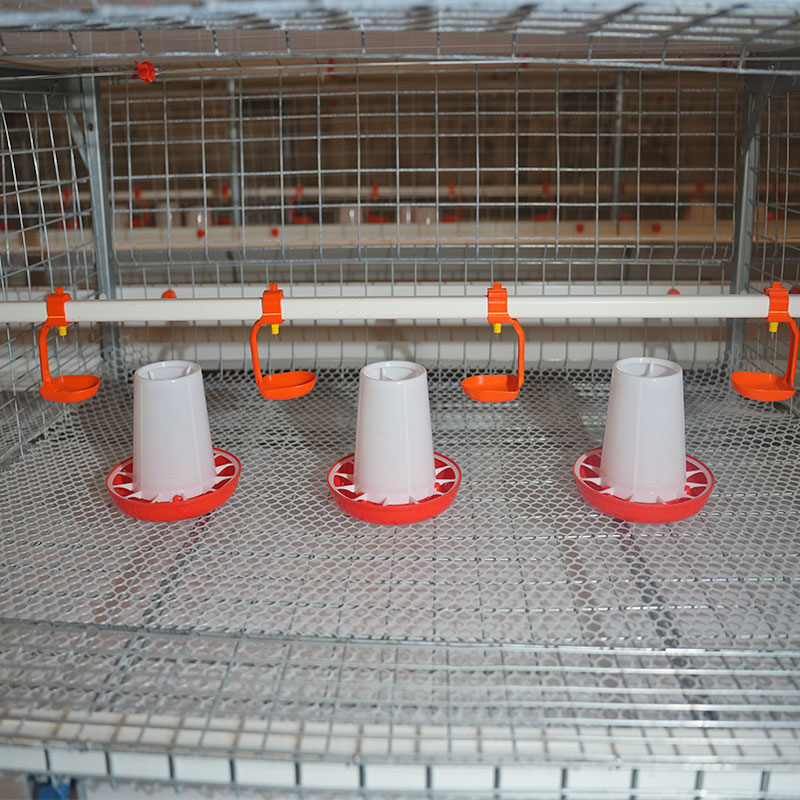
Watering is typically handled by nipple drinker systems. These are precisely engineered valves that release a drop of water when a bird pecks at them. They keep water clean and reduce spillage, which is critical for keeping manure dry and manageable. The feed system must be calibrated to deliver the correct amount of feed, which may need adjustment as the birds age and their nutritional requirements change.
The initial investment in an automatic cage system is substantial. However, the return on investment is calculated not just in the cost of the equipment, but in the dramatic reduction of ongoing labor expenses. One person can manage a flock that would have previously required three or four. The improvements in egg quality, bird health, and feed efficiency further contribute to the bottom line, making the system pay for itself over time.
For the modern poultry farmer, the 96 Chicken A-Type Automatic Layer Cage is more than a product; it is a strategic decision. It represents a commitment to efficiency, animal welfare, and producing a high-quality, consistent product. By automating the most demanding tasks, it allows the farmer to shift from being a manual laborer to a true manager—focusing on the health of the flock, the quality of the eggs, and the strategic growth of the business. In an industry where margins are often tight, this system provides the tools to build a more resilient, profitable, and sustainable operation.
1. Drinking system include the water pipes, water pressure adjuster, drinking nipples, Waterline front-end device, dosing system etc, choose them according to customer's needs.
2. High-quality water drinking pipes, pressure regulating valves and water drinking nipples can effectively prevent the water leakage. Drinking system adopt the closed piping system, which can minimize the water pollution.
3. 360-degree drinking nipples provide adequate drinking water for poultry at all stages.
4. The automatic drinking water system mainly adopts the steel ball drinking nipple. lt uses imported high-grad stainless steel, POM resin, and APS engineering material, which is wearing resistant, and the durability can be used for long time.



1. Automatic feeding machine can be chosen between gantry and ladder feeding machine. Gantry type feeding machine is a relatively economical and practical machine with simple operation, remote control walking character, easy to manage.
2. Mechanical transmission device running smoothly, low noise, long service life.
3. With the use of automatic control, the feeding system can adjust the amount of material.
4. Feeding with arched structure, high carrying capacity, not easily deformed.
5. Saving man power, saving feed, greatly improving the efficiency of Large-scale farming.
6. The walking speed of gantry feeding machine is 9--12 m/min.




1. Manure removing system included scraper type and conveyor belt type, Which can reduce the labor intensity and labor cost, keep the chicken shed dry and clean.
2. A type chicken cage can use scraper type or conveyor belt type.


3. The scraper type is suitable for A type cages, which can clean two or three rows. For the starters, this type is a good choice. lt can not only save some labor cost, but also save some investment in the whole project. The cleaning speed is 6-10 meters per minute.
4. Conveyor belt type is more suitable for large scale farming. The manure removing belt we use is high quality PP material (polypropylene). The walking speed is 2-4 meters per minute.



High Quality Pellets Made by Mobile Pellet Machine
1. It has professional designed angle of the blade. After the dynamic balance test one by one, the blade can operate smoothly.
2. The air volume is consistent in the whole life of the fan. Bearings has advantage of high strength, low noise, durable and so on.
1. The cooling pads uses high-quality wet curtain paper and adopts space cross-linking technology, which has the advantages of high water absorption, high water resistance, anti-toxicity and long service life.
2. The cooling efficiency is over 80%, without surfactant, natural water absorption, fast diffusion speed and long-lasting effect.
3. The product does not contain phenol and other chemical substances that are easy to cause skin allergies. It is non-toxic and harmless to the human body and chicken when installed and used. It is green, safe, energy-saving, environmentally friendly, economical, and easy to install.
4. The frame aluminum alloy has high strength, good corrosion resistance, durability and beautiful appearance.
5. Use a special filter for the cooling pad at the upper water to ensure clean water quality and support efficient water circulation components.
6. Combined with a negative pressure fan, it can effectively lower the indoor temperature.
The window is made of special selected high-quality engineering plastic, with high strength and long service life, together with superior anti-aging and anti-UV performance.
Function: Ventilation of the chicken house, usually used in the winter.
This system can adjust the wind speed and direction, thus the cold air will not reach chicken directly , which can effectively prevent the phenomenon of cold stress in chicken.
Environmental control system equipment is suitable for large-scale and intensive farming. According to customer requirements, we can provide various types of smart poultry equipment.
1. Our poultry management system is a modular system that manages all aspects of the chicken house, such as climate, temperature, humidity, ammonia, feeding, feed weighing, lighting and ventilation systems, and can monitor the situation of the chicken house in real time through a computer and mobile phone.
2. The management computer is the heart of the poultry farm, allowing you to easily monitor the entire poultry farm.

 WeChat:+8617838608255