
For poultry farmers constantly battling muddy lots, unstable walking surfaces, and the high costs of maintaining outdoor poultry ranges, the ground beneath their birds’ feet represents a persistent and expensive challenge. The introduction of biaxial geogrid, a material with a proven track record in heavy civil engineering like road construction and soil reinforcement, offers a transformative solution for constructing durable, clean, and cost-effective cage flooring and outdoor run areas. This article details how this specific type of plastic geogrid, available at competitive factory prices, can be integrated directly into poultry farming operations to enhance animal welfare, streamline manure management, and significantly reduce long-term maintenance.
Understanding the Material: Strength Through Structure
A biaxial geogrid is not a simple sheet or mesh; it is a polymer grid structure manufactured with integral strength in both its longitudinal and transverse directions. Think of it as a web of interconnected ribs. When this web is placed on a prepared subsoil and filled with a compactible material like gravel or crushed stone, the aggregate particles interlock within the grid’s apertures. This interaction creates a mechanically stabilized layer. Instead of the gravel being pushed aside by pressure—a common occurrence when a chicken runs across a standard gravel path or a vehicle wheel turns—the geogrid holds the aggregate in place. The entire system acts as a single, reinforced composite mat that distributes load over a wider area.
For a poultry farmer, this translates to a surface that resists the concentrated point loads of thousands of bird feet and the weight of farming equipment. A standard gravel path in a high-traffic area around feed bins will quickly develop ruts and mud patches as the gravel is displaced. A geogrid-reinforced area, filled with the same gravel, will remain stable and intact, preventing the formation of muddy holes where pathogens and parasites can thrive.
Direct Applications in Poultry Farming Systems
The versatility of biaxial geogrid allows for its application in several key areas of a modern poultry operation, each addressing a specific set of challenges.
1. Reinforced Flooring for Cage and Aviary Systems
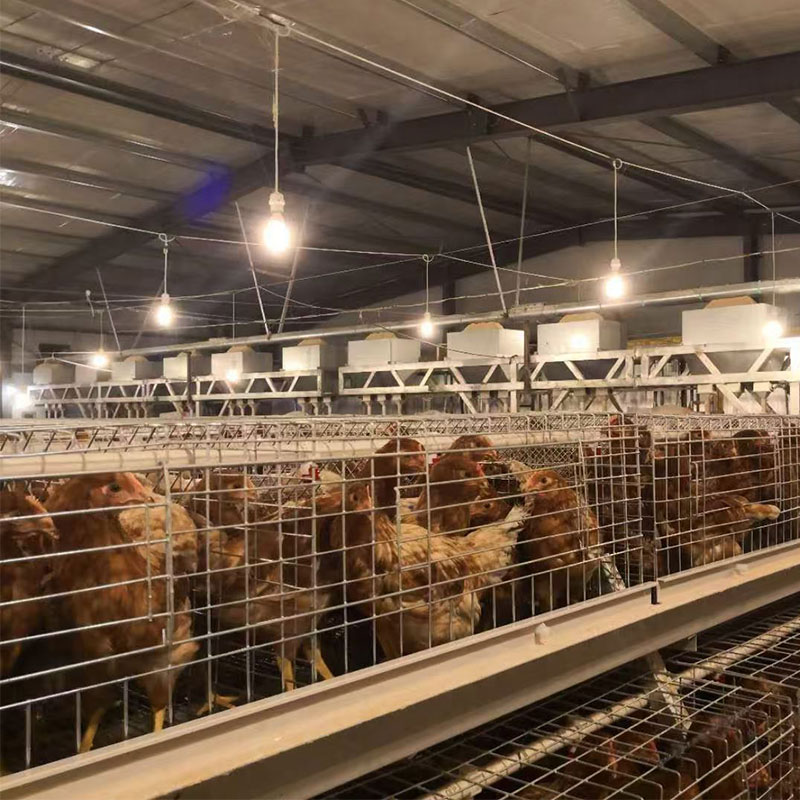
In multi-tiered aviary systems or raised cage setups, the flooring material is critical. While wire mesh is common, it can lead to foot problems and does little for manure management. A more advanced approach involves using biaxial geogrid as a structural base for a solid, slatted, or deep-litter floor.
In this application, the geogrid is suspended across the structural supports of the tier. A layer of a suitable filling material is then added on top. This could be a specialized lightweight aggregate, a sand-soil mix, or even a deep litter material like wood shavings or rice hulls. The geogrid’s primary function here is to provide immense tensile strength, preventing the floor substrate from sagging or breaking under the constant load of the birds. It creates a stable, unified platform.
The benefits are multifold. For the birds, it provides a more natural and forgiving walking surface compared to bare wire, potentially reducing footpad lesions. For manure management, if a deep-litter system is used on top of the geogrid, it functions normally, allowing for microbial activity to break down waste. The reinforced base ensures this heavy, moist material is fully supported, preventing collapse. Furthermore, the open nature of many geogrids allows for some air circulation from below, which can help in drying the litter and improving the overall house environment.
2. Creating "All-Weather" Outdoor Runs and High-Traffic Zones
Free-range and pasture-based systems are highly valued, but they often struggle with land degradation. The area around pop-holes, waterers, and shelters becomes a quagmire during wet weather, creating unsanitary conditions and increasing the risk of diseases like coccidiosis. Biaxial geogrid provides a permanent solution.
The construction process is straightforward and mirrors that of building a access road on the farm. First, the top layer of organic soil is removed from the high-traffic area. The subsoil is then compacted. A layer of biaxial geogrid is rolled out directly onto this prepared surface. A layer of clean, angular gravel (typically ¾-inch crushed stone is ideal) is then spread over the geogrid to a depth of 4-6 inches and compacted. The gravel particles lock into the geogrid, creating a rigid, permeable platform.
This reinforced surface will not rut or turn to mud. Rainwater drains directly through it, leaving a dry, firm surface for the birds. This encourages birds to utilize the outdoor range more consistently, as they avoid muddy, unpleasant areas. It also allows farm vehicles to access these zones for feeding or maintenance without getting stuck, regardless of recent rainfall. The initial investment in creating these reinforced pads eliminates the annual cost and labor of regrading, draining, and adding new gravel to mud holes.
3. Erosion Control on Slopes and Around Perimeters

Poultry farms often have sloped areas around buildings or along drainage ditches that are susceptible to erosion from rainfall and runoff. Exposed soil not only loses valuable topsoil but can also lead to siltation of nearby waterways. Unchecked erosion can even undermine the foundations of poultry houses or fences.
Biaxial geogrid can be used to armor these vulnerable slopes. The geogrid is laid on the slope and filled with gravel or soil. For more permanent solutions, the cells of the grid can be filled with soil and seeded, allowing grass roots to intertwine with the grid to create an exceptionally stable vegetated surface. This prevents the surface layer from sliding or washing away, protecting infrastructure and improving environmental stewardship on the farm.
Technical Considerations for Selection and Installation
Choosing the right geogrid and installing it correctly are paramount to achieving the desired performance and longevity.
Material and Longevity: High-Density Polyethylene (HDPE) or polypropylene geogrids are standard. These polymers are chosen for their high resistance to chemical and biological degradation. They will not rust like metal and are inert, meaning they will not react with soils, fertilizers, or poultry manure. A quality HDPE geogrid is designed to have a service life extending decades, even when buried in aggressive soils, making it a permanent asset to the farm's infrastructure.
Aperture Size and Rib Thickness: The size of the open spaces in the grid and the thickness of the ribs determine its strength and its interaction with the infill material. For stabilizing gravel in a high-traffic run, a geogrid with a 1 to 1.5-inch aperture is typically effective, as it is well-suited to lock with ¾-inch crushed stone. A grid with thicker ribs and stronger junctions will have a higher tensile strength, which is necessary for supporting heavier loads, such as the deep litter on an aviary floor or the weight of a feed truck. Consulting with the manufacturer or supplier is crucial to match the geogrid's technical specifications with the specific load demands of the application.
Installation Best Practices:
1. Site Preparation: This is the most critical step. The area must be graded to the desired shape and slope for drainage. All vegetation, topsoil, and soft organic matter must be removed. The underlying subgrade must then be compacted to provide a firm, stable base. A soft, uncompacted base will lead to failure, no matter how strong the geogrid.
2. Geogrid Placement: The geogrid is rolled out directly onto the compacted subgrade. The rolls should be placed side-by-side, and for high-strength applications, the sections are often connected using specific plastic ties or clips to ensure the entire area acts as one continuous reinforced mat.
3. Filling and Compaction: The selected infill material (e.g., gravel) is spread over the geogrid in layers. Each layer should be compacted with a mechanical plate compactor or roller. The compaction forces the aggregate down into the grid's apertures, achieving the vital mechanical interlock that gives the system its strength. The final surface should be level and properly sloped for drainage.
Economic and Operational Advantages
The decision to invest in geogrid technology is justified by a compelling economic case built on reduced long-term costs and improved operational efficiency.
Elimination of Recurring Expenses: The most immediate saving is the end of the cycle of purchasing and spreading new gravel or dealing with mud. A traditional gravel path in a high-traffic zone may require significant topping up or complete rehabilitation every year or two. A geogrid-reinforced surface is a one-time capital investment that, if installed correctly, will remain functional for the lifespan of the poultry house.
Improved Bird Health and Productivity: Dry, stable floors and runs directly impact animal welfare. Birds on dry, clean surfaces have lower exposure to wet litter and the associated ammonia fumes, which can irritate respiratory systems. Reduced mud decreases the risk of foot problems and bacterial infections. Healthier birds express their genetic potential for growth and egg production more fully, directly impacting the farm's bottom line.
Enhanced Labor Efficiency: Labor spent on constantly regrading lots, filling mud holes, and cleaning equipment caked in mud is labor not spent on more productive tasks like monitoring bird health or managing feed efficiency. A stable, all-weather surface makes every chore, from feeding to catching birds, faster, easier, and less physically demanding.
Infrastructure Protection: By controlling erosion and providing stable ground around buildings, geogrids protect valuable farm infrastructure. This prevents costly repairs to foundations, drainage systems, and access roads.
The integration of biaxial plastic geogrid from civil engineering into poultry farming represents a pragmatic upgrade to foundational infrastructure. It moves beyond temporary fixes to provide a permanent, engineered solution for creating stable and sanitary surfaces. By understanding its mechanism of strength through mechanical interlock and applying it to cage flooring, outdoor runs, and erosion control, poultry farmers can achieve a higher standard of operational efficiency, animal welfare, and long-term economic sustainability. The factory-direct pricing model makes this robust technology an increasingly accessible tool for forward-thinking operations aiming to build a more resilient and profitable foundation for their flock.
1. Drinking system include the water pipes, water pressure adjuster, drinking nipples, Waterline front-end device, dosing system etc, choose them according to customer's needs.
2. High-quality water drinking pipes, pressure regulating valves and water drinking nipples can effectively prevent the water leakage. Drinking system adopt the closed piping system, which can minimize the water pollution.
3. 360-degree drinking nipples provide adequate drinking water for poultry at all stages.
4. The automatic drinking water system mainly adopts the steel ball drinking nipple. lt uses imported high-grad stainless steel, POM resin, and APS engineering material, which is wearing resistant, and the durability can be used for long time.



1. Automatic feeding machine can be chosen between gantry and ladder feeding machine. Gantry type feeding machine is a relatively economical and practical machine with simple operation, remote control walking character, easy to manage.
2. Mechanical transmission device running smoothly, low noise, long service life.
3. With the use of automatic control, the feeding system can adjust the amount of material.
4. Feeding with arched structure, high carrying capacity, not easily deformed.
5. Saving man power, saving feed, greatly improving the efficiency of Large-scale farming.
6. The walking speed of gantry feeding machine is 9--12 m/min.




1. Manure removing system included scraper type and conveyor belt type, Which can reduce the labor intensity and labor cost, keep the chicken shed dry and clean.
2. A type chicken cage can use scraper type or conveyor belt type.


3. The scraper type is suitable for A type cages, which can clean two or three rows. For the starters, this type is a good choice. lt can not only save some labor cost, but also save some investment in the whole project. The cleaning speed is 6-10 meters per minute.
4. Conveyor belt type is more suitable for large scale farming. The manure removing belt we use is high quality PP material (polypropylene). The walking speed is 2-4 meters per minute.



High Quality Pellets Made by Mobile Pellet Machine
1. It has professional designed angle of the blade. After the dynamic balance test one by one, the blade can operate smoothly.
2. The air volume is consistent in the whole life of the fan. Bearings has advantage of high strength, low noise, durable and so on.
1. The cooling pads uses high-quality wet curtain paper and adopts space cross-linking technology, which has the advantages of high water absorption, high water resistance, anti-toxicity and long service life.
2. The cooling efficiency is over 80%, without surfactant, natural water absorption, fast diffusion speed and long-lasting effect.
3. The product does not contain phenol and other chemical substances that are easy to cause skin allergies. It is non-toxic and harmless to the human body and chicken when installed and used. It is green, safe, energy-saving, environmentally friendly, economical, and easy to install.
4. The frame aluminum alloy has high strength, good corrosion resistance, durability and beautiful appearance.
5. Use a special filter for the cooling pad at the upper water to ensure clean water quality and support efficient water circulation components.
6. Combined with a negative pressure fan, it can effectively lower the indoor temperature.
The window is made of special selected high-quality engineering plastic, with high strength and long service life, together with superior anti-aging and anti-UV performance.
Function: Ventilation of the chicken house, usually used in the winter.
This system can adjust the wind speed and direction, thus the cold air will not reach chicken directly , which can effectively prevent the phenomenon of cold stress in chicken.
Environmental control system equipment is suitable for large-scale and intensive farming. According to customer requirements, we can provide various types of smart poultry equipment.
1. Our poultry management system is a modular system that manages all aspects of the chicken house, such as climate, temperature, humidity, ammonia, feeding, feed weighing, lighting and ventilation systems, and can monitor the situation of the chicken house in real time through a computer and mobile phone.
2. The management computer is the heart of the poultry farm, allowing you to easily monitor the entire poultry farm.

 WeChat:+8617838608255