
The Unseen Framework: Maximizing Poultry Operations with 16-Gauge Galvanized Welded Wire Mesh
In the daily rhythm of a poultry farm, the infrastructure that houses the birds often fades into the background. Yet, the choice of material for cages, partitions, and enclosures is a foundational decision that ripples through every aspect of operation, from bird health and safety to long-term financial viability. The 16-gauge galvanized welded wire mesh roll represents more than just fencing; it is the primary architectural element of a modern poultry environment. Its specific properties—the 16-gauge thickness, the welded joint, the galvanized coating, and the plain weave pattern—combine to create a system that addresses the core challenges faced by poultry farmers.
The Backbone: Understanding Gauge and Welded Construction
The term "16-gauge" can seem abstract, but its practical implication is straightforward: strength and durability. Imagine a determined layer hen pecking persistently at the wire of her cage. A thinner, weaker wire would eventually succumb, leading to a breach. The 16-gauge wire, with its substantial thickness, resists this daily wear and tear. It prevents birds from creating escape routes, protects them from curious predators like raccoons that might reach through a flimsier barrier, and maintains the structural integrity of the cage under the constant load of moving birds and their equipment.
This strength is exponentially enhanced by the welded construction. Unlike woven mesh, where wires are intertwined and can shift or loosen over time, welded mesh features wires fused together at every intersection. This creates a rigid, grid-like panel. When a farmer attaches a sheet of this mesh to a frame, it doesn't sag or bow. It forms a true wall. This rigidity is critical for supporting automated feeding systems that run along the length of a cage bank. A flexible mesh would bend under the weight and vibration of the feeder, causing misalignment and potential malfunctions. The unwavering flatness of the welded panel ensures that everything mounted to it—feeders, water lines, egg collection belts—operates smoothly and reliably.
The consistent grid pattern, known as a plain weave, offers another operational advantage. The uniform square or rectangular openings provide an unobstructed view of the birds, making daily health checks and head counts efficient. More importantly, for operations that involve manure belts beneath the cages, this open design allows droppings to pass through cleanly without catching on wayward wires. This prevents the buildup of ammonia-releasing waste directly in the living area, contributing significantly to better air quality within the poultry house.
The Shield: The Critical Role of Galvanization
Steel wire, by itself, is vulnerable. The atmosphere inside a poultry house is a perfect storm for corrosion: high humidity, constant moisture from water systems, and the highly corrosive effects of ammonia from poultry waste. An uncoated wire mesh would begin to show rust in a matter of months, weakening the structure and creating a constant source of iron oxide dust that can compromise bird respiratory health.
Galvanization is the process that transforms this vulnerable steel into a long-lasting asset. It involves coating the wire in a layer of zinc, which acts as a sacrificial barrier. When this galvanized mesh is exposed to the elements, the zinc corrodes first, slowly and protectively, shielding the underlying steel. There are different methods of galvanization, but for poultry applications, the quality of the coating is non-negotiable.
A low-quality galvanization might appear shiny initially but can be thin and porous. Scratching it during installation or having it exposed to acidic manure can quickly expose the steel underneath, creating a point for rust to begin. A high-quality, heavily galvanized coating will be thick and uniform. You can test its adherence by trying to scrape it with a coin; a good coating will be difficult to remove. This robust layer ensures that the mesh can withstand the abrasive cleaning process between flocks, whether it’s power washing or chemical disinfection, without compromising its protective qualities. A well-galvanized mesh roll is not a short-term purchase; it is a capital investment that should last for the lifetime of the poultry house structure itself, eliminating the recurring cost and labor of frequent replacement.
Practical Applications in the Poultry House
The versatility of the 16-gauge galvanized welded wire mesh roll allows it to serve multiple critical functions across the farm.
1. Layer Hen Caging Systems:
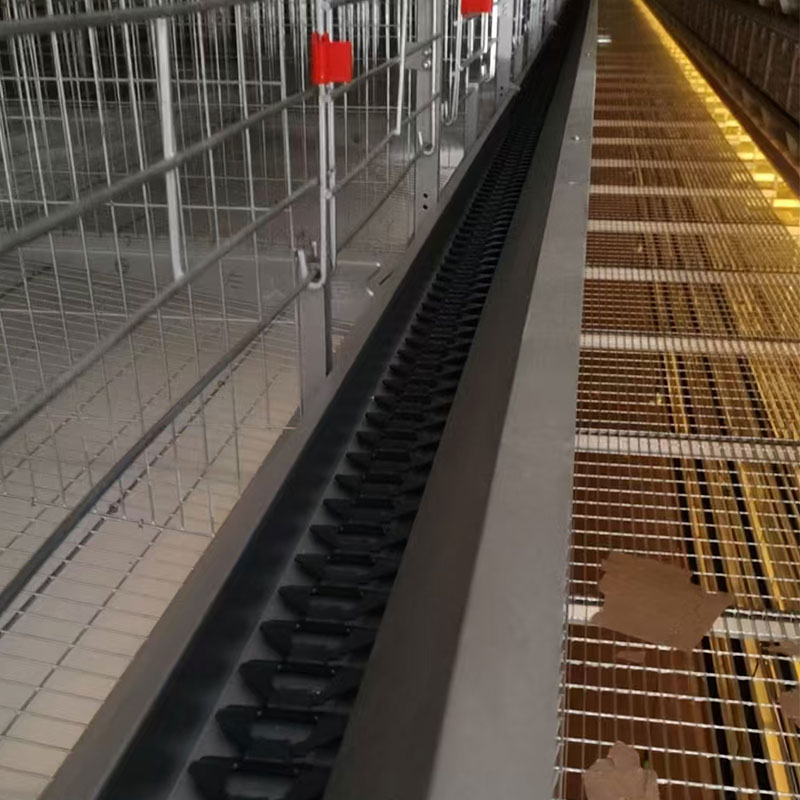
In commercial layer operations, this mesh forms the floor, walls, and partitions of the cages. The choice of opening size is crucial here. The floor must have openings large enough to allow manure to drop through freely onto the collection belt below, yet small enough to provide comfortable and secure footing for the hens. An improperly sized opening can lead to foot injuries or "bumblefoot," and inefficient manure management. The side walls use a larger opening size to maximize ventilation and allow the birds easy access to the feed trough and water lines. The inherent strength of the 16-gauge wire prevents "egg stealing" between adjacent cages, a problem where a hen in one cage can reach through and break or consume an egg in the next.
2. Brooder and Broiler Pens:
For broiler farmers or those raising pullets, creating smaller, controlled environments is essential. This mesh is ideal for constructing brooder rings or pens within a larger house. Its rigidity allows for the creation of free-standing partitions that can be moved and reconfigured as birds grow and their space requirements change. The open weave permits heat from brood lamps to penetrate evenly while keeping chicks safely contained away from drafts or larger, more intimidating areas of the barn during their critical early days.
3. Partition Walls and Security Barriers:
Beyond cages, this mesh is invaluable for creating permanent or semi-permanent partitions. It can separate different age groups of birds to maintain biosecurity protocols, a vital practice in preventing the spread of disease. It can also be used to wall off machinery areas, feed bins, or other hazardous zones from the bird population. Furthermore, its strength makes it an excellent material for covering ventilation inlets and fan housings, preventing wild birds or pests from entering the house, a key vector for pathogens like Avian Influenza.
Installation and Handling for Long-Term Performance
The durability of the mesh is only fully realized with proper handling and installation. A 50-foot roll of 16-gauge mesh is heavy and can be springy. Unrolling it requires care; it should be laid flat on the ground and uncoiled slowly to avoid kinking or bending the panels. Kinks not only look unprofessional but also create weak points and stress fractures in the wire and the galvanized coating.
When cutting the mesh to size, the correct tools make all the difference. Using heavy-duty bolt cutters or an angle grinder with a cutting disc will result in a clean, sharp cut. Using inadequate tools can mash the wire ends, damaging the galvanization and making the cut edges difficult to work with. These cut edges are the most vulnerable part of the installation, as the steel core is exposed. A best practice is to file down any sharp burrs for safety and then apply a touch of cold galvanizing compound or a rust-inhibitive paint to the bare wire ends. This simple step seals the cut and ensures the longevity of the entire panel, preventing rust from starting at the edges and creeping inward.
Attachment to the support frame is another critical step. While staples can be used for temporary setups, for permanent cage systems, the mesh should be securely fastened using J-clips, hog rings, or, ideally, fixed with washers and self-drilling screws. This creates a firm, rattling connection that won’t work loose over time from the vibration of the building and its equipment. A loose panel will chafe against its fasteners, wearing away the galvanization and creating noise that can stress the birds.
An Investment in Operational Stability
Selecting a cage system is a major decision. The 16-gauge galvanized welded wire mesh is not always the cheapest option available, but its value is measured over years, not months. A farmer might save money initially on a lighter-gauge, poorly coated mesh, but they are purchasing a future of repairs, premature replacements, and potential compromises to bird welfare and productivity.
The consistent environment enabled by this robust material leads to tangible outcomes. Birds housed in secure, well-ventilated, and clean cages experience less stress. Reduced stress translates directly into better feed conversion ratios, more consistent egg production in layers, and improved weight gain in broilers. The reduction in maintenance downtime between flocks means a faster turnaround and more production cycles per year. The galvanized coating ensures that cleaning and disinfection are thorough and effective, breaking disease cycles and supporting overall flock health.
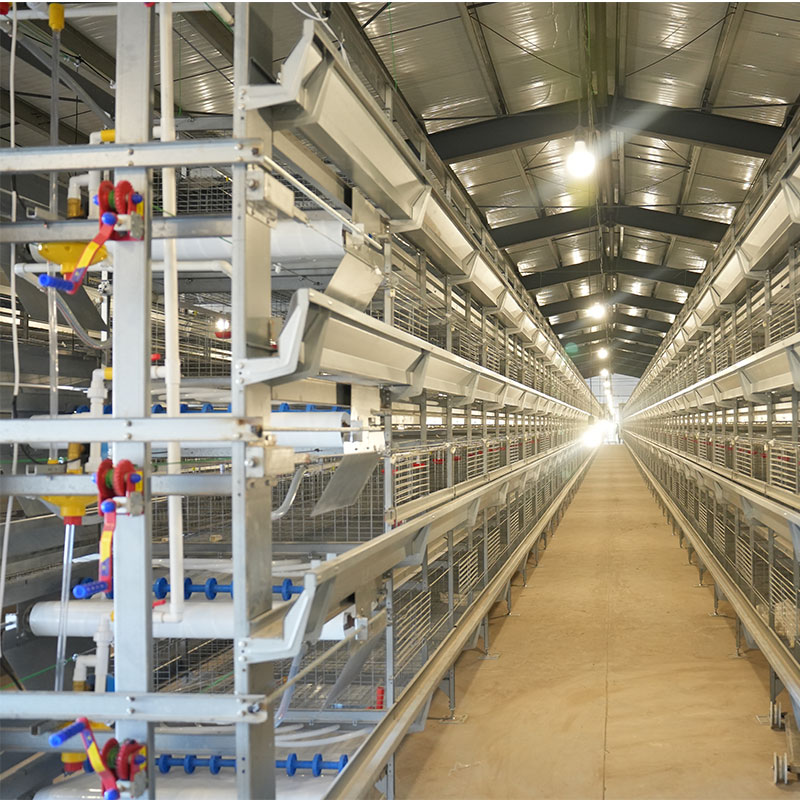
In essence, this specific type of wire mesh moves from being a simple commodity to a core component of a stable, efficient, and profitable poultry operation. It is the silent partner in the background, bearing the load, resisting the elements, and providing the secure framework upon which a successful farming enterprise is built. Its selection is a testament to a focus on quality, foresight, and a commitment to the long-term sustainability of the poultry operation.
1. Drinking system include the water pipes, water pressure adjuster, drinking nipples, Waterline front-end device, dosing system etc, choose them according to customer's needs.
2. High-quality water drinking pipes, pressure regulating valves and water drinking nipples can effectively prevent the water leakage. Drinking system adopt the closed piping system, which can minimize the water pollution.
3. 360-degree drinking nipples provide adequate drinking water for poultry at all stages.
4. The automatic drinking water system mainly adopts the steel ball drinking nipple. lt uses imported high-grad stainless steel, POM resin, and APS engineering material, which is wearing resistant, and the durability can be used for long time.



1. Automatic feeding machine can be chosen between gantry and ladder feeding machine. Gantry type feeding machine is a relatively economical and practical machine with simple operation, remote control walking character, easy to manage.
2. Mechanical transmission device running smoothly, low noise, long service life.
3. With the use of automatic control, the feeding system can adjust the amount of material.
4. Feeding with arched structure, high carrying capacity, not easily deformed.
5. Saving man power, saving feed, greatly improving the efficiency of Large-scale farming.
6. The walking speed of gantry feeding machine is 9--12 m/min.




1. Manure removing system included scraper type and conveyor belt type, Which can reduce the labor intensity and labor cost, keep the chicken shed dry and clean.
2. A type chicken cage can use scraper type or conveyor belt type.


3. The scraper type is suitable for A type cages, which can clean two or three rows. For the starters, this type is a good choice. lt can not only save some labor cost, but also save some investment in the whole project. The cleaning speed is 6-10 meters per minute.
4. Conveyor belt type is more suitable for large scale farming. The manure removing belt we use is high quality PP material (polypropylene). The walking speed is 2-4 meters per minute.



High Quality Pellets Made by Mobile Pellet Machine
1. It has professional designed angle of the blade. After the dynamic balance test one by one, the blade can operate smoothly.
2. The air volume is consistent in the whole life of the fan. Bearings has advantage of high strength, low noise, durable and so on.
1. The cooling pads uses high-quality wet curtain paper and adopts space cross-linking technology, which has the advantages of high water absorption, high water resistance, anti-toxicity and long service life.
2. The cooling efficiency is over 80%, without surfactant, natural water absorption, fast diffusion speed and long-lasting effect.
3. The product does not contain phenol and other chemical substances that are easy to cause skin allergies. It is non-toxic and harmless to the human body and chicken when installed and used. It is green, safe, energy-saving, environmentally friendly, economical, and easy to install.
4. The frame aluminum alloy has high strength, good corrosion resistance, durability and beautiful appearance.
5. Use a special filter for the cooling pad at the upper water to ensure clean water quality and support efficient water circulation components.
6. Combined with a negative pressure fan, it can effectively lower the indoor temperature.
The window is made of special selected high-quality engineering plastic, with high strength and long service life, together with superior anti-aging and anti-UV performance.
Function: Ventilation of the chicken house, usually used in the winter.
This system can adjust the wind speed and direction, thus the cold air will not reach chicken directly , which can effectively prevent the phenomenon of cold stress in chicken.
Environmental control system equipment is suitable for large-scale and intensive farming. According to customer requirements, we can provide various types of smart poultry equipment.
1. Our poultry management system is a modular system that manages all aspects of the chicken house, such as climate, temperature, humidity, ammonia, feeding, feed weighing, lighting and ventilation systems, and can monitor the situation of the chicken house in real time through a computer and mobile phone.
2. The management computer is the heart of the poultry farm, allowing you to easily monitor the entire poultry farm.

 WeChat:+8617838608255