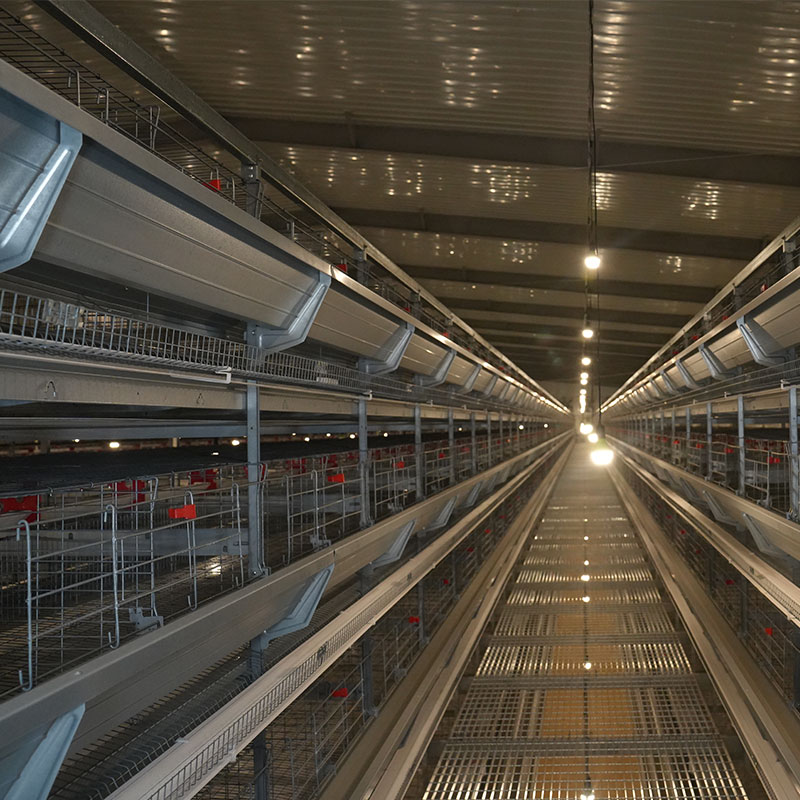
For decades, the layer cage system has been the backbone of commercial egg production. But today, a new standard is emerging—one where robotics, data, and precision converge. The Fully Automated Layer Cage System represents not just an upgrade in equipment, but a fundamental shift in how we approach poultry farming. It’s a move from manual labor and estimation to a seamless, datadriven operation that promises unprecedented levels of efficiency, bird welfare management, and financial control.
This comprehensive guide delves into the world of fully automated caging. We’ll move beyond the basics to explore the engineering principles, the tangible benefits for both flock and farmer, and the critical considerations for successful implementation. Whether you’re a largescale producer planning an expansion or a forwardthinking farmer aiming to futureproof your operation, understanding this technology is essential.
A Fully Automated Layer Cage System is an integrated housing solution where all core processes—feeding, watering, egg collection, manure removal, and environmental control—are performed by interconnected machines with minimal human intervention. It transforms the poultry house from a static structure into a dynamic, responsive ecosystem.
The core philosophy is integration. Unlike retrofitting standalone equipment, a true fully automated system is designed from the ground up with synchronized components that communicate via a central control computer. Key subsystems include:
Automated Feeding Systems: Precision conveyors or chain feeders deliver fresh feed on schedule. Advanced systems include feed bin monitoring and perration programming.
Nipple Drinking Lines: Provide clean water on demand, often integrated with dosing systems for vaccines or supplements.
Central Egg Collection Belts: Gently transport eggs from each tier to a central collection point without manual handling.
Manure Removal Systems: Typically deep pit with scrapers or conveyor belts under each tier that remove waste on a programmed schedule.
Climate Control Computers: Integrate ventilation fans, evaporative cooling pads, heaters, and light controllers to maintain optimal conditions 24/7.
The investment in full automation is justified by multifaceted returns across operational, biological, and economic fronts.
This is the most immediate benefit. Automation redefines the role of farm staff from performing repetitive physical tasks to managing technology and monitoring animal welfare.
Labor Reduction: Tasks like manual egg collection (which can take hours daily), feed distribution, and manure cleaning are eliminated.
Labor Reallocation: Staff can focus on highervalue activities: bird health observation (via walkthroughs), system maintenance, data analysis, and biosecurity protocols.
Consistency & Reliability: Machines operate on precise schedules regardless of time of day or week, ensuring birds receive feed and water at optimal times.
A stable environment directly translates to healthier birds and better productivity.
Reduced Stress: Minimal human traffic for daily chores means less disturbance. Consistent lighting schedules promote natural rhythms.
Optimal Climate: Sophisticated controllers maintain ideal temperature and humidity ranges yearround (e.g., 2125°C / 7077°F), preventing heat stress or chilling—major factors in egg production drops.
Improved Hygiene: Automated manure removal prevents ammonia buildup (a respiratory irritant) and reduces pathogen load.
Feed & Water Security: Birds have constant access to fresh rations without competition spikes during manual feeding times.
Automation minimizes handlingrelated damage and contamination risks.
Higher Percentage of Saleable Eggs: Gentle collection belts reduce cracks and checks significantly compared to manual gathering in baskets.
Cleaner Eggs: Eggs are collected frequently before they can be soiled by manure or broken by hens.
Traceability: Many systems allow for eggs to be tracked back to specific rows or sections of the house.
The control computer is the brain of the operation providing actionable insights:
Track daily feed consumption per section.
Monitor water intake—an early indicator of health issues.
Analyze production curves against environmental data.
This allows for proactive management rather than reactive problemsolving.
Understanding each subsystem's role is crucial for evaluating different manufacturers' offerings.
| Component | Function | Advanced Features |
| : | : | : |
| Feeding System | Delivers precise ration across all cages evenly. | Weightbased dosing; realtime consumption tracking; ability to run different feed types for different bird ages in one house (multitier). |
| Drinking System | Provides clean water ad libitum via nipples. | Pressure regulators; inline medicators; water meter monitoring for early disease detection (increased/decreased intake). |
| Egg Collection | Transports eggs centrally without breakage. | Softtouch belts; centralized packing station options; counter sensors for daily lay rate per row/tier. |
| Manure Drying/Removal | Removes waste to control moisture & ammonia. | Crossconveyors leading to external storage; internal drying tunnels (with forced air) to reduce mass/volume before removal. |
| Climate Control | Manages temperature humidity air quality lighting.| Integration with weather forecasts; CO2 sensors for ventilation control; zonebased temperature management within large houses |
Transitioning to full automation is a major capital decision requiring thorough planning.
1. Capital Expenditure (CAPEX): Initial costs are high but must be evaluated against longterm operational savings (OPEX) in labor energy feed conversion etc.). A detailed ROI analysis over 710 years is essential including projected increases in egg yield quality henhoused average etc.).
2. Technical Expertise Required Staff must be trained not just as stockpersons but as system operators capable of basic troubleshooting mechanical adjustments interpreting computer data).
3. Reliable Infrastructure Power backup generators are nonnegotiable A power failure can halt all systems rapidly endangering birds). Stable highspeed internet connectivity may also be needed for remote monitoring).
4.Manufacturer Selection Partner with reputable suppliers known for durability aftersales service availability of spare parts local technical support Visit existing installations talk to current users).
5.Building Design The poultry house itself must be designed or retrofitted correctly level floors proper insulation adequate height)to accommodate automated equipment efficiently).
The next evolution connects these systems into broader smart agriculture networks:
Sensors monitor individual bird activity sound analyzing flocks for early signs of illness distress).
AIpowered cameras track bird movement weight distribution identify potential issues automatically).
All data feeds into cloudbased dashboards accessible via smartphone enabling remote farm management predictive analytics).
A Fully Automated Layer Cage System represents more than just convenience it's strategic investment toward sustainable resilient profitable egg production By elevating consistency animal welfare resource efficiency it addresses pressing challenges facing modern agriculture While demanding upfront capital careful planning transition ultimately positions producers succeed era where precision transparency food safety paramount For serious commercial operations embracing this technology isn't about keeping up—it's about leading way toward future poultry farming
Here are answers to some of the most common questions we encounter about fully automated layer cage systems simulating those found in Google's "People Also Ask" sections
Q1: What is difference between semiautomated fully automated layer cage system?
A semiautomated system may have one two automated components like feeder egg belt but requires significant manual labor other tasks such manure cleaning climate control fully automated system integrates all core processes feeding watering egg collection manure removal climate lighting into single coordinated system managed central computer requiring only monitoring maintenance staff)
Q2: How much does fully automated layer cage system cost?
Cost varies widely based scale brand region level sophistication smallmedium house could range $30 $50 per bird place including installation largescale turnkey projects complete building can run millions dollars crucial obtain detailed quotes conduct thorough ROI analysis factoring longterm savings labor improved feed conversion higher egg yield)
Q3: Can automation improve hen welfare?
Yes when properly designed managed automation can significantly enhance welfare providing consistent optimal environment reducing stress from human intervention ensuring constant access fresh feed water maintaining superior air quality through controlled ventilation manure removal key lies design prioritizes animal needs alongside efficiency)
Q4: What happens during power failure?
Robust backup power generator absolutely critical part any automated farm design Generator must automatically kick within minutes prevent interruption lifesupport systems ventilation watering prolonged outage would lead rapid heat buildup suffocation dehydration contingency plan regular generator testing essential)
Q5: How often does manure need removed automated scraper system?
Frequency programmable typically systems run multiple times day prevent excessive ammonia buildup common settings include twice three times daily timing often scheduled cooler parts day early morning late evening minimize odor disturbance modern deeppit designs may use drying tunnels reduce frequency removal offfarm)
Q6: Are eggs cleaner from automated collection systems?
Generally yes Eggs moved quickly central collection point via belts minimizing contact with birds manure within cage compared manual collection where eggs may sit longer handled frequently resulting cleaner eggs lower rates bacterial contamination grading plant)
Q7: What kind maintenance required?
Regular preventive maintenance vital includes lubricating chains conveyors checking tension belts drives cleaning sensors inspecting nipple drinkers clearing potential blockages electrical connections staff should perform daily visual checks while scheduled technical servicing recommended manufacturer intervals ensure longevity avoid costly breakdowns)
Q8: Can retrofit existing poultry house full automation?
Possible but complex expensive often requires significant structural modifications ensure perfectly level floors adequate height headroom strong support beams new wiring retrofitting might approach cost new build careful feasibility study experienced installer required determine viability existing structure)
Q9: Does automation require specialized training operate?
Absolutely Training paramount success Staff must transition handson laborers system managers operators training should cover basic troubleshooting mechanical components understanding control software interpreting alarm signals performing routine maintenance safety protocols around moving machinery supplier should provide comprehensive onsite training)
Q10: How does automation impact biosecurity?
It greatly enhances biosecurity reducing need external internal personnel enter houses perform daily chores fewer people entering lowers risk pathogen introduction centralized egg manure collection points also help contain movement materials potential contaminants within controlled pathways)
Q11:What typical payback period investment?
Payback period varies based factors like local labor costs energy prices scale operation wellmanaged largescale farm often sees return investment within years through combined savings reduced labor lower mortality improved feed efficiency increased saleable egg output detailed financial model using realistic projections necessary before proceeding)
Q12 Is fully automated system suitable all farm sizes?
While benefits apply all scales economic viability heavily skewed toward larger operations due high fixed costs small farms fewer than birds may find semiautomation targeted upgrades specific bottlenecks more costeffective primary market commercial producers with flocks tens hundreds thousands hens where labor savings efficiency gains quickly justify capital outlay
1. Drinking system include the water pipes, water pressure adjuster, drinking nipples, Waterline front-end device, dosing system etc, choose them according to customer's needs.
2. High-quality water drinking pipes, pressure regulating valves and water drinking nipples can effectively prevent the water leakage. Drinking system adopt the closed piping system, which can minimize the water pollution.
3. 360-degree drinking nipples provide adequate drinking water for poultry at all stages.
4. The automatic drinking water system mainly adopts the steel ball drinking nipple. lt uses imported high-grad stainless steel, POM resin, and APS engineering material, which is wearing resistant, and the durability can be used for long time.



1. Automatic feeding machine can be chosen between gantry and ladder feeding machine. Gantry type feeding machine is a relatively economical and practical machine with simple operation, remote control walking character, easy to manage.
2. Mechanical transmission device running smoothly, low noise, long service life.
3. With the use of automatic control, the feeding system can adjust the amount of material.
4. Feeding with arched structure, high carrying capacity, not easily deformed.
5. Saving man power, saving feed, greatly improving the efficiency of Large-scale farming.
6. The walking speed of gantry feeding machine is 9--12 m/min.




1. Manure removing system included scraper type and conveyor belt type, Which can reduce the labor intensity and labor cost, keep the chicken shed dry and clean.
2. A type chicken cage can use scraper type or conveyor belt type.


3. The scraper type is suitable for A type cages, which can clean two or three rows. For the starters, this type is a good choice. lt can not only save some labor cost, but also save some investment in the whole project. The cleaning speed is 6-10 meters per minute.
4. Conveyor belt type is more suitable for large scale farming. The manure removing belt we use is high quality PP material (polypropylene). The walking speed is 2-4 meters per minute.



High Quality Pellets Made by Mobile Pellet Machine
1. It has professional designed angle of the blade. After the dynamic balance test one by one, the blade can operate smoothly.
2. The air volume is consistent in the whole life of the fan. Bearings has advantage of high strength, low noise, durable and so on.
1. The cooling pads uses high-quality wet curtain paper and adopts space cross-linking technology, which has the advantages of high water absorption, high water resistance, anti-toxicity and long service life.
2. The cooling efficiency is over 80%, without surfactant, natural water absorption, fast diffusion speed and long-lasting effect.
3. The product does not contain phenol and other chemical substances that are easy to cause skin allergies. It is non-toxic and harmless to the human body and chicken when installed and used. It is green, safe, energy-saving, environmentally friendly, economical, and easy to install.
4. The frame aluminum alloy has high strength, good corrosion resistance, durability and beautiful appearance.
5. Use a special filter for the cooling pad at the upper water to ensure clean water quality and support efficient water circulation components.
6. Combined with a negative pressure fan, it can effectively lower the indoor temperature.
The window is made of special selected high-quality engineering plastic, with high strength and long service life, together with superior anti-aging and anti-UV performance.
Function: Ventilation of the chicken house, usually used in the winter.
This system can adjust the wind speed and direction, thus the cold air will not reach chicken directly , which can effectively prevent the phenomenon of cold stress in chicken.
Environmental control system equipment is suitable for large-scale and intensive farming. According to customer requirements, we can provide various types of smart poultry equipment.
1. Our poultry management system is a modular system that manages all aspects of the chicken house, such as climate, temperature, humidity, ammonia, feeding, feed weighing, lighting and ventilation systems, and can monitor the situation of the chicken house in real time through a computer and mobile phone.
2. The management computer is the heart of the poultry farm, allowing you to easily monitor the entire poultry farm.

 WeChat:+8617838608255