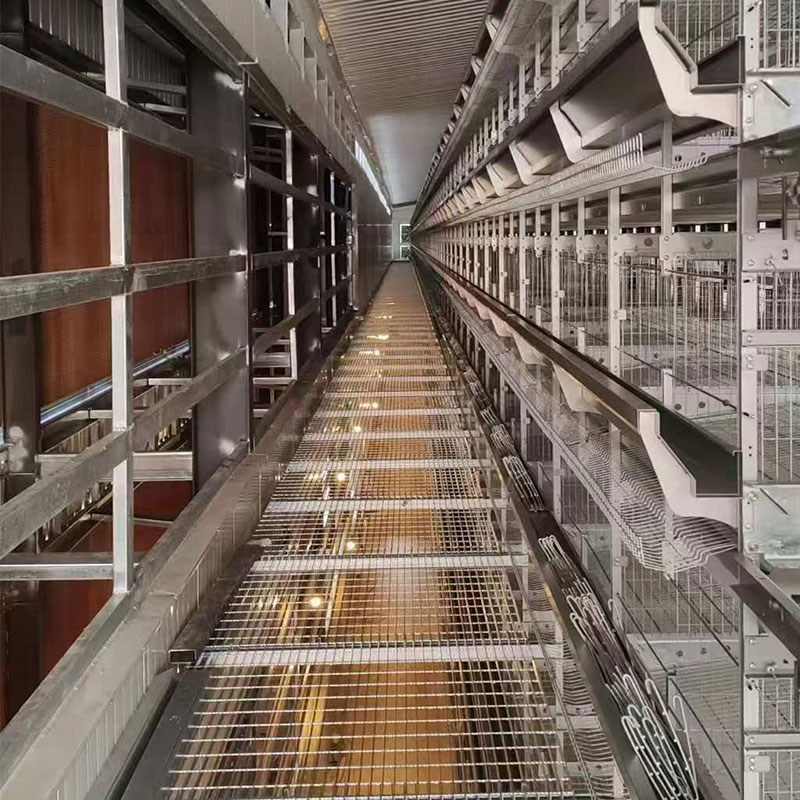
The rhythmic clatter of the feeder line starting up is the sound of profit in motion. For the poultry farmer, every component in that system, from the motor to the last nipple drinker, carries a weight far beyond its physical mass. It represents reliability, bird welfare, and ultimately, the bottom line. When it comes to the structural skeleton of a modern poultry operation—the cage systems, the feeding lines, the greenhouse frameworks, and the perimeter security—the choice of material is not a minor detail. It is a foundational decision that echoes through the life of the farm.
Among the options, galvanized steel pipe has emerged as a standard for durability. But not all galvanized products are created equal, and understanding the specific application of this material across different farm systems is critical. This is not about abstract metallurgy; it’s about withstanding the daily, corrosive assault of a poultry house environment and ensuring systems function flawlessly for years.
The Unseen Battle: Corrosion in the Poultry House
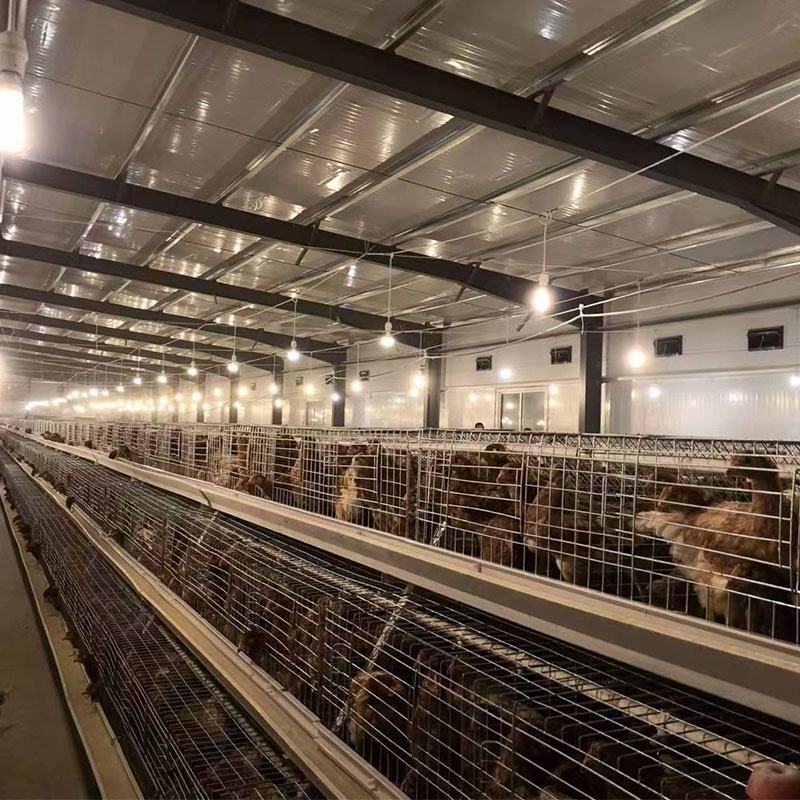
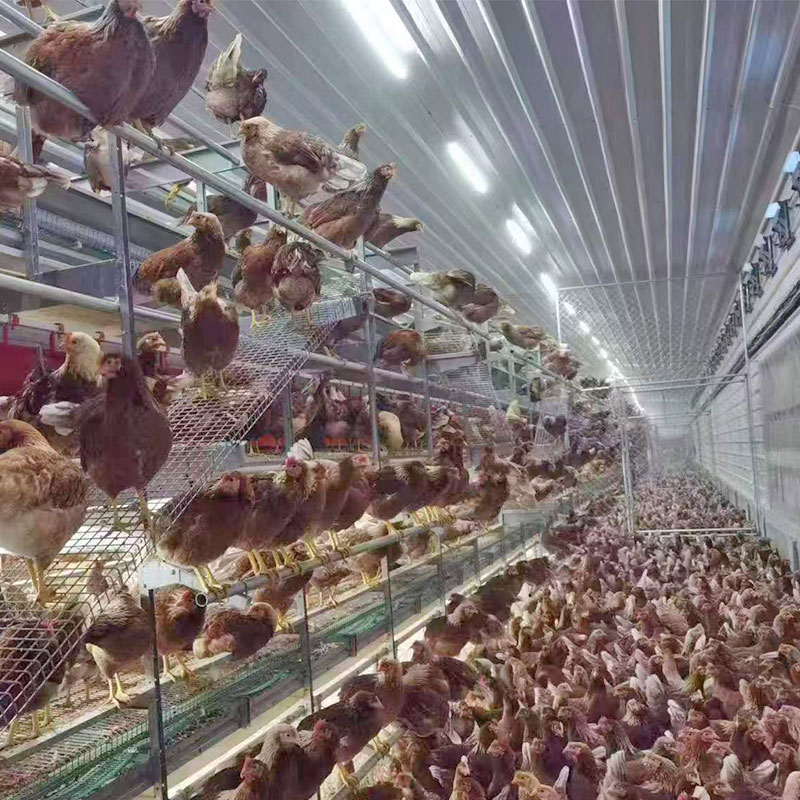

A poultry house is one of the most aggressive environments for metals. It’s a perfect storm of corrosive elements. The high levels of ammonia released from manure attack metal surfaces, weakening them from the outside. The constant humidity required for bird health ensures that any moisture present has a prolonged effect. Feed dust, which is often slightly acidic and hygroscopic, settles on every surface, trapping moisture and accelerating the decay process. Add in the physical abrasion from birds, equipment, and routine cleaning, and you have a recipe for rapid metal failure.
An untreated black steel pipe used for a feeder line support might show significant rust within a single grow-out cycle. This rust does more than just look unsightly; it flakes off, potentially contaminating the feed or the environment, and it structurally compromises the pipe. A weakened support leg for a cage tier can lead to a catastrophic collapse. A rusted-through natural gas line is an unthinkable hazard. This is where the galvanization process transforms a vulnerable material into a farm-tough component.
Galvanization is essentially a metallurgical bond between steel and zinc. The steel pipe is cleaned and then submerged in a bath of molten zinc at around 450°C (840°F). The zinc reacts with the steel to form a series of zinc-iron alloy layers, topped by a pure zinc layer. This creates a physical barrier that prevents corrosive agents from reaching the underlying steel. More importantly, it provides sacrificial protection. If the coating is scratched or cut, the surrounding zinc will sacrificially corrode to protect the exposed steel, something paint or other simple coatings cannot do.
Application 1: The Lifeline of the Operation – Natural Gas Lines
For farms utilizing brooders or space heaters powered by natural gas, the integrity of the gas line is non-negotiable. A failure here is not an issue of downtime; it is a severe safety risk. Using the wrong material for gas lines can lead to leaks, potential fires, or explosions. Furthermore, blockages from internal corrosion can cause burner failure, leading to chick mortality during critical brooding periods.
Galvanized pipe is a robust and code-approved material for natural gas distribution in agricultural settings. Its strength protects it from accidental impacts during equipment movement or human traffic. The galvanized coating, both inside and out, resists the minor corrosive elements present in natural gas and, more critically, the external humidity and ammonia of the poultry house.
When installing a galvanized gas line, the threading process requires attention. When you thread the end of a pipe, you inevitably cut through the galvanized coating, exposing bare steel at the threads. If left unprotected, this becomes the weak point where rust can begin. The standard practice is to use a high-temperature, pipe-grade thread sealant or Teflon tape designed for gas lines. This not only ensures a gas-tight seal but also helps to fill the microscopic gaps in the threads, shielding the exposed steel from the atmosphere. A farmer running a line from the main valve to a new bank of brooders would ensure every threaded connection is properly sealed, not just for leaks, but for longevity.
Application 2: The Backbone of the Feeding System
The feeding system is the circulatory system of the poultry house. It must run smoothly, day in and day out, with minimal deflection or failure. The structural supports for these systems—the hanger rods, the trusses, and the leg supports—are constantly under load and stress. A feeder line filled with several hundred pounds of feed places a constant downward force. The motor that drives the system creates torsional and vibrational stresses.
Galvanized pipe is the preferred material for these structural components due to its high strength-to-weight ratio and corrosion resistance. A farmer might use schedule 40 galvanized pipe for the main support legs of a raised cage system, knowing it can handle the vertical load of multiple tiers. For the horizontal trusses that carry the feeder line itself, a lighter schedule or EMT (Electrical Metallic Tubing) conduit might be sufficient, but it must still be hot-dipped galvanized to withstand the environment.
The difference becomes clear when comparing a galvanized feeder line support to one made from painted or untreated steel. After a year, the painted support may have chips and scratches from contact with feed bins or tools. Rust will begin to bubble under the paint, spreading unseen. The galvanized support, even if scratched, will see the zinc sacrifice itself to protect the steel, with the rust spot remaining localized and not spreading. This means the structural integrity is maintained for the long term, preventing sagging feeder lines that lead to inconsistent feed delivery and bird weight variation.
Application 3: Framework for Controlled Environments and Cage Systems
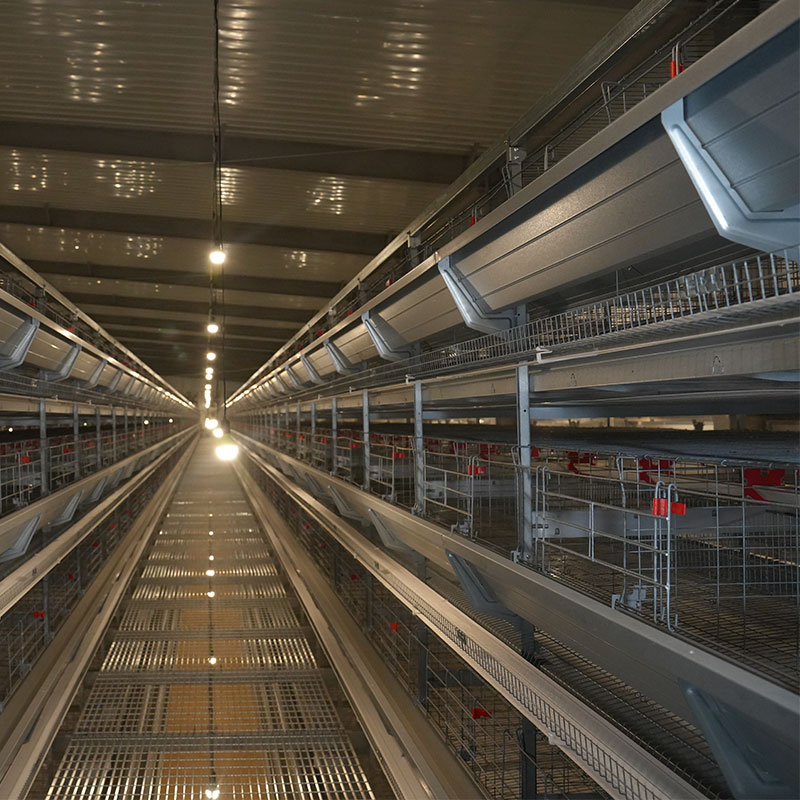
The move towards more controlled-environment housing, sometimes incorporating greenhouse-style structures for brooding or specialized production, demands a specific structural approach. Similarly, the tiers and frames of modern cage systems are a complex web of interconnected pipes. In both cases, the framework defines the shape, strength, and durability of the entire building or system.
For greenhouse-style steel structures, galvanized pipe is used for the bows (hoops), purlins (horizontal rails), and columns. This framework must resist not just the internal corrosive environment, but also external weather loads—wind, snow, and rain. The galvanized coating ensures that condensation that forms on the inside of the structure does not lead to rust stains dripping on birds or equipment, and more importantly, does not compromise the structure's ability to carry a snow load years down the line.
In cage systems, the design is even more intricate. The welds on a cage frame are critical points. Inferior galvanization performed after welding (rather than using pre-galvanized pipe) can leave weld zones vulnerable. The extreme heat of welding can burn off the zinc coating, leaving the weld and the surrounding heat-affected zone unprotected. A high-quality system will use precisely fabricated pipes that are hot-dipped galvanized after all cutting and welding is complete. This ensures a uniform, protective coating over every square inch of the frame, including the welds themselves. When a farmer taps on a well-galvanized cage frame, it should feel and sound like a single, solid piece of metal, with a consistent, crystalline-grey surface, not a patchwork of different shades and textures.
Application 4: Defining the Boundary – The Farm Fence
The perimeter fence is a farm’s first line of defense. It keeps livestock in, predators out, and defines the property boundary. A galvanized steel pipe fence, whether it's a simple post-and-rail design for containing larger fowl or a more complex mesh infill for security, offers exceptional strength and longevity.
Compared to wood, which rots, warps, and requires constant maintenance, or even painted steel, which will inevitably chip and rust, a hot-dipped galvanized fence is virtually maintenance-free. It can withstand impacts from equipment, pressure from livestock, and decades of exposure to sun, rain, and soil chemistry.
The key is in the installation. When setting galvanized fence posts in concrete, it’s crucial to ensure the concrete does not trap moisture directly against the galvanized steel at the ground line. This area, known as the splash zone, is the most vulnerable to corrosion as it is constantly cycled between wet and dry. A best practice is to pour the concrete so that it slopes away from the post, directing water runoff away from the metal. This simple technique prevents a moisture-rich concrete collar from acting like a sponge against the post, dramatically extending the fence's life.
Making the Informed Choice: Specifications and Sourcing
Understanding the language of galvanized pipe is essential for sourcing the right product. "Schedule" refers to the wall thickness. Schedule 40 is a common, standard weight pipe with substantial wall thickness for structural applications like cage legs or gas lines. Schedule 80 has a thicker wall, used for higher-pressure applications. EMT (Electrical Metallic Tubing) is much thinner-walled, suitable only for light structural duties like supporting ventilation curtains or electrical wiring, not for heavy loads.
The galvanization process itself is specified by standards like ASTM A123. This standard governs the minimum coating thickness relative to the steel's thickness, ensuring a robust, long-lasting layer. When procuring materials, a farmer should specify "ASTM A123 hot-dip galvanized" to ensure they are not receiving a thinner, electroplated coating which is unsuitable for the harsh poultry environment.
During installation, cutting and threading are inevitable. Any field-cut end or threaded section must be protected. Zinc-rich cold galvanizing compound, which contains a high percentage of zinc dust in a binder, can be brushed onto the exposed area. While not as durable as the hot-dip process, it provides sacrificial zinc protection that will blend with the original coating and prevent the cut edge from becoming the starting point for failure.
The initial investment in high-quality, correctly specified galvanized steel pipe across a poultry operation’s infrastructure is just that—an investment. It is a decision that pays dividends in reduced maintenance costs, eliminated premature replacement expenses, and the profound peace of mind that comes from knowing the bones of the farm are built to last. It is the quiet assurance that the systems supporting every aspect of production, from the gas that provides warmth to the fence that provides security, are engineered to endure.
1. Drinking system include the water pipes, water pressure adjuster, drinking nipples, Waterline front-end device, dosing system etc, choose them according to customer's needs.
2. High-quality water drinking pipes, pressure regulating valves and water drinking nipples can effectively prevent the water leakage. Drinking system adopt the closed piping system, which can minimize the water pollution.
3. 360-degree drinking nipples provide adequate drinking water for poultry at all stages.
4. The automatic drinking water system mainly adopts the steel ball drinking nipple. lt uses imported high-grad stainless steel, POM resin, and APS engineering material, which is wearing resistant, and the durability can be used for long time.



1. Automatic feeding machine can be chosen between gantry and ladder feeding machine. Gantry type feeding machine is a relatively economical and practical machine with simple operation, remote control walking character, easy to manage.
2. Mechanical transmission device running smoothly, low noise, long service life.
3. With the use of automatic control, the feeding system can adjust the amount of material.
4. Feeding with arched structure, high carrying capacity, not easily deformed.
5. Saving man power, saving feed, greatly improving the efficiency of Large-scale farming.
6. The walking speed of gantry feeding machine is 9--12 m/min.




1. Manure removing system included scraper type and conveyor belt type, Which can reduce the labor intensity and labor cost, keep the chicken shed dry and clean.
2. A type chicken cage can use scraper type or conveyor belt type.


3. The scraper type is suitable for A type cages, which can clean two or three rows. For the starters, this type is a good choice. lt can not only save some labor cost, but also save some investment in the whole project. The cleaning speed is 6-10 meters per minute.
4. Conveyor belt type is more suitable for large scale farming. The manure removing belt we use is high quality PP material (polypropylene). The walking speed is 2-4 meters per minute.



High Quality Pellets Made by Mobile Pellet Machine
1. It has professional designed angle of the blade. After the dynamic balance test one by one, the blade can operate smoothly.
2. The air volume is consistent in the whole life of the fan. Bearings has advantage of high strength, low noise, durable and so on.
1. The cooling pads uses high-quality wet curtain paper and adopts space cross-linking technology, which has the advantages of high water absorption, high water resistance, anti-toxicity and long service life.
2. The cooling efficiency is over 80%, without surfactant, natural water absorption, fast diffusion speed and long-lasting effect.
3. The product does not contain phenol and other chemical substances that are easy to cause skin allergies. It is non-toxic and harmless to the human body and chicken when installed and used. It is green, safe, energy-saving, environmentally friendly, economical, and easy to install.
4. The frame aluminum alloy has high strength, good corrosion resistance, durability and beautiful appearance.
5. Use a special filter for the cooling pad at the upper water to ensure clean water quality and support efficient water circulation components.
6. Combined with a negative pressure fan, it can effectively lower the indoor temperature.
The window is made of special selected high-quality engineering plastic, with high strength and long service life, together with superior anti-aging and anti-UV performance.
Function: Ventilation of the chicken house, usually used in the winter.
This system can adjust the wind speed and direction, thus the cold air will not reach chicken directly , which can effectively prevent the phenomenon of cold stress in chicken.
Environmental control system equipment is suitable for large-scale and intensive farming. According to customer requirements, we can provide various types of smart poultry equipment.
1. Our poultry management system is a modular system that manages all aspects of the chicken house, such as climate, temperature, humidity, ammonia, feeding, feed weighing, lighting and ventilation systems, and can monitor the situation of the chicken house in real time through a computer and mobile phone.
2. The management computer is the heart of the poultry farm, allowing you to easily monitor the entire poultry farm.

 WeChat:+8617838608255