HType Broiler Cages: A Comprehensive Guide to Modern Poultry Farming Efficiency
In the dynamic world of commercial poultry farming, efficiency, animal welfare, and profitability are paramount. The Htype broiler cage system has emerged as a revolutionary solution, redefining highdensity broiler rearing. Unlike traditional flatfloor or older cage systems, the Htype configuration represents a multitiered, automated approach designed to maximize space utilization, improve feed conversion ratios, and enhance overall farm management. This deepdive guide explores the intricacies of Htype broiler cages, examining their design, benefits, operational considerations, and their role in sustainable, modern meat production. Whether you're a seasoned farmer evaluating an upgrade or a newcomer to the industry, understanding this technology is crucial for making informed investment decisions.
An Htype broiler cage is a multitiered housing system where cage rows are arranged in a layout that resembles the letter "H" when viewed from above or in crosssection. This design typically features a central service aisle with cage tiers extending on both sides, often serviced by centralized automated systems for feeding, watering, and manure removal.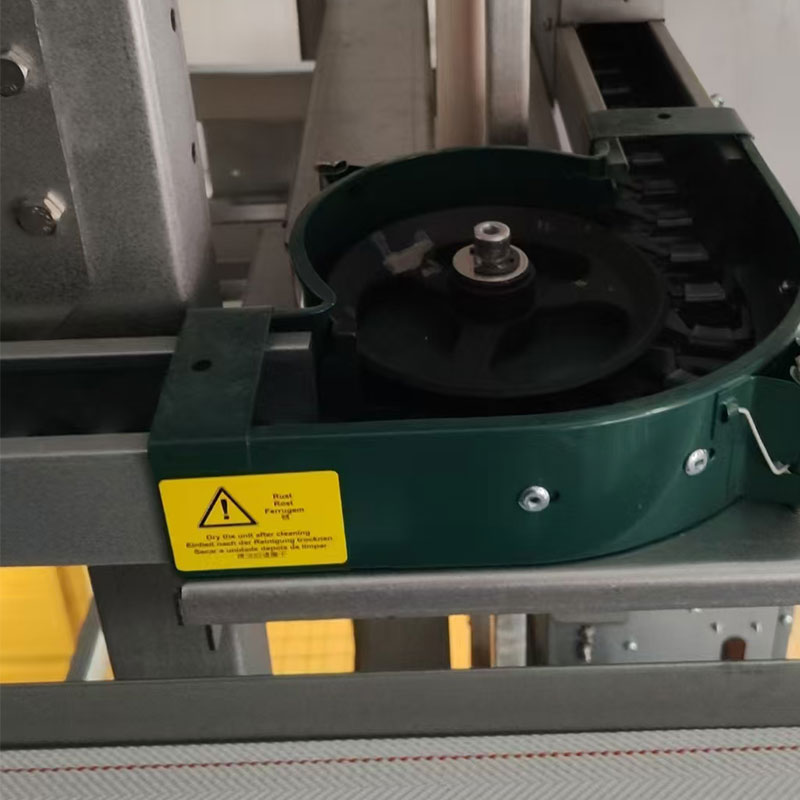
The core principle is vertical integration. By stacking cages vertically (usually 38 tiers high), farmers can house a significantly larger number of birds within the same building footprint compared to singlelevel systems. The "H" framework provides structural stability for these highrise configurations and allows for efficient routing of feed lines, water pipes, manure belts, and ventilation ducts through its central spine.
Tiered Configuration: Multiple levels of cages are supported by a robust galvanized steel frame.
Cage Modules: Individual cages are designed with appropriate wire mesh flooring (usually plasticcoated for foot health), providing adequate space per bird as per animal welfare guidelines.
Central Aisle: The heart of the "H" system. It houses the main service walkway for monitoring and provides access for the core automation.
Automatic Feeding System: A central feed bin supplies augers or chain feeders that run along each tier, delivering precise amounts of feed to troughs accessible to all birds.
Nipple Drinking System: Water lines run parallel to feed lines, with nipple drinkers provided at optimal intervals to ensure constant access to fresh water.
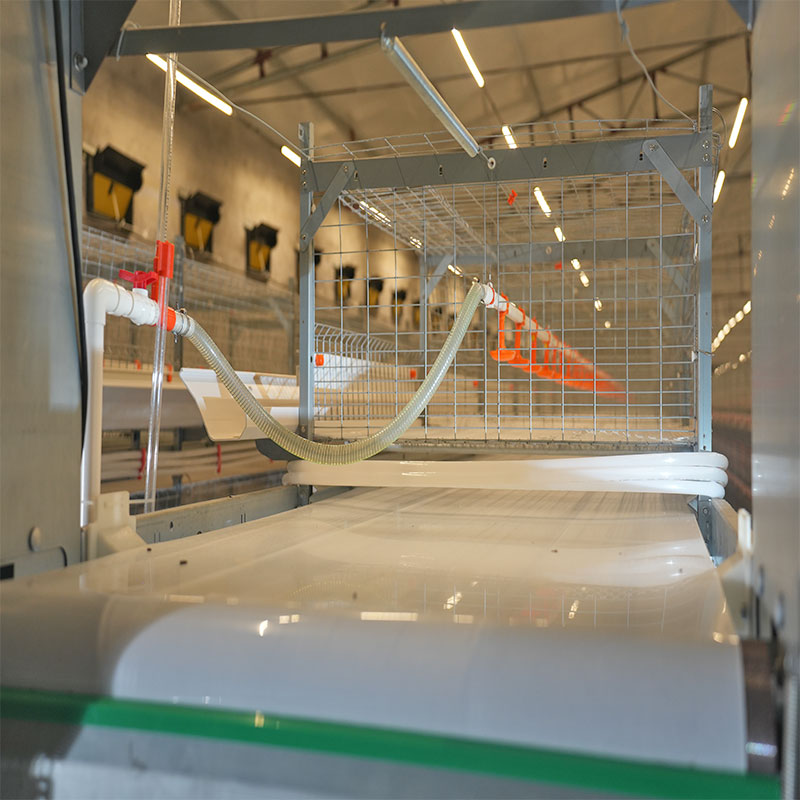
Manure Belt System: Perhaps its most defining feature. Conveyor belts are installed beneath each tier of cages. Manure drops onto these belts, which are periodically removed (daily or weekly) without disturbing the birds. This creates a drier environment and drastically reduces ammonia emissions.
Environmental Control: The structure integrates with centralized ventilation (inlet/outlet systems), heating, and cooling controls to maintain optimal temperature and air quality throughout all tiers.
In Htype systems used for broiler breeder flocks, an inclined cage floor allows eggs to roll gently onto a front egg collection belt once laid. This belt transports eggs centrally to a packing station, minimizing breakage and labor.
The adoption of Htype systems is driven by tangible operational benefits:
| Advantage | Description & Impact |
| : | : |
| Maximized Land/Building Use | Vertical design dramatically increases bird capacity per square meter of floor space. This leads to higher production potential without expanding building footprints. |
| Superior Biosecurity & Disease Control | Birds have reduced contact with manure due to swift belt removal. Separation from fecal matter lowers the incidence of coccidiosis and other bacterial diseases. Controlled access points minimize crosscontamination risks. |
| Enhanced Feed Conversion Ratio (FCR) | Reduced bird activity (compared to freerange) means energy is directed toward growth. Easy access to feed/water 24/7 further optimizes nutrient intake for weight gain. |
| Improved Labor Efficiency | Automation of feeding, watering, manure cleaning, and egg collection cuts manual labor requirements by up to 5070%. Staff can focus on bird health monitoring and system management. |
|Better Environmental Control | Manure removal reduces humidity and ammonia at source. Combined with centralized ventilation this results in consistently better air quality across all tiers promoting bird health & welfare |
| Precise Management & Monitoring | Birds are easier to observe individually or in small groups Feed/water consumption is centralized allowing for accurate tracking |
While powerful Htype systems require significant planning:
1. High Capital Investment: The initial cost for cages automation climate control and installation is substantial It represents a longterm investment
2. Technical Expertise Required: Operating maintaining troubleshooting complex automated systems demands trained staff Reliance on stable electricity is absolute
3 .Animal Welfare Compliance & Debate: Cage systems face scrutiny It is imperative that any Htype installation strictly adheres or exceeds local national regulations regarding space allowance enrichment (e g pecking blocks) lighting dark periods etc Welfare outcomes depend entirely on management quality
4 .Energy Dependence: Systems rely heavily on electricity for automation ventilation lighting Power failures without backup can be catastrophic requiring robust contingency plans
5 .Bird Suitability: Not all broiler strains perform equally well in cage environments Selection must prioritize breeds known for good leg health low stress reactivity in confined spaces
Successful operation hinges on detailed protocols:
Stocking Density: Never exceed recommended densities Follow guidelines from equipment manufacturers animal welfare bodies (e g NCC) veterinary advisors
Ventilation Management: This is nonnegotiable Work with an expert to design static pressure differentials inlet speeds air exchange rates specific to your stacked cage layout
Daily Monitoring Routines: Despite automation twicedaily walks are essential Check bird behavior feed/water flow system mechanics manure belt operation environmental sensors
Preventive Maintenance Schedule: Strictly service all mechanical parts—feed motors belt drives nipple drinkers—according manufacturer timelines Keep detailed logs
Lighting Program Implementation:
Provide uniform light intensity across all tiers using diffusers
Implement graduated dimming/brightening periods not abrupt on/off switches
Ensure adequate dark periods (~46 hours)for rest metabolic recovery
The evolution continues Futurefocused Htype systems integrate:
Manure Valorization Technologies: Onsite drying/pelletizing belts turning waste into exportable fertilizer/biomass fuel improving farm circularity
Advanced Air Scrubbers: Further reducing particulate matter ammonia emissions beyond belt removal alone
IoT Sensors & AI: Realtime tracking individual tier temperature gas levels sound analysis (for early cough/sneeze detection) predictive analytics alerting farmers before issues escalate
The Htype broiler cage system stands as a sophisticated technological answer to growing global demand poultry protein pressures land resource limitations It offers unparalleled efficiencies biosecurity environmental control when designed installed managed correctly However it not merely plugandplay hardware but complete management paradigm shift requiring significant capital deep operational expertise unwavering commitment animal welfare regulations Ultimately success lies balancing technological capability with conscientious husbandry ensuring that pursuit efficiency never compromises responsibility toward birds under our care For forwardthinking producers willing make investment master its complexities represents pathway resilient sustainable profitable future poultry production
Q1: What does "Htype" mean in broiler cages?
A1: "Htype" refers physical layout structural design multitiered cage system Rows cages arranged both sides central service aisle resembling letter 'H' crosssection This design centralizes automation supports vertical stacking providing stability efficient routing services like feeding manure belts
Q2: How many tiers can an Htype broiler cage have?
A2: Typically range from up eight tiers depending ceiling height building structure equipment manufacturer specifications Most common configurations commercial farms between four six tiers balance capacity airflow management accessibility
Q3: Are Htype cages considered good bad for bird welfare?
A3: Welfare outcome depends entirely management not technology itself Wellmanaged compliant provide consistent environment protection predators pathogens dry litter via manure belts constant access food water Poorly managed overcrowded systems cause severe welfare issues Key adhering strict stocking densities providing environmental enrichment ensuring robust health monitoring protocols
Q4: What main difference between Atype vs Htype layer/broiler cages?
A4: AType cages arranged Vshape two rows sharing central manure pit below often feature scraper cleaning simpler automation generally fewer tiers suitable smaller operations less intensive management require more insidebarn walking labor contrast fully automated integrated allowing higher density superior labor efficiency better controlled environment due enclosed manure belt system
Q5 How often should manure belts cleaned operated ?
A5 Frequency varies but standard practice run belts remove fresh manure least once day prevent ammonia buildup Some farms operate twice daily during peak growth periods Crucial remove entire load barn promptly after operation maintain air quality
Q6 Can existing poultry house converted into system ?
A6 Possible but requires extensive evaluation Existing building must have sufficient height structural strength support weight multiple loaded tiers columns footings Electrical capacity ventilation infrastructure must upgraded accommodate automated equipment Often more costeffective build new purposedesigned structure
Q7 What typical stocking density per bird ?
A7 Density must comply local regulations which vary widely general guideline modern provide approximately square foot (~450 cm²) floor space per kg expected final live weight Always consult latest animal welfare standards veterinarian prioritize over maximizing capacity
Q8 How manage power outages critical automated ?
A8 Robust backup power essential Minimum requirement automatic standby generator capable running ALL critical systems ventilation minimal lighting water pumps Feed delivery pause few hours but airflow cannot Interruption mortality risk within minutes Test generators regularly have manual override procedures place
Q9 Are there breedspecific recommendations ?
A9 Yes Some fastgrowing strains prone leg issues ascites may perform better enhanced floorbased systems Select breeds specifically bred demonstrated robustness performance environments known good leg strength lower stress reactivity low activity requirements Consult breeding companies trials data 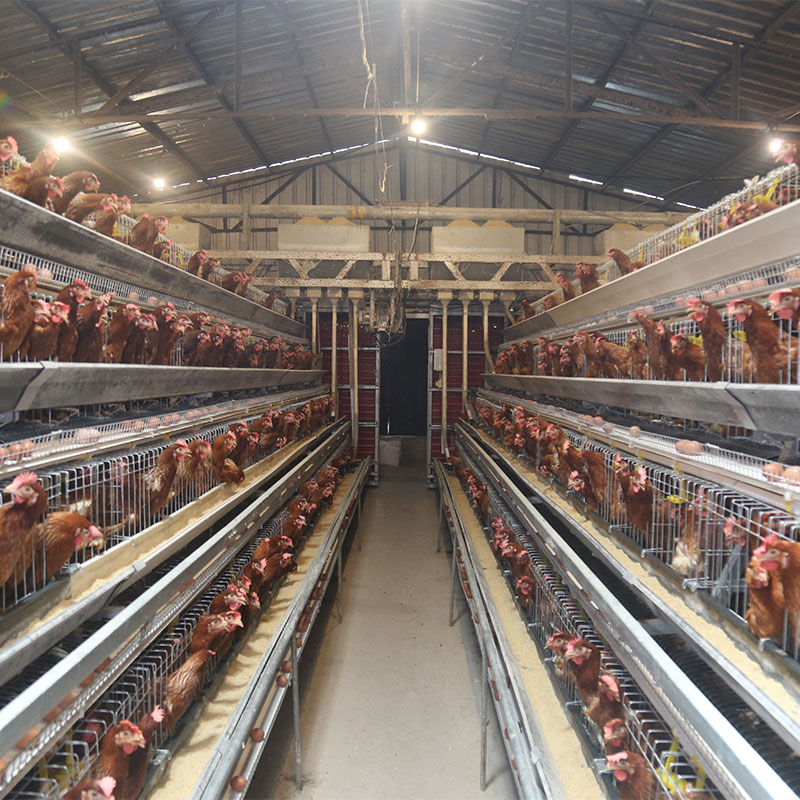
Q10 What key maintenance tasks prevent breakdowns ?
A10 Daily inspection feed lines nipples tension tracking Weekly lubrication moving parts gearboxes monthly inspection drive motors sprockets electrical connections Annual overhaul major components following manufacturer schedule Keeping spare parts inventory especially critical sensors motors reduces downtime significantly
1. Drinking system include the water pipes, water pressure adjuster, drinking nipples, Waterline front-end device, dosing system etc, choose them according to customer's needs.
2. High-quality water drinking pipes, pressure regulating valves and water drinking nipples can effectively prevent the water leakage. Drinking system adopt the closed piping system, which can minimize the water pollution.
3. 360-degree drinking nipples provide adequate drinking water for poultry at all stages.
4. The automatic drinking water system mainly adopts the steel ball drinking nipple. lt uses imported high-grad stainless steel, POM resin, and APS engineering material, which is wearing resistant, and the durability can be used for long time.



1. Automatic feeding machine can be chosen between gantry and ladder feeding machine. Gantry type feeding machine is a relatively economical and practical machine with simple operation, remote control walking character, easy to manage.
2. Mechanical transmission device running smoothly, low noise, long service life.
3. With the use of automatic control, the feeding system can adjust the amount of material.
4. Feeding with arched structure, high carrying capacity, not easily deformed.
5. Saving man power, saving feed, greatly improving the efficiency of Large-scale farming.
6. The walking speed of gantry feeding machine is 9--12 m/min.




1. Manure removing system included scraper type and conveyor belt type, Which can reduce the labor intensity and labor cost, keep the chicken shed dry and clean.
2. A type chicken cage can use scraper type or conveyor belt type.


3. The scraper type is suitable for A type cages, which can clean two or three rows. For the starters, this type is a good choice. lt can not only save some labor cost, but also save some investment in the whole project. The cleaning speed is 6-10 meters per minute.
4. Conveyor belt type is more suitable for large scale farming. The manure removing belt we use is high quality PP material (polypropylene). The walking speed is 2-4 meters per minute.



High Quality Pellets Made by Mobile Pellet Machine
1. It has professional designed angle of the blade. After the dynamic balance test one by one, the blade can operate smoothly.
2. The air volume is consistent in the whole life of the fan. Bearings has advantage of high strength, low noise, durable and so on.
1. The cooling pads uses high-quality wet curtain paper and adopts space cross-linking technology, which has the advantages of high water absorption, high water resistance, anti-toxicity and long service life.
2. The cooling efficiency is over 80%, without surfactant, natural water absorption, fast diffusion speed and long-lasting effect.
3. The product does not contain phenol and other chemical substances that are easy to cause skin allergies. It is non-toxic and harmless to the human body and chicken when installed and used. It is green, safe, energy-saving, environmentally friendly, economical, and easy to install.
4. The frame aluminum alloy has high strength, good corrosion resistance, durability and beautiful appearance.
5. Use a special filter for the cooling pad at the upper water to ensure clean water quality and support efficient water circulation components.
6. Combined with a negative pressure fan, it can effectively lower the indoor temperature.
The window is made of special selected high-quality engineering plastic, with high strength and long service life, together with superior anti-aging and anti-UV performance.
Function: Ventilation of the chicken house, usually used in the winter.
This system can adjust the wind speed and direction, thus the cold air will not reach chicken directly , which can effectively prevent the phenomenon of cold stress in chicken.
Environmental control system equipment is suitable for large-scale and intensive farming. According to customer requirements, we can provide various types of smart poultry equipment.
1. Our poultry management system is a modular system that manages all aspects of the chicken house, such as climate, temperature, humidity, ammonia, feeding, feed weighing, lighting and ventilation systems, and can monitor the situation of the chicken house in real time through a computer and mobile phone.
2. The management computer is the heart of the poultry farm, allowing you to easily monitor the entire poultry farm.

 WeChat:+8617838608255