
HType Layer Cages: A Comprehensive Guide to Modern Poultry Housing
In the dynamic world of commercial egg production, efficiency, animal welfare, and operational cost are paramount. At the heart of modern largescale layer operations lies a critical piece of infrastructure: the Htype layer cage system. This sophisticated housing solution represents a significant evolution from traditional battery cages and openfloor systems, offering a vertically integrated approach to poultry management. For farmers, investors, and agricultural professionals, understanding the design, benefits, and best practices associated with Htype cages is essential for making informed decisions that impact productivity, bird health, and ultimately, the bottom line. This guide delves deep into the mechanics, advantages, and considerations of Htype cage systems, providing a thorough analysis grounded in practical expertise.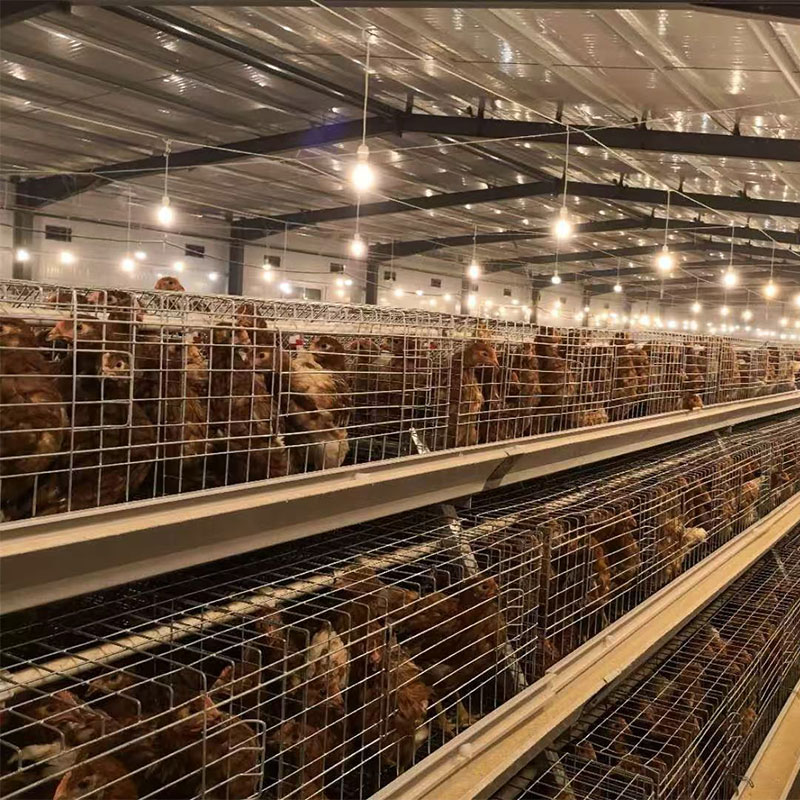
Htype layer cages are a multitiered poultry housing system where cages are arranged in a vertical stack, typically 3 to 8 tiers high, connected by a central manure belt system that forms the "vertical leg" of the "H" structure. The name derives from the crosssectional view: the tiers of cages on either side represent the horizontal tops of the "H," while the central manure collection belt represents the vertical bridge.
This design is fundamentally different from Atype or steplayer cages. In Atype systems, tiers are staggered to allow manure to drop directly to a pit below. In an Htype system, each cage tier features a slight outward tilt. Manure drops onto continuous conveyor belts running beneath each tier, which then transport it to a central vertical belt that carries it out of the house for centralized collection. This enclosed manure handling is a key distinguishing feature.
Cage Modules: Welded wire mesh enclosures providing feeding space, nesting area, and egg rollout.
Tiered Support Structure: A robust galvanized steel framework supporting multiple levels of cages.
Central Manure Belt System: The defining component—a series of horizontal belts per tier feeding into a main vertical belt.
Automated Feeding System: A chain or trolley system that runs along each tier delivering feed uniformly.
Automated Watering System: Nipple drinkers provided for each cage segment.
Egg Collection System: Conveyor belts that gently carry eggs from the cage rollout to a central collection point.
Climate Control Integration: Designed to work with tunnel ventilation and cooling systems.
The adoption of Htype cages is driven by tangible operational and economic benefits that address modern farming challenges.
By building upwards rather than outwards, Htype systems dramatically increase bird capacity per square meter of floor space. This allows for higher production volumes without expanding the building footprint—a crucial factor where land cost is significant.
This is arguably the system's greatest strength.
Dry Manure Removal: Manure is removed daily (or multiple times daily) via belts before it can accumulate or release excessive ammonia.
Improved Air Quality: Rapid removal reduces harmful gases (ammonia, hydrogen sulfide) inside the house, leading to better respiratory health for birds and workers.
Manure Value Retention: The collected dry manure is easier to handle, transport, and process as fertilizer or for energy generation. It retains higher nutrient value compared to wet pit manure.
Reduced Fly & Pest Problems: Dry manure belts create a less hospitable environment for flies and other pests compared to deeppit systems.
Htype systems are designed for minimal manual intervention:
Eggs are conveyed centrally.
Feed is delivered automatically.
Water is provided via closed lines.
Manure is removed continuously.
This automation reduces daily labor requirements by up to 5070% compared to manual collection systems, allowing staff to focus on bird monitoring and welfare checks.
The controlled environment reduces stress and unnecessary movement (like scratching for litter), lowering the birds' maintenance energy requirements. Combined with consistent access to feed via automated lines, this often leads to an improved FCR—more eggs produced per kilogram of feed consumed.
While cagefree debates continue wellmanaged Htype systems can support good welfare:
Stable Environment: Reduced ammonia levels benefit respiratory health.
Disease Control: Separation from manure limits contact with pathogens like E.coli and parasites like worms.
Uniform Access: All birds have equal access to feed and water without competition from more dominant birds.
While advantageous,Htype systems require careful planning and management.
The cost per bird housed is higher than for Aframe or simple open systems due to complex automation (belts,feeders).A detailed ROI analysis factoring in labor savings,input efficiency,and potential premium product output is essential.
These are not "setandforget"systems.They require skilled technicians for maintenance and operators who understand integrated controls.Failure in one system(e.g.,manure belt)can quickly disrupt others.
Constant power supply is nonnegotiable.Backup generators are mandatory.Power outages stopping ventilation,fans,and manure belts can lead to catastrophic bird loss within hours due to heat stress or ammonia buildup.
Observing individual birds in upper tiers requires dedicated walkways/platforms.Staff must be trained for systematic visual checks.Footpad health must be monitored closely as birds stand on wire floors constantly(though modern plasticcoated flooring mitigates this).
Successful operation hinges on disciplined protocols:
1. Stocking Density & Cage Space: Adhere strictly not onlyto legal minimums(e.g.,EU Directive:750 cm²/bird)but also consider breed recommendations.Crowding negates all welfare benefits increases aggression,and lowers production uniformity.
2. Climate Control Precision: Implement sophisticated tunnel ventilation with temperature humidityand static pressure sensors.Air must move uniformly across all tiers.Hot air rises so upper tiers need vigilant monitoring during summer months.Supplemental cooling(evaporative pads fogging)is often necessary.
3. Preventive Maintenance Schedule:
Daily:Check belt alignment tensionand egg collection system functionality.
Weekly:Lubricate moving parts inspect nipple drinkersfor leaks clean feed sensors
Monthly:Conduct thorough inspectionsof drive motors gearboxesand electrical connections
4. Lighting Program Management: Use diffused LED lighting placedto ensure uniform intensity across all tiers.Light programs(stimulating lay)must be synchronized perfectlywith feeding schedulesfor optimal results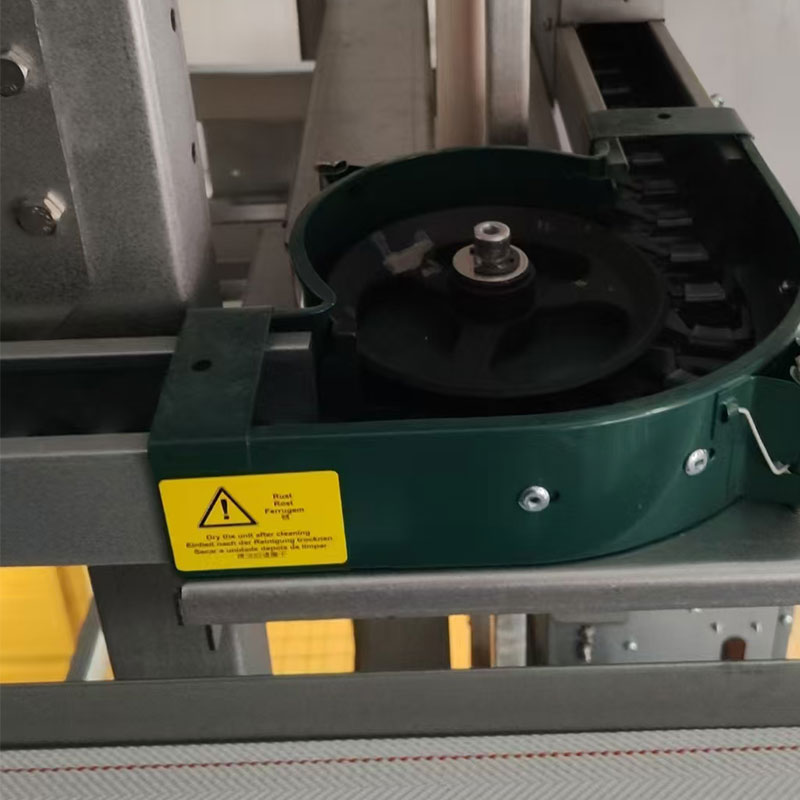
5. DataDriven Decision Making: Integrate production data(feed consumption water intake egg count mortality)with environmental data(temperature humidity).Analyze trends proactivelyto spot issues before they impact performance
Htype cages sit at an intersection between intensive production efficiency societal concerns about animal welfare.The future points toward evolving designs:
Enriched Colony Systems adaptingthe Htype framework with more space per hen nesting boxes scratch padsand perches meeting newer welfare standards while retaining automated manure belt benefits.Some marketsare moving toward multitier aviaries(cagefree)which use similar vertical principlesbut with open litter areas.The core innovation—the centralized vertical manure belt—is likelyto remaina key technologyfor managing hygienein any largescale indoor system reducing environmental footprint through better nutrient capture
For producers choosing cagebased systems,the modern Htyperepresentsa technologically advanced responsible choice when managed with expertise commitmentto high standards.It balances economic viabilitywith critical aspects of bird health biosecurityand environmental management
Q1: What exactly does "HType" mean in layer cages?
A1: The term refers specificallytothe crosssectional shape ofthe system.Multiple tiersof cages extend horizontallyon both sidesofa central verticalmanure conveyor belt resemblingthe letter"H".This design enables efficient centralized waste removalfrom all levels without staggeringthe tiers
Q2: How many hens can be housed in one Htype cage unit?
A2: Capacity variesby manufacturer tier count(typically48)and legal space requirements.A single commercial unit might hold80120hens dependingon cage compartment size.Total house capacitycan rangefrom tensof thousandsto overa million birdsfor largest facilities
Q3: Are Htype cages considered betterfor bird welfarethan traditional battery cages?
A3: They offer specific welfare improvementsprimarily through drastically improved air quality(less ammonia)and separationfrom manure reducing disease risk.Welfare howeveris multifaceted depends heavilyon management stocking densityand provisionof resourceslike perch space.Modern enriched versionsincorporate more behavioral amenities
Q4: What happens duringa power failurein an automated Htype house?
A4: Power failureis a critical emergency.Backup generatorsmust activate automaticallywithin minutesto restore ventilation fansand keep critical belts moving.Emergency protocols includingpossible manual curtain openingare vital Prolonged failurecan leadto rapid heat stress buildupof lethal gasesand high mortality
Q5: How often doesthe manure belt run?
A5: Best practice involves runningthe horizontal belts onceor twice dailyto remove fresh droppings keeping them dry.The central verticalbelt may run less frequently(e.g.,once every dayor two)to transport accumulated dry manurato storage.Ideallymanure doesnot remainin house formore than24 hours
Q6: Can you use deep litteror other beddingin an Htypecage?
A6 No.Htypecages rely entirelyon slatted wire floorsfor manurato fall ontothe collection belts below.Introducing loose beddingwould clogthe belt system disrupt automationand create fire hazards.The systemis designedfor "cage"management notlitterbased management
Q7 What isthenitial investmentcost differencebetween Hand Atype cages?
A7 An Hsystm typically costs20%40%more per bird housedthan comparable Atier systm dueto th complex belfeeder nd egg conveyr automaton Howvr ths s offsetby significan labr savngs lowr m anual handlng costs nd oftn bttr FCR Th ROI s achved ovr tim thrugh op rational efficency
Q8 How do you ensureall tierget equal airflow nd avoidheat stress n topcages?
A8 Ths requirs precis tunne ventlaton desgn Adequat static pressur(usng inlet doors/curtains)s crtical o drv air horzontallyacross al tirs High qualty fans extractd air uniformy Ceilng insulaton helps radiat heat Additonal coolng(mst/fog pads)drectd at uppr levls may b necesary
Q9 Ar thr spcfc brds best su ted fo Hsystms?
A9 Most commercal hybrd whit nd brown layr brds(Hy Line Dekalb ISA Babcock etc )perform wel n wel managed Hsystms Chosng brd should factor n local markt prfrncs(egg color/siz )nd th brds doclty adaptablty o vertcal housng Consult wth your brd suppler fo rcommendatons
Q10 Can Hsystms b adaptd o meet enrichd cag rqrments lik EU Dirctv?
A10 Yes Major manufacturs now offr enrichd colony systms builton th HFramwork Ths nclud provson fo nestng area scratch mat perch space nd mor floor spac p/bird(often >750cm² wh som markts dmandng >800900cm² )Th cor automaton manur managment advntags reman intact
Q11 How s wastr watr handled n an Hsystm?
A11 Watr wastr s minimal as closd nppl drnkng systms ar used Any laks rom drnkr lins r capturd by dropp pans abov th manur blts Th systm producs vry lttl efflu nt compard o opn drnkng systms makng t mor envronmentaly frndly
Q12 What s th typcal lfespanof an Hsystm nd what ar maintanc costs?
A12 Th galvanzd stel structur can last15 years mor wth propr car Howvr automatd componnts(belt drvs motors controlrs )may requir ovrhau/ rplacment vry58 years Annua maintanc costs ar typcally budgtd at35%o th ntal systm cost pr year coverng parts labor nspctons
1. Drinking system include the water pipes, water pressure adjuster, drinking nipples, Waterline front-end device, dosing system etc, choose them according to customer's needs.
2. High-quality water drinking pipes, pressure regulating valves and water drinking nipples can effectively prevent the water leakage. Drinking system adopt the closed piping system, which can minimize the water pollution.
3. 360-degree drinking nipples provide adequate drinking water for poultry at all stages.
4. The automatic drinking water system mainly adopts the steel ball drinking nipple. lt uses imported high-grad stainless steel, POM resin, and APS engineering material, which is wearing resistant, and the durability can be used for long time.



1. Automatic feeding machine can be chosen between gantry and ladder feeding machine. Gantry type feeding machine is a relatively economical and practical machine with simple operation, remote control walking character, easy to manage.
2. Mechanical transmission device running smoothly, low noise, long service life.
3. With the use of automatic control, the feeding system can adjust the amount of material.
4. Feeding with arched structure, high carrying capacity, not easily deformed.
5. Saving man power, saving feed, greatly improving the efficiency of Large-scale farming.
6. The walking speed of gantry feeding machine is 9--12 m/min.




1. Manure removing system included scraper type and conveyor belt type, Which can reduce the labor intensity and labor cost, keep the chicken shed dry and clean.
2. A type chicken cage can use scraper type or conveyor belt type.


3. The scraper type is suitable for A type cages, which can clean two or three rows. For the starters, this type is a good choice. lt can not only save some labor cost, but also save some investment in the whole project. The cleaning speed is 6-10 meters per minute.
4. Conveyor belt type is more suitable for large scale farming. The manure removing belt we use is high quality PP material (polypropylene). The walking speed is 2-4 meters per minute.



High Quality Pellets Made by Mobile Pellet Machine
1. It has professional designed angle of the blade. After the dynamic balance test one by one, the blade can operate smoothly.
2. The air volume is consistent in the whole life of the fan. Bearings has advantage of high strength, low noise, durable and so on.
1. The cooling pads uses high-quality wet curtain paper and adopts space cross-linking technology, which has the advantages of high water absorption, high water resistance, anti-toxicity and long service life.
2. The cooling efficiency is over 80%, without surfactant, natural water absorption, fast diffusion speed and long-lasting effect.
3. The product does not contain phenol and other chemical substances that are easy to cause skin allergies. It is non-toxic and harmless to the human body and chicken when installed and used. It is green, safe, energy-saving, environmentally friendly, economical, and easy to install.
4. The frame aluminum alloy has high strength, good corrosion resistance, durability and beautiful appearance.
5. Use a special filter for the cooling pad at the upper water to ensure clean water quality and support efficient water circulation components.
6. Combined with a negative pressure fan, it can effectively lower the indoor temperature.
The window is made of special selected high-quality engineering plastic, with high strength and long service life, together with superior anti-aging and anti-UV performance.
Function: Ventilation of the chicken house, usually used in the winter.
This system can adjust the wind speed and direction, thus the cold air will not reach chicken directly , which can effectively prevent the phenomenon of cold stress in chicken.
Environmental control system equipment is suitable for large-scale and intensive farming. According to customer requirements, we can provide various types of smart poultry equipment.
1. Our poultry management system is a modular system that manages all aspects of the chicken house, such as climate, temperature, humidity, ammonia, feeding, feed weighing, lighting and ventilation systems, and can monitor the situation of the chicken house in real time through a computer and mobile phone.
2. The management computer is the heart of the poultry farm, allowing you to easily monitor the entire poultry farm.

 WeChat:+8617838608255